
 Lina Irawan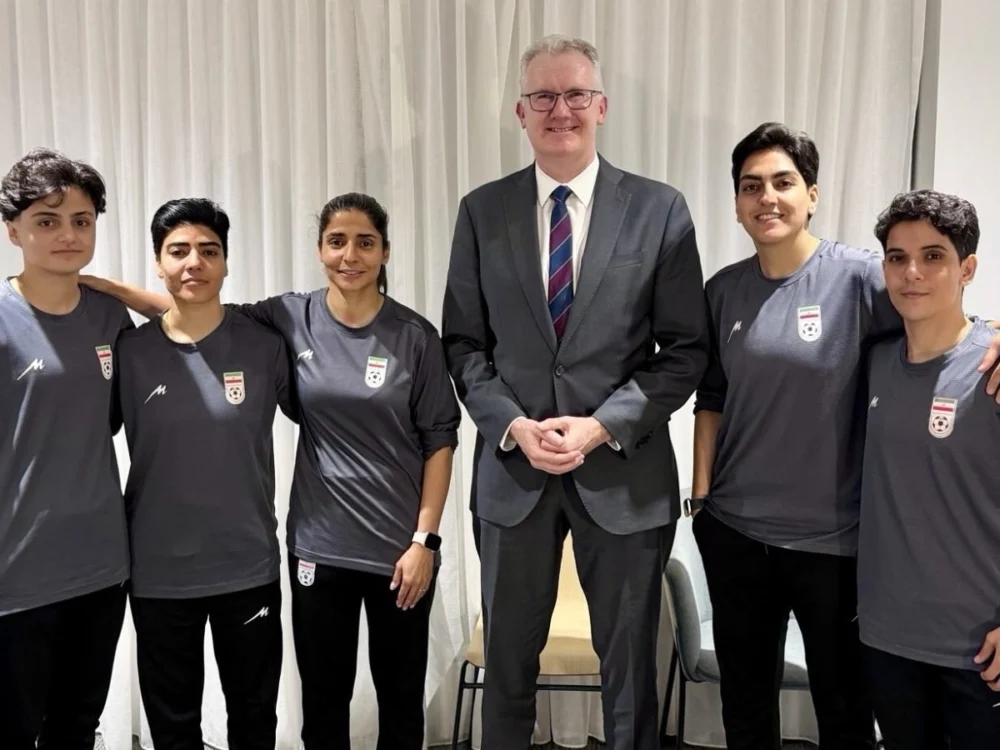
The Australian government has officially granted asylum to five members of the Iranian women’s national football team following a high-profile act of silent protest during the AFC Women’s Asian Cup. The decision, confirmed by senior government officials, comes after the athletes expressed legitimate fears of state-sponsored persecution should they return to the Islamic Republic of Iran. The players, who include prominent figures within the squad, are currently under the protection of the Australian Federal Police (AFP) as the Department of Home Affairs finalizes their permanent protection status.
This development marks a significant moment in the intersection of international sport and human rights diplomacy. The five athletes—team captain Zahra Ghanbari, and her teammates Fatemeh Pasandideh, Zahra Sarbali, Atefeh Ramazanzadeh, and Mona Hamoudi—sought refuge after a coordinated refusal to sing the Iranian national anthem during their opening match against South Korea. In the context of Iran’s current political climate, such gestures are viewed by the ruling regime not merely as sporting conduct but as acts of sedition and "war against God" (Moharebeh), which can carry severe legal and physical penalties.
The Catalyst: A Silent Protest on the International Stage
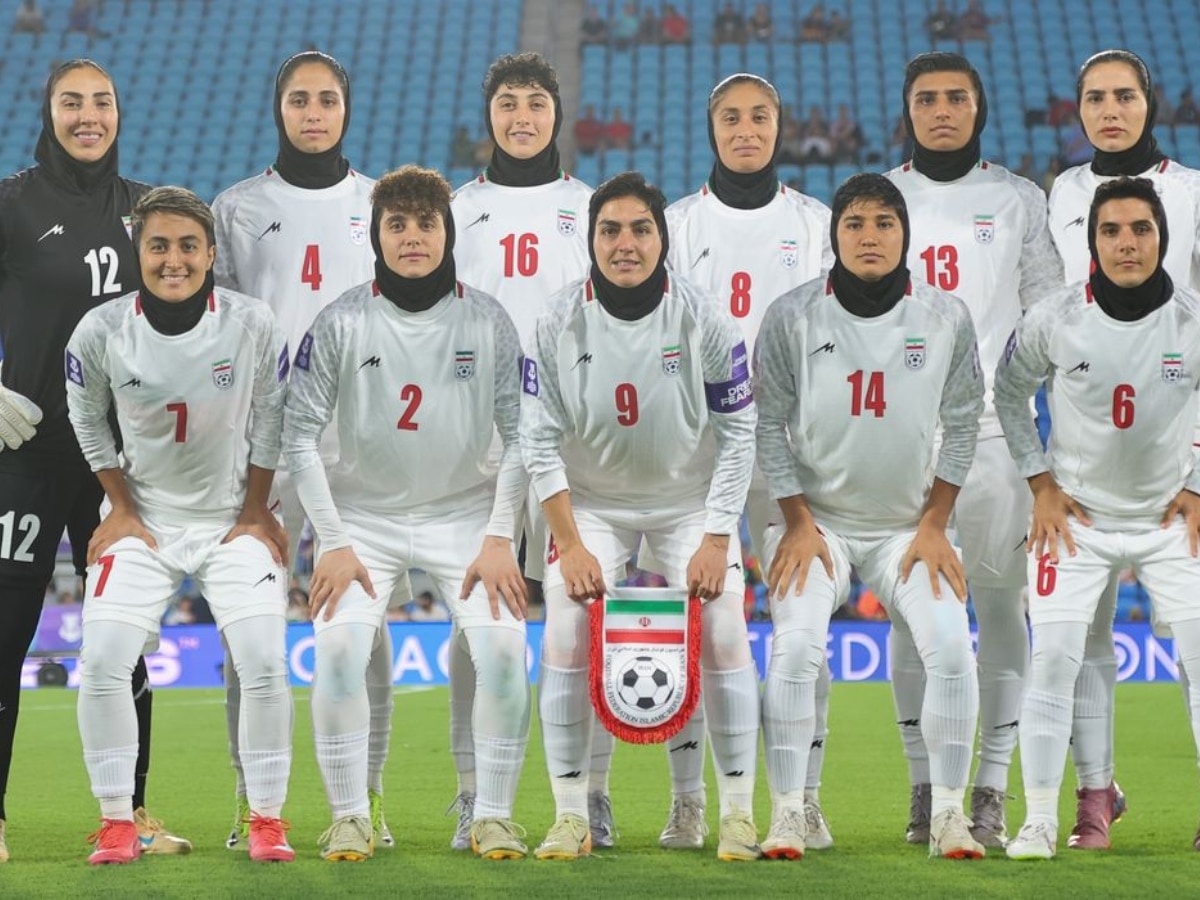
The incident that led to the asylum claims occurred during the group stages of the AFC Women’s Asian Cup, hosted in Australia. As the Iranian national anthem played before the kickoff against South Korea, several members of the squad remained visibly silent, looking straight ahead with somber expressions. While a common form of protest in Western democracies, for Iranian citizens, this act serves as a direct challenge to the legitimacy of the clerical establishment.
The protest was widely interpreted as a show of solidarity with the "Woman, Life, Freedom" movement, which has transformed Iranian society since 2022. The movement was ignited by the death of 22-year-old Mahsa Amini while in the custody of the morality police, allegedly for wearing her hijab "improperly." Since then, the Iranian government has intensified its scrutiny of public figures, particularly athletes, who use their platforms to voice dissent.
Following the match, Iranian state-controlled media outlets and hardline commentators quickly labeled the players "traitors" and "enemies of the revolution." Reports emerged from Tehran suggesting that the Iranian Football Federation and security apparatus were preparing to "deal with" the players upon their return. Sensing an immediate threat to their liberty, the five players departed their team accommodation at a Gold Coast resort on a Monday evening to seek formal protection from Australian authorities.
Historical Context: Sports as a Battleground for Iranian Dissent
The defection of the five footballers is not an isolated event but part of a broader trend of Iranian athletes seeking refuge abroad to escape political repression. For decades, the Iranian government has used international sporting success as a tool for nationalistic propaganda. Conversely, athletes have increasingly used these same stages to signal their opposition to the regime’s restrictive laws, particularly those governing women’s rights.
In late 2022, during the FIFA World Cup in Qatar, the Iranian men’s national team similarly refused to sing the anthem during their opening game against England. While they eventually relented in subsequent matches—reportedly due to threats made against their families—the incident highlighted the extreme pressure placed on national representatives. Other notable cases include competitive climber Elnaz Rekabi, who competed without a hijab in South Korea in 2022 and subsequently faced house arrest, and Kimia Alizadeh, Iran’s only female Olympic medalist, who defected to Germany in 2020, describing herself as one of the "millions of oppressed women in Iran."

The current situation involving the women’s football team is particularly sensitive due to the ongoing "Woman, Life, Freedom" protests. Human rights organizations, including Amnesty International and Human Rights Watch, have documented a pattern of "retaliatory justice" in Iran, where athletes who support protests are subjected to travel bans, imprisonment, and, in extreme cases, the death penalty.
Chronology of the Asylum Process
The timeline of the players’ defection and the subsequent diplomatic response unfolded rapidly over the course of the AFC tournament:
- Tournament Arrival: The Iranian squad arrived in Australia under strict supervision from team officials and "security chaperones" intended to prevent contact with the Iranian diaspora.
- The Anthem Incident: During the match against South Korea, the five players remained silent during the anthem. The footage went viral globally, drawing praise from activists and condemnation from Tehran.
- The Escape: On Monday night, following the conclusion of their group stage commitments, the five players managed to bypass team security at their Gold Coast hotel. They were met by representatives of the local Iranian-Australian community and legal advocates.
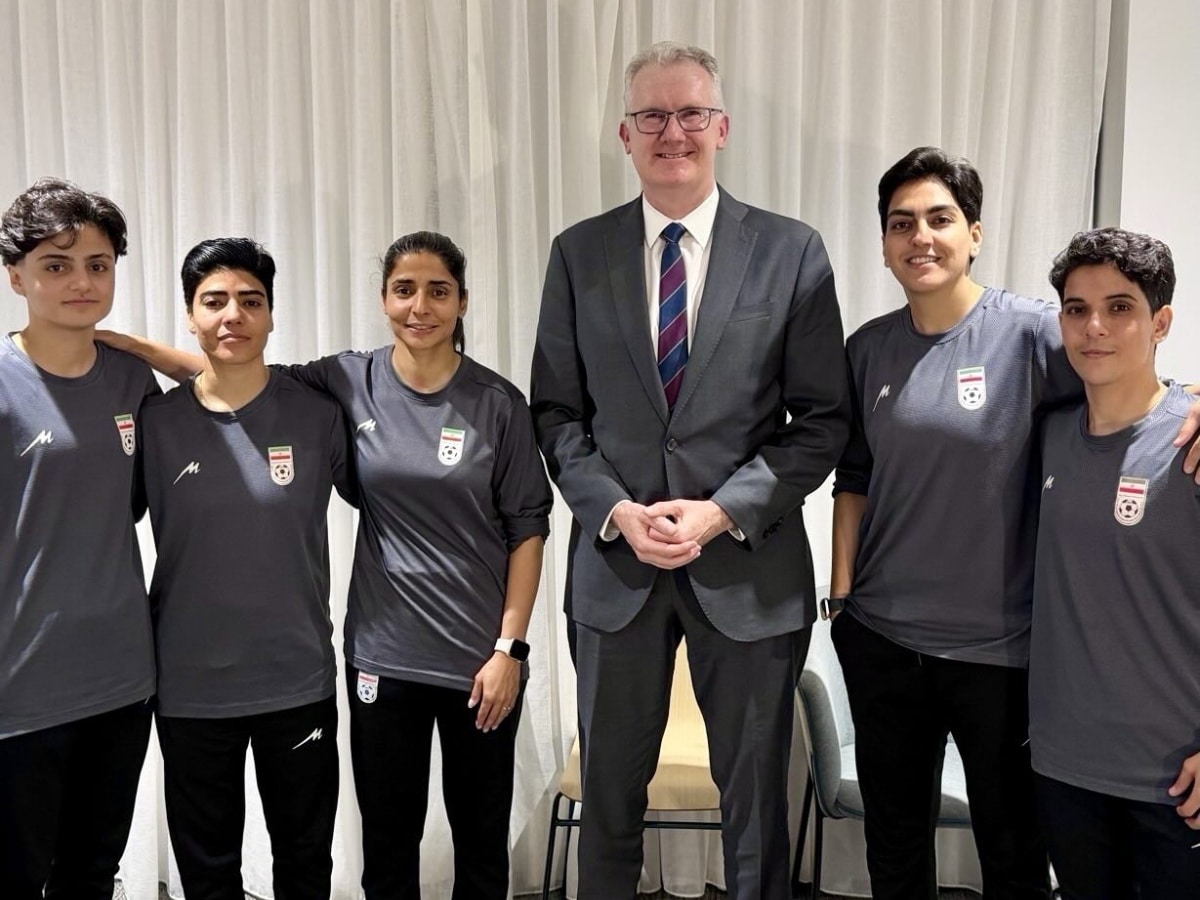
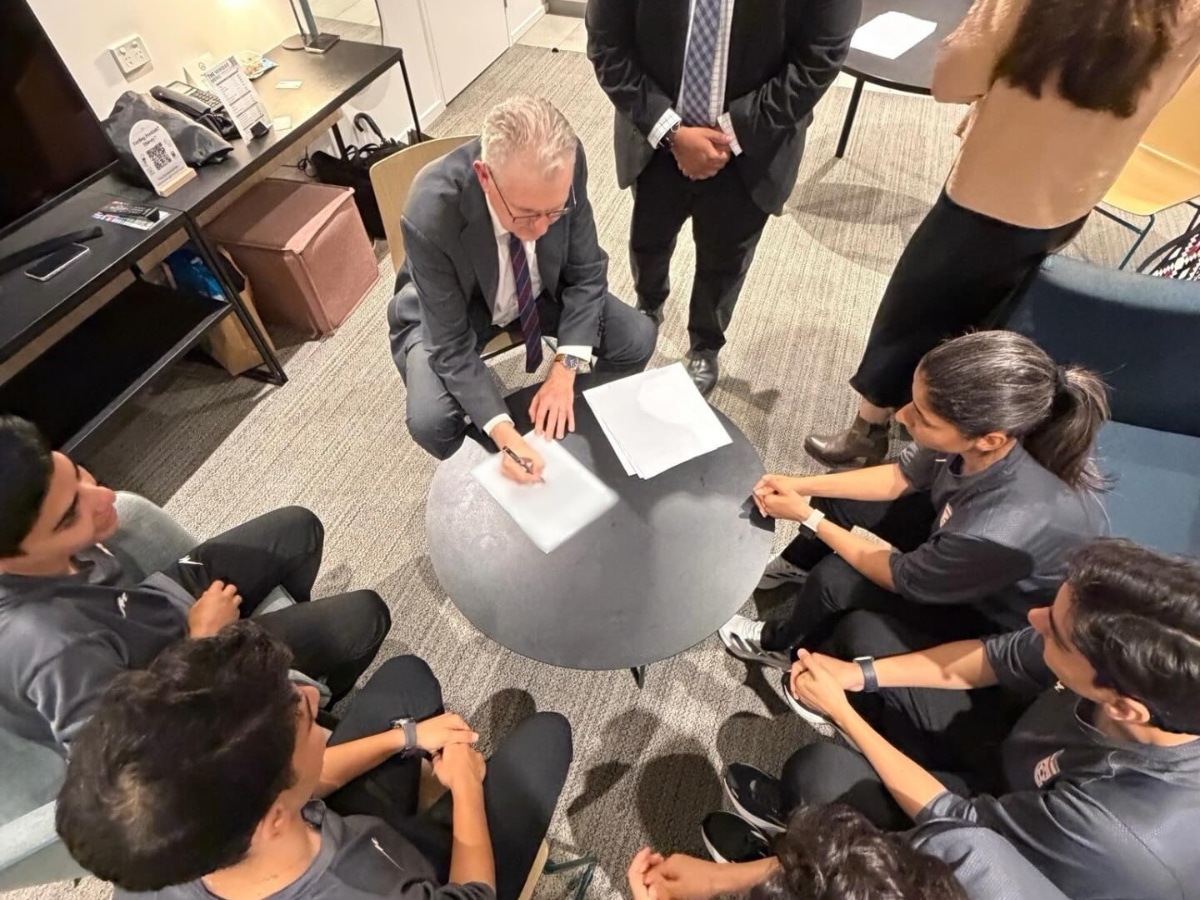
- Government Intervention: By Tuesday morning, the Australian Department of Home Affairs was notified. Home Affairs Minister Tony Burke personally met with the athletes to assess their claims.
- Asylum Granted: Following an expedited review of the credible threats against them, the Australian government confirmed that the five players would be granted protection visas.
Official Responses and Diplomatic Implications
The Australian government’s decision was met with immediate domestic and international reactions. Home Affairs Minister Tony Burke emphasized the humanitarian necessity of the move, stating, "They’re athletes who want to be safe and are very grateful that Australia is taking that opportunity." He further noted that the players were "distressed but relieved" to be under Australian protection.
Prime Minister Anthony Albanese echoed these sentiments, framing the decision as consistent with Australia’s commitment to human rights. He also signaled that the door remained open for other members of the squad who might feel unsafe. "We say to them, if you want our help, help is here, and we will provide that," Albanese told reporters.
The situation took an unexpected turn when US President Donald Trump commented on the matter via social media. Initially, Trump criticized the Australian government, suggesting that forcing the players back to Iran would be a "terrible humanitarian mistake" and offering US asylum as an alternative. However, after a direct conversation with Prime Minister Albanese, Trump shifted his stance, praising the Australian leader for his handling of the "delicate situation." In a follow-up post, Trump noted, "He’s on it. Five have already been taken care of."
This rare alignment between the Australian Labor government and the Trump administration underscores the severity of the threat faced by the players. It also highlights the geopolitical weight of the "Woman, Life, Freedom" movement, which continues to garner bipartisan support in the West.
Supporting Data: The Risks Facing Female Athletes in Iran
The decision to grant asylum is supported by significant data regarding the treatment of women and dissidents in Iran. According to the 2023 report by the United Nations Fact-Finding Mission on Iran, the state has engaged in "widespread and systematic" human rights violations that may amount to crimes against humanity.
Specific data points relevant to this case include:
- Arbitrary Detentions: Since September 2022, over 20,000 people have been arrested in connection with protests, including dozens of high-profile athletes.
- Gender-Based Persecution: Iran remains one of the few countries that mandates the hijab in all public spaces, including international sporting competitions. Female athletes are often monitored by the Ministry of Sport and Youth to ensure "Islamic conduct."
- Judicial Extremism: The Iranian judiciary has increasingly used the charge of "corruption on earth" (Mofsed-e-filarz) against public figures who criticize the state, a charge that frequently results in execution.
For the five footballers, the risk of "honor-based" state violence was deemed high. As national representatives, their silence was viewed by the regime as a public humiliation on a global stage, an offense that historical precedents suggest would lead to immediate arrest upon arrival at Tehran’s Imam Khomeini International Airport.
Broader Impact and the Future of the Squad
While the five players have secured their safety, the fate of the remaining members of the Iranian national team remains a point of concern. Approximately 20 players and staff members are still in Australia. For those who choose to return, the environment will likely be one of intense interrogation and surveillance.
The dilemma facing these athletes is profound. Many have families remaining in Iran who could face "guilt by association" or retaliatory measures if the players defect. This "transnational repression"—where a state reaches across borders to silence or punish dissidents through their loved ones—is a documented tactic of the Iranian security services.
The defection also places international sporting bodies like FIFA and the AFC in a difficult position. Both organizations maintain statutes that prohibit political interference in sport, yet they also have human rights frameworks intended to protect athletes. The "silence" of the Iranian players has forced these organizations to confront the reality that for some athletes, the act of playing for a national team is inherently political and potentially life-threatening.

In the coming months, the five players are expected to begin the process of integrating into Australian society. There is already speculation within the sporting community that they may be recruited by clubs in the A-League Women’s competition, allowing them to continue their professional careers in a safe environment. Their journey from the pitches of Iran to the protection of the Australian government serves as a stark reminder of the courage required by those who choose to stand for their convictions when the stakes are nothing less than their lives.




 Yuyun Lusiyani
 Joko Widodo
 Eva Lovia
 Pevita Pearce
 admin
admin