
 Lina Irawan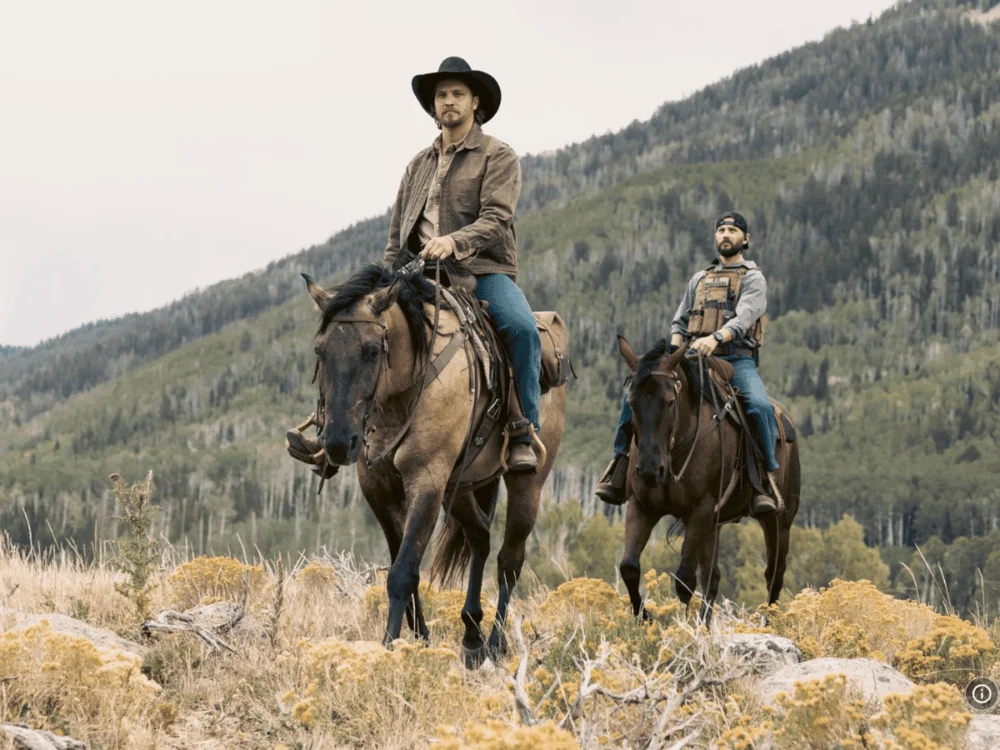
The debut of Marshals, the latest expansion of the sprawling Yellowstone television franchise, has generated a complex dual narrative of massive commercial interest and significant critical pushback. Launching in early March 2026, the series represents a pivotal moment for Paramount Global as it attempts to sustain the momentum of its most valuable intellectual property amidst a shifting creative landscape. While the premiere captured an audience of nearly 10 million viewers—a figure that places it among the most successful series launches in recent television history—the reception from both professional reviewers and the core "Sheridanverse" fanbase has been markedly polarized. This tension centers on a perceived departure from the gritty, serialized storytelling that defined the original Yellowstone series, moving instead toward a more conventional procedural format.
Initial Performance Metrics and Market Reception
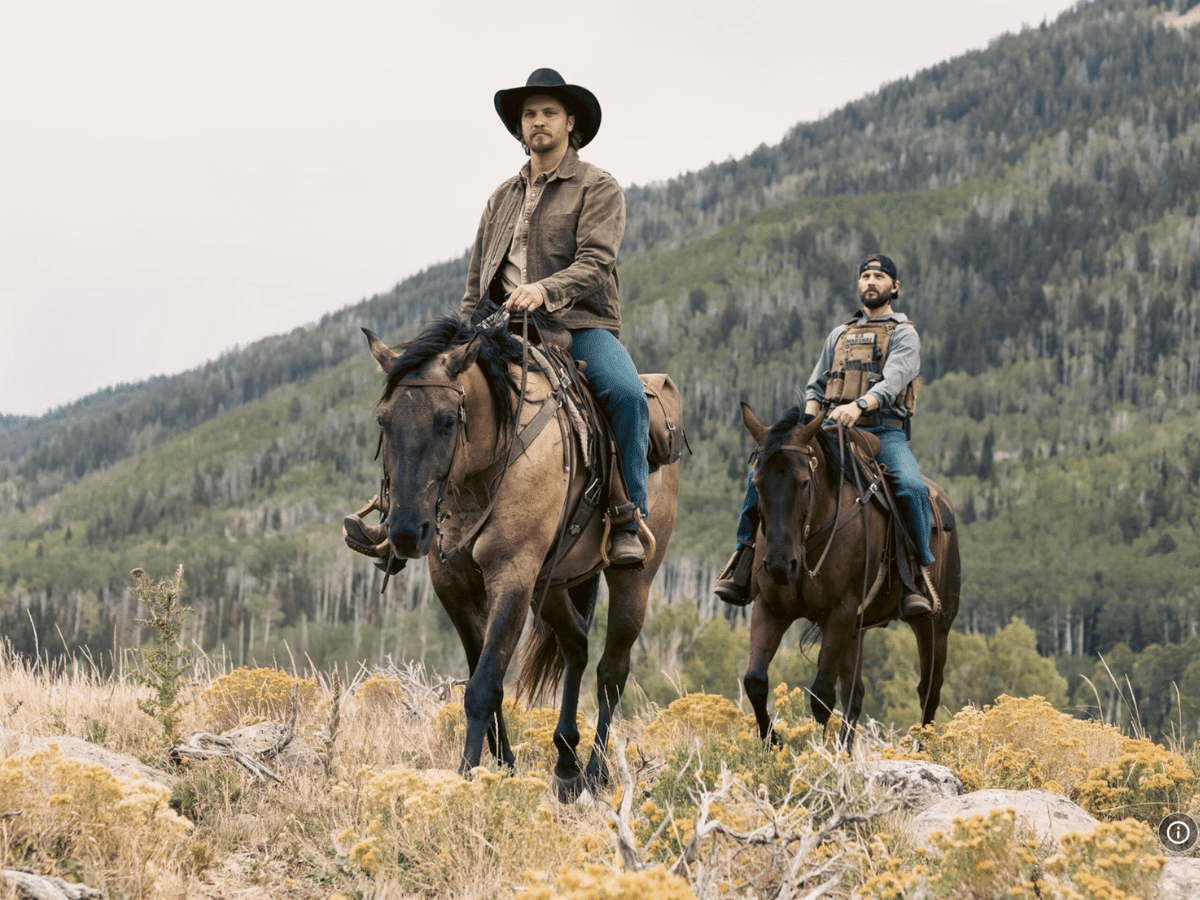
The viewership data for the Marshals premiere underscores the enduring power of the Yellowstone brand. Achieving 10 million viewers for a series debut is a feat rarely seen in the current fragmented media environment, rivaling the numbers seen during the peak of the original series’ fifth season. This massive turnout suggests that the appetite for stories involving the Dutton family remains high, particularly for those focused on Kayce Dutton, played by Luke Grimes. However, high visibility has also invited intense scrutiny.
As of the first week of release, the series holds a 6.5/10 rating on IMDb, a score that indicates a lukewarm reception compared to the 8.2 rating of the original Yellowstone. On the review aggregator Rotten Tomatoes, the disparity is even more pronounced. The "Tomatometer," which reflects the consensus of professional critics, sits at 46 percent, while the "Popcornmeter," representing the audience score, trails at 41 percent. These figures place Marshals in the "Rotten" category, a significant departure from the critical acclaim garnered by earlier spin-offs like 1883 and 1923.
The Narrative Pivot: From Serialized Drama to Procedural Crime
The primary criticism leveled against Marshals concerns its structural shift. For years, the Taylor Sheridan-led universe has been characterized by slow-burn character development, sprawling cinematic landscapes, and intricate power dynamics. Critics argue that Marshals has abandoned these hallmarks in favor of a "crime-of-the-week" structure more commonly associated with network dramas like CSI or NCIS.
Josh Rosenberg of Esquire noted that the absence of Taylor Sheridan’s direct involvement in the writing room is palpable. He argued that the show moves away from the trademark grit of its predecessors, transforming Kayce Dutton’s life into a formulaic television trope. This sentiment was echoed by Variety’s Alison Herman, who described the series as "workmanlike." Herman’s analysis highlighted that while the show is efficient in its execution, it lacks the "campy panache" and gravitas that Sheridan typically injects into his projects. The Hollywood Reporter’s Angie Han further suggested that the show’s shift might alienate the very audience it seeks to retain, stating that without the emotional core provided by the broader Dutton family saga, there is little reason for new viewers to invest in the narrative.
Chronology of the Yellowstone Franchise and the Sheridan Transition
To understand the current state of Marshals, one must look at the timeline of the franchise’s evolution and the business maneuvers occurring behind the scenes.
- 2018–2023: The Foundation. Yellowstone premieres on the Paramount Network, becoming a cultural phenomenon. Taylor Sheridan serves as the primary creative force, writing nearly every episode.
- 2021–2022: Prequel Expansion. 1883 and 1923 launch on Paramount+, proving that the brand can survive across different eras and streaming platforms.
- 2024–2025: Diversification. Sheridan expands into other territories with Landman and Tulsa King, while the original Yellowstone prepares for its final episodes.
- 2026: The New Era. Marshals launches as the first "current-day" spin-off intended to carry the torch of the original timeline.
The creative shift in Marshals is largely attributed to Taylor Sheridan’s evolving role. While he remains an executive producer and the creator of the universe, his day-to-day involvement in Marshals has been minimal. This is due to a monumental shift in the industry: Sheridan’s US$1 billion deal with NBC Universal. As his contract with Paramount approaches its 2028 conclusion, Sheridan is already pivoting toward creating content for NBC’s Peacock service, including a slate of approximately 20 new shows and feature films.

Business Implications: Paramount’s Strategy Post-Sheridan
Paramount Global finds itself in a precarious position. The company owns the rights to the Yellowstone name and its characters, but the creative "voice" of the franchise belongs to Sheridan. To ensure the longevity of the IP, Paramount has begun a process of "de-Sheridanizing" the production pipeline, bringing in new writers and showrunners to helm projects like Marshals and the upcoming Dutton Ranch.
This strategy is a calculated risk. By moving toward a procedural format, Paramount can produce episodes more quickly and at a lower cost, potentially appealing to the broader, more traditional audience of its CBS network. However, the early feedback on Marshals suggests that this "network-ification" may dilute the brand’s prestige. The goal is to create a "Yellowstone Universe" that functions similarly to the Law & Order or Chicago franchises—resilient, long-running, and capable of surviving changes in creative leadership.
Audience Reactions and Fan Sentiment
The fan response on platforms like Reddit and Rotten Tomatoes reflects the critical divide. Supporters of the show argue that it provides a fresh perspective on a beloved character and fits perfectly into the CBS "wheelhouse" of reliable crime dramas. Some viewers have praised Luke Grimes for his performance, noting that he is more than capable of leading a series independently of the original ensemble cast.
Conversely, a significant portion of the fanbase has expressed disappointment, with some mockingly referring to the show as "NCIS: Missoula." The complaint most frequently cited is that the show feels like "formula fiction" designed to sell merchandise rather than tell a compelling story. For many, the appeal of Yellowstone was its rejection of standard television tropes; by embracing those very tropes, Marshals risks becoming indistinguishable from the dozens of other crime dramas on the air.

The Future Slate: Dutton Ranch, 1944, and 6666
The performance of Marshals will likely influence the development of future spin-offs currently in the Paramount pipeline.
- Dutton Ranch: A sequel series focusing on Beth Dutton (Kelly Reilly) and Rip Wheeler (Cole Hauser) is expected to launch later this year. Unlike Marshals, this project is rumored to adhere more closely to the original show’s serialized formula, though it is also being developed by a new creative team.
- 1944: This prequel series will follow the Dutton family during the World War II era. Details remain scarce, but it is expected to maintain the high-budget, cinematic feel of 1883 and 1923.
- 6666: The long-delayed spin-off set at the historic Four Sixes Ranch in Texas remains on indefinite hiatus. Sheridan’s real-life purchase of the ranch has complicated the production, with the creator stating he wants to be "patient" to ensure the story does justice to the location’s history.
Analytical Conclusion: A Franchise at a Crossroads
The launch of Marshals marks the beginning of a new chapter for the Yellowstone franchise, one characterized by transition and experimentation. The 10 million viewers who tuned in for the premiere prove that the brand remains a powerhouse, but the critical reception serves as a warning. As Paramount attempts to bridge the gap between Sheridan’s auteur-driven style and a more sustainable, producer-led model, it must balance the need for high-volume content with the quality expectations of its audience.
The success of Marshals in the coming weeks will depend on whether it can evolve beyond its "procedural" roots to find an emotional resonance that satisfies long-term fans. If the ratings hold despite the reviews, Paramount will have a template for a post-Sheridan universe. If viewership drops, the network may need to reconsider its approach to the upcoming Dutton Ranch and 1944 projects. For now, the Yellowstone universe is expanding faster than ever, but its path forward is increasingly contested.
In Australia, Marshals: A Yellowstone Story continues its run on Paramount+, with new episodes releasing weekly. The industry will be watching closely to see if Kayce Dutton’s new path can eventually win over the skeptics or if the "Sheridan touch" is truly irreplaceable.




 Yuyun Lusiyani
 Joko Widodo
 Eva Lovia
 Pevita Pearce
 admin
admin