
 Eva Lovia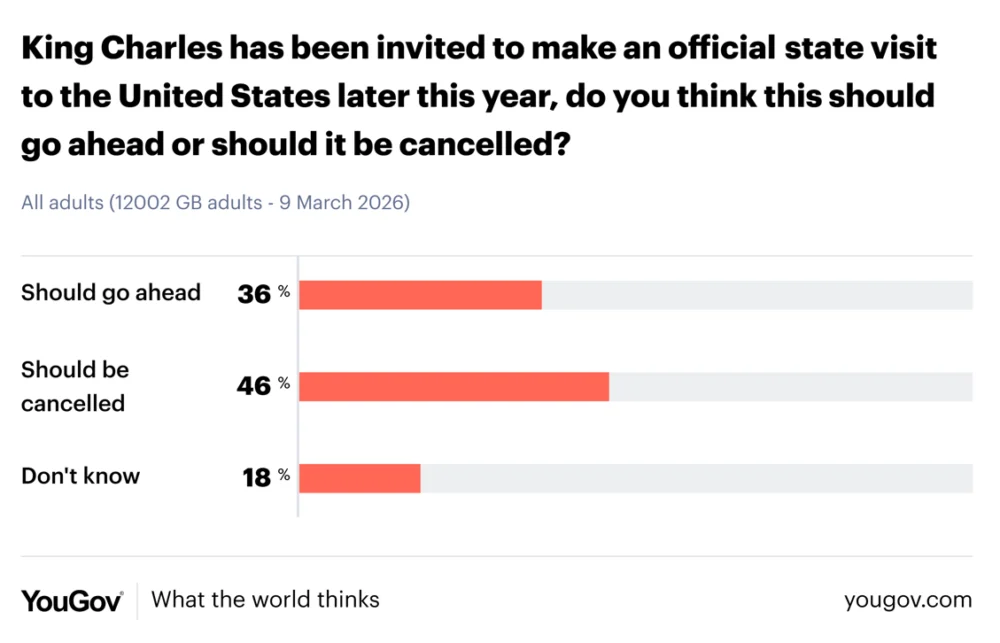
A significant portion of the British public now believes that King Charles III should forgo an official state visit to the United States later this year, a sentiment fueled by growing unease over the current geopolitical climate and strained diplomatic relations between London and Washington. New polling data reveals a notable shift in public opinion, highlighting a divergence between the desires of the monarchy and the prevailing mood within the nation.
Shifting Public Sentiment on Royal Diplomacy
Recent research conducted by YouGov indicates that 46 per cent of adults across Great Britain are of the opinion that the proposed state visit by His Majesty King Charles III ought to be cancelled. In contrast, 36 per cent of respondents believe the trip should proceed as initially planned, with a further 18 per cent expressing uncertainty or an inability to form a definitive opinion. This survey, which gathered responses from over 12,000 adults on March 9th, underscores a growing apprehension among the British populace regarding the diplomatic appropriateness of such a high-profile engagement at a time of international volatility.
The timing of this polling is particularly significant, as it coincides with intensifying debates within the corridors of power in Westminster concerning the strategic wisdom of the planned visit. The relationship between the United Kingdom and the United States, traditionally a cornerstone of international alliances, has demonstrably experienced periods of friction in recent times, prompting introspection about the optimal presentation of royal diplomacy.
Political Pressure Mounts on Government Decision-Making
The growing public dissent has been amplified by direct political appeals. Sir Ed Davey, the leader of the Liberal Democrats, has publicly urged Prime Minister Keir Starmer to advise the King against undertaking the journey. Sir Ed has articulated that a visit to the United States during the current phase of heightened international tensions would be, in his view, an inappropriate diplomatic gesture. This stance reflects a broader concern that the UK’s endorsement, even implicitly through a royal visit, could be misconstrued or leveraged in a complex and sensitive global arena.
The Core of Diplomatic Disagreement: The Iran Conflict and US Foreign Policy
At the heart of the current diplomatic friction lies the escalating conflict involving Iran and the specific role played by the United States under the leadership of President Donald Trump. Sir Ed Davey has been particularly vocal, accusing the American president of initiating what he has described as an "illegal war" in the region. His warning is that a royal visit at this juncture would inadvertently provide a significant diplomatic boost to Washington’s current foreign policy agenda, occurring at a moment of extreme global sensitivity.
The King had originally been slated to travel to the United States in April. This visit was envisioned as a key component of the extensive commemorations planned for the 250th anniversary of American independence. Both the British and American governments had anticipated this milestone as a valuable opportunity to underscore and celebrate the enduring and profound alliance between the two nations, a relationship that has shaped global affairs for decades.
A Timeline of Strained Relations and Diplomatic Maneuvers
The relationship, however, has been tested by a series of events that have introduced considerable strain in recent days, impacting the delicate balance of diplomatic exchanges. A notable flashpoint occurred when President Trump publicly criticised Prime Minister Keir Starmer. This criticism followed the UK’s initial hesitation to grant permission for American forces to launch the first wave of strikes against Iran from British territory. President Trump’s commentary was sharp, with reports suggesting he had mocked the Prime Minister’s cautious stance, remarking that he was "not Winston Churchill."
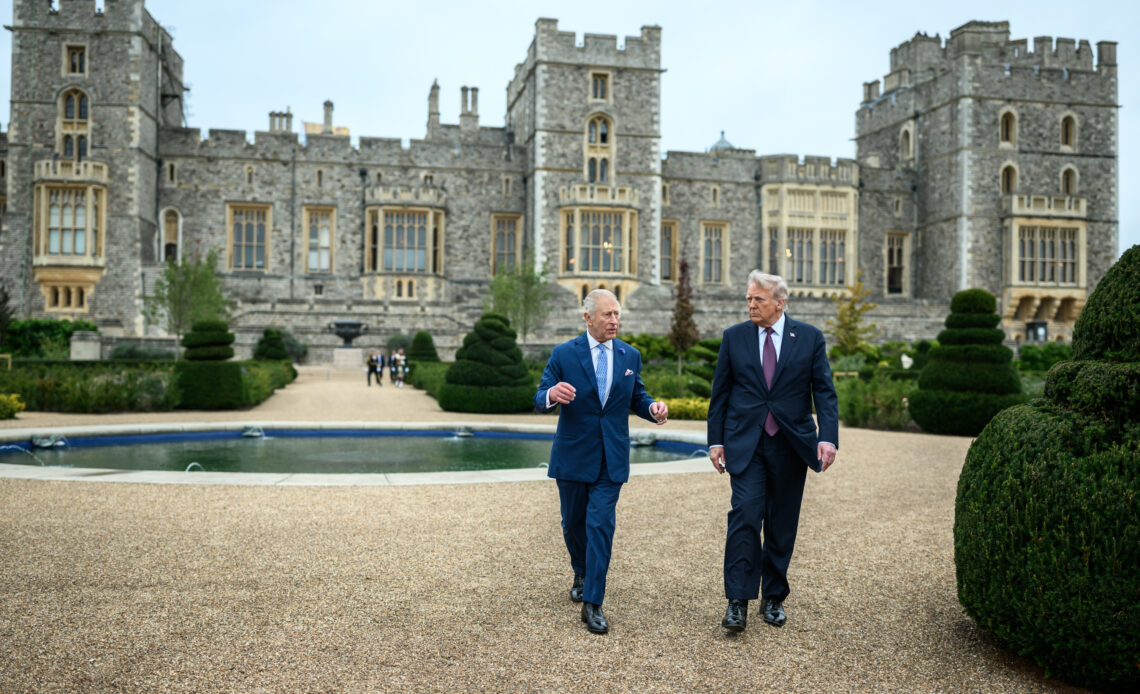
In the subsequent days, Downing Street ultimately granted authorisation for the use of British facilities to support what officials characterized as defensive operations. Since this pivotal decision, the United States has notably relied on key British bases, including RAF Fairford and Diego Garcia, to bolster its efforts aimed at countering perceived Iranian missile threats. The strategic significance of these bases was further highlighted over the weekend with the arrival of four US bombers at RAF Fairford, a deployment directly linked to these ongoing operational necessities.
Despite these public exchanges and moments of disagreement, essential diplomatic channels between the two governments have remained open and active. Prime Minister Starmer and President Trump engaged in a telephone conversation lasting approximately 20 minutes on Sunday. The discussion focused on the rapidly evolving situation in the Middle East and the critical cooperation between their respective armed forces in response to the unfolding crisis.
Downing Street has confirmed that during this call, the Prime Minister also conveyed condolences on behalf of the United Kingdom following the tragic deaths of six American servicemen. Both leaders reportedly agreed to maintain close and continuous communication as the crisis continues to develop, emphasizing a shared commitment to managing the situation collaboratively.
Prime Minister Starmer has, in his public statements, defended his initial reluctance to authorise the immediate strikes. He has articulated that permitting such actions without further deliberation could have potentially raised significant questions regarding compliance with international law, a principle that forms a fundamental aspect of UK foreign policy and its commitment to global order.
Broader Implications and Future Considerations
The current climate raises important questions about the future of royal diplomacy and its perceived effectiveness in an increasingly complex and often contentious international landscape. The potential for a state visit to be overshadowed by political controversy or to be seen as a tacit endorsement of contentious policies could undermine the symbolic power and diplomatic neutrality that the monarchy typically represents.
The Foreign Secretary, Yvette Cooper, has sought to reassure the public and international partners by stressing that ministers are committed to avoiding inflammatory language as the situation unfolds. She has insisted that the government’s focus remains squarely on making measured, evidence-based decisions rather than engaging in escalating rhetoric. This approach underscores a desire to de-escalate tensions and to promote a stable and predictable international environment.
The YouGov poll, with its stark finding that a majority now favour cancelling the visit, provides a clear indicator of public sentiment. It suggests that for a state visit to be perceived as successful and beneficial, it must align not only with diplomatic objectives but also with the prevailing public mood and the complex realities of the international stage. The British public appears to be increasingly discerning about the timing and context of such significant royal engagements, particularly when they occur against a backdrop of international conflict and political disagreement. The government and the Royal Household will undoubtedly need to carefully consider these findings as they navigate the diplomatic path forward.

 Yuyun Lusiyani
 Joko Widodo
 Jia Lissa
 Pevita Pearce
 admin
admin