
 Eva Lovia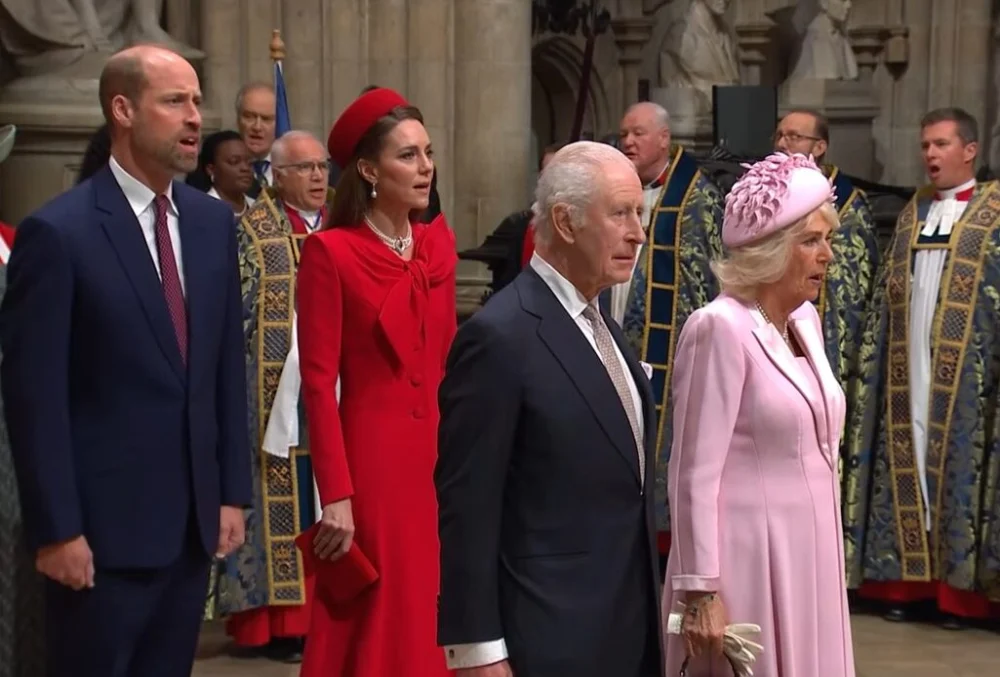
The recent appearance of His Serene Highness Prince Albert II of Monaco at the annual Commonwealth Day service in London has ignited a quiet buzz within royal and diplomatic circles, prompting questions about the future of the principality’s relationship with the esteemed international organisation. Prince Albert’s attendance, a rare and notable exception for a non-Commonwealth head of state, alongside King Charles III and other senior members of the British Royal Family at Westminster Abbey, has led to speculation about potential future engagement, however distant, between Monaco and the 56-nation Commonwealth.
A Symbolic Gathering and an Unexpected Guest
The Commonwealth Day service, held annually in March, is a cornerstone of the royal calendar, symbolising the shared values, history, and aspirations of its member states. Chaired by King Charles III, the organisation’s Head, the service celebrates the interconnectedness and cooperation that binds nations stretching across the globe, from the Caribbean to the Pacific, Africa to Europe. Traditionally, the event is attended by representatives from the 56 member nations, alongside members of the British Royal Family and distinguished guests from various spheres of public life.
Prince Albert II, 67, a respected figure on the international stage known for his commitment to environmental causes, was a distinct presence amidst the familiar faces of the Commonwealth’s leadership. While foreign dignitaries are routinely invited to significant royal occasions, the invitation and subsequent attendance of a non-Commonwealth head of state at the Commonwealth Day service itself is an unusual occurrence. This deviation from precedent has naturally led observers to ponder the significance of his presence and what it might portend for Monaco’s diplomatic landscape.
Decades of Friendship: The Albert-Charles Connection
The roots of Prince Albert’s presence in London for this significant occasion can be traced back to a long-standing personal friendship with King Charles III. The two royals have known each other for decades, their paths frequently crossing at international summits, environmental conferences, and other high-profile gatherings. Both have demonstrated a shared passion for environmental stewardship, with Prince Albert being a particularly vocal advocate for ocean conservation and climate action through his Prince Albert II Foundation.
Their relationship dates back to their youth, when they were often seen together at European royal events as two of the continent’s most prominent unmarried heirs. This enduring personal rapport likely played a crucial role in extending the invitation to Prince Albert for the Commonwealth Day service, underscoring the organisation’s emphasis on personal connections and diplomatic goodwill. It is a testament to the King’s inclusive approach and his desire to foster dialogue beyond the traditional membership of the Commonwealth.
Monaco: A Microstate with Global Ambitions
Monaco, a glamorous Mediterranean principality with a population of approximately 39,000 residents, has never historically been a member of the Commonwealth, nor does it possess direct constitutional ties to the United Kingdom. The Commonwealth itself, with its origins rooted in the former British Empire, has evolved considerably over the decades. In recent times, its membership has expanded to include nations with no historical colonial link to Britain, such as Mozambique and Rwanda, demonstrating a broader, more inclusive definition of shared values and cooperative endeavour.
Despite this evolution, there has been no overt indication from the Monegasque government that it is considering an application for Commonwealth membership. Monaco maintains particularly close and extensive political and economic ties with France, its larger neighbour, and its foreign policy is largely aligned with that of Paris. These strong existing relationships likely shape its current international orientation, making a formal shift towards Commonwealth membership a complex proposition.
The Evolving Nature of the Commonwealth
Prince Albert’s attendance, therefore, is widely interpreted as a symbolic gesture, reflecting the strength of personal relationships and a commitment to diplomatic engagement rather than any immediate intent to alter Monaco’s formal international alignment. However, his presence serves as a powerful reminder of the Commonwealth’s expanding influence and its evolving role as a forum that increasingly transcends its historical boundaries.
The Commonwealth Day service itself has become a significant platform for King Charles III, who has placed a strong emphasis on the organisation’s capacity to foster cooperation, particularly in addressing pressing global challenges such as climate change and economic development. The annual service is a vibrant tapestry of cultures and perspectives, bringing together political leaders, diplomats, representatives from civil society, and figures from the arts and sciences, all united by a shared commitment to the Commonwealth’s charter.
A Glimpse into Future Diplomatic Engagement
While formal membership for Monaco may not be on the immediate horizon, Prince Albert’s participation in the Commonwealth Day service opens a door to a potentially deeper and more multifaceted diplomatic engagement. The principality, with its unique position and international standing, could find valuable avenues for collaboration within the Commonwealth framework, particularly in areas of shared interest such as environmental protection, sustainable development, and maritime security.
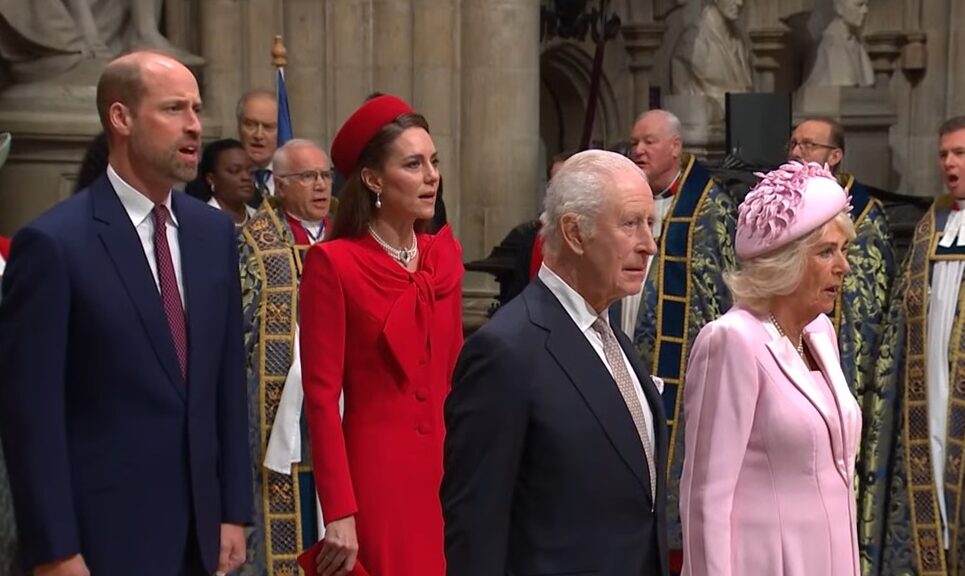
The image of the Sovereign of Monaco seated among representatives of the Commonwealth’s member states at Westminster Abbey is more than just a photo opportunity. It is a visual representation of an organisation that, like the relationships between the nations and individuals it connects, is in a constant state of evolution. It suggests a future where diplomatic interactions are increasingly fluid, driven by shared interests and personal connections, and where even the smallest of states can play a role in global dialogues.
Supporting Data and Context:
- Commonwealth Membership: As of 2024, the Commonwealth comprises 56 member states. Membership is voluntary and based on shared values such as democracy, human rights, and the rule of law.
- Historical Expansion: While many Commonwealth nations are former British colonies, the organisation has actively sought to broaden its appeal. Mozambique, which joined in 1995, was a former Portuguese colony, and Rwanda, which joined in 2009, was a Belgian mandate. These inclusions highlight the Commonwealth’s shift towards inclusivity based on shared principles rather than historical ties.
- Prince Albert II’s Environmental Advocacy: Prince Albert II is a prominent figure in global environmental efforts. His foundation, established in 2006, has supported numerous projects focused on climate change, biodiversity, and sustainable development. This aligns directly with King Charles III’s own long-standing environmental advocacy and the Commonwealth’s increasing focus on these issues.
- Monaco’s International Standing: Despite its small size, Monaco is a sovereign principality with a significant international presence, particularly in areas of finance, tourism, and diplomacy. It is a member of the United Nations and numerous other international organisations.
- The Commonwealth Day Service: The service has been held since 1972 and is a key event in celebrating the Commonwealth’s diversity and achievements. It typically features performances, readings, and addresses from prominent figures. The 2025 service, attended by Prince Albert, would have followed this established tradition, but with the added element of his presence.
Broader Implications for Diplomatic Relations
Prince Albert’s attendance at the Commonwealth Day service, while not indicative of an immediate membership bid, signifies a positive development in diplomatic outreach and could pave the way for future collaborative initiatives. It underscores the Commonwealth’s attractiveness as a platform for dialogue and cooperation, even for nations outside its formal membership.
For the Commonwealth, such engagements highlight its enduring relevance in a multipolar world and its capacity to adapt and expand its network of influence. It demonstrates that the organisation is not solely defined by its historical past but is actively shaping its future by fostering relationships based on mutual respect and shared objectives. The event serves as a potent reminder that international relations are increasingly multifaceted, built on a foundation of personal diplomacy, shared values, and a collective vision for a more sustainable and cooperative global future. The subtle intrigue surrounding Monaco’s presence suggests that the Commonwealth, under King Charles III’s leadership, continues to be a dynamic and evolving entity, capable of attracting interest and fostering partnerships far beyond its traditional confines.


 Jia Lissa
 Yuyun Lusiyani
 Joko Widodo

 Pevita Pearce