
 admin
admin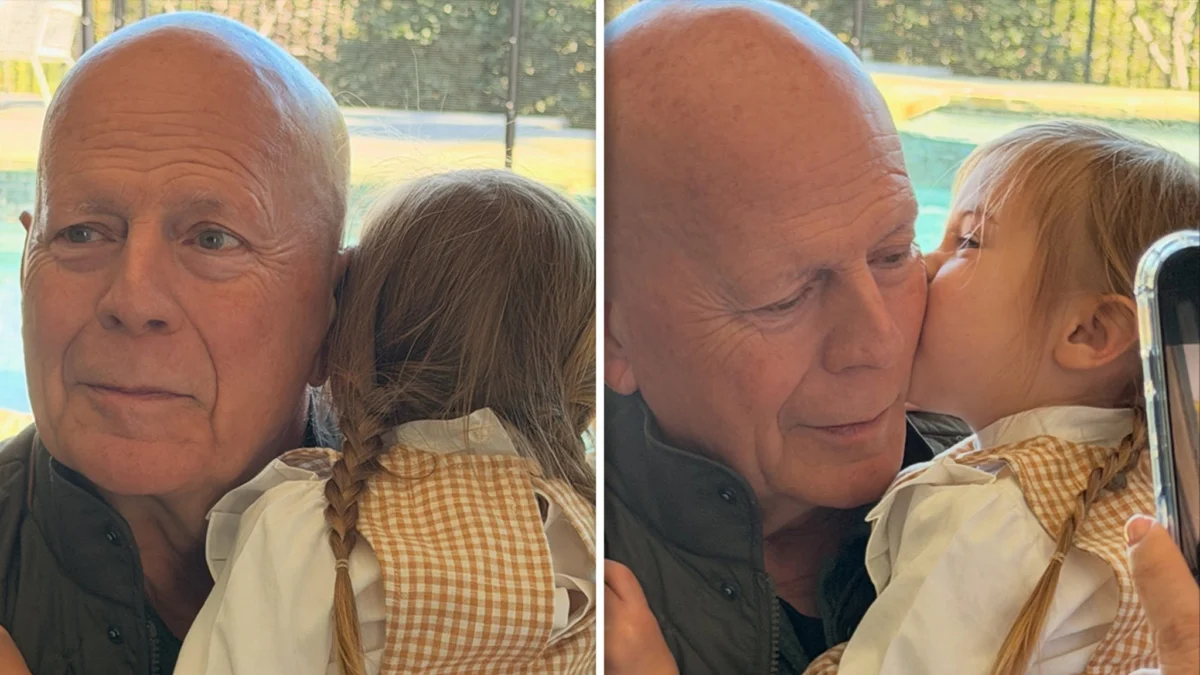
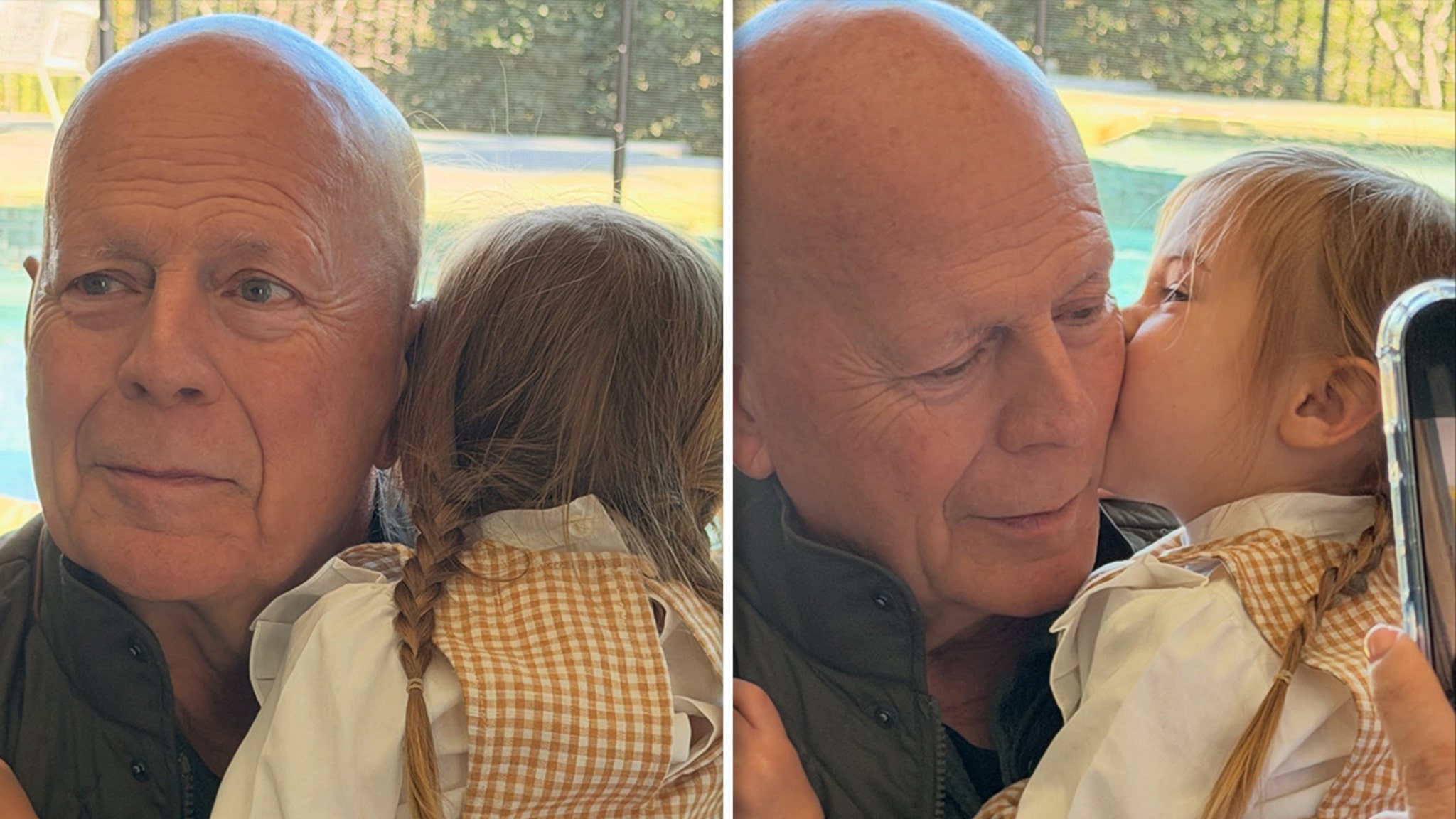
The enduring power of family love was prominently displayed on Thursday, March 20, 2026, as Hollywood icon Bruce Willis celebrated his 71st birthday. The milestone occasion was marked by a particularly poignant tribute from his former wife, Demi Moore, who shared heartwarming images on social media depicting Willis enjoying precious moments with his nearly three-year-old granddaughter, Louetta. These intimate glimpses into the actor’s life, especially amidst his ongoing battle with frontotemporal dementia (FTD), underscored the profound connections that sustain him and offered a touching narrative of intergenerational affection.
A Family United in Love and Support
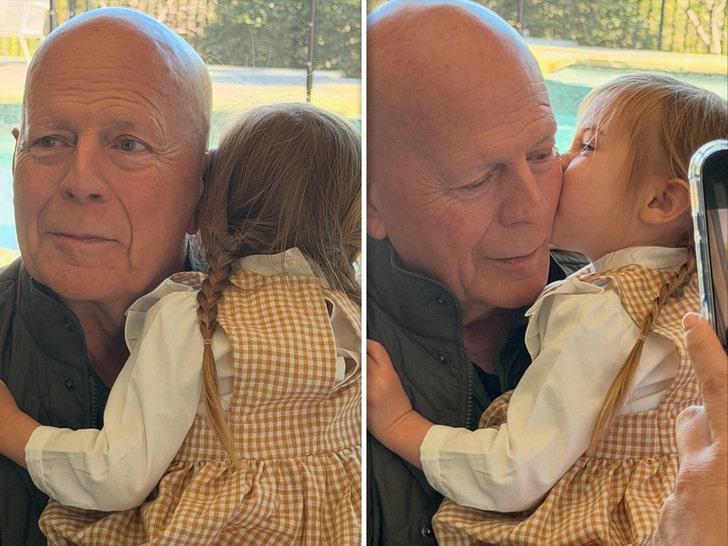
Demi Moore’s Instagram post resonated deeply with fans and the wider public, showcasing a series of tender interactions between Willis and Louetta. In two of the shared photographs, the celebrated actor is seen embracing his granddaughter, who reciprocates with a sweet kiss on his cheek. Another image captures a four-generational moment, with Willis and Louetta sharing a kiss while being surrounded by Moore and their eldest daughter, Rumer Willis, Louetta’s mother. A fourth photo portrays Willis holding Louetta close to his chest, radiating warmth and affection. Moore’s accompanying caption, "All you need is LOVE. Happy birthday, BW! ❤️," succinctly encapsulated the sentiment of the day, emphasizing the vital role of love and family unity in their lives.
This public display of affection is a testament to the remarkable bond maintained by the Willis-Moore family, which has consistently presented a united front since the announcement of Willis’s health challenges. Their collaborative approach to caregiving and public awareness has transformed a private struggle into a powerful message of support and resilience.
Bruce Willis: A Storied Career and Unforeseen Health Journey
Bruce Willis’s journey to becoming a global cinematic figure is a testament to his versatile talent and enduring appeal. Born on March 19, 1955, in Idar-Oberstein, West Germany, Willis moved to the United States as a child and eventually pursued an acting career. He first gained widespread recognition in the mid-1980s with the television series Moonlighting, where his charming rogue persona captivated audiences. However, it was his iconic role as John McClane in the 1988 action film Die Hard that cemented his status as a bona fide movie star, redefining the action hero archetype with a blend of grit, wit, and vulnerability.
Throughout the 1990s and 2000s, Willis starred in a string of critically acclaimed and commercially successful films across various genres, including Pulp Fiction, The Fifth Element, Armageddon, The Sixth Sense, and Unbreakable. His career, spanning over four decades, earned him numerous accolades and a reputation as one of Hollywood’s most bankable and beloved actors. His distinctive voice, often employed in voice acting roles, and his signature smirk became synonymous with a particular brand of cool, making him a household name worldwide.
The revelation of Willis’s health struggles began in March 2022 when his family announced he would be stepping away from acting due to a diagnosis of aphasia, a condition affecting language and communication abilities. The initial announcement was met with an outpouring of support from fans and colleagues globally. However, in February 2023, the family provided a more specific and severe update, confirming that his condition had progressed to frontotemporal dementia (FTD). This diagnosis offered a clearer understanding of the challenges he was facing and underscored the progressive nature of his neurological decline.
Understanding Frontotemporal Dementia (FTD)
Frontotemporal dementia (FTD) represents a group of disorders caused by progressive nerve cell loss in the brain’s frontal and temporal lobes. These areas are generally associated with personality, behavior, and language. Unlike Alzheimer’s disease, which primarily affects memory, FTD often manifests initially through changes in personality, behavior, and language capabilities. Symptoms can include significant alterations in social conduct, emotional blunting, loss of empathy, compulsive behaviors, and difficulties with speech (aphasia) or comprehension.
The progression of FTD varies among individuals, but it typically leads to a gradual decline in cognitive and physical function. There is currently no cure for FTD, and treatments focus primarily on managing symptoms and providing supportive care. The condition presents immense challenges not only for the individual diagnosed but also for their families and caregivers, who often witness profound changes in their loved one’s personality and abilities. Raising awareness about FTD is crucial for early diagnosis, access to support services, and funding for research into potential treatments.
The Willis family’s transparency about Bruce’s diagnosis has played a significant role in increasing public understanding and destigmatization of FTD. By sharing their personal journey, they have provided a relatable face to a complex and often misunderstood neurological disorder, encouraging empathy and fostering a broader conversation about brain health.
The Power of Family Bonds: A Modern Blueprint
The relationship between Bruce Willis and Demi Moore, who were married in 1987 and divorced in 2000, has long been a model of amicable co-parenting and enduring friendship in Hollywood. Despite their separation, they remained close, raising their three daughters—Rumer, 37; Scout, 34; and Tallulah, 32—together. This strong foundation of mutual respect and affection became even more evident following Willis’s diagnosis. Moore, alongside Willis’s current wife, Emma Heming Willis, and their two daughters, Mabel Ray and Evelyn Penn, has been an integral part of his caregiving network.
This blended family approach to supporting Bruce highlights a modern interpretation of familial bonds, demonstrating that love and commitment can transcend traditional structures. Their collective effort to provide comfort, care, and stability for Willis has garnered widespread admiration and serves as an inspiring example of unconditional love in challenging times. The shared moments with Louetta, Rumer’s daughter, further emphasize the continuity of this love across generations, offering solace and joy in the face of adversity.
Rumer Willis, who welcomed Louetta into the world in April 2023 with her ex-boyfriend Derek Richard Thomas, has frequently shared glimpses of her father’s interaction with his granddaughter. These posts consistently depict a loving and engaged grandfather, finding joy in the simple, profound moments of family life. The arrival of Louetta has brought a new dimension of happiness and purpose to the family, especially during a period marked by significant health challenges.
Daughters’ Tributes and Public Reaction
Beyond Demi Moore’s touching post, Bruce Willis’s daughters also took to social media to celebrate their father’s birthday. Rumer Willis, in particular, posted a series of images capturing some of her father’s most iconic acting roles, accompanied by a heartfelt message: "Happy Birthday Daddio, I wanted to think about you today. Dancing around, being your undeniably charming self. I love you so much." This tribute beautifully intertwined his legendary career with his cherished personal qualities, reflecting the pride and love his children hold for him.
The public reaction to these birthday tributes was overwhelmingly positive, with millions of likes and comments pouring in from fans, fellow celebrities, and well-wishers worldwide. Messages of love, support, and appreciation for Bruce Willis flooded social media platforms, underscoring his lasting impact on popular culture and the profound connection he shares with his audience. Many comments also praised the family’s strength and openness, acknowledging the courage it takes to navigate such personal challenges in the public eye.
The engagement generated by these posts also served to further elevate awareness about FTD. Each share and comment contributed to a broader conversation, bringing visibility to a condition that often receives less attention than other forms of dementia. This indirect advocacy, stemming from personal expressions of love, represents a significant positive externality of the family’s public sharing.
Broader Implications: Advocacy and Destigmatization
The Willis family’s decision to openly discuss Bruce’s FTD diagnosis has had far-reaching implications beyond their immediate circle. It has transformed their personal struggle into a powerful platform for advocacy and destigmatization. When a figure of Bruce Willis’s stature, a global icon known for his strength and charisma, shares such a vulnerable personal journey, it humanizes the condition and encourages a more empathetic societal response.
This public transparency helps to break down the stigma often associated with neurodegenerative diseases, making it easier for other families to discuss similar diagnoses, seek support, and access necessary resources. It also catalyzes increased public and scientific interest in FTD, potentially leading to greater funding for research and improved diagnostic and therapeutic approaches. The family’s consistent communication, whether through direct announcements or heartwarming social media posts, ensures that Bruce Willis’s legacy will not only be defined by his cinematic achievements but also by his inadvertent role in raising awareness for a critical health issue.
As Bruce Willis marks his 71st year, surrounded by the profound love of his family, the narrative extends beyond a simple birthday celebration. It becomes a testament to the enduring human spirit, the unbreakable bonds of family, and the power of open communication in the face of adversity. His life, both on and off screen, continues to inspire, reminding us all of the importance of love, connection, and compassion, especially when facing life’s most challenging chapters. The images of him with his granddaughter, Louetta, serve as a potent symbol of hope and the beautiful continuity of life’s most precious relationships.


 Jia Lissa
 Yuyun Lusiyani
 Joko Widodo
 Eva Lovia

 Pevita Pearce