
 Eva Lovia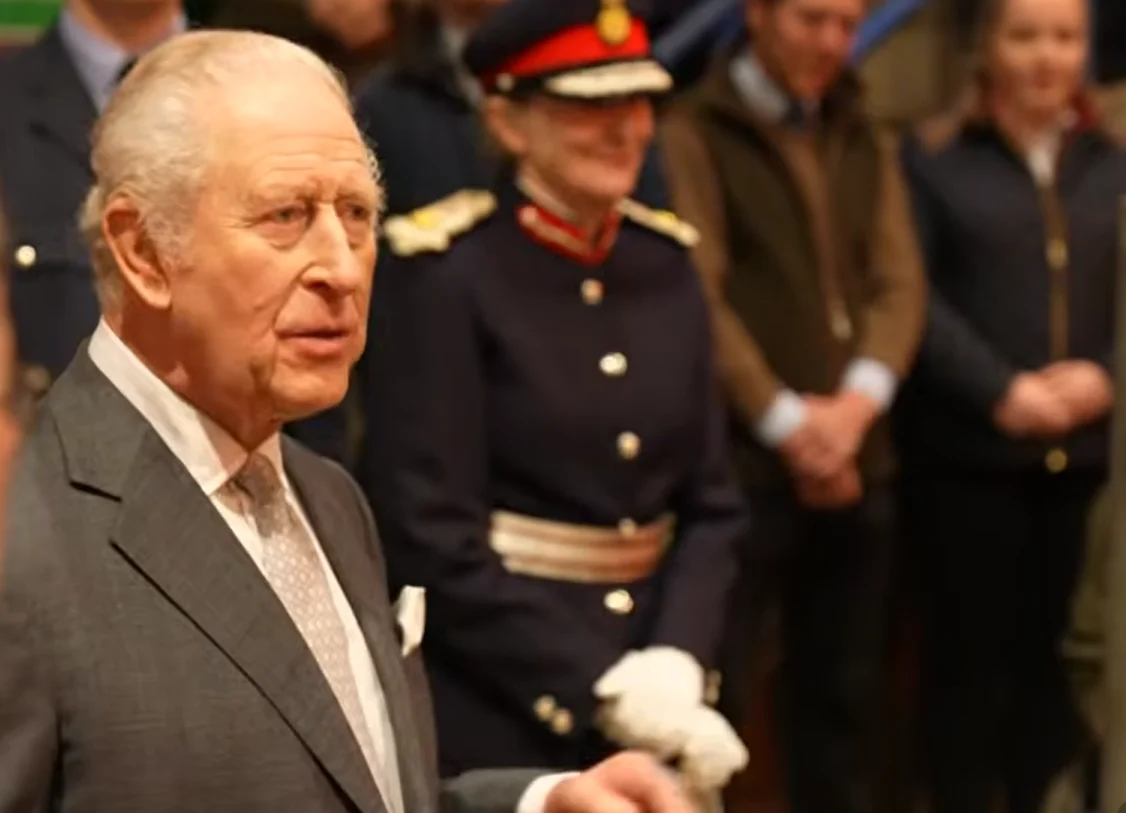
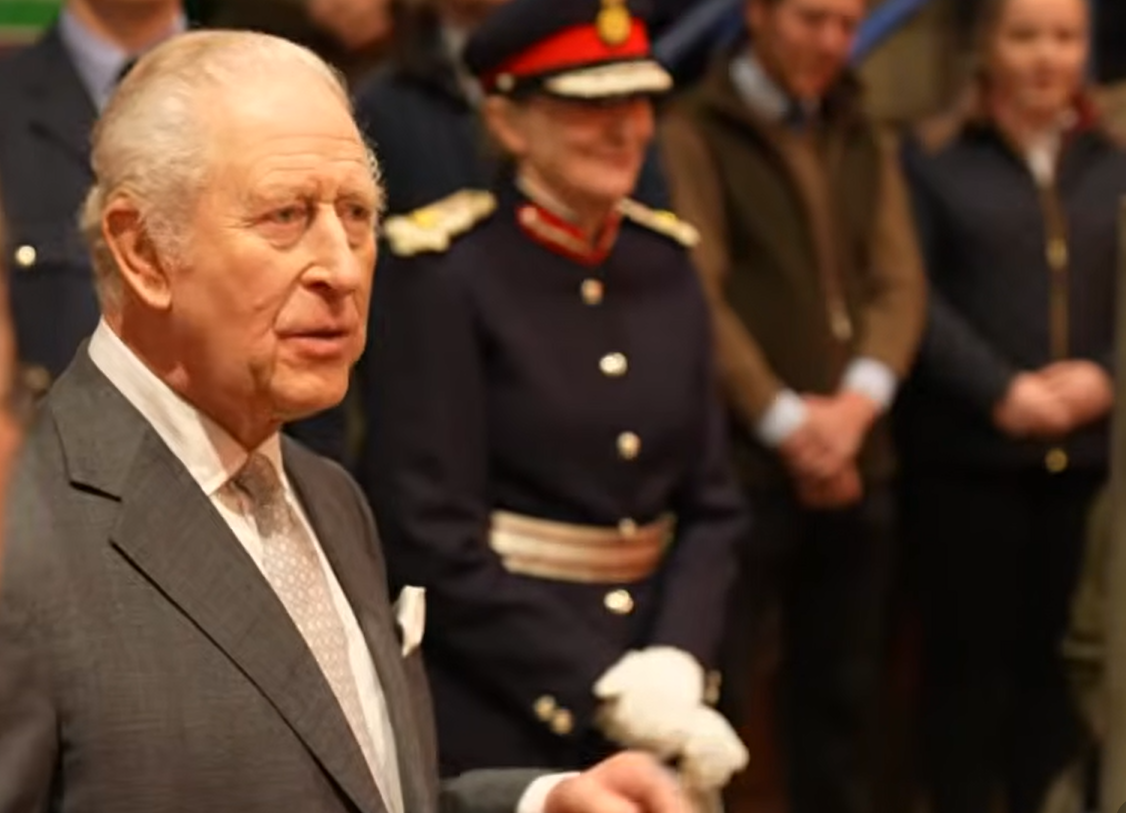
Canada’s Prime Minister, Mark Carney, has been received at Buckingham Palace for a significant meeting with His Majesty King Charles III, a diplomatic engagement occurring mere days after Prime Minister Carney publicly advocated for the removal of Andrew Mountbatten-Windsor from the royal line of succession. This high-profile visit underscores the international attention and growing pressure surrounding the former prince’s constitutional position.
Prime Minister Carney, who assumed office in 2025 and subsequently secured a decisive victory in a general election, engaged in discussions with King Charles at the Palace. The meeting takes place against the backdrop of an intensifying debate concerning Prince Andrew’s continued presence in the line of succession, a matter that has prompted considerable scrutiny and international comment.
The Crown’s actions concerning Prince Andrew have been significant. King Charles has previously stripped his younger brother of his royal titles and honours. Furthermore, Prince Andrew has relocated to a residence on the Sandringham estate, having relinquished the lease on Royal Lodge, a substantial 30-room mansion situated on the Windsor estate. Despite these demotions and lifestyle changes, Prince Andrew remains eighth in the line of succession to the British throne. His removal from this constitutional order is not a matter that can be unilaterally decided by the monarch. It requires an Act of Parliament, a legislative process that must gain the unanimous consent of all fifteen Commonwealth realms where King Charles III serves as Head of State.
Prime Minister Carney’s intervention has lent considerable momentum to the possibility of Prince Andrew’s removal from the succession. In recent public remarks to reporters, Mr. Carney described the actions of Andrew Mountbatten-Windsor as "deplorable," asserting that these warranted his exclusion from the line of succession. This stance from a prominent Commonwealth leader signifies a growing consensus among some international partners regarding the implications of Prince Andrew’s past associations.
The controversy surrounding Prince Andrew has been largely driven by his documented friendship with the late Jeffrey Epstein, a convicted sex offender. While Prince Andrew has consistently denied any wrongdoing in relation to Epstein’s criminal activities, the association has cast a long shadow over his public image and, consequently, his constitutional standing. The gravity of these allegations has prompted a re-evaluation of his suitability to potentially act as a future Head of State, even in a ceremonial capacity.
Further compounding the situation, in February 2026, Prince Andrew was arrested at his newly established residence in Norfolk. The arrest was conducted by officers investigating allegations of misconduct in public office. He was subsequently released pending further investigation. This legal development has intensified the pressure on the monarchy and the governments of the Commonwealth realms to address the ongoing succession issue.
Prime Minister Carney’s meeting with King Charles occurred during a visit to the United Kingdom that also included engagements at Downing Street. This dual focus on the Palace and the seat of government highlights the interconnectedness of constitutional matters and political diplomacy.
Mr. Carney is not the first Commonwealth Prime Minister to express support for Prince Andrew’s removal from the line of succession. In February of the same year, Antony Albanese, the Prime Minister of Australia, communicated with Sir Keir Starmer, indicating that his government would not oppose any legislative proposals aimed at removing the former prince from the line to the throne. Prime Minister Albanese stated, "These are grave allegations and Australians take them seriously." This indicates a shared concern among Commonwealth nations regarding the ethical and reputational implications of the current situation.
Similarly, the Prime Minister of New Zealand, Christopher Luxon, has also publicly voiced his backing for such a move. He commented, "Should the UK government decide to remove him from the line of succession, that is something we would support." These consistent endorsements from leaders of Australia and New Zealand suggest a united front among key Commonwealth realms on this sensitive issue.
The Mechanics of Succession and Counsellors of State
Currently, Prince Andrew stands seventh in line to the throne, with seven individuals preceding him. Despite this position, he remains senior enough to be designated as a Counsellor of State. Counsellors of State are individuals empowered to undertake some of the King’s constitutional duties if the monarch is unable to do so, for instance, during illness or absence abroad.
The Regency Act of 1937 outlines the framework for Counsellors of State. The first four adults in the line of succession are eligible for this role, with at least two required to act jointly. Following his accession, King Charles III requested Parliament to expand the roster of Counsellors of State to include Prince Edward and Princess Anne. This augmentation, which was approved by Parliament, has significantly reduced the likelihood of Prince Andrew being called upon to exercise these duties, as there are now other senior royals available and arguably more suitable.
The Regency Act also addresses the more profound scenario of a permanent regency, which would be required if a monarch were permanently incapacitated or under the age of 18. In such an event, the role of regent would fall to the next eligible adult in the line of succession. For King Charles, this would be Prince William. However, should Prince William ascend to the throne and subsequently require a regent, or if any of his children were to succeed to the throne before reaching the age of 18, the regency would then pass to Prince Harry. The Act’s provisions also consider residency within the UK. If Prince Harry’s current residence in the United States were to present a legal impediment to his role as regent, the next in line for this significant constitutional responsibility would be Prince Andrew Mountbatten-Windsor. This specific contingency highlights the complex and sometimes unintended consequences of the established legal framework.
Historical Context and Precedents
The issue of royal succession and the potential removal of individuals from it is not without historical precedent, although direct parallels to the current situation are rare. Historically, succession has been determined by primogeniture (male-preference in the UK until recent reforms) and legitimacy. The idea of actively removing an individual from the line of succession due to personal conduct or association is a more modern consideration, reflecting evolving societal expectations and the increased scrutiny of public figures, particularly those within the royal family.
The precedent of stripping royal titles, as seen with Prince Andrew, has occurred before, though often in more distant historical contexts. The current situation is uniquely amplified by the global reach of media and the interconnectedness of Commonwealth realms, making any internal royal matter a subject of international discussion and potential diplomatic engagement.
The legal pathway for removing Prince Andrew from the succession, as stipulated by the Regency Act, necessitates parliamentary action and the agreement of all Commonwealth realms. This multi-jurisdictional requirement underscores the unique constitutional relationship between the United Kingdom and its sister kingdoms. Any such legislative process would likely be lengthy and complex, requiring extensive consultation and consensus-building.
Broader Implications and Analysis
The ongoing debate surrounding Prince Andrew’s position in the line of succession has significant implications for the British monarchy. It highlights the challenge of balancing tradition with modern expectations of accountability and ethical conduct. The monarchy, as an institution, relies heavily on public trust and perceived moral authority. Allegations and associations that undermine this trust can have a corrosive effect.
The active involvement of Commonwealth Prime Ministers in this discussion signals a potential shift in the dynamics of the modern Commonwealth. It suggests that the sovereign’s role is not merely symbolic but carries real constitutional weight, and that the actions of the monarch’s family can have international repercussions. This level of engagement could lead to a more collaborative approach to constitutional matters involving the Crown in the future.
Furthermore, the potential for Prince Andrew to act as a Counsellor of State, or even a regent under specific, albeit unlikely, circumstances, raises questions about the robustness of the succession laws. While the expanded list of Counsellors of State mitigates immediate risks, the underlying legal framework remains. The fact that an individual facing such severe public criticism and legal scrutiny could theoretically be called upon to perform constitutional duties underscores the need for a comprehensive review of the Regency Act and its application in contemporary times.
The narrative surrounding Prince Andrew serves as a stark reminder of the personal conduct’s impact on public institutions. As the monarchy navigates these complex challenges, its ability to adapt and respond to evolving societal norms will be crucial to its continued relevance and public acceptance. The coming months and years will likely see continued pressure on the UK government and Parliament to address the constitutional anomaly of Prince Andrew’s continued place in the line of succession, with the eyes of the Commonwealth and the world watching.


 Yuyun Lusiyani
 Joko Widodo
 Jia Lissa
 Pevita Pearce
 admin
admin