
 Eva Lovia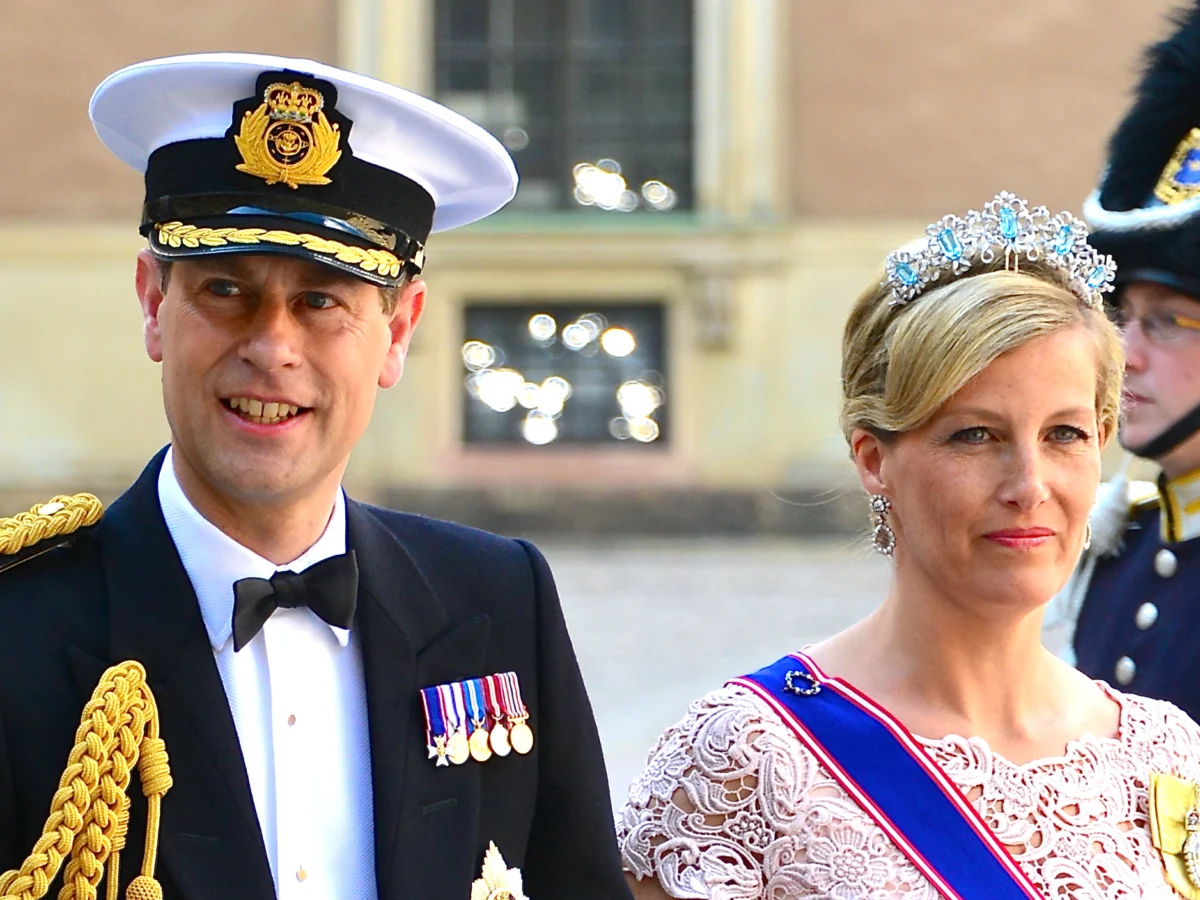
Aquamarines, often perceived as understated gems, hold a rich and storied past within royal collections, particularly as the birthstone of March. Far from being overlooked, these captivating blue gemstones have adorned some of the most significant royal figures throughout history, featuring prominently in breathtaking pieces that continue to be cherished and worn by contemporary queens and princesses. The British Royal Family, in particular, possesses a remarkable array of aquamarine jewels, including several striking tiaras and deeply sentimental brooches, underscoring the gem’s enduring appeal and historical significance.
A Tapestry of Royal Aquamarines: From Edwardian Elegance to Modern Statements
The rise of aquamarines as fashionable gemstones gained momentum in the late 19th and early 20th centuries. Their inherent clarity and cool, serene blue hues offered a refreshing alternative to the more traditional deep reds of rubies and the intense greens of emeralds. In the realm of tiara design, aquamarines provided a lighter, more contemporary aesthetic, allowing for intricate and delicate settings that captured the era’s evolving tastes. This shift is vividly embodied in the Aquamarine Ribbon Tiara, a piece that expertly blends Edwardian lightness with a dynamic, flowing design, eschewing strict symmetry for a motif that suggests movement and grace.
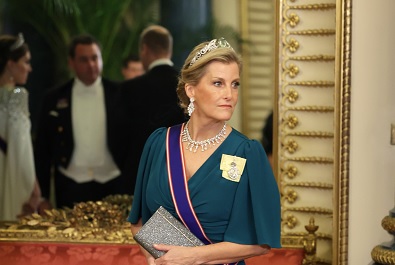
While this exquisite tiara has graced the heads of two reigning queens, its most prominent association in recent times has been with the Duchess of Edinburgh. Sophie, Countess of Wessex, has frequently chosen to wear this distinctive tiara, particularly during the 2010s when she and Prince Edward represented the Royal Family at numerous high-profile royal weddings. The tiara’s name is derived directly from its design: five substantial aquamarines are artfully arranged, enveloped by diamonds, all meticulously shaped to emulate the fluid lines of a ribbon. This particular piece has been observed on Queen Elizabeth II during a notable tour of Canada, where she paired it with a striking tasselled jacket, a memorable sartorial choice. More recently, in November 2024, Queen Camilla made a significant appearance wearing the Aquamarine Ribbon Tiara for the annual Diplomatic Reception, a choice that garnered considerable attention and surprise, as many had assumed the diadem had been allocated to other members of the Royal Family.
The Brazilian Aquamarine Parure: A Gift of State and Enduring Legacy
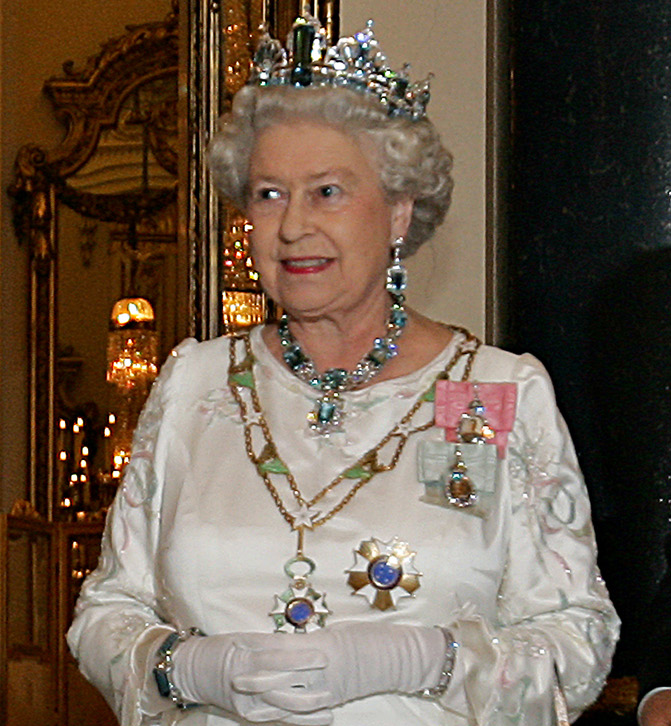
One of the most magnificent aquamarine ensembles in the Royal Collection is the Brazilian Aquamarine Parure, originally gifted to Queen Elizabeth II in 1953. This opulent set, comprising a necklace and matching pendant earrings, was a gesture of friendship from Brazil, a nation renowned for its rich gemstone deposits. The necklace itself is a masterpiece of craftsmanship, featuring nine large, oblong aquamarines intricately set within nine diamond scrolls. Each scroll is further enhanced by a larger, pear-shaped aquamarine drop, creating a cascade of cool blue light.
The Queen’s connection to this parure deepened when she later received an aquamarine and diamond hair ornament. Three years after receiving the initial gift, these exquisite stones were ingeniously incorporated into the creation of a large, commanding tiara. According to historian Leslie Fields, in her seminal work "The Queen’s Jewels," the tiara is described as featuring "four scroll-shaped motifs… positioned around the three upright oblong [aquamarines]… a collet aquamarine was placed on the tip of each of the seven vertical ornaments." This meticulous arrangement highlights the scale and grandeur of the piece, designed to be a statement of royal regalia.

Queen Elizabeth II frequently wore elements of the Brazilian Aquamarine Parure throughout her reign. The parure was not merely a collection of beautiful stones; it represented a significant diplomatic gift and became a symbol of her enduring connection to the Commonwealth. Its frequent appearance in public engagements underscored its importance within her personal jewellery collection and its role in diplomatic overtures. The parure’s adaptability is also noteworthy, with individual components often worn separately for different occasions, showcasing the versatility of its design.
Sentimental Treasures: The Aquamarine Clips and Their Personal Significance
Beyond the grand parures and tiaras, the Royal Family’s appreciation for aquamarines extends to more intimate, yet equally significant, pieces. In 1944, a pivotal year marked by the ongoing Second World War, King George VI and his wife, Queen Elizabeth (later the Queen Mother), presented their daughter, Princess Elizabeth, with a pair of aquamarine and diamond brooches. Known as the Aquamarine Clips, these two pieces, crafted by the esteemed jeweller Boucheron, are adorned with multiple aquamarines of various cuts and shapes.
The Aquamarine Clips are particularly notable for their mid-20th-century styling. They feature rectangular and oval step-cut aquamarines, meticulously set in platinum or white gold. These striking blue stones are often framed by delicate pavé diamonds, which serve to amplify the icy blue hue of the aquamarines and add a subtle sparkle. The design reflects the understated sophistication favoured by the King and Queen Mother – jewellery that was refined and elegant, rather than overtly ostentatious, yet perfectly suited for a princess undertaking public duties or participating in family celebrations.

Over the decades, these early clips evolved from mere decorative ornaments into deeply cherished heirlooms. They served as a tangible link between Princess Elizabeth’s youth and her burgeoning role as a future monarch. They were sometimes incorporated into larger aquamarine ensembles or worn individually for more private engagements, attesting to their versatility and personal significance. The provenance of the Aquamarine Clips – a heartfelt gift from her parents – imbues them with a profound layer of sentiment, seamlessly blending personal affection with the weight of royal tradition. Their enduring presence in royal circles speaks to their timeless design and the deep emotional connection they represent.
The Duchess of Edinburgh’s Affinity for Aquamarines
The Duchess of Edinburgh has cultivated a notable affinity for aquamarine jewellery, consistently choosing pieces that blend contemporary design with regal elegance. In addition to the aforementioned Aquamarine Ribbon Tiara, Sophie began wearing a striking and modern aquamarine and diamond tiara in the mid-2000s. This tiara, characterized by its distinctive wave design, is crowned by a large central oval aquamarine. Its innovative construction allows it to be ingeniously converted into a necklace, further enhancing its versatility and appeal. This dual functionality exemplifies a modern approach to royal jewellery, where pieces are designed to adapt to various occasions and styles. The Duchess’s consistent selection of aquamarine pieces highlights her discerning taste and her role in continuing the tradition of wearing these beautiful blue gemstones within the modern Royal Family. Her choices often reflect a balance between traditional craftsmanship and contemporary aesthetics, making her a notable figure in the ongoing narrative of royal aquamarine adornments.
Queen Camilla’s Contemporary Embrace of Royal Aquamarines
Queen Camilla has also embraced the rich heritage of aquamarine jewellery, most recently making a poignant choice for the Commonwealth Day service in March 2024. On this significant occasion, she wore a brooch that once belonged to the late Queen Elizabeth II, a piece imbued with both historical significance and personal meaning. The brooch is a striking composition featuring a large, central aquamarine set within an upside-down diamond heart. A second, heart-shaped aquamarine is suspended below, creating an elegant and emotionally resonant design. This selection by Queen Camilla not only highlights her appreciation for the Royal Collection’s treasures but also serves as a thoughtful tribute to her predecessor, continuing the legacy of aquamarine adornment within the highest echelons of the monarchy. The choice of this specific brooch for a prominent national event underscores its importance and its symbolic value, connecting the present reign to the past through the enduring beauty of aquamarine.
The Enduring Appeal and Broader Implications of Royal Aquamarines
The continued prominence of aquamarine jewellery within the Royal Family speaks volumes about the gemstone’s enduring appeal and its symbolic resonance. Historically, aquamarines have been associated with calmness, clarity, and hope, qualities that have long been admired and sought after in royal circles. Their cool, serene blue colour evokes images of the sea and sky, often symbolizing peace, tranquility, and communication. For a family that operates under intense public scrutiny, the choice of aquamarines can be interpreted as a subtle projection of these desirable attributes.
The presence of these exquisite pieces in the Royal Collection is not merely a matter of personal adornment; it reflects a broader narrative of diplomatic relations, family legacies, and evolving aesthetic sensibilities. The Brazilian Aquamarine Parure, a gift from a nation, symbolizes international ties and the soft power inherent in such exchanges. The Aquamarine Clips, a personal gift from parents to daughter, represent familial affection and the passing down of cherished heirlooms, connecting generations through shared history and treasured objects. The tiaras, with their intricate designs and historical associations, are potent symbols of monarchy and tradition, adapted and worn by contemporary royals to assert their presence and continuity.
The fact that these pieces, some dating back over a century, continue to be worn and admired by senior members of the Royal Family suggests their timeless design and inherent value. They are not relics of the past but living parts of the royal narrative, reinterpreted and presented for new eras. The way members of the Royal Family choose to wear these jewels—whether for state occasions, diplomatic receptions, or more personal family events—offers insights into their individual styles and their understanding of their roles. The ongoing visibility of aquamarine jewellery in royal contexts serves to reinforce its status as a sophisticated and meaningful choice, ensuring its continued appreciation and desirability for generations to come. The Royal Family’s enduring relationship with aquamarines is a testament to the gem’s inherent beauty, its rich historical tapestry, and its powerful symbolic language, which continues to resonate within the heart of the monarchy.



 Yuyun Lusiyani
 Joko Widodo
 Pevita Pearce
 admin
admin
 Lina Irawan