
 admin
admin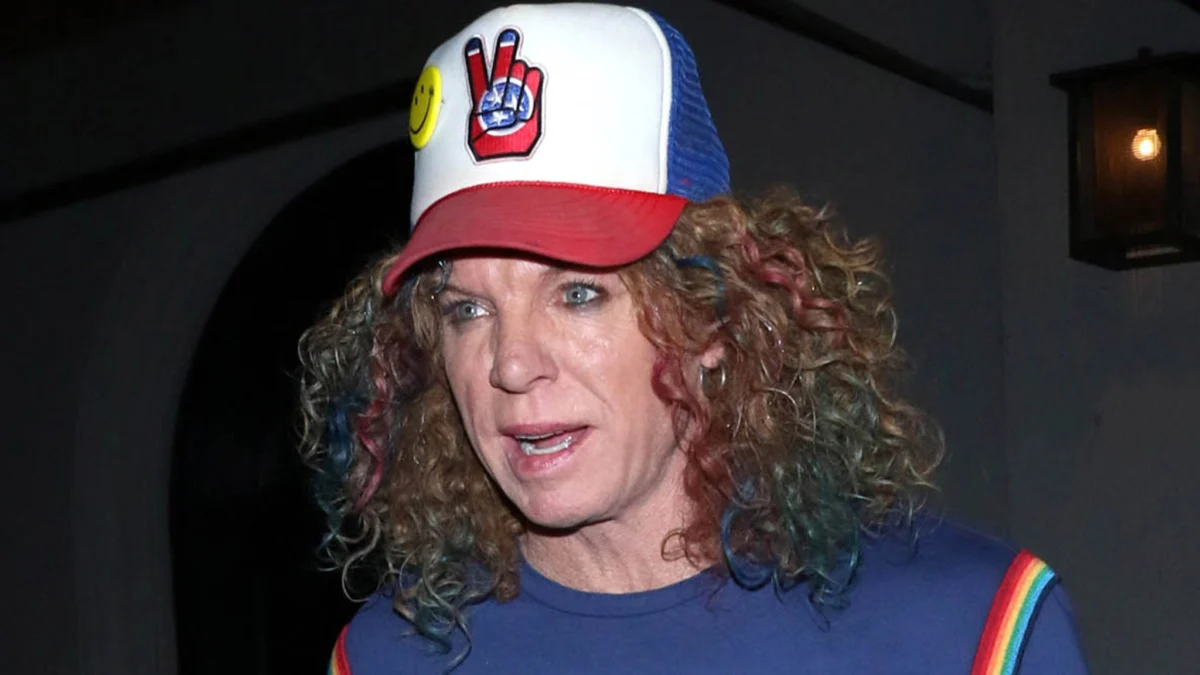
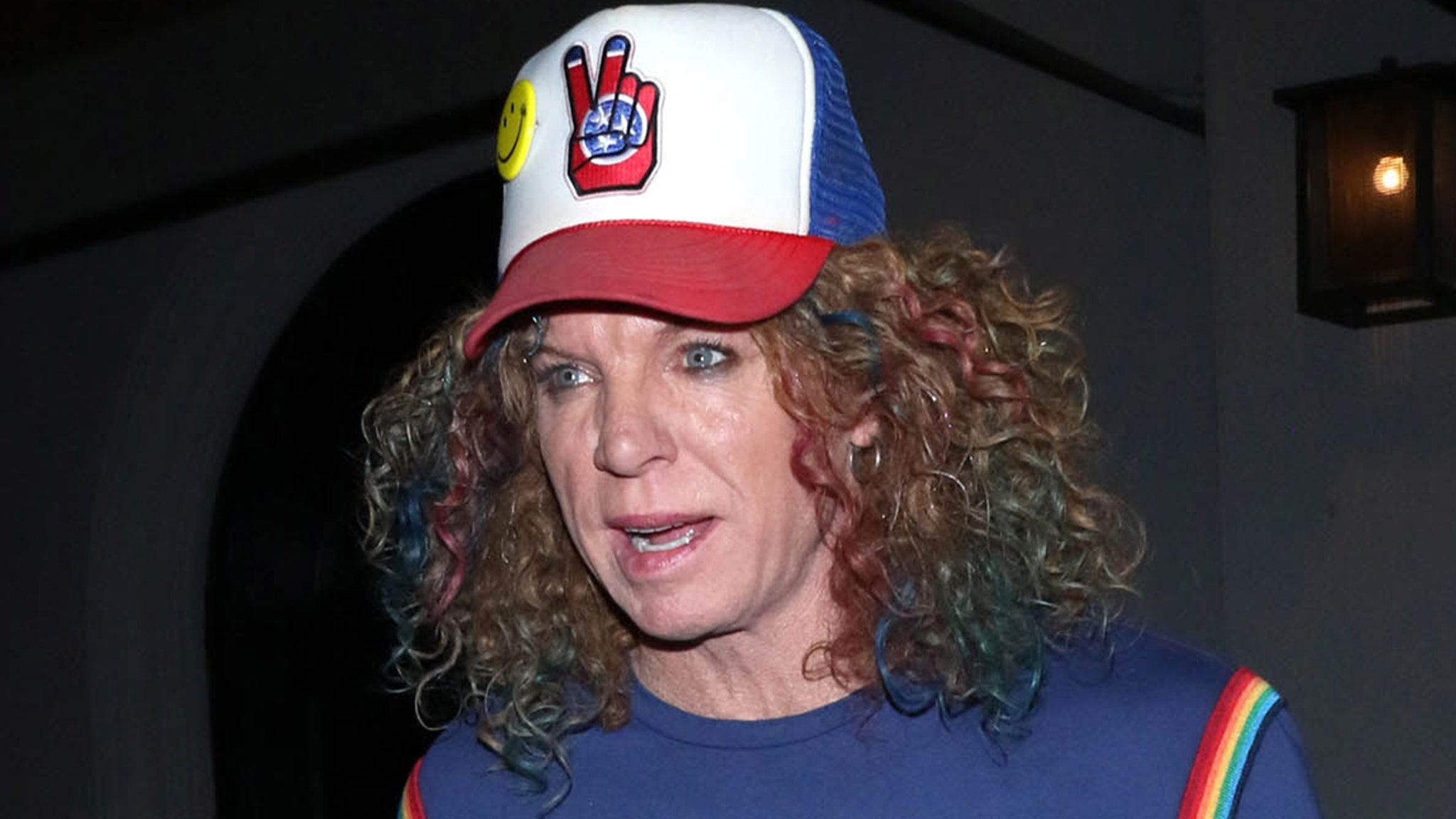
Veteran comedian Scott Thompson, universally recognized by his stage name Carrot Top, was hospitalized in Las Vegas on Friday, September 18, 2026, following an attempted suicide, sources familiar with the situation have confirmed to TMZ. The incident, which occurred in the Las Vegas area, prompted an immediate emergency response and the cancellation of his long-running show at the Luxor Hotel and Casino. Thompson, known for his distinctive shock of red hair, prop-laden comedy, and high-energy performances, is currently recovering under medical supervision.
The Event Unfolds: A Chronology of Concern
The distressing events of Friday began to surface late in the evening, leading to the abrupt cancellation of Carrot Top’s scheduled performance at the Luxor. While specific details surrounding the attempt remain private, the swift medical intervention underscored the gravity of the situation. Emergency services transported Thompson to a local medical facility, where he began receiving critical care. The news sent ripples of concern through the entertainment community and his dedicated fanbase, many of whom were anticipating his Friday night show, a staple of the Las Vegas Strip for nearly two decades. The cancellation notice, initially sparse on details, soon gave way to the somber revelation of the circumstances. His representative, Jami Schlicher, issued a statement later that evening, confirming the hospitalization and requesting privacy during this challenging time. "Mr. Thompson is recovering in the hospital and is receiving the care and support he needs," Schlicher stated. "His family and those closest to him are deeply grateful for the concern, prayers and respectfully ask for privacy." This statement, while brief, provided a crucial update on his condition and signaled the commencement of a recovery process.
Scott Thompson: Beyond the Props and Persona
To understand the profound impact of this news, it is essential to look beyond the vibrant stage persona of Carrot Top and consider the man behind the act, Scott Thompson. Born in Cocoa Beach, Florida, Thompson rose to prominence in the 1990s with his unique brand of prop comedy. His signature look, characterized by his bright red, often spiky hair, and an ever-evolving array of bizarre and ingenious props, quickly made him a recognizable figure in stand-up comedy. He captivated audiences with his rapid-fire delivery, physical humor, and the sheer unpredictability of his routines, often transforming mundane objects into uproarious comedic devices.
His career trajectory saw him transition from smaller clubs to national television appearances, including numerous late-night talk shows and a stint as the host of "Cartoon Planet" on Cartoon Network. He also ventured into film, appearing in movies like "Chairman of the Board." However, it was his eventual pivot to Las Vegas that cemented his status as a comedic institution. Las Vegas, a city synonymous with grand spectacles and enduring residencies, proved to be the perfect stage for Thompson’s larger-than-life act. His move to the entertainment capital of the world marked a significant chapter in his career, one that would see him perform thousands of shows and become an indelible part of the city’s cultural fabric.
A Vegas Icon’s Enduring Legacy: The Luxor Residency
Carrot Top’s residency at the Luxor Hotel and Casino is not merely a string of performances; it is a testament to his longevity, consistency, and unique appeal. Commencing in 2005, his show quickly became a cornerstone of the Luxor’s entertainment offerings, eventually earning the distinction of being the longest-running residency in Las Vegas. This achievement is particularly remarkable in an industry known for its transient nature and the constant ebb and flow of performers. Maintaining a residency for nearly two decades demands an extraordinary level of dedication, physical stamina, and mental fortitude.
The life of a Las Vegas headliner, while glamorous in appearance, is often characterized by a rigorous and demanding schedule. Performing multiple shows a week, often six nights out of seven, for months or even years on end, places immense pressure on an artist. The expectation to deliver a high-energy, flawless performance night after night, regardless of personal circumstances, can be incredibly taxing. For a performer like Carrot Top, whose act is inherently physical and requires constant engagement with an audience, the physical toll alone is considerable. Beyond the physical, there is the mental challenge of maintaining freshness, battling routine fatigue, and managing the isolation that can accompany a life lived largely on the road and in the spotlight. The repetitive nature of performing the same show, albeit with updates and improvisations, can also contribute to a unique form of professional burnout. This constant demand for peak performance, coupled with the inherent pressures of celebrity and the public eye, often creates a challenging environment for mental well-being, a reality frequently overlooked by those outside the industry.
The Invisible Struggles: Mental Health in the Spotlight
The hospitalization of Carrot Top casts a somber spotlight on a critical issue that pervades not only the entertainment industry but society at large: mental health. While public figures often project an image of success, resilience, and happiness, they are, like all individuals, susceptible to mental health challenges such as depression, anxiety, and suicidal ideation. The unique pressures of celebrity—constant scrutiny, the blurring of public and private lives, the need to maintain a persona, and the potential for professional instability—can exacerbate these issues.
Statistics underscore the widespread nature of mental health struggles. According to the Centers for Disease Control and Prevention (CDC), suicide is a leading cause of death in the United States, with millions of adults experiencing serious psychological distress annually. The entertainment industry, in particular, has seen numerous high-profile individuals grapple with and sometimes succumb to mental health crises. The "show must go on" mentality, deeply ingrained in the performance world, often discourages artists from acknowledging their struggles, fearing it might jeopardize their careers or public image. This culture can foster an environment where internal suffering is masked by external performance, creating a dangerous dichotomy between the artist’s public persona and their private reality. Events like this serve as a stark reminder that mental health does not discriminate based on fame, success, or outward joviality. It underscores the critical need for open dialogue, destigmatization, and accessible support systems for everyone, including those who bring joy and laughter to millions.
Industry and Public Response: A Call for Compassion and Awareness
In the wake of such news, the immediate response from the entertainment industry and the public typically reflects a mixture of shock, sorrow, and solidarity. While specific statements from Luxor management beyond the show cancellation have not been publicly detailed, it is customary for venues to express support for their resident performers and their families during times of personal crisis. Such statements often emphasize a commitment to the artist’s well-being and the importance of mental health, while respecting privacy.
Within the broader comedy community, news of a peer’s struggle often elicits an outpouring of concern. Comedians, who often use humor to navigate their own vulnerabilities and societal anxieties, are uniquely attuned to the pressures of their craft. Many have openly discussed their own battles with mental health, making such incidents a catalyst for renewed conversations about support networks within the industry. Fans, who have followed Carrot Top’s career for decades, have begun expressing their concern and well-wishes across social media platforms, highlighting the personal connection many feel with performers they have watched and admired. This public reaction often transitions into broader discussions about mental health awareness, the importance of checking in on loved ones, and the availability of crisis resources. Mental health advocacy organizations typically seize these moments to amplify their message, encouraging anyone experiencing distress to seek professional help and utilizing events like this to further their mission of reducing stigma.
Implications for Carrot Top and the Entertainment Landscape
The immediate future for Scott Thompson will undoubtedly focus on his recovery, both physical and psychological. The path to healing from a mental health crisis, particularly one involving a suicide attempt, is often complex and requires dedicated care, therapy, and support from a strong personal network. It is highly probable that his long-running Luxor residency will undergo a period of hiatus, the duration of which will depend entirely on his recovery timeline and medical advice. The Luxor, as a major entertainment venue, will face the logistical challenge of temporarily replacing a headliner who has been a consistent draw for nearly two decades, a testament to his enduring appeal.
Beyond the immediate impact on his career, this incident carries broader implications for the entertainment industry. It reinforces the ongoing conversation about the mental health support systems available to performers, especially those engaged in demanding, long-term engagements like Vegas residencies. It may prompt venues and management teams to re-evaluate their approaches to performer well-being, considering mental health as critically as physical health. For Carrot Top himself, this experience could profoundly shape his future performances, potentially leading to a more open dialogue about his personal journey, or conversely, a renewed emphasis on his comedic persona as a form of escape. Regardless, his recovery will be a journey watched with immense concern and hope by colleagues, fans, and mental health advocates alike.
Resources and Support
This distressing event serves as a crucial reminder that mental health struggles can affect anyone, regardless of their public image or professional success. If you or someone you know is struggling or in crisis, help is readily available. The 988 Suicide & Crisis Lifeline offers free, confidential support 24/7. Individuals can connect with compassionate and trained counselors by calling or texting 988, or by visiting 988lifeline.org. Seeking help is a sign of strength, and resources exist to provide support during challenging times.




 Yuyun Lusiyani
 Joko Widodo
 Eva Lovia
 Pevita Pearce

 Lina Irawan