
 admin
admin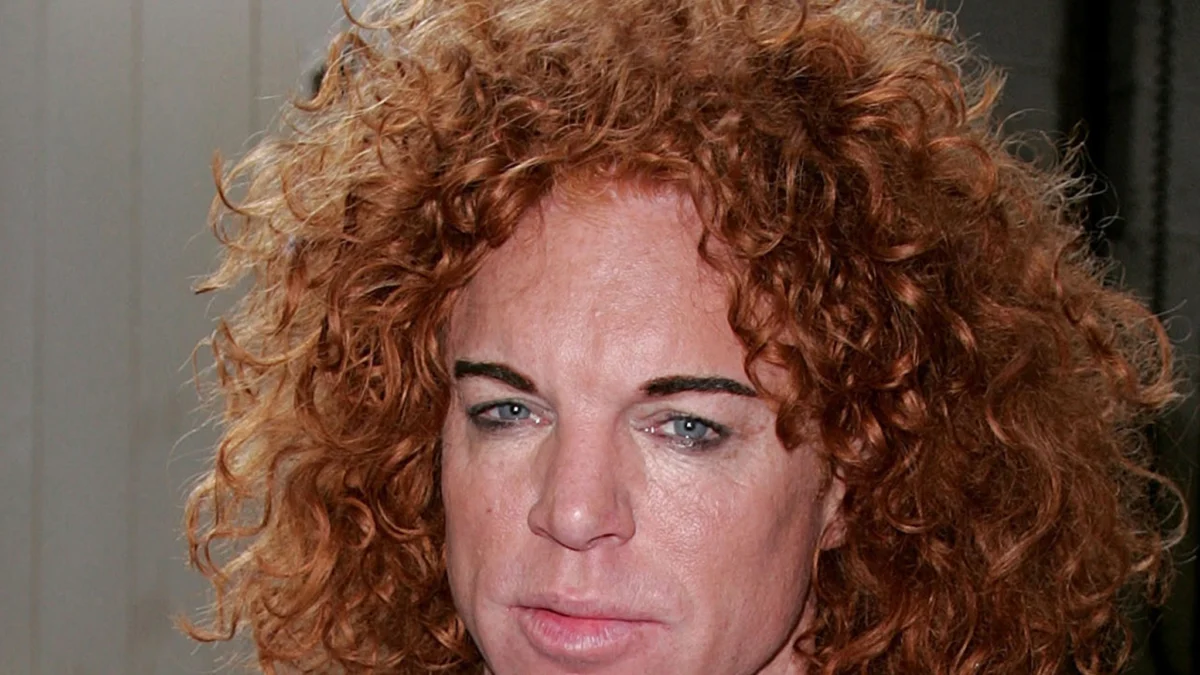
A Florida court descended into high-stakes drama on September 22, 2026, as a judge issued a stark warning of potential incarceration to parties involved in the ongoing legal battle between renowned comedian Carrot Top, born Scott Thompson, and his former friend, Brian Evans. The contentious dispute centers on allegations of an explicit sex tape purportedly featuring the comedian, with claims of extortion and counter-claims of an attempt to silence a whistleblower. The recent hearing saw tempers flare and a judge assert the full power of the court, emphasizing that violations of orders would be met with immediate and severe consequences beyond mere monetary sanctions.
The Genesis of a Bitter Dispute: From Friendship to Litigation
The legal entanglement between Carrot Top and Brian Evans, once reportedly close associates, has been simmering for an extended period, evolving from an alleged personal falling out into a public and deeply acrimonious court proceeding. While the exact timeline of their friendship’s dissolution remains a subject of dispute, court documents suggest the relationship began to fray significantly in late 2025, culminating in legal action initiated by Carrot Top earlier in 2026. The comedian’s primary claim asserts that Evans is attempting to extort a substantial sum of money from him, leveraging the alleged existence of a sexually explicit video featuring Thompson.
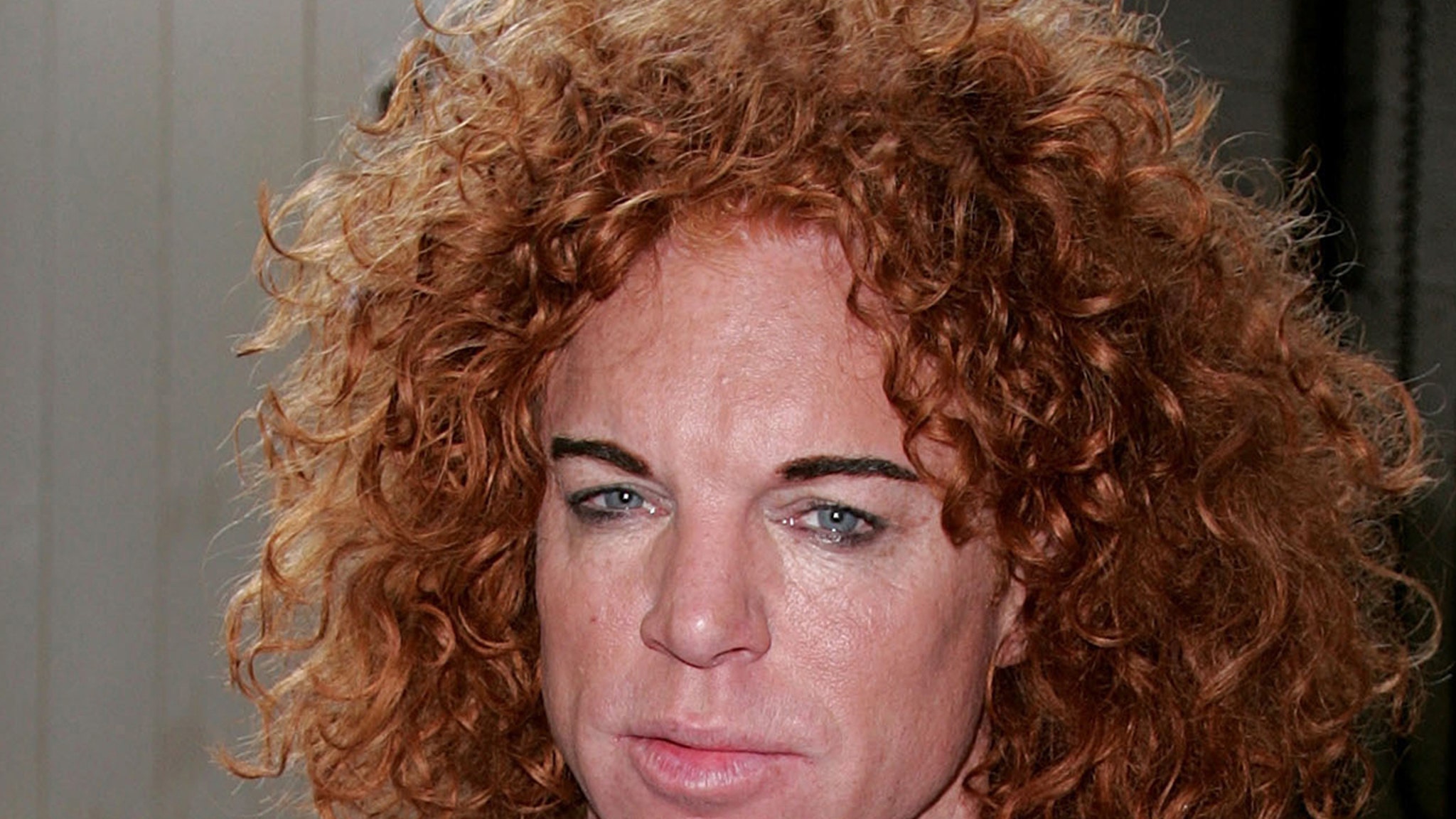
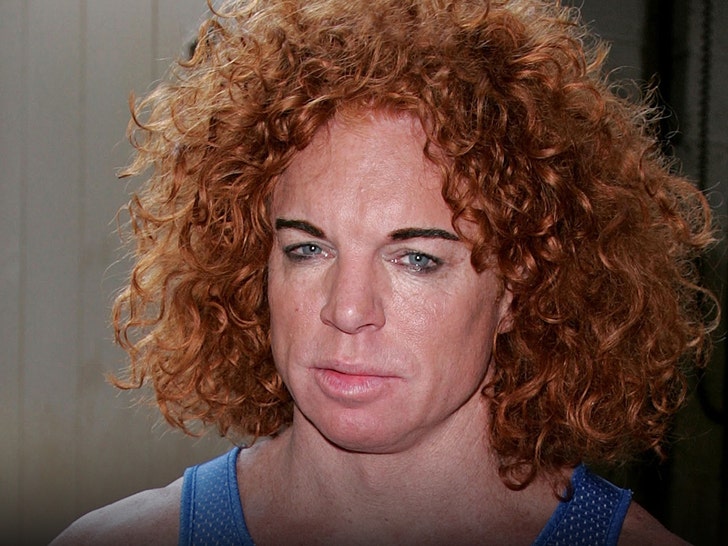
Carrot Top, a fixture on the Las Vegas strip with his signature shock of red hair and prop comedy, maintains that any such footage, if it exists, was obtained without his consent and is being used maliciously. His legal team has consistently painted Evans as a disgruntled former confidant seeking to profit from private information and potentially illicitly acquired material. They argue that Evans’s actions constitute a grave invasion of privacy and a deliberate campaign to tarnish the comedian’s public image and personal well-being.
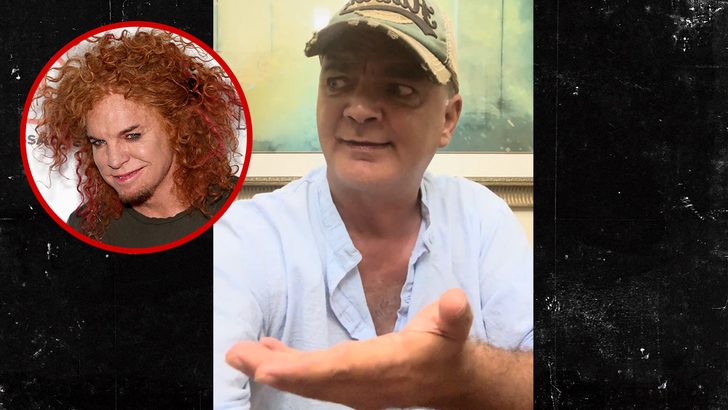
Conversely, Brian Evans vehemently denies the extortion allegations. He asserts that he does not possess the alleged video in question and has never used it as leverage for financial gain. Evans’s defense strategy has largely revolved around portraying himself as a victim of a powerful celebrity attempting to suppress inconvenient truths. He has insinuated that Carrot Top’s legal maneuvers are designed to prevent him, and potentially "other people," from coming forward with information that might be damaging to the comedian’s reputation. This narrative suggests a deeper, more complex web of interactions that predates the current lawsuit, although specific details of these "other people" or their potential claims have not been formally detailed in public filings.
Escalation and the September 22nd Hearing
The court proceedings have been marked by a series of increasingly heated exchanges and filings, reflecting the deeply personal nature of the allegations. The judge presiding over the case in a Florida court has grappled with managing the escalating animosity between the parties. A pivotal moment leading up to the September 22nd hearing was the revelation by Carrot Top’s legal counsel regarding the comedian’s recent hospitalization following an alleged suicide attempt. This somber disclosure, which occurred just days after a prior hearing, underscored the severe emotional and psychological toll the protracted legal battle has reportedly taken on Thompson.
Carrot Top’s legal team presented this incident to the court as direct evidence of the harm being inflicted by Evans’s continuous public filings, which they claim contain "salacious accusations" that are frequently picked up by media outlets. The attorney passionately argued that these public disclosures were not merely legal tactics but deeply damaging attacks on "a human being" who was demonstrably suffering. They urged the court to intervene urgently, requesting an order that would prevent Evans from filing future motions without prior judicial approval. This request aimed to curtail the dissemination of potentially inflammatory and unverified claims into the public domain, thereby protecting Thompson from further distress.
During the September 22nd hearing, the atmosphere in the courtroom was palpably tense as arguments regarding this motion unfolded. Carrot Top’s lawyers emphasized the urgency of their plea, stating that the continuous media attention generated by Evans’s filings was directly contributing to their client’s fragile mental state. They reiterated that the issue was not merely about legal procedure but about safeguarding a person’s life and mental health, drawing a direct line between Evans’s actions and the comedian’s recent crisis.
Brian Evans, representing himself or through his legal counsel, vehemently opposed the request to restrict his ability to file motions. He characterized the move as an attempt by Carrot Top’s team to "silence him," a common defense strategy when accused parties claim they are being stifled from presenting their side of a story. In a striking and controversial statement, Evans dismissed the connection between his filings and Thompson’s mental health struggles, stating, "They can’t blame me because he’s taking pills. He was doing that long before any of this happened." This assertion not only challenged the narrative presented by Carrot Top’s lawyers but also suggested a deeper, pre-existing struggle for the comedian, further complicating the public perception of the case. Evans maintained that the "extortion" claims were "nonsense" and that the opposing side was merely trying to prevent "other people from coming forward," implying a broader cover-up.
The Judge’s Stern Ultimatum: Threat of Incarceration
The gravity of the situation prompted the presiding judge to take a firm stance. Recognizing the escalating personal attacks and the potential for irreparable harm, the judge sought to re-establish control over the proceedings and ensure a focus on the core legal issues. The judge explicitly stated that the allegations concerning the sex tape itself, and the broader claims of extortion, were not the immediate focus of the current hearing. Instead, the court’s priority was to address the procedural matter of whether the case should be moved to arbitration, thus removing it from public court, and to manage the conduct of the parties involved.
In a powerful demonstration of judicial authority, the judge issued a severe warning to all parties regarding compliance with court orders. The judge declared that any violation of court directives would not merely result in monetary penalties, which are typical sanctions in civil cases, but could lead to immediate incarceration. "I’ll sign a pickup order in a nanosecond," the judge stated, leaving no room for ambiguity. "And whoever is violating my orders is going to get picked up, and they’re going to be in jail, and guess what? They’re not going to be able to violate my order from jail." This explicit threat underscored the court’s zero-tolerance policy for contempt and its determination to enforce its authority, particularly in a case where public behavior and sensitive information have become central to the dispute.
The judge’s warning served as a stark reminder that the court possesses far-reaching powers to compel obedience and maintain the integrity of the judicial process. Such a threat of jail time for civil contempt is not uncommon in cases where parties are perceived to be obstructing justice, disregarding court orders, or engaging in conduct that undermines the dignity and authority of the court. It signals a critical turning point in the proceedings, shifting the focus from the sensational allegations to the stringent adherence to legal protocol.

Broader Implications and Court Rulings
While the judge did not explicitly comment on the validity of Carrot Top’s lawyer’s assertion that the comedian’s suicide attempt was the "biggest story in the country," the court did acknowledge the highly sensitive nature of the issues at hand. This acknowledgment led to a significant procedural decision: the judge noted that it "made sense" to seal the entire case file from public access. This ruling means that going forward, many of the filings, arguments, and details of the case will be kept confidential, shielded from media scrutiny and public dissemination.
The decision to seal the court records is a compromise that addresses several concerns. For Carrot Top’s legal team, it offers a measure of protection against the "salacious accusations" that they claim contribute to their client’s distress, potentially reducing the media frenzy surrounding the case. For Brian Evans, while his ability to file motions was not outright prohibited, the confidentiality order means that any future filings will not immediately become public fodder, thus limiting his perceived ability to leverage media attention. It also aligns with the judge’s stated goal of focusing on the legal merits of the case, such as the arbitration question, rather than allowing it to devolve into a public spectacle fueled by sensational claims.
The sealing of the court file, however, presents its own set of challenges. While it aims to protect the privacy of the individuals involved and prevent the trial from being conducted in the court of public opinion, it also reduces transparency. In cases involving public figures, there is often a public interest in the proceedings, especially when allegations of extortion, privacy violations, and mental health crises are involved. Balancing these competing interests – privacy versus public transparency – is a delicate act for the judiciary.
This case also shines a spotlight on the growing legal landscape surrounding non-consensual intimate imagery (often termed "revenge porn") and the complexities of celebrity privacy in the digital age. Public figures, by virtue of their careers, often face a higher degree of scrutiny and a reduced expectation of privacy. However, the law increasingly recognizes the profound harm caused by the unauthorized dissemination of private sexual images. Cases like Carrot Top’s highlight the vulnerability of even well-known personalities to such threats and the severe emotional and professional repercussions they can entail.
The immediate future of the case will likely involve continued efforts to move the dispute to arbitration, as indicated by the judge. Arbitration is a private process where disputes are resolved outside of court, typically before a neutral third party, and often results in binding decisions. If successful, this move would permanently remove the proceedings from the public eye, fulfilling one of the key objectives of Carrot Top’s legal team. However, the underlying allegations of extortion and the existence of the alleged sex tape remain, and their resolution, whether in arbitration or a re-opened public court, will undoubtedly continue to be a source of tension between the former friends.
The judge’s decisive action, particularly the threat of incarceration, serves as a powerful reminder to all parties involved in high-profile and emotionally charged disputes that the court’s authority is paramount. It signals a shift towards a more disciplined and confidential legal process, aimed at resolving the fundamental issues of the case while mitigating the personal and public fallout. As the case proceeds under the cloak of confidentiality, the legal community and the public will be watching to see how the court’s stern warnings shape the conduct of the litigants and the ultimate outcome of this bitter celebrity feud.
If you or someone you know is struggling or in crisis, help is available. Call or text 988 or chat 988lifeline.org.




 Jia Lissa
 Yuyun Lusiyani
 Joko Widodo
 Eva Lovia

 Pevita Pearce