
 Pevita Pearce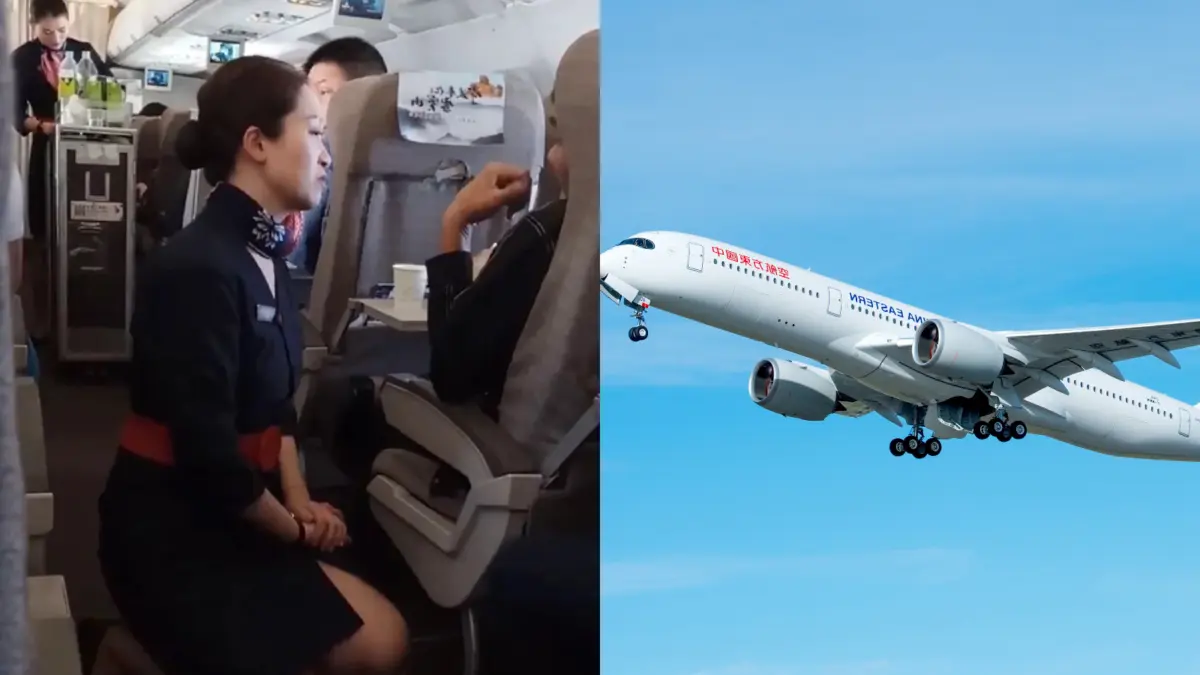
China Eastern Airlines has officially blacklisted a passenger following a highly publicized confrontation on a flight from Hefei to Dalian, during which the individual allegedly demanded to physically assault a cabin crew member after his arm was accidentally struck by a service cart. The incident, which occurred in late September 2026, has sparked a nationwide conversation in China regarding the protection of service workers and the increasing frequency of "air rage" incidents within the aviation industry. According to official statements from the carrier, the passenger’s behavior was deemed a significant disruption to flight safety and a violation of the professional dignity of the crew, resulting in a permanent ban from the airline’s services and a formal report filed with civil aviation authorities and local police.
The confrontation began during a standard beverage service on a domestic route between Hefei Xinqiao International Airport and Dalian Zhoushuizi International Airport. While the cabin crew was maneuvering a service trolley through the aisle, the cart inadvertently made contact with the elbow of a passenger who was reportedly asleep at the time. Despite immediate apologies from the flight attendant involved, the situation escalated rapidly into a verbal and psychological confrontation that left the crew member in tears and, eventually, kneeling in the aisle to plead for the passenger’s forgiveness.
A Detailed Chronology of the In-Flight Disturbance
The sequence of events began mid-flight as the cabin crew performed their routine duties. According to witness accounts and video footage captured by fellow travelers, the service trolley was moving at a standard pace when it grazed the passenger’s arm. The airline’s internal investigation confirmed that the flight attendant immediately stopped the cart to offer a verbal apology and check on the passenger’s well-being. However, the passenger, upon being awakened by the contact, reportedly became incensed, claiming that the apology was insufficient and "too late."
As the passenger’s shouting intensified, a senior flight attendant and an onboard security officer intervened to de-escalate the situation. Despite their presence, the passenger’s demands grew increasingly erratic and aggressive. He reportedly insisted that the flight attendant allow him to "kick her back" to even the score for the accidental bump. Eyewitnesses noted that the passenger’s volume and hostility created a sense of unease throughout the cabin. In an attempt to pacify the individual and prevent further escalation, the flight attendant involved was seen kneeling in the aisle while visibly distressed—a gesture of extreme humility and apology that has since drawn sharp criticism from the public toward the passenger’s behavior.
The airline’s report indicates that the crew provided the passenger with an ice pack for his elbow, even though there were no visible signs of injury. The passenger continued to use derogatory language and demanded that the attendant accompany him to a hospital for a full medical examination immediately upon landing. The cabin crew maintained professional protocols for the remainder of the flight, though the atmosphere remained tense until the aircraft reached its destination in Dalian.
Medical Assessment and Investigative Findings
Upon arrival at Dalian Zhoushuizi International Airport, China Eastern Airlines followed standard operating procedures for reported onboard injuries. Medical personnel were called to meet the aircraft at the gate to evaluate the passenger’s condition. According to the statement released by the airline on September 30, 2026, the medical examination conducted on-site found no evidence of external trauma, swelling, or bruising on the passenger’s arm. The attending medical staff concluded that further clinical treatment was unnecessary.
Despite the medical clearance, ground staff offered to escort the passenger to a local medical facility for a secondary evaluation to ensure his concerns were fully addressed. The passenger declined this offer and left the airport independently. This refusal, coupled with the lack of physical evidence of injury, has led many analysts to characterize the passenger’s behavior as an attempt to exert power over the service staff rather than a genuine reaction to physical harm.
Following the flight, China Eastern Airlines launched a comprehensive internal review, which included interviewing the crew, reviewing onboard security footage, and gathering statements from other passengers. The findings corroborated the crew’s account that the trolley contact was accidental and that the subsequent demands made by the passenger were disproportionate and abusive.
Corporate Response and the Protection of Employee Dignity
In the days following the incident, China Eastern Airlines took a firm stance against the passenger’s actions. On October 3, 2026, the airline announced that the individual had been placed on a permanent no-fly list for the carrier. Furthermore, the airline reported the passenger to the police for suspected "disruption of order on a public transport vehicle," a charge that carries significant legal weight in China’s civil aviation sector.
The airline’s public statement emphasized its commitment to protecting its employees. "The professional dignity of our cabin crew is not negotiable," the statement read. "While we strive to provide excellent service to all passengers, we will not tolerate behavior that threatens the physical or mental well-being of our staff." The carrier also confirmed that the flight attendant involved in the incident has received psychological counseling and support. After a brief period of leave to recover from the emotional distress of the event, she has since returned to active duty.
This response reflects a growing trend among Chinese carriers to move away from the "customer is always right" philosophy in cases of clear abuse. Historically, service staff in the region have often been expected to endure significant mistreatment to maintain "harmony," but high-profile incidents like this are prompting a shift toward stricter enforcement of passenger conduct codes.
The Broader Context of Unruly Passenger Behavior
The incident on the Hefei-Dalian flight is not an isolated occurrence but rather part of a documented increase in unruly passenger behavior globally. Data from the International Air Transport Association (IATA) has shown a steady rise in reported incidents involving verbal abuse, physical threats, and non-compliance with crew instructions since 2020. In 2026 alone, several high-profile cases have made headlines, highlighting the diverse challenges faced by cabin crews.
For example, in July 2026, Breeze Airways was forced to involve law enforcement after a passenger began taking items from a service cart without payment and refused to comply with crew orders. In another instance, the airline Avianca issued a lifetime ban to a social media influencer after a staged "chemical prank" caused mid-air panic. These events, ranging from petty theft to psychological harassment, underscore the volatile environment in which modern flight attendants operate.
In China, the government has responded to these trends by integrating aviation disruptions into the national Social Credit System. Passengers who are found to have disrupted flights or harassed crew members can find themselves barred not only from flying but also from using high-speed rail services for a set period. This "blacklist" system serves as a powerful deterrent, yet the China Eastern incident suggests that some passengers still feel emboldened to bypass these social norms.
Legal Implications and Regulatory Frameworks
The legal consequences for the passenger in this case could be substantial. Under the Civil Aviation Law of the People’s Republic of China, any act that disturbs the order of an aircraft in flight and endangers aviation safety can result in administrative detention or fines. If the behavior is deemed severe enough to constitute "provocative and disturbing behavior," the individual could face criminal charges.
Aviation legal experts suggest that the demand to "kick" the attendant could be interpreted as a threat of physical assault. While the kick did not actually take place, the intimidation used to force a crew member into a kneeling position constitutes a significant interference with crew duties. Most international aviation treaties, including the Tokyo Convention of 1963 and the Montreal Protocol of 2014, provide airlines and states with the authority to take necessary measures against passengers who commit acts that jeopardize the safety or "good order and discipline" on board.
By reporting the passenger to the police, China Eastern is signaling that it intends to utilize the full extent of the law to address the incident. This move is supported by various labor unions representing cabin crew, who have long argued for more robust legal protections against "entitled" passenger behavior.
Analysis of the Impact on the Aviation Workforce
The psychological impact of such confrontations on aviation workers cannot be overstated. Flight attendants are trained primarily as safety professionals, responsible for evacuations and medical emergencies. However, the "service" aspect of their role often leaves them vulnerable to passengers who view them as subordinates rather than safety officers.
The image of a flight attendant kneeling in tears is particularly evocative in a cultural context. In many East Asian cultures, kneeling is a gesture of extreme remorse or submission. Forcing a worker into such a position over a minor accidental bump is viewed by many as a profound violation of human dignity. Industry analysts suggest that if airlines do not take visible, decisive action in these cases, they risk a decline in staff morale and a potential exodus of experienced crew members who no longer feel safe or respected in their workplace.
China Eastern’s decision to provide counseling and publicly back the employee is seen as a necessary step in maintaining a healthy labor force. It also serves as a message to other passengers that the airline will prioritize its employees’ rights over the patronage of abusive customers.
Conclusion and Future Outlook
As the aviation industry continues to navigate the complexities of post-pandemic travel and evolving passenger expectations, the China Eastern Airlines incident serves as a landmark case for passenger conduct. The permanent ban and subsequent police report reflect a zero-tolerance policy that is becoming the gold standard for airlines worldwide.
The incident highlights the need for continued public education regarding the role of cabin crew and the legal boundaries of passenger behavior. As 2026 continues to see a high volume of air travel, the focus will likely remain on how regulatory bodies and airlines can collaborate to ensure that the "friendly skies" remain safe and respectful for both those who fly and those who serve. For the passenger involved in the Hefei-Dalian flight, the transition from a sleeping traveler to a blacklisted individual serves as a stark reminder that the privilege of flight comes with the requirement of basic human decency.



 Yuyun Lusiyani
 Ana Megawati
 Joko Widodo
 Eva Lovia
 Jia Lissa