
 Pevita Pearce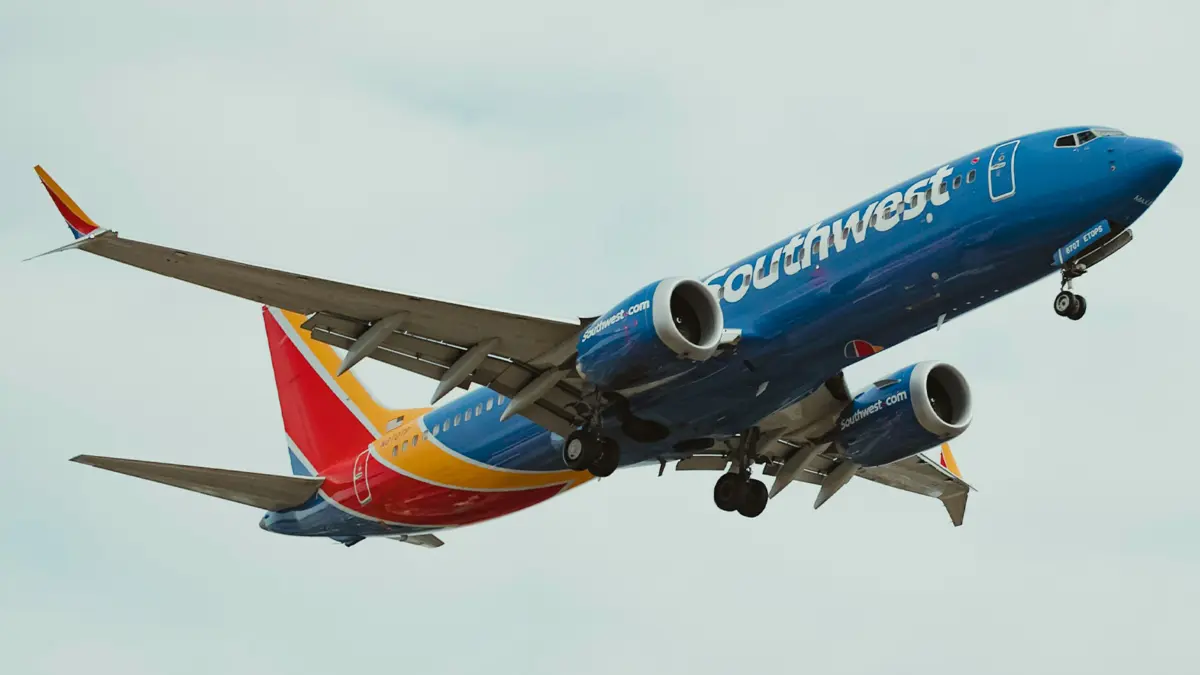
Southwest Airlines has officially introduced a multi-faceted marketing and loyalty initiative titled Enter Airplane Mode, designed to address the growing issue of digital fatigue among American consumers. Launched on October 5, 2026, the campaign seeks to incentivize travelers to disconnect from their digital devices and reclaim personal time by offering a substantial pool of Rapid Rewards points. Central to this initiative is the Notification Vacation promotion, which allows members of Southwest’s loyalty program to convert the clutter of their smartphone notifications into currency for future travel. By gamifying the reduction of digital stress, the Dallas-based carrier is positioning itself as a brand focused not only on transportation but on the holistic well-being and mental health of its customer base.
The campaign arrives at a time when digital burnout has reached critical levels in the United States. According to a survey sponsored by Southwest Airlines, approximately 76% of respondents reported experiencing symptoms of burnout, while 68% indicated that taking a vacation is a primary method for regaining control over their time and mental clarity. The Enter Airplane Mode campaign directly targets these sentiments, offering a tangible reward for those who find themselves overwhelmed by the modern "always-on" work culture. By providing over 185 million Rapid Rewards points across its various promotional arms, Southwest is making a significant financial commitment to its customer engagement strategy, equating to millions of dollars in potential air travel.
Mechanics of the Notification Vacation and Burnout Assessment
The Notification Vacation promotion serves as the cornerstone of the digital engagement strategy. To participate, Rapid Rewards members are required to capture a screenshot of their smartphone’s home screen or lock screen, specifically highlighting the volume of unread notifications, calendar invites, and app alerts. These screenshots are then uploaded to a dedicated campaign portal where the data is analyzed. Based on the density and frequency of these notifications, Southwest assigns a point value to the user’s "digital clutter," which is then deposited into their Rapid Rewards account. While the airline has noted that specific limits apply to the number of points an individual member can receive, the collective giveaway is intended to facilitate thousands of individual trips.
In addition to the notification-to-points conversion, the campaign features an interactive Burnout Quiz. This tool is designed to measure a participant’s self-reported stress levels across various categories, including professional obligations, social commitments, and digital saturation. Upon completion, the quiz provides a "burnout score" and suggests specific travel destinations within the Southwest network that align with the user’s need for relaxation or adventure. This data-driven approach allows the airline to provide personalized marketing recommendations while simultaneously rewarding participants for their engagement with the brand.
The broader advertising campaign accompanying these promotions focuses on the common stressors of contemporary life. Advertisements highlight the mundane but exhausting realities of overloaded calendars, repetitive virtual meetings, lengthy commutes, and the incessant "ping" of mobile devices. By contrasting these stressors with the tranquility of being in "airplane mode"—a state where one is unreachable and free to focus on the journey—Southwest aims to redefine the flight experience as a necessary reprieve rather than just a logistical necessity.
Strategic Objectives and Executive Commentary
The Enter Airplane Mode campaign represents a strategic pivot for Southwest Airlines as it seeks to deepen its emotional connection with its passenger base. Sabrina Callahan, Southwest’s Senior Vice President and Chief Digital & Marketing Officer, emphasized that the airline’s historical mission has always been the "democratization of the skies." In a statement regarding the new launch, Callahan noted that the campaign is an evolution of that mission, moving from simply making flights affordable to making them a tool for mental recovery.
"Southwest Airlines has always helped make the dream trip a reality," Callahan stated. "Our new campaign, ‘Enter Airplane Mode,’ encourages customers to recognize when they’re approaching a breaking point and to turn that moment into their booking point. With a customer extension called ‘Notification Vacation,’ we are taking it one step further from simply encouraging you to take the trip to helping you bring it to fruition."
Industry analysts suggest that this campaign is a sophisticated attempt to increase the utility and perceived value of the Rapid Rewards program. By linking points to a universal pain point—digital burnout—Southwest is creating a unique value proposition that differentiates it from competitors who typically focus on miles flown or credit card spend. Furthermore, the requirement for users to interact with the brand via screenshots and quizzes provides Southwest with valuable consumer sentiment data, which can be used to refine future marketing efforts and service offerings.
A History of Non-Traditional Customer Engagement
The "Enter Airplane Mode" initiative is part of a broader trend of Southwest Airlines utilizing unique, high-engagement rewards to build brand loyalty. Earlier in 2026, the airline garnered significant media attention for its response to five-year-old William Hines. The young aviation enthusiast had identified a technical discrepancy in a pilot training manual, noting that two terrain monitors pictured in the documentation did not match.
In a move that highlighted the airline’s focus on community and customer relations, Southwest invited Hines to its Dallas headquarters for a VIP experience. The visit included a tour of the facility and a session in a professional flight simulator alongside a Southwest pilot. These types of initiatives—ranging from rewarding a child’s keen eye to compensating adults for their digital stress—underscore a corporate strategy that prioritizes human-centric storytelling over traditional transactional advertising.

The timeline of Southwest’s 2026 marketing efforts shows a clear progression toward "lifestyle" branding. Following a period of operational restructuring and fleet modernization, the airline has shifted its public-facing messaging to emphasize the "Southwest Way"—a culture of care and accessibility. The October launch of the burnout-focused campaign is timed to coincide with the post-summer travel lull and the lead-up to the busy holiday season, a period when workplace stress often peaks.
The Economic and Societal Context of Digital Fatigue
The 185 million points being distributed by Southwest carry a significant economic weight. While the exact valuation of a Rapid Rewards point varies based on the flight route and booking class, industry standards typically value them at approximately 1.3 to 1.5 cents per point. This places the total value of the giveaway in the range of $2.4 million to $2.7 million. By distributing this value across a wide segment of its membership, Southwest is effectively seeding future demand, as point redemptions often lead to additional spending on hotels, car rentals, and ancillary travel services.
From a societal perspective, Southwest’s campaign taps into a growing movement toward "digital detox" and "slow travel." Research into workplace psychology has consistently shown that the inability to "unplug" leads to decreased productivity and increased healthcare costs. By framing the airplane cabin as one of the last remaining sanctuaries from digital connectivity, Southwest is leveraging a unique aspect of the flying experience. Although many airlines, including Southwest, offer high-speed in-flight Wi-Fi, the "Enter Airplane Mode" campaign reminds travelers that they have the agency to remain offline.
The 76% burnout rate cited by Southwest aligns with broader national trends. Recent studies from the American Psychological Association and various workplace wellness platforms have indicated that the boundaries between work and home life have blurred significantly since 2020. The "Notification Vacation" serves as a cultural commentary on this phenomenon, suggesting that if the digital world is going to occupy so much of a consumer’s mental space, it should at least contribute to their next escape.
Implications for the Travel Industry and Loyalty Programs
Southwest’s decision to link loyalty rewards to "non-travel" activities like managing phone notifications could signal a shift in how airline loyalty programs operate in the future. Traditionally, these programs have been purely transactional, rewarding "butt-in-seat" miles or co-branded credit card purchases. However, as the travel market becomes increasingly competitive and consumers become more protective of their data and attention, airlines are looking for "lifestyle integration."
By rewarding users for their "burnout level," Southwest is experimenting with a form of behavioral loyalty. This approach recognizes that the decision to travel is often a response to external life pressures. If an airline can intervene at the moment of peak stress—the "breaking point" mentioned by Callahan—it can capture the customer’s loyalty before they even begin a traditional search for flights.
Furthermore, the campaign highlights the importance of mobile integration in the travel sector. By requiring a screenshot of a phone’s home screen, Southwest is meeting its customers exactly where they spend the majority of their time. This strategy not only increases app engagement but also ensures that the brand remains top-of-mind every time a user looks at their cluttered notification center.
Conclusion and Future Outlook
As the "Enter Airplane Mode" campaign continues through the final quarter of 2026, the travel industry will be watching closely to see if this unconventional approach translates into long-term passenger growth. The initiative successfully bridges the gap between corporate social responsibility—by addressing mental health and burnout—and aggressive consumer marketing.
For Southwest Airlines, the success of this campaign will likely be measured not just by the number of points redeemed, but by the shift in brand perception. In an era where air travel is often seen as a stressful ordeal characterized by delays and crowded terminals, Southwest is attempting to flip the narrative. By positioning the flight as the cure for the stress of the ground-bound world, the airline is attempting to reclaim its status as the "LUV" airline for a new, digitally exhausted generation.
The 185 million points currently being distributed represent more than just free seats; they represent a strategic investment in the idea that travel is an essential component of modern wellness. As travelers across the country begin uploading their screenshots and taking the Burnout Quiz, the message from Southwest is clear: the most valuable thing an airline can offer in 2026 is not just a destination, but the permission to disconnect.

 Yuyun Lusiyani
 Ana Megawati
 Joko Widodo
 Eva Lovia
 Jia Lissa