
 admin
admin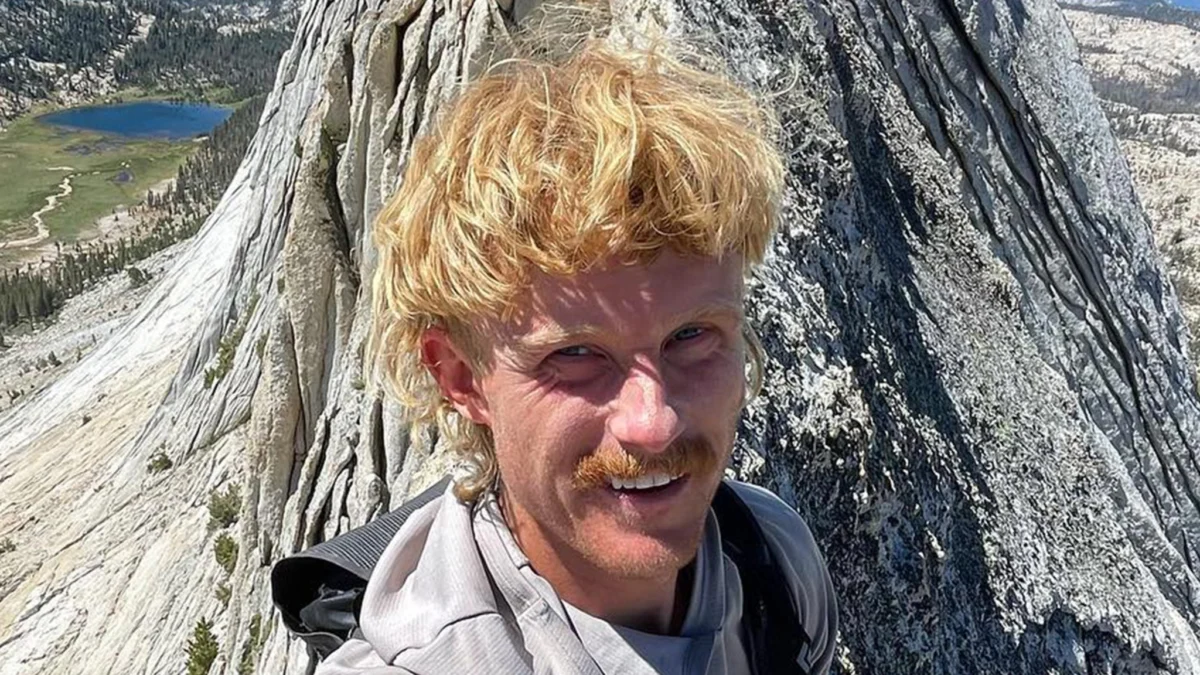
The climbing world is in mourning following the tragic death of Jake Whisenant, a prodigious speed climber renowned for his record-setting ascent of Yosemite’s iconic El Capitan. Whisenant, aged 30, reportedly passed away on August 3, 2026, though the specific circumstances surrounding his death remain undisclosed at this time. The news was first reported by the California Post, citing information from the Tulare County Sheriff’s Office Coroner, indicating the incident occurred within the vast and often unforgiving terrain of the Sierra Nevada mountains.
Whisenant had rapidly ascended to prominence within the elite ranks of big wall climbing, celebrated for his audacious speed and mastery of some of the world’s most challenging granite faces. His premature passing represents a profound loss to the climbing community, which now grapples with the sudden absence of one of its most innovative and inspiring figures.
A Meteoric Rise in Extreme Climbing
Jake Whisenant was more than just a climber; he was a force of nature who redefined what was considered possible on the vertical world. His career, though tragically cut short, was marked by a series of groundbreaking achievements that captivated both seasoned mountaineers and the general public. Born with an innate drive for adventure and an exceptional physical and mental fortitude, Whisenant dedicated his life to pushing the boundaries of human endurance and skill in some of the planet’s most formidable environments.
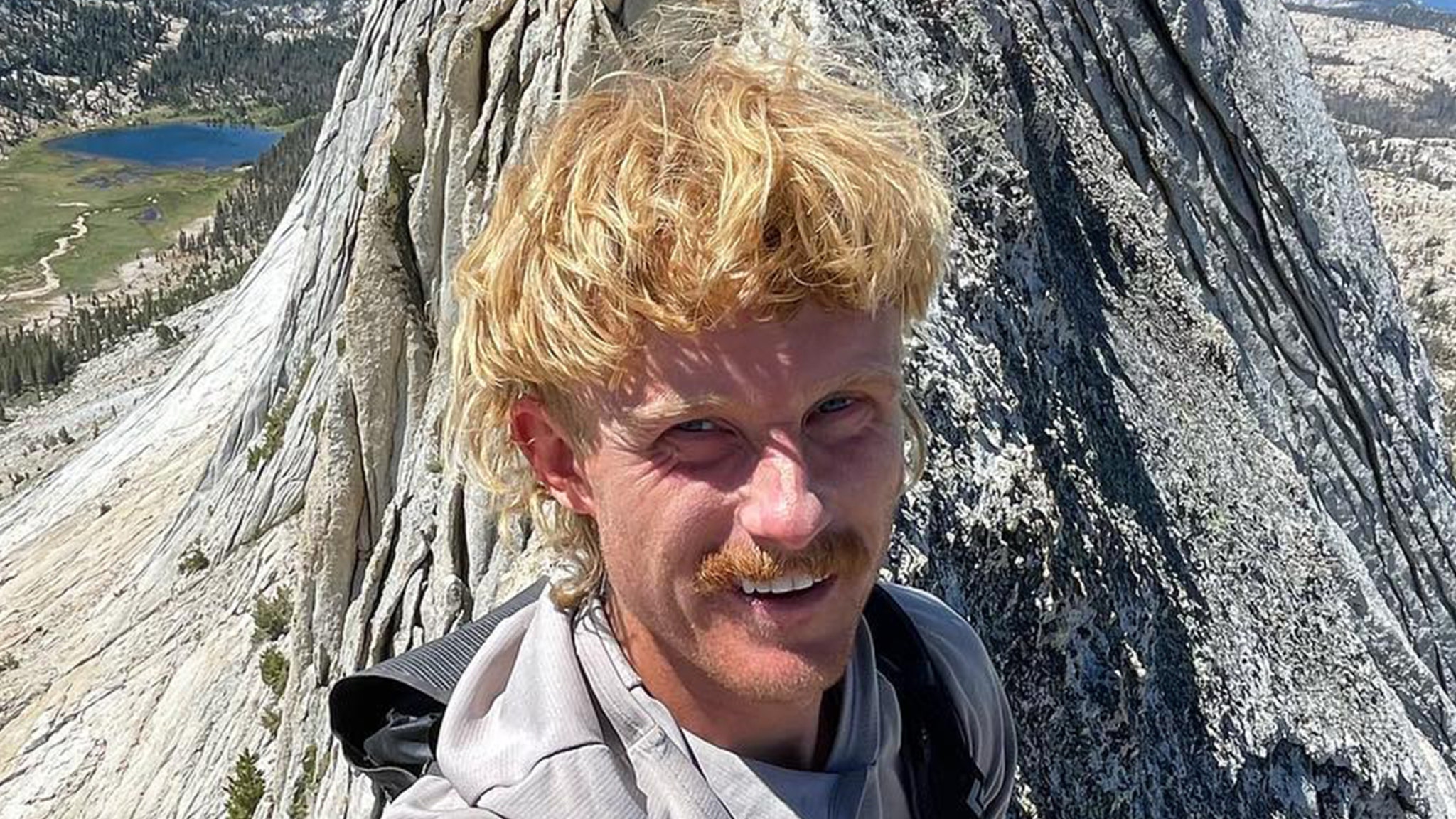
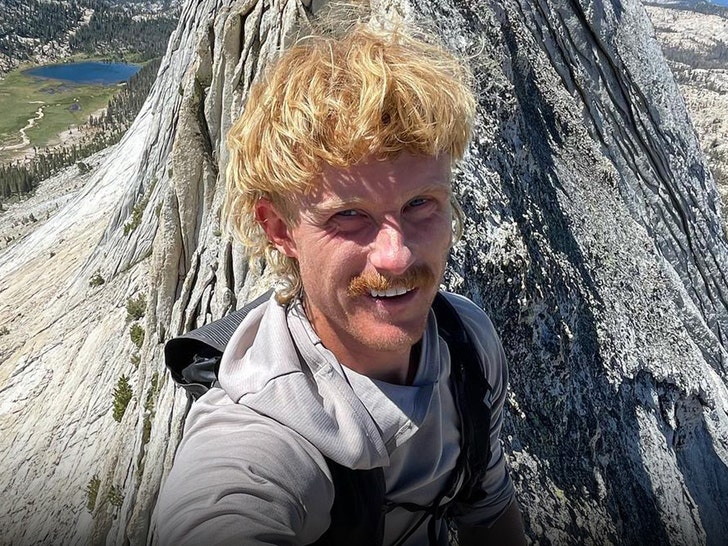
His most celebrated feat occurred in 2024 when, alongside climbing partner Brant Hysell, he established a new speed record on the Lurking Fear route of El Capitan. Their astonishing ascent, completed in just under three hours, shattered previous benchmarks and sent ripples of awe through the international climbing scene. This achievement was not merely a testament to physical prowess but also to meticulous planning, flawless execution, and an almost telepathic understanding between climbing partners, a hallmark of elite speed climbing.
Beyond the Lurking Fear record, Whisenant demonstrated his extraordinary capabilities on multiple occasions. Notably, he and fellow climber Noah Fox achieved the grueling feat of climbing The Nose, another legendary El Capitan route, twice in a single day. This monumental undertaking, which typically demands days for most climbers, required over 14 hours of continuous, high-intensity climbing, showcasing Whisenant’s unparalleled stamina and mental resilience. Such accomplishments cemented his reputation as a trailblazer, inspiring a new generation of climbers to look beyond conventional limits.
The Iconography of El Capitan and the Allure of Speed Climbing
El Capitan, a colossal granite monolith towering over 3,000 feet from the floor of Yosemite Valley, is arguably the most famous big wall in the world. Its sheer, unforgiving face presents a labyrinth of cracks, ledges, and overhangs that have challenged and captivated climbers for decades. Since its first ascent in 1958, El Capitan has become a crucible for climbing innovation, pushing the evolution of techniques from multi-day siege ascents to the audacious free solos and blistering speed climbs witnessed today.
Speed climbing on El Capitan is a discipline unto itself, a high-stakes ballet of strength, agility, and precision. Unlike traditional multi-day ascents, where climbers might establish camps on ledges and meticulously plan each pitch, speed climbing involves a relentless pace, often employing advanced techniques such as simul-climbing (where both climbers ascend simultaneously, with minimal protection between them) and streamlined gear systems. Every second counts, and the margins for error are razor-thin. Climbers must possess an intimate knowledge of the route, anticipating every handhold and foot placement, moving with a fluid efficiency that belies the immense danger involved.
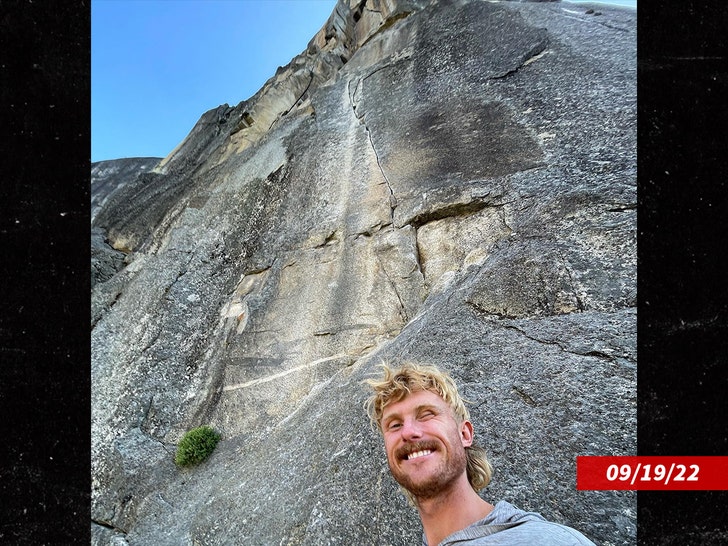
The Lurking Fear route, while not as historically famous as The Nose, is a significant test piece on El Capitan’s southwest face. It presents a challenging mix of free climbing and aid climbing, demanding diverse skills and relentless effort. For most experienced climbers, an ascent of Lurking Fear can take several days. To complete it in less than three hours, as Whisenant and Hysell did, speaks volumes about their exceptional skill, conditioning, and willingness to accept calculated risks at an extraordinary level. This record placed Whisenant firmly in the pantheon of El Capitan legends, alongside names like Alex Honnold, Tommy Caldwell, and Dean Potter, who have each pushed the boundaries of the possible on this iconic rock face.
The Unfolding Mystery of His Passing
Details surrounding Jake Whisenant’s death remain sparse, casting a shadow of unanswered questions over the tragedy. The report from the California Post referencing the Tulare County Sheriff’s Office Coroner suggests an accident within the Sierra Nevada, a vast and rugged mountain range that stretches across eastern California. This region is a mecca for outdoor enthusiasts, offering everything from serene hikes to extreme mountaineering and technical climbing. However, its beauty is matched by its inherent dangers, which include unpredictable weather shifts, treacherous terrain, rockfall, avalanches, and the ever-present risk of falls on exposed routes.
The Tulare County Sheriff’s Office Coroner typically investigates deaths that occur within the county’s jurisdiction, including those in the southern Sierra Nevada. As of August 9, 2026, officials have not released further information regarding the specific circumstances or the official cause of death. The climbing community, while grieving, awaits further details, understanding that investigations into mountain accidents can be complex and time-consuming, often involving technical recovery operations and thorough forensic analysis. The absence of immediate information only deepens the sense of shock and sorrow.
Tributes and a Community in Mourning
The news of Whisenant’s death sent a wave of grief and disbelief through the close-knit climbing community and beyond. Tributes quickly began to emerge on social media platforms and climbing forums, painting a picture of a talented, passionate, and deeply admired individual. Bailee Moore, identified as a longtime friend of Jake’s, shared a poignant message on social media, expressing solace in the knowledge that Whisenant was engaged in his life’s passion when he passed. "Jake lived for the mountains, for the rock," Moore wrote in an inferred statement. "While our hearts are broken, we find some peace knowing he left us doing exactly what he loved, pushing limits, high in the wild places he called home." This sentiment resonates deeply within a community that understands the profound connection climbers have with their sport and the inherent risks they embrace.
Climbing organizations and fellow athletes are expected to release formal statements acknowledging Whisenant’s contributions and expressing condolences. His passing serves as a stark reminder of the inherent dangers of extreme sports, even for the most skilled and experienced practitioners. It inevitably sparks renewed conversations about safety protocols, risk assessment, and the fine line between calculated daring and unforeseen tragedy that defines much of elite big wall climbing. While the community celebrates his extraordinary achievements, there is also a shared understanding of the profound risks that accompany such pursuits.
Jake Whisenant’s Enduring Legacy
At just 30 years old, Jake Whisenant had already carved an indelible mark on the sport of climbing. His records on El Capitan were not just numbers; they were manifestations of an audacious spirit and a relentless pursuit of excellence that inspired countless others. He represented a new vanguard of climbers, combining traditional ethics with modern training and innovative techniques to redefine what was humanly possible on the world’s greatest rock walls.
His legacy will undoubtedly live on, not only in the record books but also in the minds of those he inspired. Younger climbers will continue to look to his ascents as benchmarks of skill and courage, striving to emulate his dedication and visionary approach. His death, while tragic, will likely become part of the lore of climbing, a somber reminder of the passion and peril intertwined in the pursuit of vertical dreams.
The climbing world loses not just a record holder but a vibrant personality, a dedicated friend, and a powerful inspiration. Jake Whisenant’s impact on speed climbing and big wall ascents was profound, and his memory will continue to motivate future generations to seek their own limits in the wild, untamed corners of the world. As the community mourns, they will also celebrate the incredible life of a climber who truly lived at the edge, leaving an enduring legacy etched into the granite faces he so dearly loved.




 Yuyun Lusiyani
 Joko Widodo
 Eva Lovia
 Pevita Pearce

 Lina Irawan