
 Ana Megawati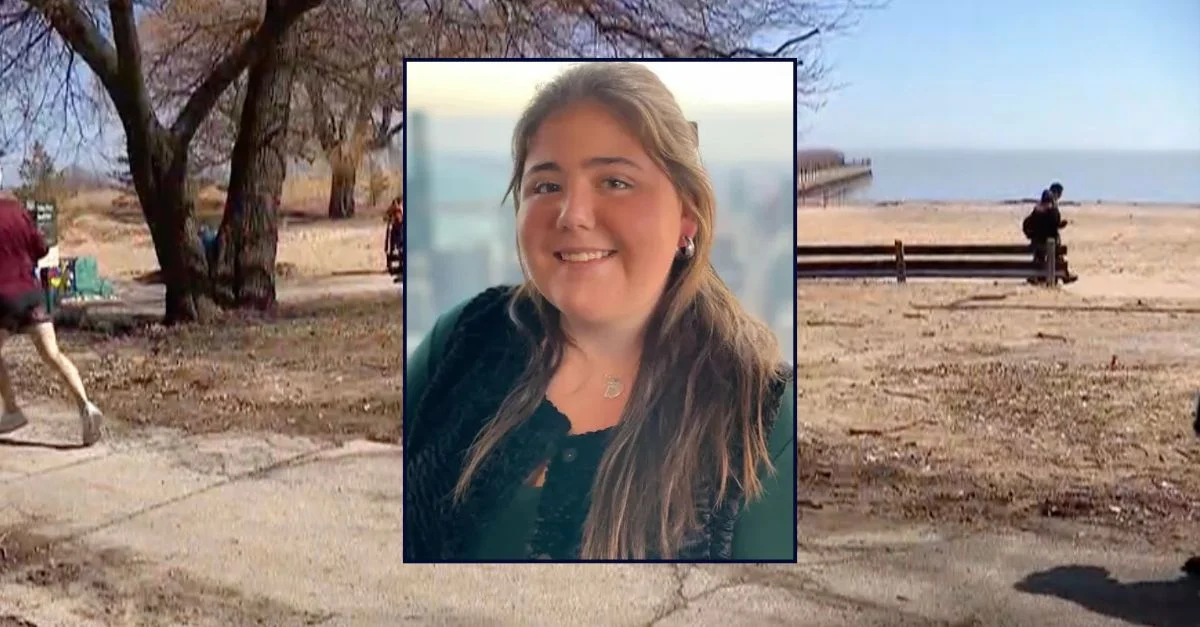
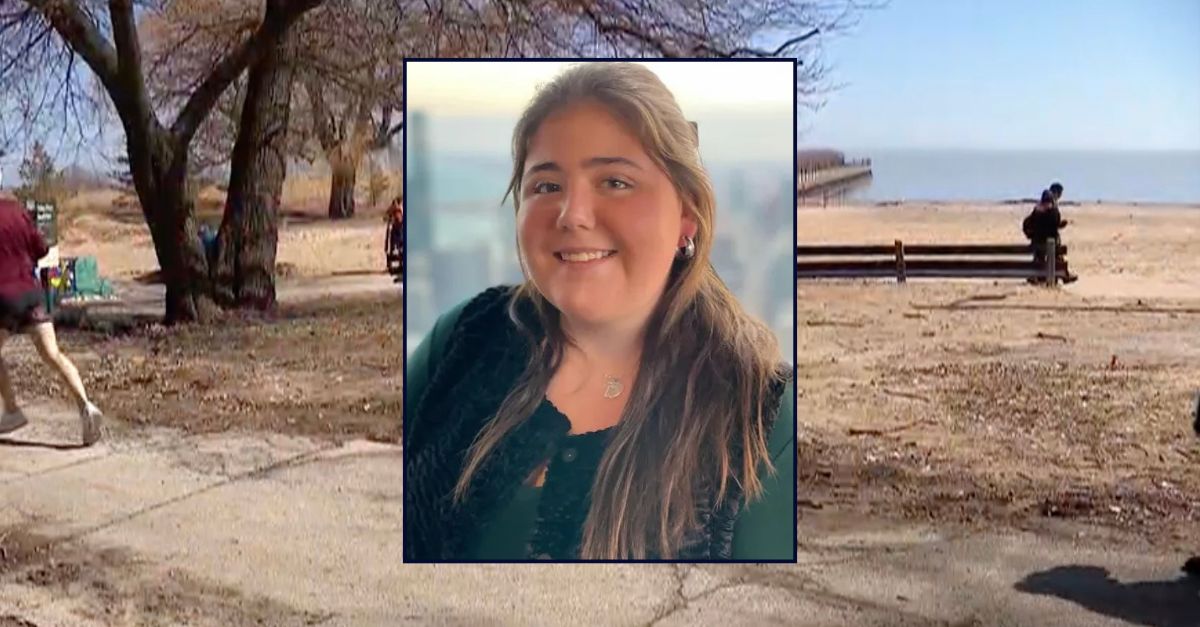
The incident unfolded shortly after 1:30 a.m. near Tobey Prinz Beach, a scenic stretch of the Chicago lakefront frequented by students and residents alike, situated just north of Loyola’s bustling Lake Shore Campus. Sheridan Gorman, a vibrant first-year student originally from New York, was walking with a group of friends when their routine night took a sudden, horrific turn. According to initial reports from the Chicago Police Department (CPD), a lone individual, whose face was obscured by a ski mask and who was clad in dark clothing, approached the group and discharged a firearm in their direction. Gorman was struck once in the head and pronounced dead at the scene by emergency medical personnel.
The Tragic Chronology of Events
The evening of March 18, 2026, began like many others for college students across the city. Sheridan Gorman and her friends were enjoying an outing, culminating in a walk along the lakefront, a common pastime for those living near the picturesque shores of Lake Michigan. The area around Tobey Prinz Beach is generally perceived as safe, particularly given its proximity to the university campus and its residential character. However, this sense of security was shattered in an instant.
As the clock ticked past 1:30 a.m. on March 19, the group was near the beach when the masked individual appeared. Witnesses described the encounter as swift and unexpected. The assailant reportedly fired a single shot, which tragically found its mark on Gorman. In the immediate aftermath, a scene of chaos and terror ensued. Gorman’s friends, startled by the sudden gunfire, initially scattered in panic. Moments later, as the shooter fled the scene on foot, they returned to find Gorman unresponsive on the ground. Their desperate calls for help echoed through the quiet early morning air, drawing the attention of nearby residents.
One anonymous Loyola student, residing in the vicinity, recounted being awakened by the sound of a single gunshot, quickly followed by harrowing screams. "I just heard the screaming. They were saying, ‘Come help us. We’re over here,’" the student told local CBS affiliate WBBM. The profound impact of hearing such distress left a lasting impression: "Since then, I couldn’t go back to sleep. It was something I never thought would happen in the community here." This testimony underscores the abrupt and shocking nature of the violence that disrupted the peaceful rhythm of the Rogers Park neighborhood.
Police and paramedics were dispatched rapidly to the scene. Upon their arrival, efforts to revive Gorman were unsuccessful, and she was officially pronounced dead. The area was quickly cordoned off as crime scene investigators began their meticulous work, searching for ballistic evidence, surveillance footage, and any clues that could lead them to the perpetrator. Detectives have indicated that preliminary findings suggest Gorman may not have been the intended target of the shooting, though the full circumstances and motive behind the attack remain under active investigation. This detail adds another layer of heartbreaking randomness to the tragedy, suggesting an innocent life was taken due to a senseless act of violence directed at another, or perhaps, at no one in particular.
A Life Cut Short: Remembering Sheridan Gorman
Sheridan Gorman was at the very beginning of what promised to be a fulfilling chapter of her life. As an 18-year-old freshman at Loyola University Chicago, she had only just begun to immerse herself in the academic and social fabric of college life in a major urban center. Hailing from New York, she had chosen Loyola, a Jesuit institution known for its strong academics and commitment to social justice, to pursue her higher education.
Loved ones and university officials have remembered Gorman as a kind, vibrant, and promising young woman. Her untimely death has left an immeasurable void in the lives of her family and friends, many of whom were just beginning to share new experiences with her in Chicago. The dreams and aspirations she carried for her college years and beyond were extinguished in an act of inexplicable violence, leaving a profound sense of grief and injustice. The immediate aftermath saw an outpouring of support and condolences directed towards her family, as the Loyola community grappled with the enormity of their loss.
Broader Context: Gun Violence in Chicago and Urban Campus Safety
Sheridan Gorman’s tragic death casts a stark light on the persistent issue of gun violence in Chicago, a city that has long grappled with complex challenges related to crime. While Rogers Park, particularly the areas immediately surrounding Loyola University, generally boasts lower crime rates compared to some other Chicago neighborhoods, it is not entirely immune to the broader patterns of urban violence. The city has made efforts to reduce gun violence through various community initiatives, policing strategies, and investments in violence prevention programs. However, incidents like this serve as a painful reminder of the unpredictable nature of such crime and its potential to impact even seemingly safer areas.
According to data compiled by the Chicago Police Department and various research organizations, Chicago has experienced fluctuations in its violent crime rates over the years. While there have been periods of significant reductions, specific types of crime, particularly non-fatal and fatal shootings, remain a critical concern. These incidents often highlight the widespread availability of firearms and the complex socio-economic factors that contribute to violence. The anonymity of a masked shooter, as described in Gorman’s case, is a recurring challenge for law enforcement, making identification and apprehension more difficult.
For urban universities like Loyola, student safety is a paramount concern. Campuses in major cities often operate within dynamic environments, necessitating robust security measures and proactive engagement with local law enforcement. Loyola University Chicago, like many urban institutions, employs its own campus police force, operates extensive surveillance systems, and provides various safety resources, including escort services and emergency notification systems. However, when incidents occur off-campus, particularly in public spaces, the ability of university security to directly intervene is limited, placing a greater emphasis on the responsiveness of municipal police and the overall safety of the surrounding community. This incident will undoubtedly prompt a review of existing safety protocols and communication strategies between the university and city authorities.
Official Responses and Ongoing Investigation
In the wake of the shooting, both the Chicago Police Department and Loyola University Chicago moved swiftly to address the tragedy. The CPD immediately launched a homicide investigation, dedicating significant resources to apprehending the masked assailant who remains at large. Authorities have appealed to the public for assistance, urging anyone with information, no matter how minor, to come forward. Investigators are meticulously reviewing any available surveillance footage from nearby businesses and residential buildings, hoping to identify the suspect or trace their movements before and after the shooting. The lack of an immediate arrest underscores the challenges inherent in cases where the perpetrator is masked and flees on foot, often leaving minimal forensic evidence.
Loyola University Chicago responded with a message of profound sadness and solidarity. University President Mark C. Reed issued a statement to the campus community, expressing deep condolences and acknowledging the devastating loss. "It is with profound sadness that I write to share that one of our students, Sheridan Gorman, was killed earlier today in an incident north of the Lake Shore Campus," President Reed wrote. He assured students and staff that the university was in close contact with law enforcement and fully cooperating with the investigation. Crucially, President Reed also communicated that, based on the information available at the time, there was "no ongoing threat to our campus community," an assessment intended to alleviate immediate fears while the search for the perpetrator continued.
Beyond the official statements, the university promptly activated its support systems for students and faculty grappling with the tragedy. Counseling services were made available, and special gatherings were organized to provide spaces for collective grieving and support. These resources are vital in helping a university community process the shock and trauma of such an unexpected loss, particularly when it affects a young student at the start of their academic journey.
Local elected officials and community leaders also voiced their grief and called for justice. Alderman Maria Hadden, whose 49th Ward encompasses Rogers Park, likely released a statement expressing sorrow for the victim and reinforcing the commitment to public safety in the neighborhood. Such statements typically emphasize the collaborative efforts between community members, police, and local government to maintain safety and address crime, while also extending condolences to the victim’s family and friends.
Implications and Broader Impact
The tragic death of Sheridan Gorman carries significant implications, both for the immediate Loyola University community and for the broader conversation surrounding urban safety and gun violence.
Impact on Loyola Students and Campus Life: For students, especially freshmen, the incident is a stark and unsettling reminder of vulnerability. It can foster a heightened sense of anxiety, leading to changes in behavior such as increased caution when walking alone, especially at night, and a greater reliance on campus safety resources. The psychological toll on those who witnessed the event or knew Gorman will be profound, necessitating sustained mental health support from the university. The tragedy could also spark student-led initiatives advocating for enhanced safety measures, both on and off campus, and greater engagement with local community safety efforts.
Community Trust and Perception: Rogers Park prides itself on its strong community bonds and vibrant, diverse character. An incident of this nature, particularly one involving an innocent college student, can erode the community’s sense of security and trust. Residents may become more vigilant, and there might be renewed calls for increased police presence or community watch programs. Rebuilding confidence and fostering a sense of collective safety will be a priority for local leaders and law enforcement.
Policy and Prevention Discussions: The shooting will inevitably feed into ongoing local and national discussions about gun violence prevention. While Chicago has some of the strictest gun laws in the country, the flow of illegal firearms remains a challenge. The randomness of the attack, particularly the possibility of an "unintended target," highlights the indiscriminate nature of gun violence and the urgent need for comprehensive strategies that address both the supply of illegal weapons and the root causes of violence, such as poverty, lack of opportunity, and mental health issues.
The Pursuit of Justice: The fact that the perpetrator remains at large is a source of profound frustration and concern. The swift apprehension and prosecution of the assailant are crucial, not only to bring justice to Sheridan Gorman and her family but also to reassure the community that such acts will not go unpunished. The ongoing investigation underscores the critical role of community cooperation with law enforcement in solving violent crimes.
In conclusion, the fatal shooting of Sheridan Gorman is a devastating loss that has reverberated far beyond the immediate scene of the crime. It is a stark reminder of the unpredictable nature of urban violence and the profound impact it has on individuals, families, and communities. As the Chicago Police Department continues its intensive search for the masked assailant, the Loyola University Chicago community, along with the wider city of Chicago, mourns the untimely death of a promising young life, while simultaneously grappling with complex questions about safety, justice, and the ongoing efforts to create a secure environment for all its residents. The memory of Sheridan Gorman will undoubtedly serve as a poignant catalyst for continued vigilance and renewed commitment to peace and safety in the city.


 Yuyun Lusiyani
 Joko Widodo
 Eva Lovia
 Jia Lissa
 Pevita Pearce
 admin
admin