
 admin
admin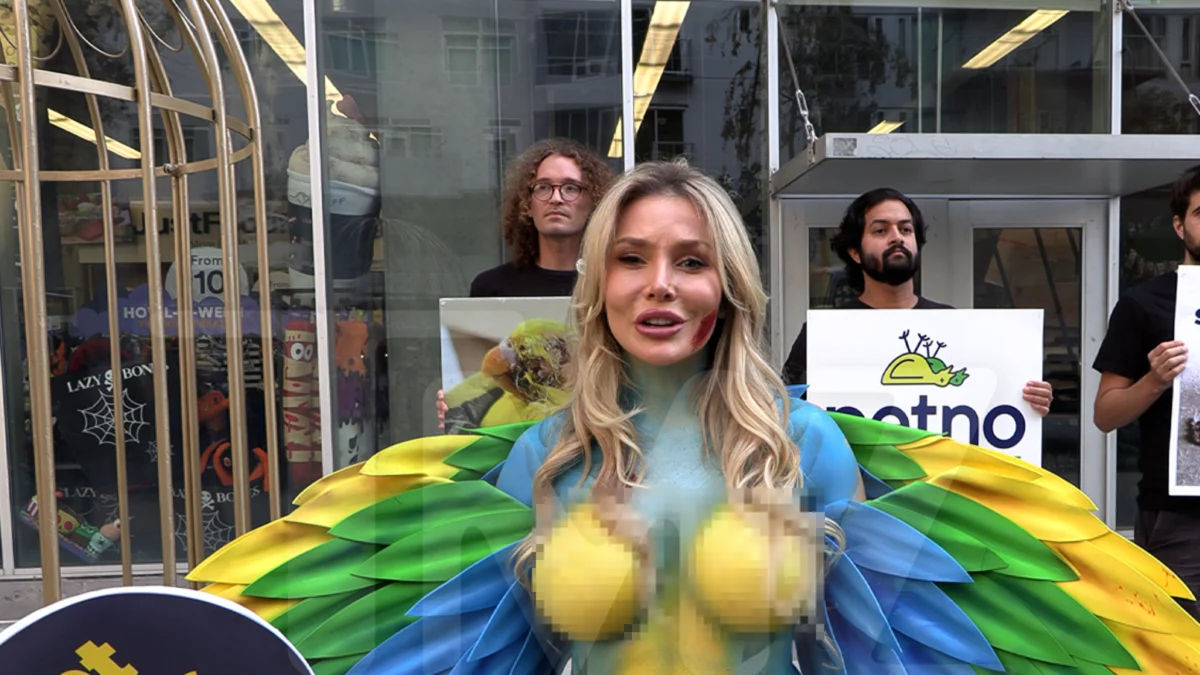
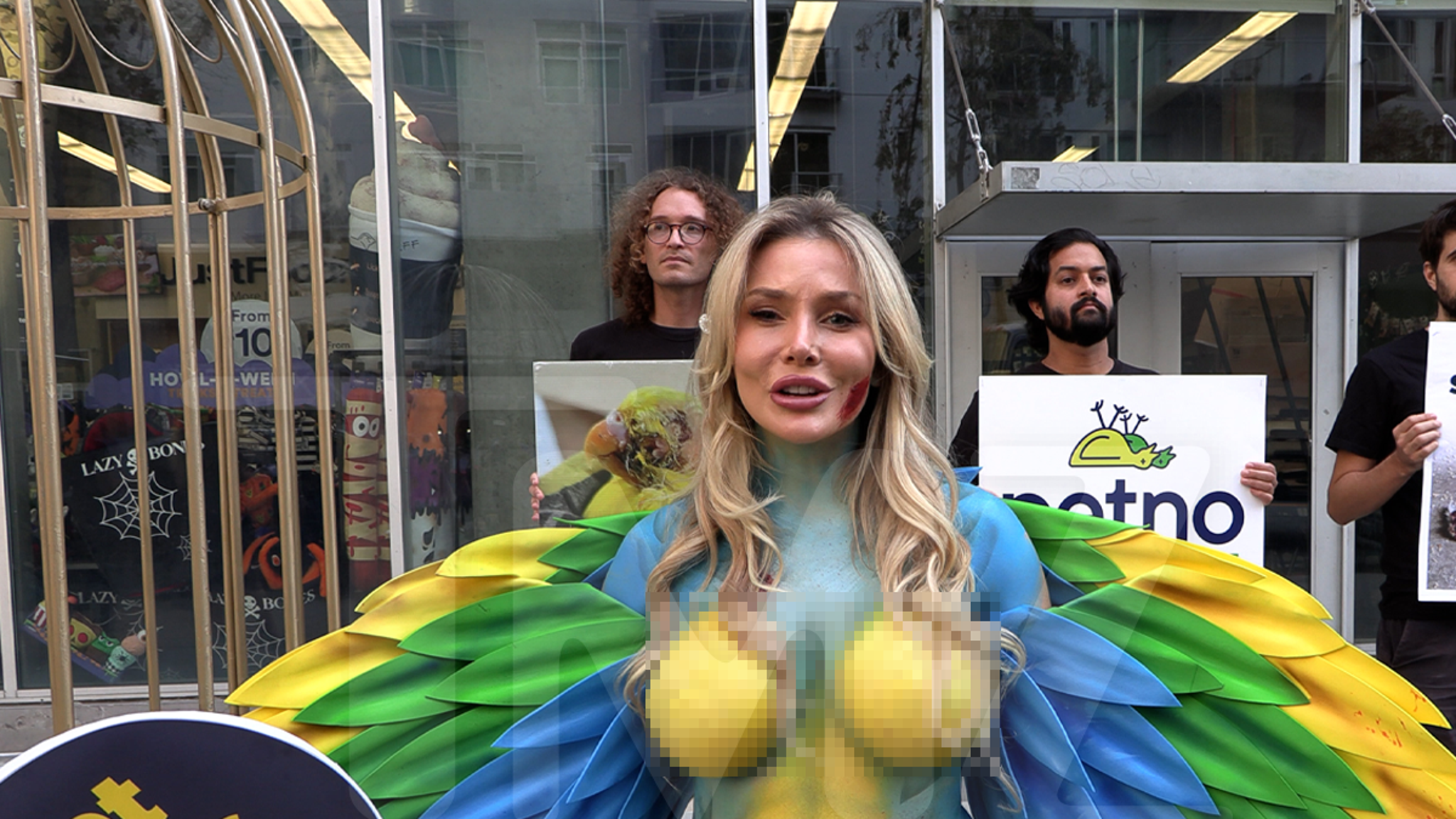
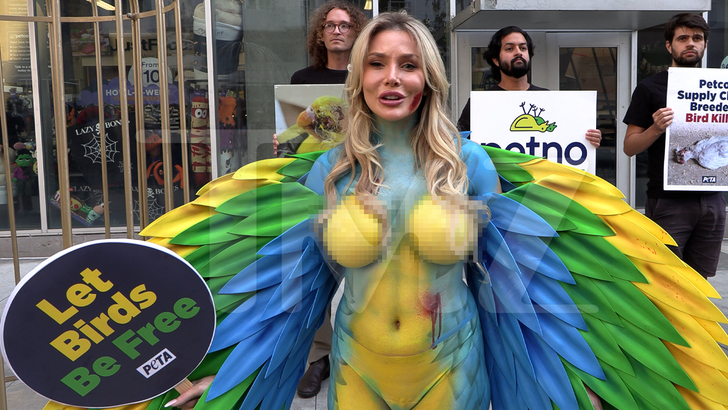
In a bold and visually striking demonstration on Tuesday, September 22, 2026, reality television personality and burgeoning animal rights advocate Courtney Stodden took to the streets in collaboration with the People for the Ethical Treatment of Animals (PETA) to protest Petco’s continued sale of live birds. The protest, designed to draw immediate public and media attention, featured Stodden in a meticulously painted ensemble, conveying a powerful message against what she and PETA allege are inhumane practices within the pet retail industry’s avian supply chain.
Stodden appeared in a daring, barely-there outfit consisting of a painted thong and pasties. Her body was transformed into a canvas, adorned with vibrant depictions of bird feathers and the distinctive colors of a parrot, juxtaposed with stark, simulated bloodstains. This artistic and provocative presentation was a deliberate effort to symbolize the suffering and alleged mistreatment of birds before they reach store shelves. Stodden articulated her motivation, stating emphatically, "Petco’s bird sales can’t be allowed to fly," underscoring her commitment, alongside PETA, to compel the company to cease these sales. The protest culminated with Stodden performing an attention-grabbing "bird call" for onlookers and cameras, further solidifying the theatrical yet earnest nature of her advocacy.
The Evolution of Courtney Stodden’s Activism
Courtney Stodden, who initially gained public recognition through her controversial marriage and subsequent appearances in reality television, has increasingly leveraged her platform for animal rights activism. This latest demonstration targeting Petco is not an isolated incident but rather a continuation of a pattern of high-profile, body-centric protests designed to provoke thought and stimulate public discourse. Stodden’s transition into a prominent voice for animal welfare has been marked by a series of collaborations with PETA, an organization renowned for its provocative and often controversial campaigns.
Just a few months prior, on March 12, 2026, Stodden garnered significant media attention for another impactful protest. On that occasion, she publicly doused herself in black paint to protest the use of leather in the fashion industry. That event saw her covered head-to-toe in the dark substance, symbolizing the cruelty inflicted upon animals for their skins, and was accompanied by strong statements urging consumers and designers to embrace vegan alternatives. These protests collectively illustrate Stodden’s unwavering dedication to animal protection, a commitment she frequently reiterates, affirming her readiness "to go as far as she needs to in order to protect animals." Her declared intent to maintain "a bird’s-eye view of the animal kingdom and flying off to whichever species needs help next" signals a long-term engagement with various animal welfare issues.
PETA’s Campaign Against Pet Stores and Avian Sales
PETA has a long and well-documented history of campaigning against the sale of live animals in pet stores, with a particular focus on birds. The organization consistently argues that pet stores, including major retailers like Petco, perpetuate a cycle of cruelty by sourcing animals from commercial breeders, often referred to as "puppy mills" or, in the case of birds, "bird mills." These facilities are frequently criticized for their overcrowded, unsanitary conditions, lack of proper veterinary care, and inadequate environmental enrichment, leading to immense psychological and physical suffering for the animals.
For birds, the concerns are particularly acute. Many avian species require complex social structures, expansive flight spaces, specialized diets, and significant mental stimulation to thrive. In a commercial breeding setting, and subsequently in pet store environments, these needs are rarely met. Birds are often housed in small cages, deprived of opportunities to fly, forage, or interact naturally. This can lead to stress-induced behaviors such as feather plucking, aggression, and repetitive movements. Furthermore, the transportation of birds from breeding facilities to retail outlets can be extremely stressful and even fatal, with many birds succumbing to shock, dehydration, or injury during transit. PETA’s investigations into such facilities have repeatedly uncovered instances of neglect, disease, and high mortality rates, fueling their calls for retailers to adopt adoption-only models for all animals.
The Ethical Dilemma of Pet Retail: Data and Context
The debate surrounding the sale of live animals in pet stores extends beyond individual cases of alleged mistreatment to broader ethical and environmental concerns. According to industry reports, millions of birds are sold annually in the United States alone, ranging from small finches and parakeets to larger, more complex parrots. The vast majority of these birds are captive-bred, but concerns persist about the conditions of these breeding operations. While some breeders adhere to high welfare standards, the sheer scale of the industry makes comprehensive oversight challenging, and many animals originate from facilities prioritizing profit over welfare.
Veterinarians and animal behaviorists often highlight the significant challenges faced by pet bird owners. Exotic birds, in particular, have highly specialized needs that are often underestimated by consumers. Studies indicate a high rate of relinquishment or neglect for pet birds, partly due to owners being unprepared for the long-term commitment, specialized care, and financial investment required. For example, large parrots can live for 50-80 years, requiring decades of dedicated care, which many impulse buyers are unable to provide. This often leads to birds being rehomed multiple times, or worse, suffering in inadequate environments. Animal shelters and rescue organizations report an increasing number of surrendered birds, underscoring the broader societal impact of commercial pet sales.
Petco’s Stated Policies and Industry Responses
Petco, like other major pet retailers, publicly maintains a commitment to animal welfare. The company’s official statements typically emphasize responsible sourcing, rigorous vendor selection processes, and internal welfare standards for the animals in their care. Petco often highlights its efforts in pet adoption, partnering with local shelters and rescue groups to facilitate the rehoming of dogs, cats, and other small animals. However, their continued sale of live birds, reptiles, and fish remains a point of contention for animal rights organizations.
In response to past criticisms, Petco has generally defended its practices, asserting that their animals are sourced from reputable breeders and distributors who comply with relevant laws and regulations. They often state that their store employees receive training on animal care and that animals receive regular health checks. While Petco has made strides in other areas, such as discontinuing the sale of certain controversial products or transitioning to a focus on pet health and wellness services, the sale of live birds has largely continued. The company’s position reflects a balance between consumer demand for various pet species and growing public pressure for more ethical business models. Official statements from Petco regarding Stodden’s specific protest were not immediately available, but past responses to PETA campaigns have generally involved reaffirming their commitment to animal welfare standards and the responsible sale of pets.
The Strategy of Celebrity Activism
The collaboration between Courtney Stodden and PETA exemplifies a strategic approach to activism that has proven effective in generating media attention and public engagement. PETA has long utilized celebrities, often in provocative or controversial ways, to amplify their messages. The use of minimal clothing and body paint is a recurring motif in PETA’s campaigns, designed to create visually arresting images that are highly shareable across traditional and social media platforms. This "shock value" approach aims to cut through the noise of daily news cycles and force a conversation about issues that might otherwise be overlooked.
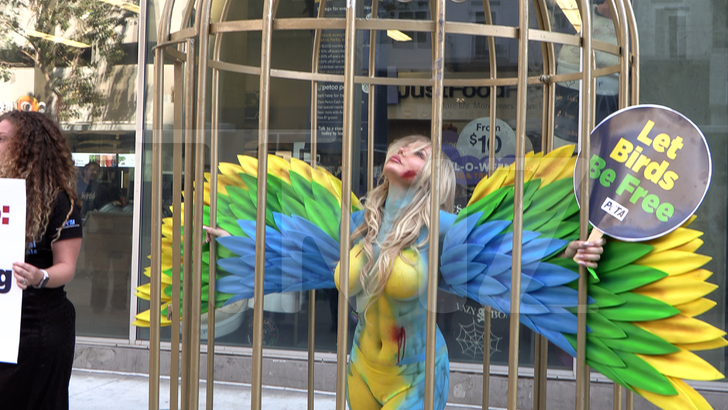
Stodden’s unique public persona, combined with her increasingly serious commitment to animal rights, makes her an ideal figure for such campaigns. Her willingness to engage in highly visible, unconventional protests ensures that the message—in this case, the plight of birds sold in pet stores—reaches a broad audience. While such tactics sometimes draw criticism for being sensationalist, their effectiveness in attracting eyeballs and sparking debate is undeniable. The "bird call" performance, for instance, adds an element of theatricality and virality, ensuring the protest footage circulates widely online.
Broader Implications and Public Discourse
Courtney Stodden’s protest against Petco’s bird sales contributes to a larger, ongoing societal debate about the ethics of pet ownership, the responsibilities of retailers, and the fundamental rights of animals. The implications of such a high-profile demonstration are multi-faceted:
- Impact on Petco: The protest could intensify public scrutiny of Petco’s avian sales practices. While unlikely to immediately halt sales, it adds pressure on the company to re-evaluate its sourcing, housing, and overall ethical framework concerning live animal sales. Consumer perception, particularly among younger, more ethically-minded demographics, could be affected.
- Advancement of Animal Rights: The campaign elevates the conversation about bird welfare, an area often overshadowed by discussions surrounding more traditional companion animals like cats and dogs. By highlighting the complex needs of birds and the alleged shortcomings of commercial sales, Stodden and PETA aim to shift public opinion and encourage more responsible pet guardianship or even a move towards bird adoption from rescues.
- Celebrity Influence: Stodden’s continued activism reinforces the growing trend of celebrities using their influence for social causes. This can galvanize supporters, attract new activists, and provide a visible face for movements that might otherwise struggle for mainstream recognition.
- Consumer Awareness: The visual nature of the protest, particularly the simulated bloodstains, is intended to evoke an emotional response and compel consumers to consider the journey of a pet bird from breeder to store to home. This could lead to more informed purchasing decisions or a preference for adopting animals in need.
- Legislative Pressure: While not directly aimed at legislation, sustained public pressure generated by such protests can indirectly influence lawmakers to consider stricter regulations on commercial breeding operations and pet store sales. Several jurisdictions have already banned the sale of commercially bred dogs and cats in pet stores, and similar calls for birds may grow.
The ethical dimensions of bringing wild or semi-wild species into captivity for human companionship are becoming increasingly scrutinized. Animal welfare organizations advocate for a paradigm shift where animals are viewed not as commodities but as sentient beings with intrinsic value and complex needs. Stodden’s protest serves as a poignant reminder of this evolving perspective, pushing the boundaries of traditional activism and challenging established commercial practices within the pet industry. Her unwavering commitment, as evidenced by her past and present actions, suggests that the "bird’s-eye view" she promised will continue to scan the horizon for further opportunities to advocate for those without a voice.




 Jia Lissa
 Yuyun Lusiyani
 Joko Widodo
 Eva Lovia

 Pevita Pearce