
 Jia Lissa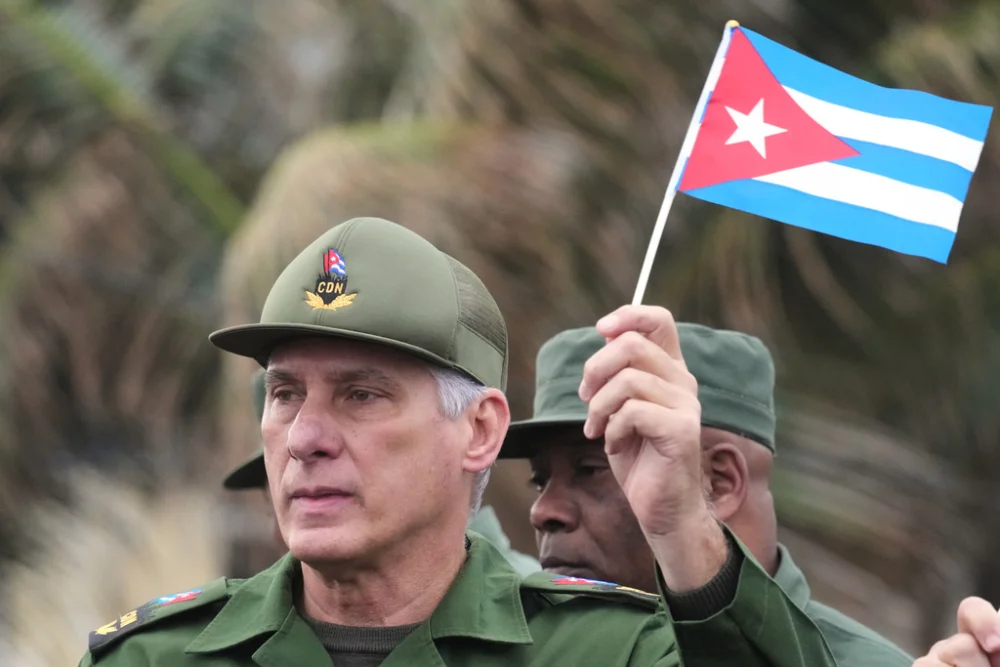
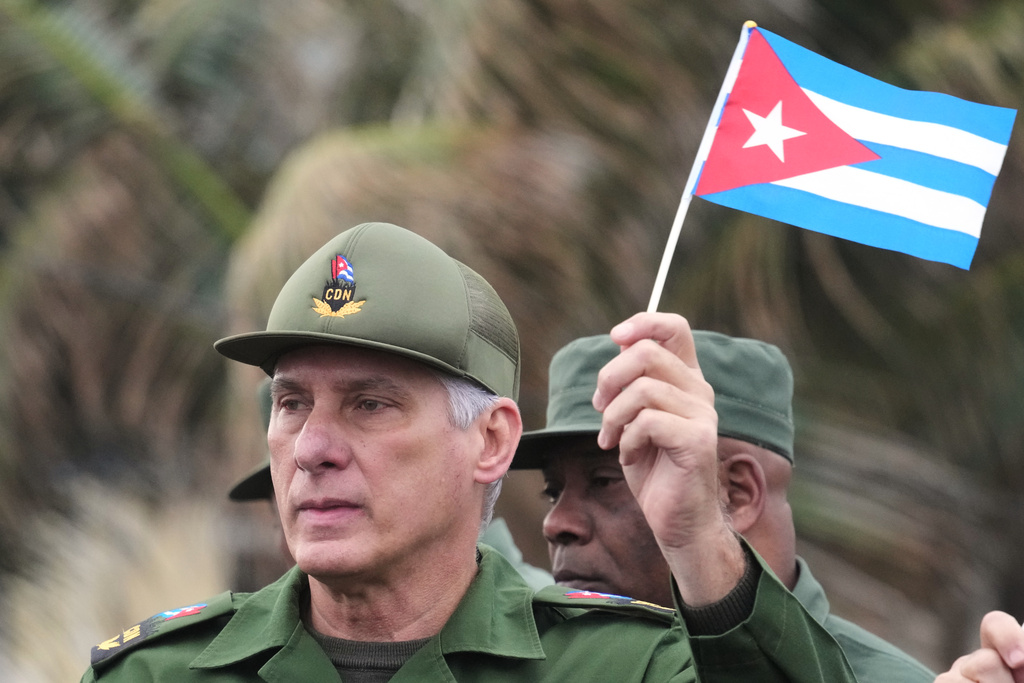
The Cuban government has officially acknowledged the existence of high-level, clandestine diplomatic discussions with the Trump administration, ending weeks of speculation regarding the nature of communication between Havana and Washington. Cuban President Miguel Díaz-Canel confirmed the reports during a televised news conference, marking a significant shift in the island’s defensive posture following a series of aggressive statements from the White House. The admission comes at a moment of profound vulnerability for the Caribbean nation, which is currently grappling with an unprecedented collapse of its energy infrastructure and a worsening shortage of essential resources.
President Díaz-Canel’s confirmation followed a report by The New York Times detailing the "secret" nature of these meetings, which are reportedly taking place as the United States intensifies its focus on the Western Hemisphere. "Agendas are built, negotiations and conversations take place, and agreements are reached—things we are still far from because we are in the initial phases of this process," Díaz-Canel stated. His remarks suggest a cautious openness to dialogue, even as the Cuban leadership faces public threats of a "friendly takeover" by U.S. President Donald Trump.
The Context of the Energy Crisis and Economic Fragility
The primary driver behind Cuba’s willingness to engage in secret talks appears to be a dire internal crisis. For several months, Cuba has faced a "devastating" fuel shortage that has paralyzed large sectors of the economy. The national power grid, described by officials as "unstable" and prone to total failure, has left millions of citizens in darkness for extended periods. According to regional energy analysts, the collapse of the Cuban grid is not merely a technical failure but a geopolitical consequence of the recent U.S. military intervention in Venezuela.
Historically, Cuba has relied heavily on subsidized oil from Venezuela to maintain its electricity and transportation sectors. However, following the U.S. sweep through Venezuela and the subsequent arrest of President Nicolás Maduro, those supply lines have been effectively severed. Data from maritime tracking services indicates that oil shipments from Caracas to Havana have dropped by more than 85% since the start of the year. This sudden deficit has forced the Cuban government to implement draconian rationing measures, with some provinces receiving only four to six hours of electricity per day.
The humanitarian implications are significant. Hospitals in rural areas are operating on aging diesel generators, and the lack of refrigeration has led to a spike in food spoilage during a time of extreme scarcity. By entering negotiations with Washington, the Díaz-Canel administration may be seeking a "humanitarian carve-out" or a stabilization of energy supplies in exchange for political concessions—a prospect that would have been unthinkable under the previous Castro-led eras.
A Timeline of Escalating Rhetoric: From "Friendly Takeover" to Direct Threats
The trajectory of U.S.-Cuba relations took a sharp turn in late February 2026. Following the success of Operation Epic Fury in the Middle East and the rapid regime change in Venezuela, President Trump turned his attention toward Havana.
On February 27, while speaking to reporters on the White House lawn, President Trump introduced the concept of a "friendly takeover." He suggested that the Cuban government was in a state of terminal decline and that the United States was the only power capable of rectifying the situation. "They don’t have anything right now, but they’re talking with us, and maybe we’ll have a friendly takeover of Cuba," Trump stated. He framed the potential intervention as a long-overdue resolution to a conflict that has persisted since his childhood. "We’ve had a lot of years of dealing with you. I’ve been hearing about Cuba since I’m a little boy, but they’re in big trouble, and we could—well, something good."
However, the "friendly" nature of this proposal quickly dissipated. By March 9, the President’s language had hardened significantly. During a follow-up briefing, he reiterated his intentions but added a stark warning: "It may not be a friendly takeover." This shift in tone coincided with reports of U.S. Southern Command (SOUTHCOM) repositioning naval assets in the Florida Straits, a move the Pentagon described as "routine" but which Havana viewed as a precursor to a blockade or invasion.
The Congressional Echo and the "Next in Line" Doctrine
The President’s rhetoric has found strong support among key allies in Congress. Senator Lindsey Graham (R-SC), a prominent voice on the Senate Foreign Relations Committee, has been vocal about the administration’s regional goals. Following the U.S. strikes in Iran, Graham appeared on Fox News to signal that the "domino effect" of the Trump administration’s foreign policy would inevitably reach Havana.
"Cuba’s next," Graham told host Trey Gowdy. "They’re gonna fall. This communist dictatorship in Cuba, their days are numbered." Graham’s comments reflect a broader sentiment within the Republican base that the removal of the Maduro regime in Venezuela has left Cuba isolated and ripe for a transition of power. This "Next in Line" doctrine suggests that the administration views the current geopolitical climate as a unique window of opportunity to eliminate the last vestiges of Cold War-era adversaries in the Americas.
Supporting Data: The Impact of Sanctions and Isolation
To understand the leverage the United States currently holds, one must look at the economic data surrounding the island. Since the re-imposition of strict Title III and Title IV sanctions under the Helms-Burton Act, foreign investment in Cuba has plummeted.
- GDP Contraction: Estimates from independent economic observers suggest the Cuban economy contracted by 7.4% in the last fiscal year, with a projected 10% drop if the energy crisis is not resolved by the third quarter of 2026.
- Inflation: The unofficial exchange rate for the Cuban Peso (CUP) has reached record lows against the dollar, leading to triple-digit inflation for imported goods.
- Remittances: The tightening of restrictions on electronic money transfers has reduced the flow of remittances from the Cuban-American diaspora by an estimated $1.2 billion annually.
- Tourism: The industry, once the backbone of the Cuban economy, has seen a 60% decline in arrivals as travelers avoid the island due to infrastructure instability and the perceived risk of conflict.
These figures illustrate why the Díaz-Canel administration has been forced to the negotiating table. Without a restoration of the power grid or a lifting of the most punitive sanctions, the Cuban government faces the very real possibility of internal civil unrest on a scale exceeding the protests of July 2021.
Official Responses and Diplomatic Maneuvering
While the White House has maintained a policy of "no comment" regarding the specifics of the secret meetings, officials within the State Department have hinted that any long-term agreement would be contingent on "verifiable democratic reforms."
In Havana, the reaction to Díaz-Canel’s admission has been one of cautious anxiety. The state-run media has attempted to frame the talks as a sign of Cuban strength and "sovereign dignity," arguing that even the "imperialist power" must recognize the legitimacy of the Cuban revolutionary government. However, behind the scenes, there are reports of significant friction within the Communist Party of Cuba (PCC). Hardline elements are reportedly wary that Díaz-Canel may be preparing to concede too much in exchange for energy security, potentially mirroring the "perestroika" that led to the collapse of the Soviet Union.
International observers, including the European Union and the United Nations, have urged both sides to avoid military escalation. A spokesperson for the EU Foreign Affairs office stated, "While we recognize the need for democratic progress in Cuba, we believe that any transition must be peaceful and led by the Cuban people, rather than imposed through external military or economic coercion."
Broader Impact and Geopolitical Implications
The outcome of these secret negotiations will have far-reaching implications for the geopolitical landscape of the 21st century. If the Trump administration successfully facilitates a "takeover"—friendly or otherwise—it would represent the most significant shift in Western Hemispheric politics since the end of the Cold War.
For the United States, a transition in Cuba would eliminate a long-standing security concern and a historical foothold for adversaries like Russia and China in the Caribbean. For the Cuban people, the stakes are existential. A "friendly takeover" could lead to a massive influx of U.S. capital, the restoration of the power grid, and an end to decades of isolation. Conversely, a "not-so-friendly" intervention could result in a protracted conflict, humanitarian disaster, and a regional refugee crisis that would directly impact the southern United States.
As the "initial phases" of these secret meetings continue, the world remains focused on the Florida Straits. The combination of Trump’s "America First" assertiveness and Cuba’s desperate need for survival has created a volatile and unpredictable diplomatic environment. Whether these talks lead to a historic reconciliation or serve as the final prelude to a confrontation remains the defining question of the current administration’s foreign policy.

 Yuyun Lusiyani
 Joko Widodo
 Eva Lovia
 Pevita Pearce