
 Jia Lissa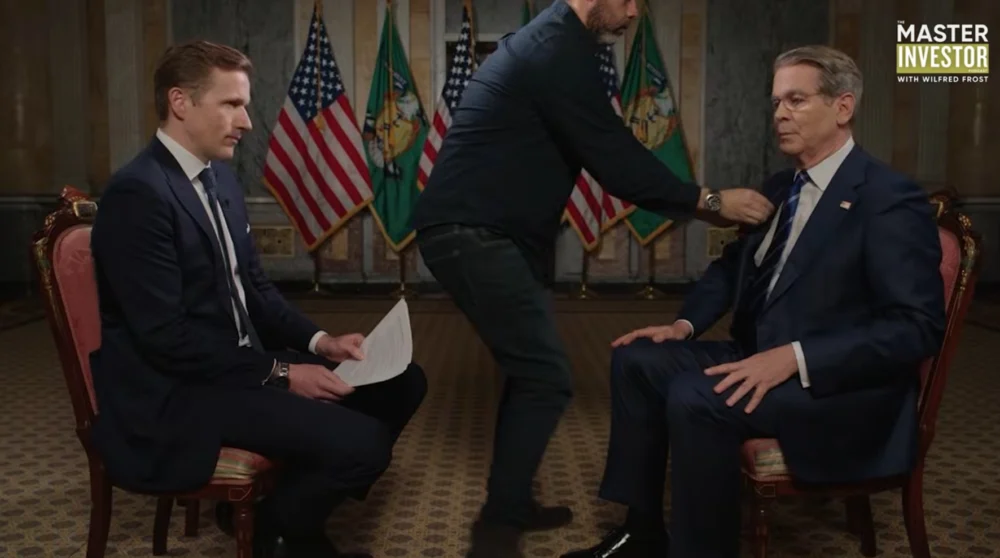
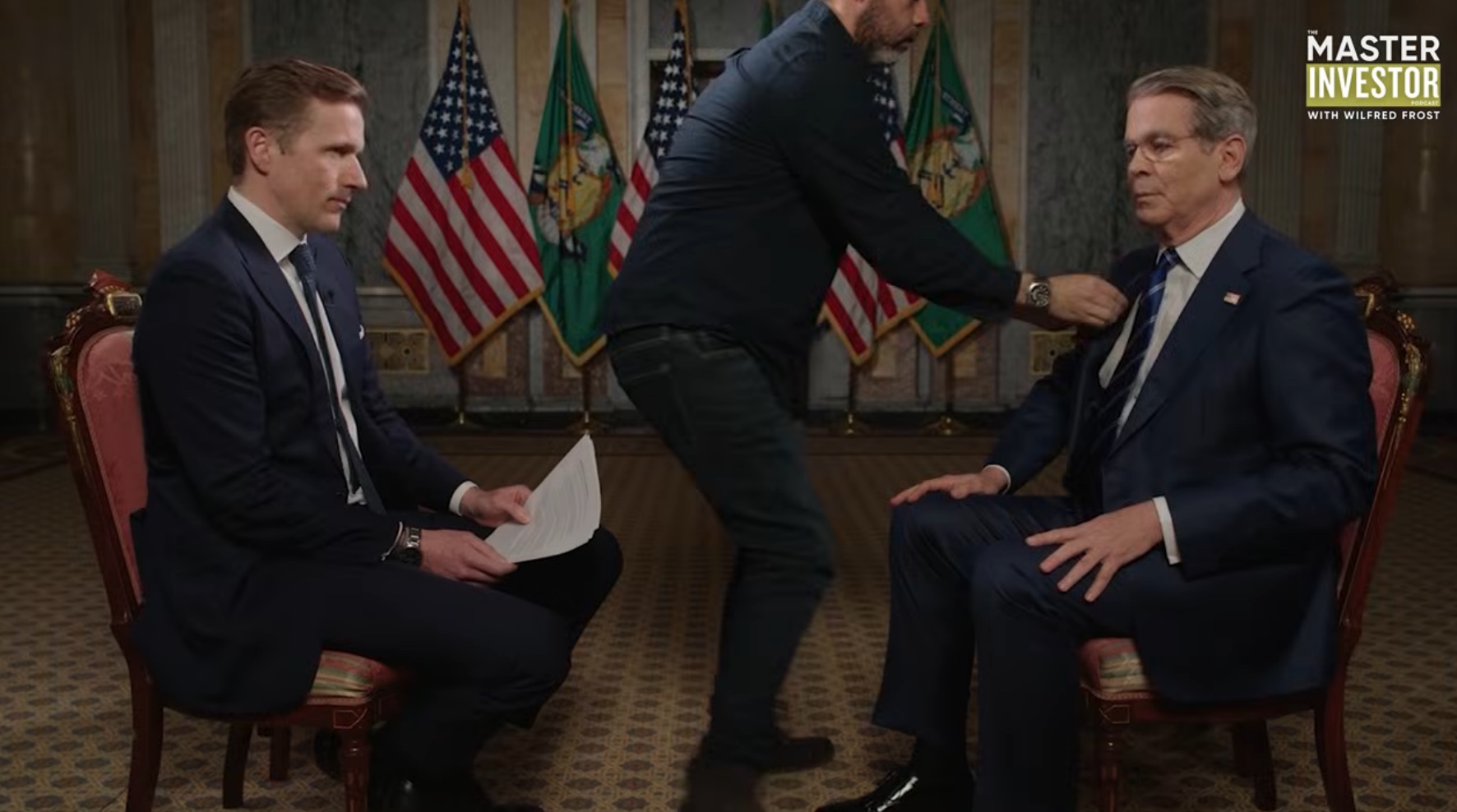
Treasury Secretary Scott Bessent was abruptly summoned to the White House Situation Room on Thursday morning while participating in a high-profile televised interview, an event that highlights the intensifying volatility of the ongoing military conflict in the Middle East. The interruption occurred at 10:22 a.m. during a session with Wilfred Frost of Australia’s Sky News, held in conjunction with Master Investor. The urgency of the summons, delivered by an off-camera aide who informed the Secretary that the President required his presence "right away," underscores the critical nature of the current geopolitical climate and its direct impact on the highest levels of American fiscal and strategic planning.
The incident took place against a backdrop of significant regional instability. Since February 28, the United States, under the direction of President Donald Trump and in coordination with Israeli Prime Minister Benjamin Netanyahu, has been engaged in an active military campaign against Iran. This conflict has not only reshaped the geopolitical landscape of the Persian Gulf but has also sent shockwaves through global financial markets, leading to a sharp decline in stock indices and a dramatic surge in energy prices. The Treasury Secretary’s role has become increasingly pivotal as the administration seeks to manage the economic fallout of a war that has now entered its third week.
A Moment of High-Stakes Interruption
The interview with Wilfred Frost was intended to cover the administration’s economic outlook and the Treasury’s response to market fluctuations. However, the session was cut short when the aide interrupted Frost as he was beginning to pose a question. Secretary Bessent’s immediate departure for the Situation Room—the secure command center where the President and his top national security advisors manage crises—provided a rare public glimpse into the real-time pressures facing the executive branch.
Bessent returned to the interview at 12:07 p.m., nearly two hours after his departure. When questioned by Frost regarding the nature of the meeting and the President’s demeanor, Bessent characterized the atmosphere as controlled and optimistic. He stated that President Trump was in "great spirits" and asserted that the "Iranian mission is proceeding well ahead of schedule." In an effort to project confidence in the military leadership, Bessent invoked a personal sentiment, noting that he would trust the lives of his own children to the current command structure, including the President, the Chairman of the Joint Chiefs of Staff, and the Secretary of War.
Context of the Conflict: The February 28 Offensive
The current war began on February 28, following a series of escalations that led to a joint U.S.-Israeli offensive. The campaign has targeted high-value Iranian assets, including military infrastructure and leadership hubs. According to reports, the toll on the Iranian government has been severe. More than 1,300 Iranians have been confirmed killed, among them the Supreme Leader Ali Khamenei and dozens of other high-ranking officials. The decapitation of the Iranian leadership has created a power vacuum in Tehran, even as the country’s military apparatus continues to mount a fierce resistance.
In retaliation, Iran has utilized its proximity to the Strait of Hormuz to disrupt global trade. The Strait, a narrow waterway between the Persian Gulf and the Gulf of Oman, is perhaps the most critical maritime chokepoint in the world. Approximately 20% of the world’s total oil exports pass through this channel daily. Since the start of the war, Iran has launched numerous attacks on commercial vessels, effectively closing the waterway to safe passage.
The Economic Toll: Oil Markets and Global Shipping
The closure of the Strait of Hormuz has had an immediate and deleterious effect on the global economy. At least 16 tankers and cargo ships have been struck by Iranian fire since February 28. These attacks have occurred not only within the Strait but also in the Persian Gulf and the Gulf of Oman, suggesting a broad theater of maritime risk.
For the Treasury Department, the primary concern is the stabilization of energy markets. As oil tankers are diverted or stalled, Brent Crude and West Texas Intermediate (WTI) prices have spiked to levels not seen in years. This surge in energy costs acts as a regressive tax on global consumers and threatens to reignite inflationary pressures that the Treasury had previously been working to contain. Furthermore, the shipping industry has seen insurance premiums for vessels operating in the Middle East skyrocket, adding further costs to the global supply chain.
Supporting data indicates that the S&P 500 and other major global indices have experienced significant sell-offs as investors flee to safe-haven assets like gold and U.S. Treasuries. The "war premium" now baked into oil prices is estimated by some analysts to be between $20 and $30 per barrel, depending on the perceived duration of the naval blockade.
The Human and Political Cost of the Campaign
While the administration maintains that the mission is "ahead of schedule," the human cost of the conflict continues to mount on both sides. In addition to the heavy Iranian casualties, the U.S. military has reported the deaths of seven service members, with dozens more wounded in various engagements across the region. These casualties have occurred during strikes on U.S. military installations and during operations to secure maritime routes.
The political implications of these losses are substantial. Domestically, the administration faces a delicate balancing act: maintaining public support for a high-intensity conflict while managing the economic hardships caused by rising fuel prices and market volatility. Secretary Bessent’s comments regarding his willingness to trust the military with his own family members appear to be a strategic effort to reassure a nervous public of the competence and moral clarity of the nation’s leadership.
Chronology of the Iran-U.S. Conflict (2026)
To understand the gravity of Secretary Bessent’s Situation Room summons, it is necessary to review the rapid progression of events over the past several weeks:
- February 28: The U.S. and Israel launch a coordinated strike on Iranian nuclear and military facilities. The administration cites "imminent threats" as the justification for the pre-emptive action.
- March 2: Iran begins retaliatory strikes against U.S. bases in Iraq and Syria. Initial reports of ship harassment in the Strait of Hormuz emerge.
- March 4: Global oil prices jump 10% in a single trading session as reports confirm a tanker has been disabled by an Iranian drone.
- March 6: Confirmation of the death of Supreme Leader Ali Khamenei following a precision strike in Tehran. The Iranian mission is declared a strategic success by the White House, though resistance continues.
- March 8: The Pentagon confirms the first U.S. combat fatalities of the conflict. Seven service members are killed in a coordinated missile attack on a regional logistics hub.
- March 10: The number of commercial vessels struck in the Persian Gulf reaches 12. Major shipping firms announce a total suspension of transit through the Strait of Hormuz.
- March 12 (10:22 a.m.): Treasury Secretary Scott Bessent is pulled from his interview with Sky News to attend an emergency briefing in the Situation Room.
- March 12 (12:07 p.m.): Bessent returns to the interview, citing the President’s "great spirits" and the successful trajectory of the military campaign.
Official Responses and Strategic Implications
The international community remains deeply divided over the conflict. While some allies have offered logistical support for the maritime security mission, others have expressed concern over the potential for a wider regional conflagration involving other powers. The United Nations has called for an immediate ceasefire, citing the rising civilian death toll and the risk of a global economic depression.
Domestically, the "Secretary of War" title used by Bessent—a historical term for the Secretary of Defense—suggests a shift toward a more aggressive, wartime footing within the cabinet. This rhetorical choice may reflect a broader reorganization of the federal government’s priorities toward national security and military industrial mobilization.
The Treasury Department’s immediate focus remains on preventing a total market collapse. Analysts suggest that Bessent’s presence in the Situation Room was likely required to discuss the implementation of further secondary sanctions on entities still attempting to trade with Iran, or to coordinate a strategic petroleum reserve release with international partners to mitigate the oil price spike.
Broader Impact and Future Outlook
As the conflict continues, the primary challenge for the U.S. government will be the restoration of freedom of navigation in the Strait of Hormuz. Without a secure passage for oil exports, the global economy faces a period of prolonged stagflation. The "Iranian mission" may be ahead of schedule in terms of degrading military targets, but the economic war is only beginning.
The interruption of Secretary Bessent’s interview serves as a potent symbol of this era. In a world where 20% of the energy supply can be held hostage by regional skirmishes, the line between economic policy and military strategy has effectively vanished. For now, the markets remain on edge, waiting for the next update from the Situation Room, while the administration continues its pursuit of a definitive conclusion to the hostilities in the Middle East. The coming days will be crucial in determining whether the "great spirits" reported by Secretary Bessent can be translated into a stable and lasting peace, or if the global economy must prepare for a long-term restructuring in the face of persistent maritime instability.



 Yuyun Lusiyani
 Joko Widodo
 Eva Lovia
 Pevita Pearce
 admin
admin
 Lina Irawan