
 Ana Megawati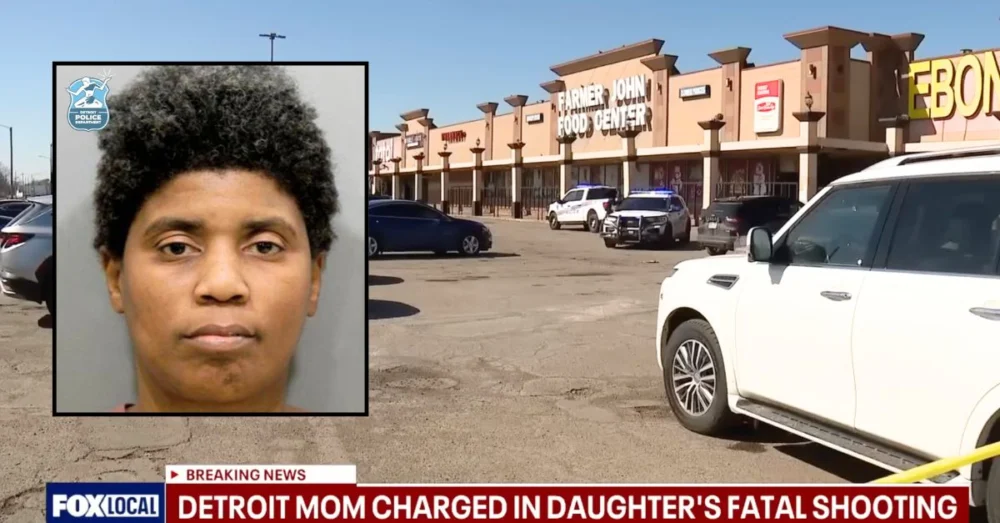
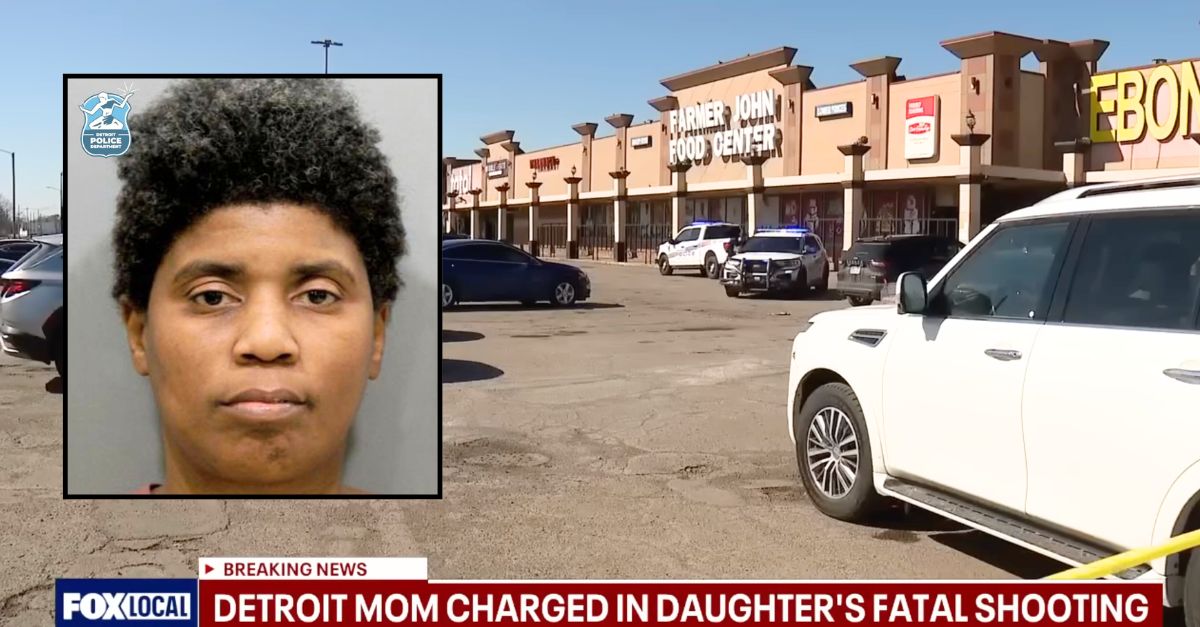
A profound tragedy has unfolded in Detroit, Michigan, leading to severe charges against a mother whose alleged negligence resulted in the death of her 6-year-old daughter. Tonya Charisse-Annice Johnson, 41, stands accused of leaving her five young children unattended in a vehicle with an unsecured handgun, which her 11-year-old son subsequently found and discharged, fatally striking his younger sister. The incident has ignited widespread concern regarding child safety, responsible firearm storage, and the profound ripple effects of such preventable acts of violence.
The Tragic Incident and Immediate Aftermath
The devastating events transpired on Monday, March 4, 2024, around noon, in the parking lot of a commercial establishment located on the 9700 block of Harper Avenue in Detroit. According to reports from the Detroit Police Department and local media affiliate WJBK, Tonya Johnson, who was working as a DoorDash delivery driver, had parked her vehicle and entered a restaurant to pick up a food order. Allegations state that she left her five children, ranging in age from 2 to 11 years old, alone inside the car. Critically, an unsecured handgun was also reportedly present within the vehicle.
While their mother was inside the restaurant, the 11-year-old son discovered the firearm. In a moment that would irrevocably alter the lives of everyone involved, the boy discharged the weapon. The bullet struck his 6-year-old sister in the head, inflicting a fatal wound. Emergency services were immediately alerted, with police officers responding to the scene at approximately 12:06 p.m. Upon arrival, officers observed the critically injured child. She was swiftly transported to a nearby hospital, where medical personnel pronounced her deceased shortly thereafter. The name of the young victim has not been publicly released, respecting the family’s privacy during this unimaginably difficult time. The immediate scene was one of chaos and profound distress, with first responders and witnesses grappling with the horror of the accidental shooting.
Investigation and Formal Charges
Following a meticulous investigation by the Detroit Police Department, authorities moved to press charges against Tonya Charisse-Annice Johnson. On Thursday, March 7, 2024, Johnson appeared in court for her arraignment, where additional details of the case were brought to light. She faces a litany of serious charges, underscoring the gravity of the alleged negligence: three counts of second-degree child abuse, one count of failing to securely store a firearm resulting in death, and four counts of felony firearm.
The charge of failing to securely store a firearm resulting in death is particularly pertinent, reflecting Michigan’s commitment to holding gun owners accountable for negligent storage that leads to fatal outcomes. The three counts of second-degree child abuse likely relate to the three surviving minor children who were allegedly placed in a dangerous environment, in addition to the direct tragic outcome for the deceased child. The felony firearm charges typically accompany other felony offenses in Michigan, indicating that Johnson was allegedly in possession of a firearm during the commission of a felony. These charges collectively paint a picture of severe alleged dereliction of parental duty and firearm responsibility.
During her virtual court appearance, Johnson reportedly wiped away tears, visibly distressed by the proceedings. Her defense attorney stated that "nobody feels worse right now" than the defendant, attempting to convey the immense personal anguish she is experiencing. However, Wayne County Assistant Prosecutor Aniela Bosca offered a stark assessment of the situation, emphasizing the far-reaching and devastating consequences of Johnson’s alleged actions. "There is going to be life-long trauma that this young man is going to suffer as a result of shooting his sister," Bosca stated, highlighting the unimaginable psychological burden on the 11-year-old. She continued, "Knowing that he killed her, the other children that were in the vehicle watching this happen, and this was negligible." Bosca’s remarks underscore the prosecutorial stance that the incident was not merely an unfortunate accident but a preventable tragedy stemming from clear negligence. Johnson is scheduled to return to court for a preliminary examination on March 13, where a judge will determine if there is sufficient evidence to proceed to trial.
The Broader Context: Unsecured Firearms and Child Safety
This heart-wrenching incident in Detroit serves as a stark reminder of the critical importance of secure firearm storage, particularly in households with children. The statistics surrounding unintentional shootings by children are deeply troubling and underscore a persistent public health crisis. According to data compiled by Everytown for Gun Safety, a leading gun violence prevention organization, unintentional shootings by children are a tragically common occurrence across the United States. Between 2015 and 2022, there were over 2,800 unintentional shootings by children, resulting in 1,083 deaths and 1,837 non-fatal injuries. In 2022 alone, there were at least 320 unintentional shootings by children, leading to 146 deaths and 183 injuries. These figures illustrate a systemic problem rooted in accessible, unsecured firearms.
Michigan’s Evolving Gun Safety Landscape
The legal framework surrounding firearm storage in Michigan has recently undergone significant changes, making this case particularly relevant to the ongoing debate about gun safety legislation. Effective February 13, 2024, Michigan’s new "safe storage" law came into force. This law mandates that firearms must be stored unloaded and locked, or kept in a locked container or with a trigger lock, if a minor is likely to be present in the home. It also stipulates that a loaded firearm must be stored in a locked container or secured with a trigger lock if a minor is present in the home. Violations of this law can result in severe penalties, escalating if the unsecured firearm leads to injury or death. Specifically, if an unsecured firearm is used by a minor to kill or injure themselves or another person, the gun owner can face felony charges and substantial prison time.
Prior to this new legislation, Michigan had a more lenient approach to firearm storage, lacking a comprehensive statewide mandate for secure storage, especially in homes with children. The charges against Tonya Johnson, particularly "failing to securely store a firearm resulting in death," directly align with the spirit and intent of these recently enacted laws, even if the specific application might depend on the precise date of the alleged offense and the effective date of all aspects of the new law. This case will undoubtedly test the enforcement and impact of Michigan’s strengthened gun safety measures.
Beyond firearm storage, Michigan also has laws regarding child supervision. While there is no explicit age at which a child can legally be left home alone, state guidelines and child protective services emphasize that children should not be left in situations where their safety or well-being is compromised. Leaving multiple young children unattended in a vehicle, especially with a deadly weapon present, would likely be considered a clear violation of these principles, contributing to the child abuse charges.
The Ripple Effect: Trauma and Societal Implications
The emotional and psychological trauma inflicted by this incident extends far beyond the immediate victim. The 11-year-old boy who fired the gun will carry the immense burden of this accident for the rest of his life. The concept of "accidental" in this context refers to the lack of intent to harm, but the act itself and its consequences are undeniably real and devastating. He is a child himself, now a participant in a tragedy that was entirely preventable, and will require extensive psychological support. The other three young children who witnessed the shooting will also endure profound trauma, potentially leading to long-term psychological effects such as PTSD, anxiety, and depression. Their welfare and recovery will be a critical concern for child protective services and community support networks.
This case also brings into focus the complex challenges faced by individuals working in the gig economy, such as DoorDash drivers. While the circumstances do not excuse alleged negligence, the reality of gig work often involves irregular hours, lack of employer-provided benefits like childcare, and financial pressures that can lead individuals to make difficult or risky decisions regarding their children’s supervision. However, the presence of an unsecured firearm elevates the risk to an unacceptable level, regardless of socioeconomic factors.
The Detroit community, and indeed the nation, is left to grapple with the implications of such a preventable loss of life. This tragedy will likely fuel ongoing discussions about individual responsibility, parental accountability, the efficacy of gun safety laws, and the societal support structures available to families. Law enforcement officials, like Detroit Police Chief James White, have consistently emphasized the importance of secure gun storage to prevent such incidents. This case serves as a poignant and painful illustration of the devastating consequences when those warnings are not heeded.
The Path Forward: Legal Proceedings and Healing
As Tonya Charisse-Annice Johnson awaits her next court appearance on March 13, the legal process will unfold, meticulously examining the evidence and applying the relevant statutes. The Wayne County Prosecutor’s Office will seek to establish Johnson’s alleged culpability, while her defense attorney will work to represent her interests amidst the immense public scrutiny and personal anguish.
Beyond the courtroom, the focus must shift to the healing and support for the surviving children. They have endured an unimaginable trauma, losing a sibling in the most horrific circumstances, and witnessing the alleged actions that led to their mother’s arrest. Comprehensive psychological counseling, stable living environments, and community support will be vital for their long-term well-being.
This incident in Detroit is a powerful, heartbreaking testament to the urgent need for heightened awareness and strict adherence to safe firearm storage practices, particularly in environments where children are present. It is a somber reminder that the responsibility of gun ownership extends far beyond the right to bear arms; it encompasses a moral and legal obligation to ensure those firearms never fall into the wrong hands, especially the innocent hands of children. The hope remains that from this profound sorrow, a renewed commitment to preventing future tragedies will emerge, saving other families from enduring similar, irreparable loss.




 Yuyun Lusiyani
 Joko Widodo
 Jia Lissa
 Pevita Pearce
 admin
admin
