
 Yuyun Lusiyani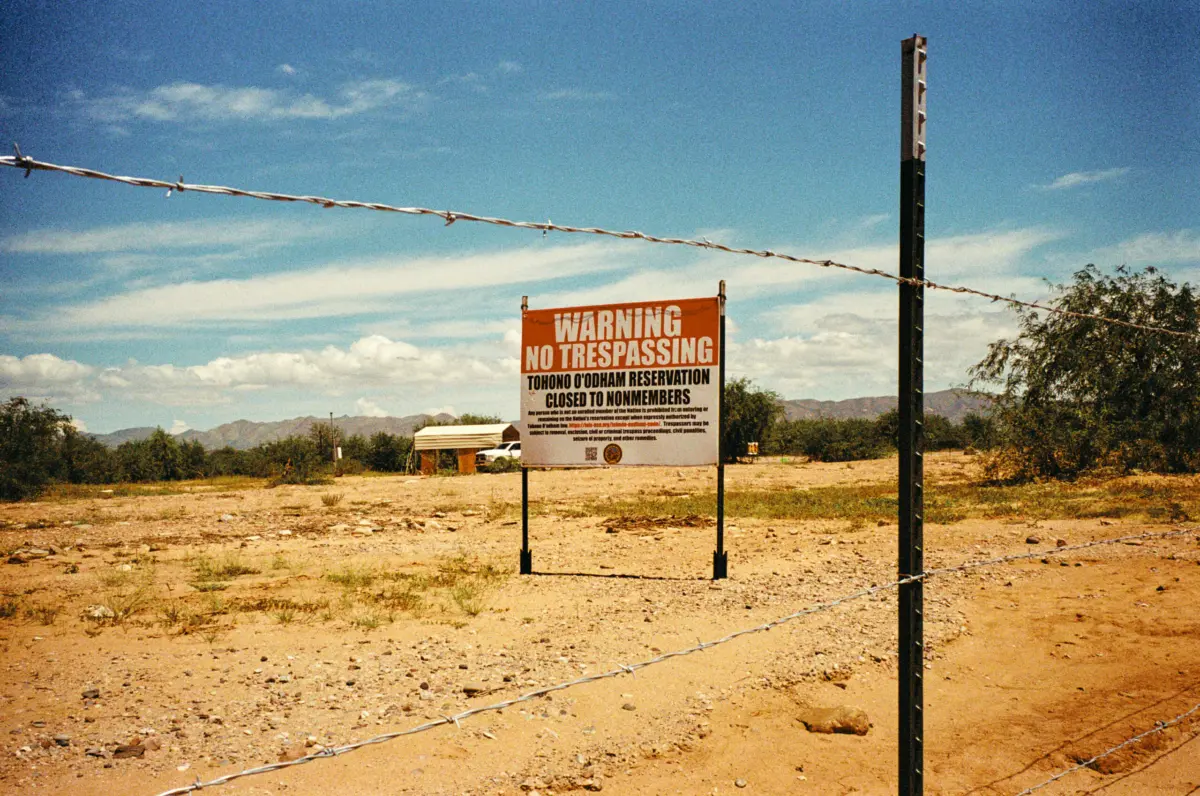
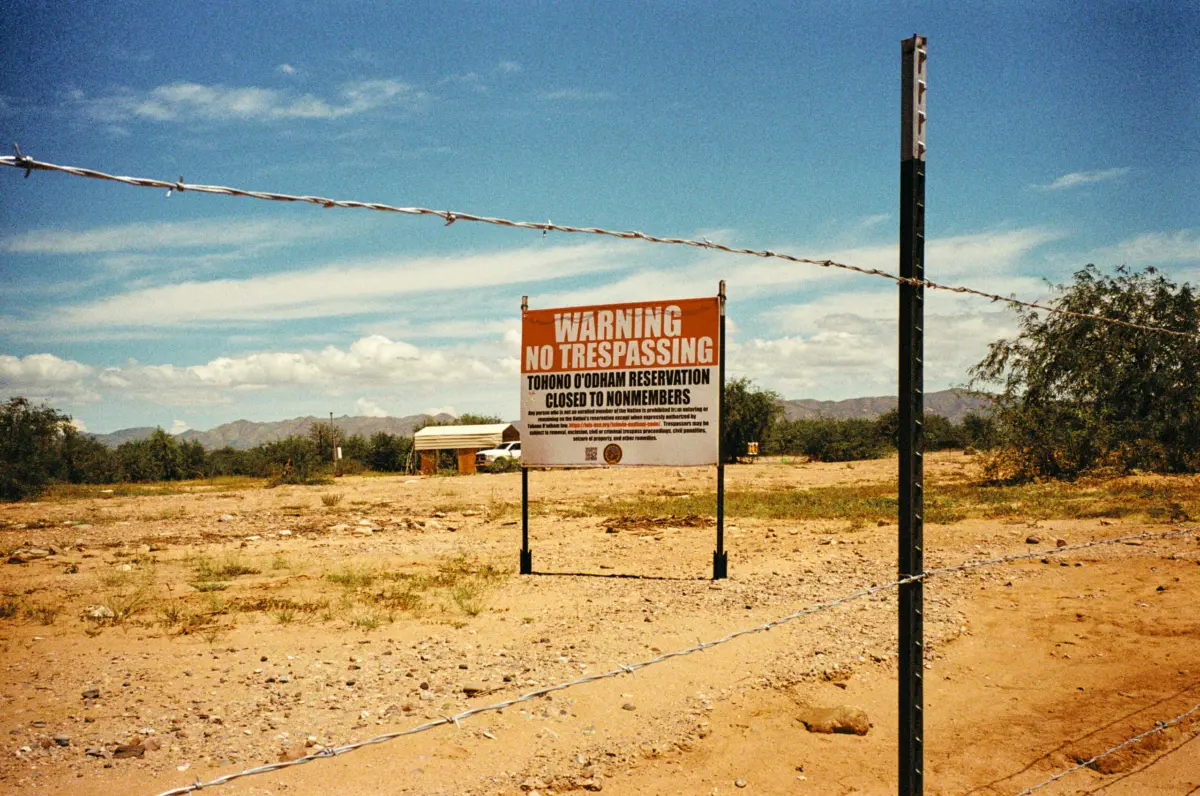
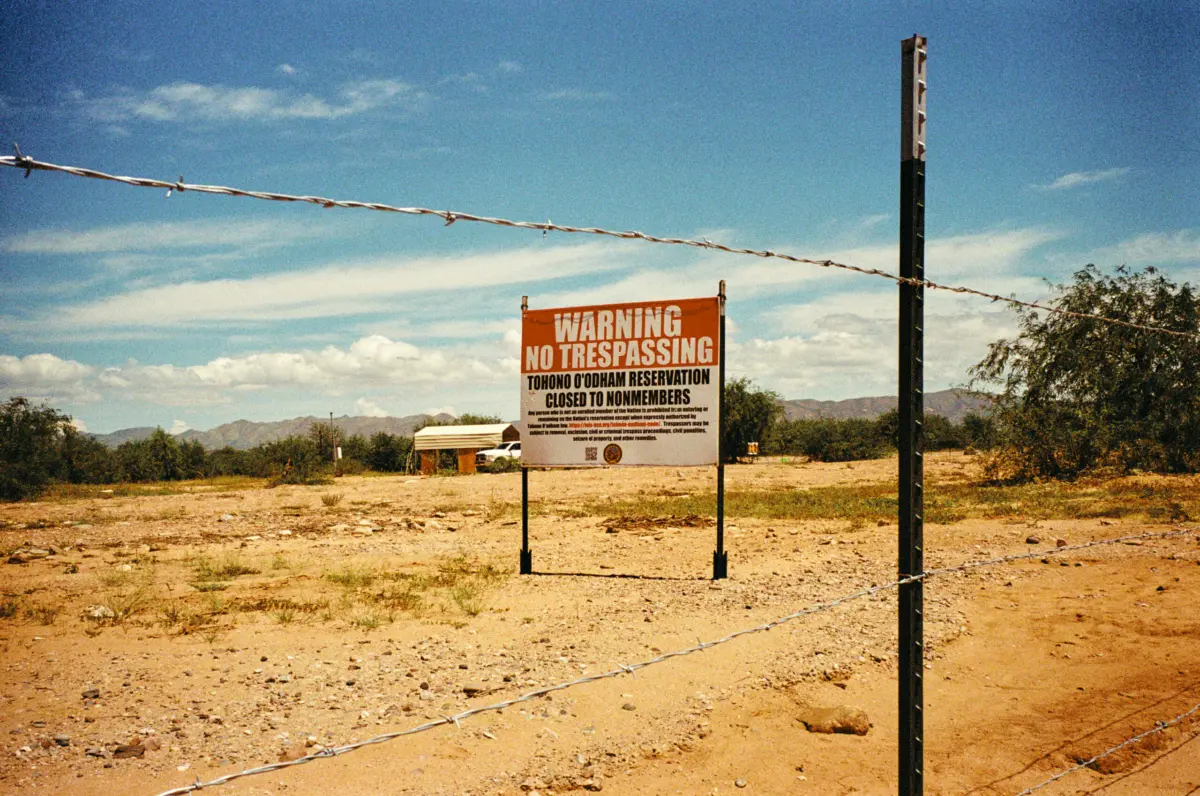
The predawn quiet of the Tohono O’odham Nation in Southern Arizona was shattered on August 25, when Chairman Verlon Jose received an email at 4:59 a.m. from Henry N. Laxdal, the acting chief patrol agent of the U.S. Border Patrol’s Tucson Sector. The message, delivered just one minute before operations were set to commence, informed him that government contractors were already en route to conduct critical soil tests for a proposed 62-mile border wall along the Nation’s southern boundary. The email, a stark symbol of federal disregard for tribal sovereignty, stated that while cultural monitors were welcome to observe, they were strictly prohibited from interfering with government operations. This abrupt notification, allowing no time for meaningful tribal consultation or preparation, underscored the U.S. government’s unilateral approach to border security on sovereign indigenous lands.

This abrupt notification was hardly a surprise to Jose, 59, who had already been alerted an hour prior by a tribal member reporting a convoy moving south through the reservation. Social media channels were simultaneously ablaze with similar accounts, detailing not only work trucks and drilling rigs but also a significant presence of Border Patrol vehicles. This deployment marked a dramatic escalation in a long-standing dispute, pushing the Tohono O’odham Nation to the forefront of a national debate on border security, indigenous rights, and the balance of power between federal mandates and sovereign tribal nations. The rapid deployment without genuine notice exposed a profound disconnect between federal rhetoric of "coordination" and the reality on the ground.

For months, the O’odham had vigorously contested the wall’s construction through federal courts, arguing that their homeland, which straddles the U.S.-Mexico border, would be irrevocably altered. Thousands of tribal members reside in Mexico, and the wall threatens to sever routine border crossings essential for ceremonies, family visits, and cultural preservation. Tribal leaders assert that the proposed barrier would devastate landscapes central to their spiritual and ancestral identity, violating their inherent duty to protect these sacred sites. Their lawsuit denounced the Trump administration’s relentless pursuit of the wall despite tribal opposition as an unprecedented assault on tribal sovereignty, harkening back to historical injustices against Native American nations.

However, assurances from administration attorneys that the government was engaging with the O’odham in good faith ultimately swayed a judge in Washington, D.C., who denied the tribe’s request for a preliminary injunction. The Border Patrol chief’s 60-second heads-up, framed within the email as an act of "commitment to ongoing coordination," rang hollow against the backdrop of an impending military-style deployment and the prior legal defeat. The federal government’s actions seemed to embody a strategy of overwhelming force rather than genuine partnership.

As dawn broke over the Sonoran Desert, the full extent of the federal operation became chillingly clear. Contractors were guarded by federal agents clad in masks and tactical gear, drawn from a special operations cadre that had previously been involved in controversial citywide sweeps in Minneapolis and Chicago, operations that reportedly resulted in three fatalities, including two U.S. citizens. This raised immediate concerns about the potential for disproportionate force and confrontation on tribal lands. When the tribe’s chief of police attempted to access the worksite, he was met with a roadblock manned by these heavily armed agents, effectively denying tribal authorities access to their own territory. Chairman Jose promptly issued a statement on the Nation’s website, condemning the incursion as illegal and revealing the Department of Homeland Security’s (DHS) deployment of a surveillance blimp and its enlistment of Mexican security forces to safeguard the work crews, highlighting the international scope of the federal pressure.

A History of Cooperation, A Shift to Confrontation

For a quarter-century, the Tohono O’odham Nation had successfully fended off full-scale border wall construction by strategically cooperating with DHS. This proactive engagement transformed their reservation into a proving ground for some of the government’s most advanced homeland security technologies. This collaboration included the implementation of vehicle barriers along their southern boundary, the installation of state-of-the-art surveillance towers developed by Israeli firm Elbit Systems, and robust law enforcement partnerships with both Border Patrol and Immigration and Customs Enforcement (ICE), including the specialized "Shadow Wolves" unit. These efforts were intended to demonstrate the tribe’s commitment to border security and drug interdiction without resorting to a physical wall that would bisect their ancestral lands and disrupt their way of life. The Nation had, in essence, provided a living laboratory for "smart border" solutions.

Despite this long history of cooperation and explicit assurances from the Trump administration, a disturbing shift in federal tactics emerged. A ProPublica investigation uncovered that DHS had turned its extensive surveillance apparatus directly on tribal members, maintaining 24-hour surveillance over an ongoing border prayer ceremony. Tribal members were also questioned outside the reservation about their ceremonial activities, raising serious concerns about religious freedom, civil liberties, and the weaponization of security measures against indigenous communities. This pattern of intrusive monitoring and questioning was substantiated by a wealth of evidence, including photographs, videos, court filings, interviews with tribal leadership, firsthand observations, and over 1,000 contemporaneously written observations meticulously compiled by tribal members.

The conflict has predictably split Arizona along partisan lines. Republican legislative leaders have filed briefs in support of the border wall project, echoing federal arguments about national security and uncontrolled migration. Conversely, Democratic Governor Katie Hobbs has voiced strong support for the tribe, filing her own briefs highlighting the cultural and environmental impacts. Progressive U.S. Representative Adelita Grijal

 Ana Megawati
 Joko Widodo
 Eva Lovia
 Jia Lissa
 Pevita Pearce