
 Yuyun Lusiyani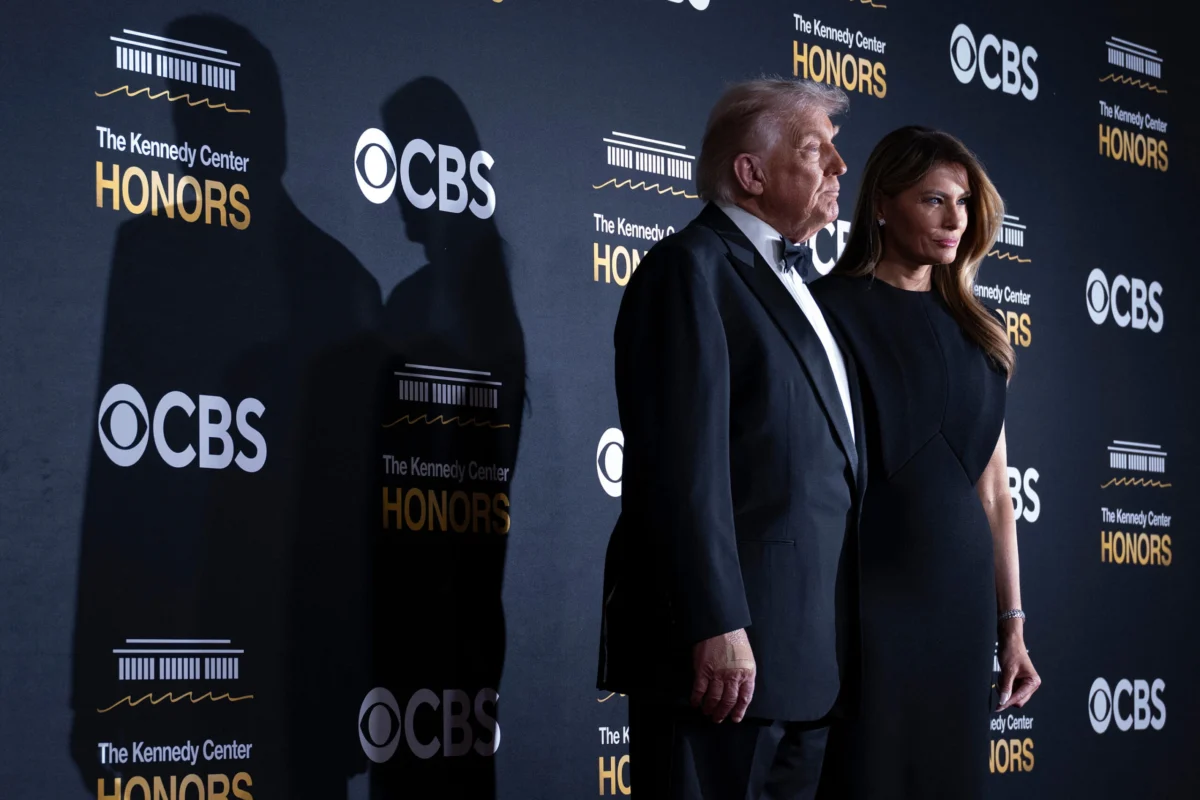
Washington D.C. – Two prominent government watchdog groups have formally requested comprehensive investigations into whether high-ranking officials at the Federal Communications Commission (FCC) violated stringent federal ethics requirements by accepting lavish tickets to the prestigious Kennedy Center Honors gala from media giant Paramount. These complaints arise amidst the FCC’s critical review of Paramount’s proposed $111 billion acquisition of Warner Bros. Discovery, a deal poised to reshape the global media landscape. The allegations cast a significant shadow over the impartiality and integrity of the regulatory body responsible for overseeing the nation’s telecommunications and media industries.
The complaints, lodged by the Democracy Defenders Fund and Citizens for Responsibility and Ethics in Washington (CREW), directly reference a recent investigative report by ProPublica. This report meticulously documented a long-standing practice by CBS, and subsequently its parent company Paramount, of providing FCC commissioners with complimentary tickets to the annual Kennedy Center Honors gala, an event the network heavily sponsors. Disturbingly, these gifts were reportedly accepted by commissioners even as the FCC was actively reviewing, or on the verge of reviewing, major business decisions involving Paramount, including two separate multi-billion-dollar mergers.
The Heart of the Allegations: Gifts and Conflicts of Interest
At the center of these allegations are Commissioner Olivia Trusty and FCC Chair Brendan Carr. According to her most recent financial disclosure, Commissioner Trusty accepted two tickets to the December 2025 honors gala from Paramount, collectively valued at over $12,000. This disclosure is particularly scrutinized given that Trusty was one of two commissioners who voted to approve Paramount’s merger with another media entity, Skydance, just last year. The timing and nature of such a substantial gift raise immediate questions about potential conflicts of interest and the appearance of impropriety.
The ProPublica investigation unearthed a pattern of FCC officials enjoying evenings at the Kennedy Center, courtesy of CBS or Paramount, stretching back years. An analysis of ethics disclosures revealed that seven out of the ten commissioners who have served since 2016 have collectively accepted tickets worth more than $260,000. This long-term trend suggests a deeply entrenched practice that ethics watchdogs argue has systematically blurred the lines between regulatory oversight and corporate influence.
FCC Chair Brendan Carr’s financial statements present an even more extensive history of gift acceptance. Since his appointment to the commission in 2017, Carr has reportedly accepted honors gala tickets from CBS or its parent company on eight separate occasions, with the total value of these gifts exceeding $75,000. Adding to the gravity of the situation, Carr, who also voted in favor of the Paramount-Skydance merger last year, was observed attending the December gala with his wife in a private skybox. This exclusive viewing area was shared with Paramount CEO David Ellison and other senior executives from Paramount and CBS. Kennedy Center guidelines indicate that seats in such skyboxes can command prices as high as $125,000 per ticket.
Carr’s latest financial statement disclosed his acceptance of tickets for himself and a guest to the 2025 gala and reception, valuing them at $12,390. This figure stands in stark contrast to the reported cost of skybox seats, prompting ProPublica to seek clarification from Carr regarding the apparent discrepancy. Carr has yet to provide a response. The FCC’s delayed release of Carr’s disclosure – more than a month after ProPublica’s initial request and certified by the agency on June 22 – has further fueled concerns about transparency and accountability within the commission.
Federal Ethics Rules and the Public Interest
Federal ethics regulations, specifically outlined in 5 CFR Part 2635 Subpart B, unequivocally prohibit government employees from accepting gifts from any entity that conducts business with, is regulated by, or seeks official action from their respective agencies. The spirit of these rules is to safeguard the integrity of government decision-making, ensuring that actions are taken on merit alone, free from the influence of private benefits or special interests.
As the Democracy Defenders Fund articulated in its formal complaint, "The federal gift regulations and the gratuities statute exist to ensure that government decisions are made on the merits, free from the influence of private benefits. The public must have confidence that the FCC’s merger review process is not compromised by self-dealing or the appearance of impropriety." This statement underscores the core principle at stake: public trust in the regulatory process.
A Detailed Chronology of Events and Reactions

The timeline surrounding these alleged ethics violations and the Paramount-Warner Bros. Discovery merger highlights a concerning sequence of events:
- Since 2016: ProPublica investigation reveals a consistent pattern of FCC commissioners accepting valuable Kennedy Center gala tickets from CBS/Paramount.
- Last Year (Specific Date Not Provided): Commissioner Trusty and Chair Carr vote to approve the Paramount-Skydance merger.
- December 2025 (Date of Gala): Trusty and Carr attend the Kennedy Center Honors gala, accepting tickets from Paramount. Carr is observed in a private skybox with Paramount executives.
- Hours After December 2025 Gala: Paramount announces its hostile takeover bid for Warner Bros. Discovery. This immediate follow-up to the gala attendance by top regulators raises significant questions about the nature of the engagement and discussions that may have occurred.
- March 3, 2026: Approximately three months after the gala and the WBD bid, Chair Carr publicly endorses the Paramount-WBD deal on CNBC, promising swift approval. This public statement, following his acceptance of significant gifts and attendance at the gala with Paramount’s CEO, is cited by critics as a clear example of compromised impartiality.
- July 16, 2026 (Approximate): Citizens for Responsibility and Ethics in Washington (CREW) files its written protest, demanding an FCC inspector general probe into the luxury gifts.
- July 30, 2026 (Approximate): The Democracy Defenders Fund files its grievance with the federal Office of Government Ethics, the FCC’s inspector general, and the FCC’s ethics office.
- Late Friday (Specific Date Not Provided): The FCC finally releases Carr’s financial disclosure, more than a month after ProPublica’s initial request.
- Recent Weeks: California, New York, and ten other states file a lawsuit seeking to block the Paramount-WBD merger under federal and state antimonopoly laws. Similar challenges are filed by the Writers Guild of America, the Freedom of the Press Foundation, and the Public Interest Project.
- Recently: Paramount agrees to pause its merger proceedings until litigation is resolved or until June 1, 2027.
Neither Carr, Trusty, nor the FCC responded to direct requests for comment regarding the current ethics complaints. The agency’s inspector general also declined to comment. However, an FCC spokesperson had previously informed ProPublica that agency ethics officers had for years cleared commissioners to accept the tickets, deeming the practice consistent with existing ethics law. Paramount’s chief of communications defended the practice as a "decades-long CBS practice to invite government officials from both parties" to the Kennedy Center show. Carr himself previously defended the FCC’s approval of the Paramount-Skydance merger, stating it "advances the public interest." These counterarguments, however, fail to address the core concern raised by ethics experts: the appearance of impropriety and the potential for undue influence, regardless of formal clearance.
The Broader Stakes: Media Consolidation and Regulatory Oversight
The FCC’s review of the Paramount-Warner Bros. Discovery merger is not merely a bureaucratic formality; it represents one of the final and most critical federal hurdles facing a historic consolidation within Hollywood. This proposed $111 billion deal would merge Paramount with Warner Bros. Discovery, bringing an immense array of media assets under a single corporate umbrella. This includes major streaming services like Paramount+ and HBO Max, traditional broadcast networks such as CBS and CNN, alongside scores of other prominent cable networks and digital platforms. The implications for media diversity, competition, consumer choice, and the future of independent journalism are profound.
Four independent ethics experts, consulted by ProPublica, unequivocally stated that by accepting these high-value tickets, Commissioner Trusty and Chair Carr have compromised the FCC’s impartiality. They argue that both officials should be recused from participating in any upcoming decisions concerning Paramount’s proposed merger with Warner Bros. Discovery. This call for recusal highlights the perception that their ability to render unbiased judgments has been undermined.
The Democracy Defenders Fund, an organization spearheaded by Norman Eisen – a former U.S. ambassador to the Czech Republic and White House ethics czar under President Barack Obama – has been particularly assertive in its demands. The group’s complaint explicitly requests an investigation into whether Carr and Trusty not only violated rules on accepting gifts but also potentially breached criminal laws prohibiting federal officials from accepting illegal gratuities. Beyond investigations, the fund has called for Carr and Trusty to be compelled to repay Paramount the "fair market value" of any gifts deemed improper. Furthermore, they urge the federal ethics agency to withhold certification of Carr’s annual disclosure report until he can conclusively demonstrate compliance with ethics laws. Crucially, their letter to the FCC and the Office of Government Ethics formally requests that Carr be disqualified from any further participation in the commission’s decision-making process regarding the Paramount-Warner Bros. Discovery merger.
Citizens for Responsibility and Ethics in Washington (CREW), a nonpartisan organization founded in 2003 with a dedication to government accountability, has echoed these concerns. Led by Donald K. Sherman, a former House Ethics Committee attorney and special assistant to President Joseph Biden, CREW has specifically requested an FCC inspector general probe into the luxury gifts. "The reported gifts to FCC officials from businesses that are not only subject to agency regulation but presently engaged in billion-dollar mergers and acquisitions that must be approved by the commissioners themselves are extremely concerning threats to the integrity of FCC operations," CREW’s letter stated, emphasizing the direct nexus between the gifts and the ongoing regulatory decisions.
Sherman further articulated the gravity of the situation: "Government officials have the power to make decisions that impact huge swaths of the American people. With this tremendous power comes a higher ethical standard that apparently wasn’t met. The IG can and must get answers for the public." His statement encapsulates the widespread concern that regulatory bodies, vested with immense public trust and authority, must operate beyond reproach.
Legal Battleground Beyond Ethics
The proposed Paramount-Warner Bros. Discovery merger faces formidable opposition beyond the ethics complaints. The multi-state lawsuit filed by California, New York, and ten other states seeks to block the deal based on federal and state antimonopoly laws. These legal challenges contend that such a massive consolidation would stifle competition, reduce consumer choice, and potentially lead to higher prices or reduced quality in media content and services. The involvement of organizations like the Writers Guild of America, the Freedom of the Press Foundation, and the Public Interest Project further underscores the broad-ranging societal concerns about the deal’s potential impact on creators, media independence, and public access to diverse information.
Paramount’s recent agreement to pause its merger until the resolution of this extensive litigation, or until June 1, 2027, whichever comes first, signals the formidable legal and ethical obstacles confronting the deal. This pause provides a critical window for the ethics investigations to proceed and for public scrutiny to intensify.
The converging challenges – from the specific ethics complaints against individual commissioners to the broader antimonopoly lawsuits – paint a complex picture for the future of this proposed media behemoth. The integrity of the FCC’s regulatory process, public trust in government ethics, and the competitive landscape of the American media industry all hang in the balance as these investigations and legal battles unfold. The outcome will not only determine the fate of a monumental corporate merger but also set a crucial precedent for the ethical conduct expected from federal regulators.



 Joko Widodo
 Eva Lovia
 Pevita Pearce
 admin
admin
 Lina Irawan