
 Pevita Pearce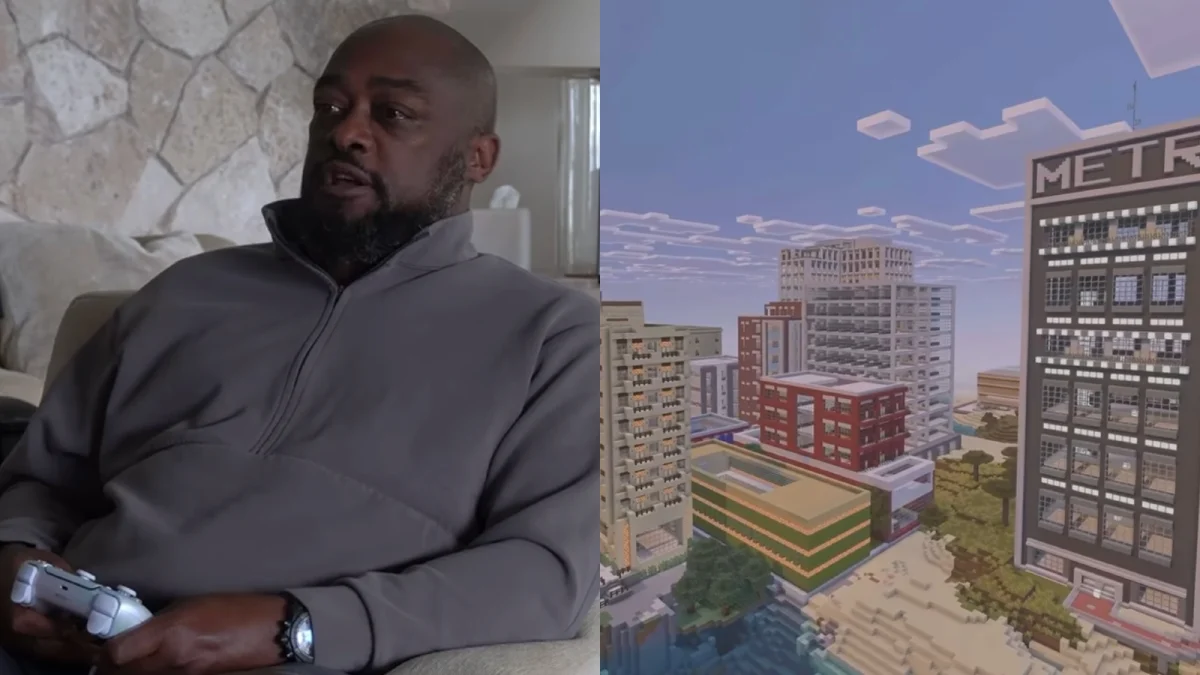
The landscape of digital recreation has found an unlikely pioneer in Mike Tomlin, the long-standing former head coach of the Pittsburgh Steelers and current NBC sports analyst. In a move that has surprised both the sporting world and the gaming community, Tomlin has officially launched a YouTube series dedicated to showcasing a sprawling, intricate Minecraft world he has meticulously cultivated over the past 12 years. The debut episode, which premiered this week, offers the first comprehensive look at a virtual metropolis that represents thousands of hours of creative labor, providing a rare glimpse into the private life and psychological outlets of one of the most successful coaches in National Football League (NFL) history.
For nearly two decades, Tomlin was defined by the high-pressure environment of the Steelers’ sideline, where he led the team for 19 seasons and maintained a historic record of never having a losing season. However, away from the gridiron and the film room, Tomlin was engaged in a different kind of strategy and construction. What began as a way to connect with his children eventually evolved into a deeply personal hobby that persisted long after his children moved on to other interests. According to Tomlin, the sandbox nature of Minecraft served as a vital "therapeutic escape" from the relentless stresses of professional football coaching, offering a controlled environment where the only clock to manage was the game’s day-night cycle.
Architectural Complexity and Urban Planning
The world Tomlin has created is far from a collection of simple structures; it is a sophisticated urban center featuring diverse architectural styles and functional zones. The centerpiece of the project is a massive waterfront city characterized by high-density urban planning. This metropolitan hub includes luxury apartment complexes, a high-end hotel and spa, and a uniquely designed aquarium-themed hotel that utilizes the game’s water mechanics to create immersive guest environments.
One of the more intricate features revealed in the first episode is a basement speakeasy, hidden beneath the city streets. This detail suggests a level of world-building that goes beyond mere surface-level construction, incorporating "secret" history and atmospheric design. The sports influence, perhaps unsurprisingly, is also heavily present. Tomlin has constructed a full-scale baseball stadium and confirmed that a soccer stadium is also located within the world, with a full tour of the athletic complex scheduled for a future episode.
Initially, Tomlin’s efforts were focused on "concentrated urban living," mirroring the dense architecture of major American cities. As the project progressed over the decade, his interests shifted toward suburban expansion. The world now features sprawling residential areas with single-family homes, complete with manicured landscapes and infrastructure that connects the suburban outskirts to the urban core. This evolution in building style serves as a visual timeline of Tomlin’s 12-year tenure in the game, marking different phases of his creative interest.
Chronology of a Twelve-Year Build
The timeline of "Tomlin-ville," as some fans have dubbed the project, began roughly in 2014. At the time, Minecraft was experiencing a global surge in popularity, particularly among younger demographics. Tomlin’s entry into the game was motivated by fatherhood, as he sought to engage with his children, including his son Mayce, in their digital interests.
However, a shift occurred as the children grew older. While the younger Tomlins eventually migrated to other games or hobbies, the coach found himself drawn back to the blocks. Mayce Tomlin recently shared an anecdote with the media, noting that his father would occasionally "confiscate" or take the gaming console without prior notice. While the children assumed they were being disciplined or that the console was being put away, the reality was that Tomlin was retreating to work on his burgeoning community.
By the midpoint of his 12-year journey, around 2019, the world had transitioned from a shared family activity into a solitary creative pursuit. It was during this period that the most complex structures, such as the aquarium hotel and the baseball stadium, began to take shape. Analysts observing the scale of the world estimate that reaching this level of detail and size would require a minimum of 2,000 hours of active gameplay. When spread across 12 years, this averages to approximately three to four hours of building per week—a significant commitment for an individual managing the requirements of an NFL head coaching position.
Psychological Implications: Gaming as Stress Management
The revelation of Tomlin’s hobby has sparked a broader conversation regarding the mental health and coping mechanisms of high-performance professionals. In his YouTube commentary, Tomlin specifically highlighted the "therapeutic" nature of the game. For a coach whose professional life was dictated by external variables—player injuries, officiating decisions, and media scrutiny—Minecraft offered a realm of total agency.
Psychological experts suggest that "sandbox" games like Minecraft provide a sense of "productive play." For individuals in high-stakes leadership roles, the ability to build something permanent and orderly can counteract the volatility of their professional lives. The meticulous placement of blocks and the planning of a city’s layout require a type of focus that allows the brain to "reset" from the cognitive load of game planning and personnel management.
Tomlin’s transition from the sideline to the broadcast booth at NBC has seemingly provided him with the time and perspective to share this aspect of his life. By documenting his world on YouTube, he is participating in a growing trend of "digital transparency," where public figures share their niche interests to humanize their brand and connect with a younger, tech-savvy audience.
Reactions from the Sporting and Gaming Communities
The reaction to the series has been overwhelmingly positive, crossing the divide between sports fans and the gaming community. On social media platforms like X (formerly Twitter), fans have expressed admiration for the coach’s dedication. One viral post noted that the discipline required to maintain a single Minecraft world for over a decade is the same discipline that allowed Tomlin to maintain his "no losing seasons" streak in the NFL.
Gaming influencers have also weighed in, praising the structural integrity and aesthetic choices of the city. The "Tomlin World" tour has become a point of fascination for Minecraft enthusiasts who specialize in "mega-builds." Many have pointed out that building on such a scale, likely in "Creative Mode" given the architectural complexity, still requires an immense amount of patience and vision.
Within the NFL circle, former players have reacted with a mix of surprise and amusement. Several former Steelers players joked on social media that they now understand why the coach was so insistent on "building a solid foundation" during training camp, suggesting his coaching metaphors may have been influenced by his nighttime activities in the digital world.
Broader Impact and Future Content
The launch of this YouTube series marks a significant moment in the intersection of sports and digital culture. It challenges the traditional archetype of the "hard-nosed" football coach, suggesting that modern leadership can coexist with contemporary digital hobbies. As gaming continues to move into the mainstream, Tomlin’s project serves as a high-profile example of the game’s universal appeal across age groups and professions.
Looking forward, Tomlin has promised a series of episodes that will delve deeper into the various "neighborhoods" of his world. Upcoming installments are expected to feature:
- The Soccer Complex: A deep dive into the athletics district and the technical challenges of building circular or curved stadiums in a block-based engine.
- Suburban Infrastructure: A look at how the coach managed the transition from high-rise buildings to single-family residential zoning.
- The Redstone Mechanics: Details on whether the world utilizes "Redstone"—the game’s equivalent of electrical wiring—to power automated features within the hotels and the speakeasy.
As the series progresses, it is likely to attract more viewers interested in the "zen of building." For Mike Tomlin, the project is no longer a secret retreat but a legacy of a different kind—one built not with wins and losses, but with blocks and imagination. The 12-year journey from a father trying to connect with his kids to a digital architect provides a unique narrative of persistence, showing that even in the most demanding careers, there is always room to build a world of one’s own.



 Yuyun Lusiyani
 Ana Megawati
 Joko Widodo
 Eva Lovia
 Jia Lissa