
 admin
admin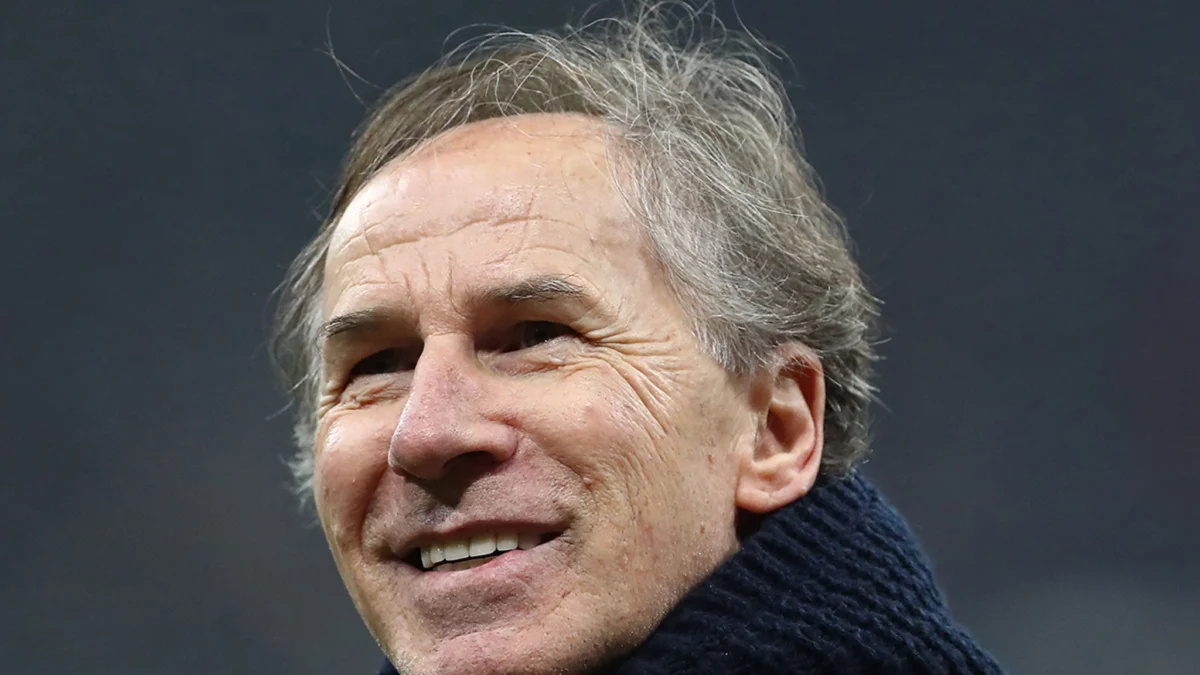
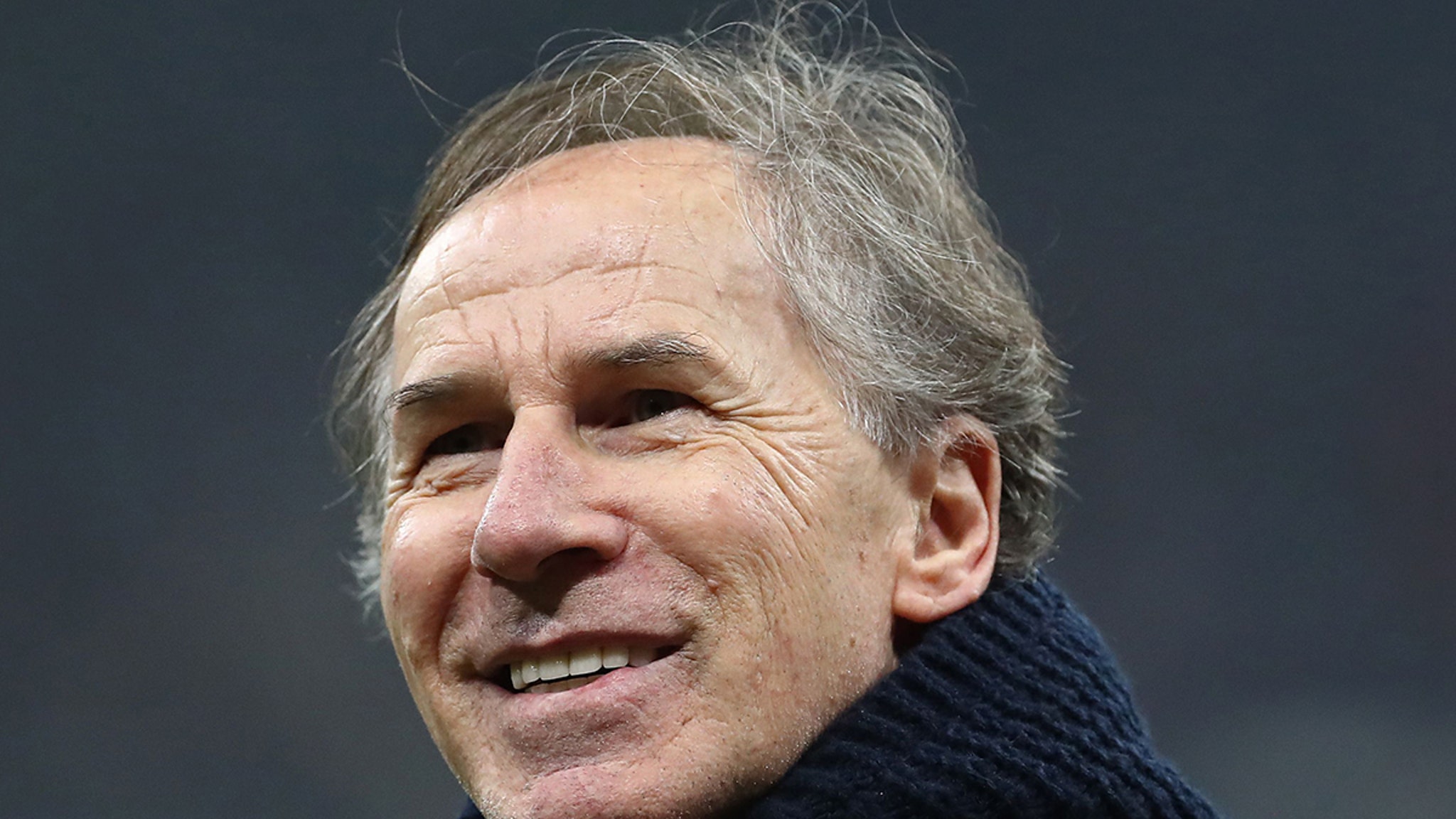
The football world is in mourning following the announcement of the passing of Italian soccer icon Franco Baresi, the revered former AC Milan defender who was a cornerstone of Italian football’s illustrious golden era in the 1980s and 1990s. Baresi, who served as honorary vice president of AC Milan, died on Thursday, July 31, 2026, at the age of 66. The news sent shockwaves through the global football community, prompting an outpouring of grief and tributes for a player widely considered one of the greatest defenders of all time.
AC Milan, the club to which Baresi dedicated his entire professional career, confirmed his death with a poignant statement shared across their official channels. "The entire history of AC Milan is in tears following the passing of Franco Baresi. His example and integrity will be forever etched into the Club’s DNA, just as his iconic number 6 shirt is," the club announced, underscoring the profound impact he had on the Rossoneri institution. The statement highlighted not just his unparalleled skill but also his unwavering loyalty and the indelible mark he left on the club’s identity and values.
A Life Defined by Loyalty and Excellence: Baresi’s Early Years and AC Milan Debut
Born on May 8, 1960, in Travagliato, a commune in the province of Brescia, Italy, Franco Baresi’s destiny was intertwined with football from an early age. His older brother, Giuseppe Baresi, also became a professional footballer, notably playing for AC Milan’s fierce city rivals, Inter Milan, a rivalry that often sparked playful familial competition. Franco joined AC Milan’s youth system at the tender age of 14, a decision that would shape the next two decades of his life and the fortunes of one of Europe’s most storied clubs.
His senior debut for AC Milan came remarkably early, on April 23, 1978, at just 17 years old, in a Serie A match against Verona. This marked the beginning of an extraordinary journey that would see him evolve from a promising youngster into a defensive maestro. His early career, however, was not without its trials. Baresi remained steadfast with AC Milan through challenging periods, including their relegation to Serie B twice in the early 1980s (in 1980 due to the Totonero match-fixing scandal, and again in 1982 on sporting merit). His unwavering commitment during these dark times cemented his bond with the club and its loyal fanbase, demonstrating a rare loyalty that would become a hallmark of his career. He played a pivotal role in guiding the club back to Serie A on both occasions, showcasing his leadership qualities long before he officially donned the captain’s armband.
The Architect of a Dynasty: The Berlusconi-Sacchi Era
The true ascent of Franco Baresi and AC Milan to global dominance began in the mid-1980s with the arrival of Silvio Berlusconi as president in 1986, followed by the appointment of revolutionary coach Arrigo Sacchi in 1987. Sacchi’s innovative zonal marking system and high-pressing philosophy perfectly complemented Baresi’s unique skill set. Baresi, initially playing as a traditional libero, adapted seamlessly to Sacchi’s system, becoming the linchpin of a defensive unit that would become legendary. Alongside Mauro Tassotti, Alessandro Costacurta, and Paolo Maldini, Baresi formed what many consider the greatest defensive quartet in football history. This backline, orchestrated by Baresi’s tactical brilliance and peerless anticipation, conceded remarkably few goals and was instrumental in AC Milan’s unprecedented success.
Under Sacchi, and later Fabio Capello, Baresi captained AC Milan to an astonishing array of trophies. His leadership was foundational to the team’s relentless pursuit of excellence. The club clinched six Serie A titles (1987–88, 1991–92, 1992–93, 1993–94, 1995–96), three UEFA Champions League titles (then European Cup) in 1988–89, 1989–90, and 1993–94, two Intercontinental Cups (1989, 1990), and four Supercoppa Italiana titles. The 1991-92 Serie A season under Capello stands out as particularly emblematic of Baresi’s defensive prowess, as AC Milan went unbeaten throughout the entire league campaign, earning the moniker "The Invincibles." Baresi’s ability to read the game, make crucial interceptions, and initiate attacks from the back was central to this sustained period of dominance. He was the undisputed leader on the field, often seen directing his teammates with gestures and shouts, embodying the tactical discipline that made the team so formidable.
International Recognition and World Cup Heartbreak
Baresi’s club success translated into a distinguished, albeit sometimes bittersweet, international career with the Italian national team. He made his debut for the Azzurri in 1982 but did not feature in the squad that famously won the FIFA World Cup that year. He became a more integral part of the national team setup in subsequent years, participating in the 1986 World Cup and leading Italy to a third-place finish on home soil in the 1990 World Cup.
His most iconic, and perhaps most heartbreaking, moment on the international stage came at the 1994 FIFA World Cup in the United States. As captain of Italy, Baresi led his team to the final against Brazil. Despite suffering a torn meniscus in the group stage, an injury that was initially expected to sideline him for the remainder of the tournament, Baresi displayed incredible determination and an accelerated recovery. Against all odds, he returned to play in the final just 25 days later, delivering a masterful defensive performance for 120 minutes, neutralizing Brazil’s potent attack. However, the match famously went to a penalty shootout, and Baresi, exhausted but resolute, stepped up to take Italy’s first penalty. He uncharacteristically skied his shot over the bar, a moment of profound personal tragedy that contributed to Italy’s eventual defeat. Despite this singular setback, his overall performance in the tournament, particularly his heroic return, cemented his status as a national hero. He earned 81 caps for Italy before retiring from international football in 1994.
A Defensive Maestro: Playing Style and Enduring Legacy
Franco Baresi was not merely a defender; he was a revolutionary figure who redefined the position. Nicknamed "Kaiser Franz" after the legendary Franz Beckenbauer, Baresi possessed a rare combination of attributes. His tactical intelligence was unparalleled; he could read the game several steps ahead, intercepting passes and stifling attacks with uncanny precision. His tackling was clean and incisive, his positioning flawless. Despite not being the tallest defender, his aerial ability was exceptional, a testament to his superb timing and leap.
Beyond his defensive acumen, Baresi was an elegant ball-playing defender. He possessed excellent dribbling skills and a remarkable passing range, often initiating AC Milan’s devastating counter-attacks with precise long balls or surging runs from the back. His leadership was inspirational; he commanded respect through his consistent performances, his unwavering composure under pressure, and his fierce will to win. He was a symbol of strength, discipline, and commitment, embodying the very essence of Italian defending – Catenaccio – while simultaneously evolving it into a more proactive and attacking style. His influence extended far beyond his playing days, inspiring generations of defenders worldwide to emulate his complete approach to the game.
Retirement and Post-Playing Career
Franco Baresi retired from professional football in 1997, bringing an end to a remarkable 20-year career spent entirely with AC Milan. In a testament to his unparalleled loyalty and immense contribution, AC Milan retired his iconic number 6 jersey, making him the first player in the club’s illustrious history to receive such an honor. This gesture underscored the unique place he held in the hearts of the club’s management and supporters alike.
Following his retirement, Baresi remained deeply involved with AC Milan. He transitioned into various roles, beginning with coaching the youth teams, where he imparted his vast knowledge and passion for the game to aspiring young footballers. He later served as a brand ambassador, representing the club globally, and eventually assumed the role of honorary vice president, a position that allowed him to continue contributing to the club’s strategic direction and public image. His presence at the club, whether on the training ground or in the boardroom, served as a constant reminder of AC Milan’s glorious past and its enduring values.
Health Concerns and Final Public Appearance
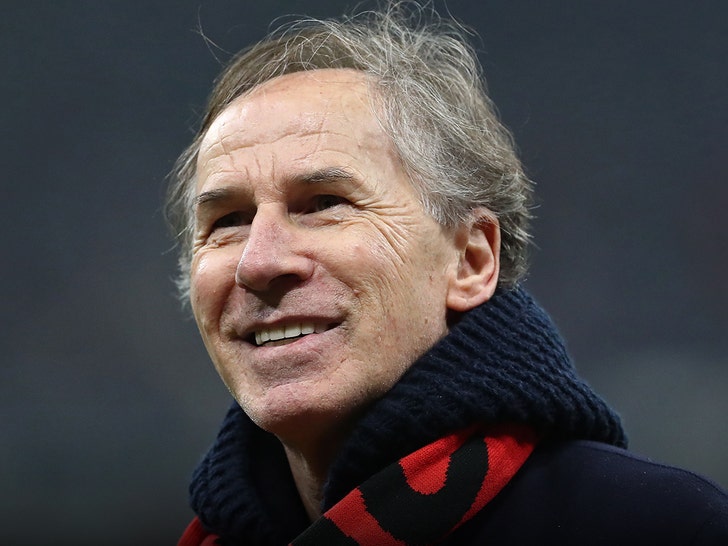
While no official cause of death has been released by his family or AC Milan, the club had announced last year that Baresi underwent surgery to remove a pulmonary nodule discovered during routine medical tests. At the time, it was not confirmed whether the mass was cancerous, and details regarding his subsequent health status remained private. The news of his passing has naturally led to speculation regarding this prior medical condition.
In what would be his final major public appearance, Baresi served as one of the torchbearers for the Olympic flame at the opening ceremony for the Milan Cortina Winter Games in February 2026. This poignant moment saw him, still recognizable and revered, carrying the flame through the streets, symbolizing unity and the enduring spirit of sport. It was a fitting, albeit now melancholic, final bow for a man who represented the pinnacle of athletic achievement and sportsmanship.
Tributes and Global Reactions
The news of Franco Baresi’s death has triggered an outpouring of tributes from every corner of the football world. AC Milan’s heartfelt statement was just the beginning. Former teammates, many of whom formed part of the legendary defensive line alongside him, expressed their profound sorrow. Paolo Maldini, who inherited the captain’s armband from Baresi and continued his legacy, undoubtedly reflected on their decades-long partnership and friendship. Alessandro Costacurta, Mauro Tassotti, and other members of that iconic squad, including the Dutch trio of Marco van Basten, Ruud Gullit, and Frank Rijkaard, are expected to share their personal memories of their inspirational captain.
Beyond AC Milan, rival clubs, both within Italy and across Europe, extended their condolences. The Italian Football Federation (FIGC), UEFA, and FIFA are expected to issue official statements recognizing his immense contribution to the sport. Political figures, sports journalists, and legions of fans from Italy and around the globe have taken to social media and other platforms to share their grief, personal anecdotes, and admiration for "Kaiser Franz." Planned tributes, including moments of silence before matches and special ceremonies, are anticipated across Serie A and international fixtures in the coming days and weeks. The collective sentiment is one of deep respect for a player who embodied the beauty and integrity of football.
A Legacy That Transcends Generations
Franco Baresi’s passing represents an immense loss not only for AC Milan and Italian football but for the entire global sporting community. He was more than just a footballer; he was an icon of loyalty, an exemplar of defensive perfection, and a leader who inspired those around him to achieve greatness. His name is synonymous with an era of unparalleled success for AC Milan, a period when the Rossoneri dominated both domestically and on the European stage, largely due to the impenetrable defense he marshaled.
His legacy extends beyond the trophies he lifted. Baresi influenced countless players who came after him, demonstrating that a central defender could be both a formidable obstacle and a creative force. He proved that dedication, intelligence, and an unwavering commitment to one’s craft could lead to enduring excellence. As the football world mourns his departure, Franco Baresi will forever be remembered as one of the game’s true legends, whose spirit, integrity, and unparalleled skill will remain eternally etched in the annals of football history. His life was a testament to what can be achieved through unwavering dedication and a profound love for the beautiful game.




 Yuyun Lusiyani
 Joko Widodo
 Eva Lovia
 Pevita Pearce

 Lina Irawan