
 Yuyun Lusiyani
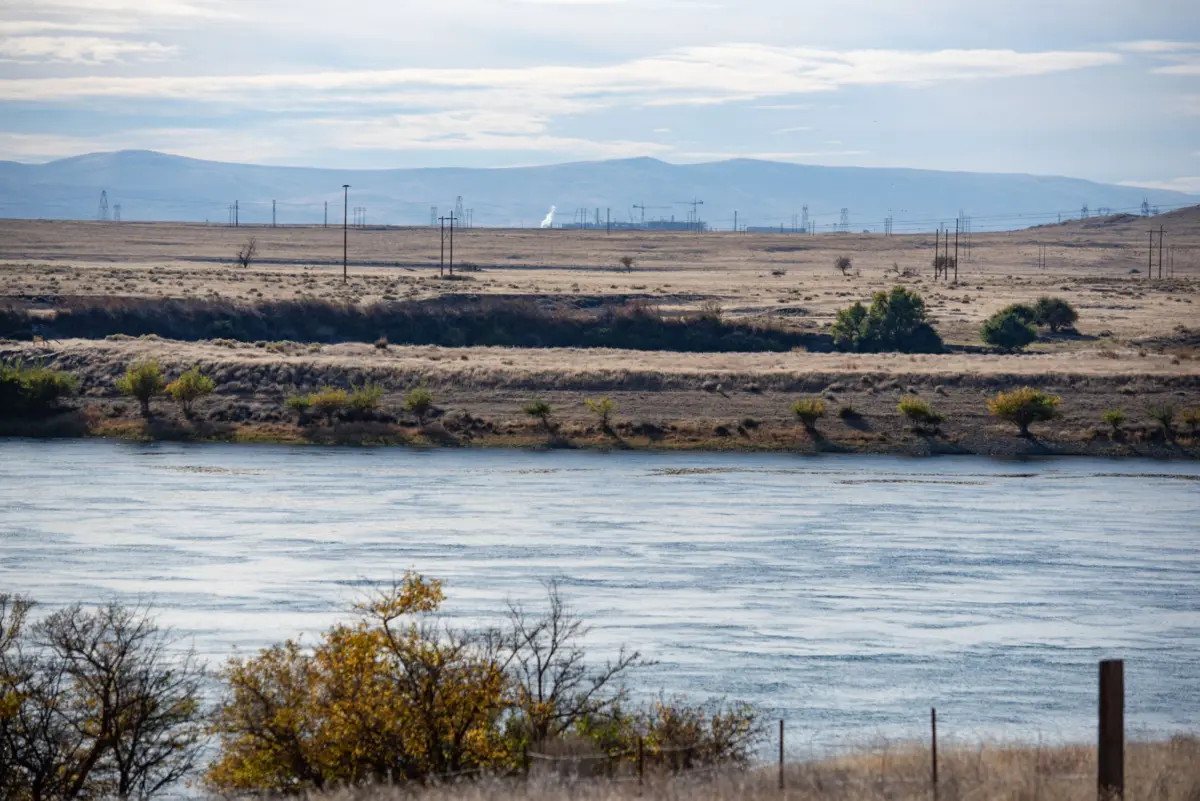
The United States Department of Energy (DOE) is systematically challenging and delaying workers’ compensation claims filed by employees of the highly contaminated Hanford Site in Washington state, despite a 2018 state law designed to simplify and expedite these claims by shifting the burden of proof. An investigation by Cascade PBS and ProPublica reveals a pattern of persistent appeals, significant legal spending, and a profound human cost, with hundreds of workers and their families, including those of the deceased, left in protracted legal limbo.
The Plight of Hanford Workers: A Decades-Long Struggle
Lonnie Rouse, a former Hanford Site worker, embodied the dire circumstances faced by many. In March 2018, nearly a decade after medical experts diagnosed him with a neurological disease linked to workplace chemical exposure, Rouse shuffled into a wood-paneled conference room at the Washington state Capitol. His health had deteriorated significantly; he developed a stutter, a limp, and tragically, lost several teeth biting into a banana due to his condition. For almost 20 years, Rouse had dedicated his life to packaging plutonium and monitoring radioactive waste at the Hanford Site, a decommissioned nuclear weapons production facility in south-central Washington, widely recognized as one of the nation’s most contaminated nuclear sites. He recounted working in conditions so toxic that the floor once melted the rubber off his boots, and acknowledged exposure to at least 48 potentially hazardous chemicals within the site’s radioactive sludge tanks.
Rouse was one of thousands of workers engaged in the monumental environmental cleanup at Hanford, an effort that commenced after the last reactor was shut down in the late 1980s. Congress has previously recognized, based on extensive studies, that radiation exposure at DOE sites poses substantial health risks to workers. Yet, when Hanford employees, like Rouse, fell ill and sought workers’ compensation, the DOE consistently contested their claims, often attempting to shift culpability onto the workers themselves. Rouse’s own 2009 claim had been denied, forcing him to exhaust his retirement savings and declare bankruptcy. His desperation was palpable as he witnessed then-Gov. Jay Inslee sign a bill intended to transform his future.
Hanford’s Hazardous History and Ongoing Cleanup
The Hanford Site’s history is inextricably linked to the Cold War. It was a cornerstone of the Manhattan Project, producing two-thirds of the plutonium for the nation’s nuclear arsenal, including the atomic bomb dropped on Nagasaki, Japan, in 1945. This intense production left behind a catastrophic environmental legacy: more than 50 million gallons of highly radioactive liquid waste stored in aging underground tanks, alongside vast quantities of contaminated soil and groundwater. The "tank farms," where Rouse spent a significant portion of his career, are notorious for releasing chemical vapors. Workers describe the pungent smell of ammonia as a warning sign of these toxic "burps," which a 2014 federal government-funded report confirmed caused common symptoms like nausea, headaches, and nosebleeds among exposed tank farm personnel. Rouse himself reported losing count of incidents where toxic vapor overwhelmed him, causing him to collapse, vomit, and suffer nosebleeds.

The cessation of plutonium production in the late 1980s marked the beginning of what is now one of the largest and most expensive toxic waste remediation efforts in U.S. history. This cleanup is projected to continue until at least 2086, with over 13,000 people currently employed, mostly by private contractors working for the DOE. The sheer scale of contamination and the prolonged exposure to a cocktail of radioactive and chemical hazards have taken an undeniable toll on generations of workers.
The Legislative Response: Washington’s Presumption Law
Recognizing the unique and severe health risks faced by nuclear workers, Congress passed the Energy Employees Occupational Illness Compensation Program Act (EEOICPA) in 2000. This federal program provided medical care and one-time payouts up to $400,000 to workers at DOE sites nationwide, acknowledging that the nation’s nuclear weapons workers had been exposed to cancer-causing radioactive substances. Lawmakers specifically noted a DOE policy "to litigate occupational illness claims, which has deterred workers from filing workers’ compensation claims and has imposed major financial burdens for such employees who have sought compensation."
While the federal program offered some relief, Washington state sought to provide more comprehensive protection. Its state workers’ compensation system offers the potential for continuous wage replacement or a lifelong pension benefit, often far exceeding the federal cap. To address the persistent challenges workers faced in proving their illnesses were work-related, Washington state enacted a landmark presumption law in 2018. This legislation flipped the burden of proof: instead of workers having to demonstrate causation, agencies were instructed to presume that certain cancers, neurological diseases, and respiratory illnesses were caused by employment at Hanford. The onus then shifted to the Department of Energy to prove to the state that an illness was not work-related if they wished to deny a claim. This type of presumption law is rare, typically reserved for firefighters exposed to extreme hazards; the National Council on Compensation Insurance, the Washington state attorney general, and State Representative Gerry Pollet were unaware of any other state extending such protection to radiological workers.
The federal government challenged this state law in court, arguing it was discriminatory for only applying to Hanford and the DOE. Anticipating an adverse Supreme Court ruling, state lawmakers passed an expanded version in 2021, covering all workers at "radiological hazardous waste facilities" in the state, including the state’s sole operational nuclear power plant and a French-owned nuclear fuel rod manufacturing facility. Despite this expansion, approximately 75% of the 428 claims filed since 2018 continue to originate from DOE’s Hanford workers, according to the state Department of Labor and Industries.
DOE’s Persistent Opposition: A Pattern of Appeals
Despite the clear intent and legislative efforts of Washington state, the DOE’s pattern of challenging claims has remained largely unchanged. A joint investigation by Cascade PBS and ProPublica uncovered startling data: from 2023 to early 2024, workers filed 102 new claims for benefits. The DOE did not recommend approving a single one. While the state, which holds the ultimate authority, overruled the DOE and approved 75% of these claims, the DOE subsequently appealed all but seven of those approvals. This aggressive stance extends beyond new claims; state records indicate the DOE has filed over 500 appeals since the presumption law’s passage in 2018. In at least 20 instances, a single worker’s claim has been appealed half a dozen times or more by the DOE.

"We have seen tremendous pushback from DOE on essentially almost every single case that’s been brought," stated Washington State Attorney General Nick Brown.
Tactics and Costs of Litigation
The DOE’s litigation strategy is both extensive and expensive. It involves hiring external medical toxicologists and industrial hygienists to dispute workers’ diagnoses and downplay exposure risks. For Lonnie Rouse, the DOE hired experts who testified that he did not have the claimed disease and attributed his neurological condition to "alcoholism and family conflicts," rather than the severe chemical exposures he experienced at Hanford. The state agency handling appeals ultimately found these arguments unpersuasive, and Rouse was awarded most of his back pay in 2024, nearly eight years after his claim was refiled under the new law. He, however, remains cautious, declining to touch the money until the protracted legal process concludes, wary of the DOE’s continued appeals. In his case alone, the DOE has filed more than 20 appeals contesting various aspects of his claim.
The financial outlay for these appeals is substantial. Invoices obtained by the newsrooms via a federal records request reveal that a group of three physicians and an industrial hygienist collectively earned over $1.7 million testifying against Hanford workers since the presumption law’s implementation. One of the DOE’s frequently utilized expert witness doctors earned more than $200,000 in the past year alone. Furthermore, a single law firm, Wallace, Mann, Capener, Bishop & Debney, handles all of the DOE’s appeals, receiving nearly $10 million in fees between 2018 and 2025. These figures highlight a significant expenditure of taxpayer money to dispute claims, even when faced with a state law designed to protect workers.
The DOE’s lawyers frequently argue that factors other than Hanford work, such as smoking, drinking, obesity, or genetics, are responsible for workers’ illnesses. Despite these persistent challenges, the state agency that handles appeals has sided with workers in nearly 9 out of 10 cases where the DOE has appealed a state-approved claim since 2018.
Human Cost: Lives in Legal Limbo
The human toll of these prolonged legal battles is profound. Kathleen Kersey, who worked at Hanford for a decade during both the production and cleanup phases, experienced this firsthand. Her duties included measuring radiation levels, yet she claims her safety training neglected chemical vapor hazards. Diagnosed with multiple sclerosis, a neurological disorder recognized by the state’s presumption law as linked to Hanford exposure, Kersey filed a claim in 2019, which the state approved. The DOE, however, appealed, attributing her MS to causes unrelated to her Hanford service. Kersey, who struggles with walking, short-term memory loss, and a past temporary loss of vision, is one of 152 workers whose claims remain in legal limbo. She has not received any back wages. "I feel depleted and disgusted," Kersey said, expressing the emotional impact of the appeals process. "It makes me feel like I’m worthless. I have no value."

Tragically, not even death brings an end to the cycle of appeals. Of the 152 claims currently in legal limbo, half belong to deceased workers. The DOE relentlessly continues to fight to deny their families survivors’ benefits, forcing grieving spouses and children to relive the painful experiences of their loved ones’ illnesses in court. Attorney Charlynn Hull, whose firm Smart Law represents the majority of Hanford workers’ compensation claimants, including Rouse and Kersey, describes this as "tormenting" for families, particularly in cancer-related death cases. "When does this end?" Hull questions, highlighting the seemingly endless nature of the appeals.
Official Reactions and Lack of Resolution
State Representative Gerry Pollet, a co-sponsor of the 2018 presumption law and co-founder of the Hanford cleanup watchdog group Heart of America Northwest, expressed his dismay at the DOE’s actions. "It seems pretty coldhearted, calculated, that they’re trying to save money on the back of sick workers who they made sick," Pollet stated, adding, "That’s why we needed a state law." He acknowledged that the law has fallen short of its intended impact, lamenting, "This was supposed to have ended a decade ago… It’s even worse than it was 10 years ago." Pollet did not mince words, calling the DOE’s actions "not only despicable, but they are criminal."
Following inquiries from Cascade PBS and ProPublica regarding the DOE’s consistent litigation pattern, Carrie McCausland, spokesperson for the Washington State Department of Labor and Industries, confirmed that regulators met twice with DOE staff. However, she could not point to any concrete actions taken beyond these meetings. "Agency staff are concerned and are right now assessing the severity of patterns we’ve seen," McCausland wrote in an email, indicating that the state agency is still in the early stages of addressing the issue.
The DOE, when asked for detailed responses to the newsrooms’ findings, offered a general statement, asserting that it is following "all applicable local, state, and federal laws" and "has a long and successful record of accomplishment of protecting human health and the environment." This statement offers little specific explanation for its systematic appeal strategy.
The Broader Implications and Future Outlook
The DOE’s approach raises significant questions about accountability, corporate responsibility, and the effectiveness of legislative remedies. Attorney General Nick Brown hopes that a consistent record of DOE losses in higher courts will eventually compel the department to reduce the volume of its litigation. However, the current reality for many workers is one of protracted suffering and financial insecurity.

For Isidoro Mata Jr., who demolished buildings at Hanford for nearly three decades, the fight for compensation continued until his final days. Diagnosed with thyroid cancer in 2015, one of the illnesses covered by Washington’s law, Mata’s claim was approved in 2019. The DOE appealed, arguing that "medical opinion supports denial of this claim as not related to the distinctive conditions of employment," without further elaboration. While the state initially forced the DOE to cover his wages and medication costs, the department filed a separate motion to halt these benefits during the appeal, arguing it was likely to prevail. Court records indicate the DOE cited a doctor’s 2019 examination that deemed Mata’s cancer unrelated to his work, an examination the state found "lacking in objective findings."
Mata’s daughter, Sara Chilcoat, recounted the harrowing experience of her father battling for his life while the DOE sought to cut off his benefits. "He was fighting for his life while they were trying to do that," Chilcoat said, expressing her anger. Mata missed several meetings with DOE lawyers in 2020 due to chemotherapy treatments, a fact the state attorney general’s office conveyed to the appeals judge. The DOE eventually dropped its appeal in December of that year. Less than three months later, Mata died, having endured a relentless legal battle alongside his terminal illness.
State regulators possess further options, including revoking the DOE’s ability to directly accept and pay out claims. This would force the contractors employing Hanford workers to either join the state-managed fund or seek state approval to manage claims themselves. Such a move could potentially limit the DOE’s power to appeal, though contractors would still retain that right. For now, the "assessment of the severity of patterns" continues, while workers like Lonnie Rouse and the families of those like Isidoro Mata Jr. continue to bear the heavy burden of Hanford’s toxic legacy and the federal government’s enduring legal resistance. The question of when, or if, true justice will be served for these ailing nuclear workers remains unanswered.




 Nila Kartika Wati

 Eva Lovia

 Lina Irawan

 Ana Megawati

 Joko Widodo
