
 Ana Megawati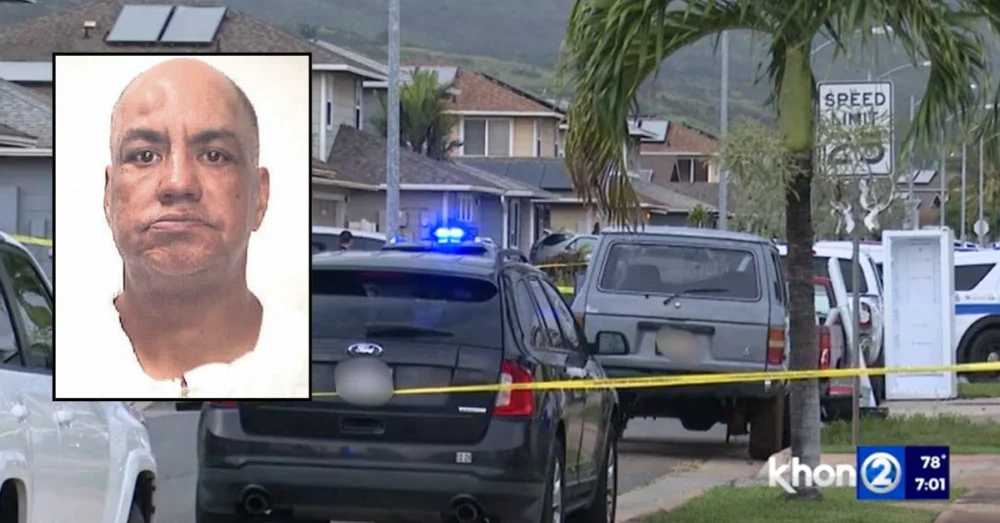
John Nihipali, a 55-year-old Hawaii inmate participating in a work furlough program, has been apprehended and charged with a string of violent felonies, including second-degree murder and attempted second-degree murder, following allegations that he fatally stabbed his girlfriend and attacked his estranged wife in separate incidents across O‘ahu. The shocking events, which unfolded on a single Friday afternoon, have drawn significant public attention and raised critical questions about the oversight and efficacy of correctional reintegration programs. Nihipali, who was serving a 25-year sentence for a previous second-degree assault conviction involving his estranged wife, now faces additional charges that include attempted first-degree murder, burglary, and escape, and is currently being held without bail.
Unfolding Horrors: A Chronology of Violence
The sequence of events leading to Nihipali’s arrest began on Friday afternoon, October 11, 2024, though investigators later pieced together a timeline suggesting earlier activity. According to the Honolulu Police Department (HPD), surveillance footage places Nihipali at his girlfriend’s residence in McCully, a bustling urban neighborhood in Honolulu, just after 10:30 a.m. that morning. He reportedly remained there until approximately 2:45 p.m., at which point he allegedly left the home, taking his girlfriend’s vehicle. It was at this McCully address that police would later discover the deceased victim, his 53-year-old girlfriend, with multiple stab wounds, including defensive injuries on her hands, indicating a struggle. The incident was initially reported as an unattended death at 5:30 p.m., but the discovery of the wounds quickly escalated it into a homicide investigation.
From McCully, Nihipali allegedly drove his girlfriend’s vehicle to Kapolei, a rapidly growing community on O‘ahu’s west side, arriving at his estranged wife’s home around 4:00 p.m. Just 15 minutes later, at 4:15 p.m., emergency services received a distressing call reporting a stabbing at that address. Police responders found Nihipali’s 53-year-old estranged wife, gravely injured with a stab wound to the neck. Authorities reported that an unnamed 30-year-old man was present and intervened during the attack, potentially disrupting Nihipali and allowing the victim to escape and call 911. Upon arrival, officers encountered Nihipali outside the residence and, after a struggle, successfully subdued and took him into custody. The discovery of the girlfriend’s vehicle at the Kapolei scene was a critical piece of evidence that helped investigators quickly connect the two geographically separate but intrinsically linked violent incidents.
Background of the Suspect and Correctional Furlough
John Nihipali’s presence outside of a secure correctional facility was due to his participation in a work furlough program, facilitated by a “resocialization pass” from the O‘ahu Community Correctional Center (OCCC). This program is designed to allow inmates nearing the end of their sentences or deemed suitable for reintegration to gradually re-enter society. Participants are typically allowed to work in the community, attend educational programs, or engage in other approved activities, often under specific conditions such as regular check-ins, curfews, and sometimes electronic monitoring. Nihipali was indeed wearing an ankle monitor at the time of the incidents, a detail that proved crucial in tracing his movements.
The Hawaii Department of Corrections and Rehabilitation (HDCR) confirmed Nihipali’s inmate status and his participation in the furlough program. Critically, Nihipali was serving a 25-year sentence for a second-degree assault conviction, and local reports by Fox affiliate KHON revealed that the victim in that prior case was his estranged wife – the very woman he is now accused of attempting to murder. This background adds a chilling layer of premeditation and a history of domestic violence to the current charges, highlighting the persistent danger faced by victims even after legal interventions.
Work furlough programs, while vital for reducing recidivism and aiding successful reintegration, inherently carry risks. Nationally, such programs aim to bridge the gap between incarceration and complete freedom, providing a structured environment for offenders to develop job skills, save money, and rebuild family ties. Studies by the Bureau of Justice Statistics and various academic institutions suggest that well-managed furlough programs can significantly lower re-offense rates for participants, but they also acknowledge that a small percentage of participants will inevitably violate their conditions or commit new crimes. The decision to grant furlough involves a complex assessment of an inmate’s risk factors, behavior while incarcerated, and potential for community safety. Nihipali’s alleged actions will undoubtedly lead to a rigorous review of the assessment process and monitoring protocols within Hawaii’s correctional system.
Law Enforcement Response and Legal Ramifications
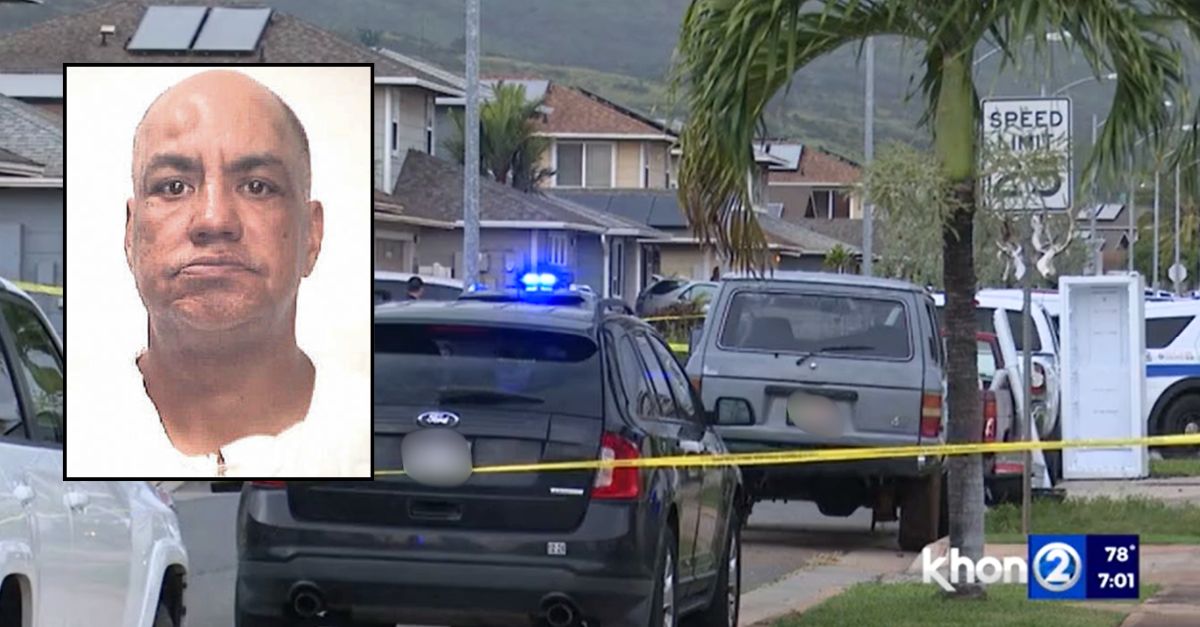
The Honolulu Police Department moved swiftly to connect the two violent episodes, recognizing the unique commonality between the victims. HPD Homicide Lt. Deena Thoemmes addressed the media in a press conference, confirming the link between the two stabbings and providing updates on the investigation. She noted that Nihipali’s estranged wife was hospitalized but her condition was improving, a testament to her resilience and the timely intervention. The HPD’s diligent work, combining witness statements, forensic evidence, surveillance footage, and the tracking data from Nihipali’s ankle monitor, enabled them to build a comprehensive case quickly.
The charges against John Nihipali are severe and reflect the gravity of his alleged actions. He faces:
- Second-Degree Murder: For the fatal stabbing of his girlfriend in McCully. In Hawaii, second-degree murder carries a mandatory minimum sentence of life imprisonment with the possibility of parole.
- Attempted First-Degree Murder: For the attack on his estranged wife in Kapolei. The upgrade to first-degree attempted murder implies an element of premeditation and intent to kill, potentially considering the prior assault conviction against the same victim. First-degree murder charges in Hawaii typically involve multiple victims or specific circumstances, suggesting the prosecution views the overall pattern of events as particularly heinous.
- Attempted Second-Degree Murder: This charge could apply as an alternative or alongside the first-degree charge, depending on the nuances of intent proven in court.
- Burglary: Likely stemming from his alleged unauthorized entry into his girlfriend’s home with the intent to commit a crime, and potentially into his estranged wife’s home.
- Escape: This charge arises directly from his alleged violation of the terms of his work furlough program, as leaving the approved work or residence parameters to commit crimes constitutes an escape from custody.
The decision to hold Nihipali without bail underscores the perceived flight risk and the serious threat he is believed to pose to public safety. While his next court date has not been publicly released, the legal proceedings are expected to be complex and protracted, given the multiple victims, severe charges, and the defendant’s correctional status at the time of the alleged crimes.
Broader Implications: Domestic Violence and Correctional Program Scrutiny
This tragic incident casts a harsh light on several critical societal issues, particularly domestic violence and the challenges inherent in correctional rehabilitation programs.
Domestic Violence: The fact that Nihipali had a history of assaulting his estranged wife, for which he was serving a substantial prison sentence, only to allegedly target her again upon release, highlights the persistent and often escalating nature of domestic abuse. Statistics from organizations like the National Coalition Against Domestic Violence (NCADV) consistently show that women are disproportionately victims of domestic violence, and a significant percentage of homicides involve intimate partner violence. Furthermore, the period when a victim attempts to leave an abusive relationship, or when an abuser is released from custody, can be the most dangerous time. This case serves as a stark reminder of the urgent need for robust protection orders, victim support services, and comprehensive risk assessment tools within the criminal justice system to safeguard individuals from repeat offenders. The presence of the unnamed 30-year-old man who intervened in Kapolei potentially saved the estranged wife’s life, emphasizing the critical role community members can play in preventing fatal outcomes.
Furlough Program Scrutiny: The incident also inevitably places Hawaii’s work furlough program under intense scrutiny. While such programs are based on sound correctional principles of rehabilitation and reintegration, high-profile failures like this can erode public trust and lead to calls for stricter regulations or even their abolition. Correctional agencies constantly grapple with the delicate balance between public safety and providing opportunities for inmates to successfully transition back into society. Each incident of violence committed by an individual on furlough necessitates a thorough internal review of:
- Risk Assessment Protocols: Were the psychological evaluations and risk assessments conducted prior to Nihipali’s placement in the furlough program adequate?
- Monitoring and Supervision: How effective were the electronic monitoring (ankle monitor) and other supervisory mechanisms in detecting and responding to Nihipali’s deviations from his approved schedule?
- Communication: Was there effective communication between parole officers, correctional facilities, and local law enforcement regarding high-risk individuals?
- Program Eligibility: Should individuals with a history of severe domestic violence, especially against the same victim, be eligible for certain types of furlough or require more stringent conditions?
While a single tragic incident does not invalidate the entire concept of correctional rehabilitation, it mandates a re-evaluation to identify potential weaknesses and implement corrective measures. The Hawaii Department of Corrections and Rehabilitation will likely face pressure to provide transparency regarding Nihipali’s assessment and monitoring, and to outline any changes they intend to make to prevent similar occurrences.
The double stabbing alleged against John Nihipali represents a profound breach of public trust and a devastating outcome for the victims and their families. As the legal process unfolds, it will not only determine Nihipali’s fate but also undoubtedly prompt a broader societal dialogue on how best to balance rehabilitation with the paramount need for public safety within the correctional system.




 Yuyun Lusiyani
 Joko Widodo
 Jia Lissa
 Pevita Pearce
 admin
admin
