
 Ana Megawati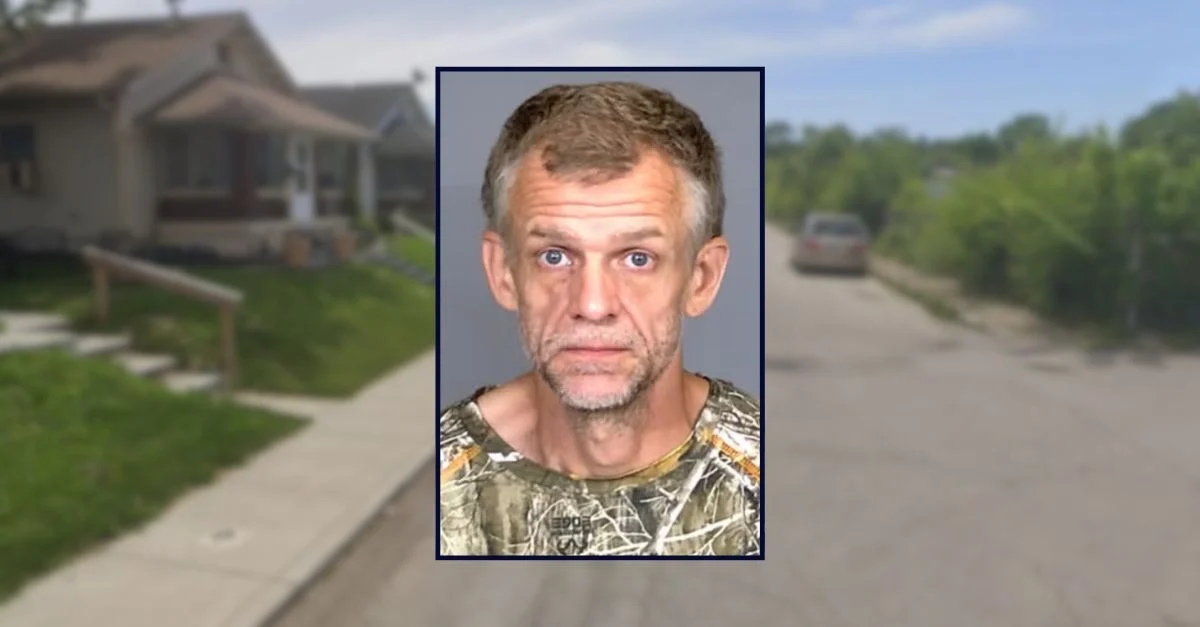
A Marion County Superior Court judge has sentenced an Indiana man to 62 years in prison following his conviction for the brutal murder and subsequent concealment of another man’s body in his own Indianapolis residence. James Grossnickle, 54, was found guilty in March of one count of murder and one count of unlawful possession of a firearm by a serious violent felon, stemming from the September 2024 shooting death of 40-year-old Craig Esmon Jacobs. The sentence, handed down this week by Judge Jeffrey Marchal, underscores the gravity of Grossnickle’s actions and the justice system’s resolve to address violent crime within the community.
The case, which involved a deliberate attempt by Grossnickle to hide his crime and evade detection, captivated local attention as details emerged of the victim’s prolonged disappearance and the chilling discovery by concerned friends. Prosecutor Ryan Mears of Marion County issued a statement following the sentencing, emphasizing the court’s role in upholding truth and accountability. "Last month, the jury found the truth the defendant attempted to hide, and today the court reinforced that truth with a sentence that reflects the weight of his crimes," Mears stated. He further commended his trial team, asserting, "I am proud of our trial team for ensuring this defendant will spend the rest of his life in prison for the lives he impacted."
A Grisly Discovery and Unraveling Deception
The tragic sequence of events began to unfold in early September 2024, at Grossnickle’s residence on South Gray Street in Indianapolis. On September 4, 2024, officers from the Indianapolis Metropolitan Police Department (IMPD) were dispatched to the home under alarming circumstances. Friends of Craig Esmon Jacobs, having grown increasingly worried after several days without contact, decided to investigate his whereabouts. Their concern was amplified by disturbing remarks Grossnickle had allegedly made about Jacobs.
Upon arriving at the residence, Jacobs’ friends discovered his body in a locked bedroom, bearing multiple gunshot wounds. The scene immediately prompted a call to authorities. Responding officers found Jacobs suffering from what appeared to be several gunshot wounds to the face, indicating a violent and fatal encounter. According to court documents obtained by local media, including NBC affiliate WTHR, investigators noted that Jacobs appeared to have been dead "for some time," suggesting the murder had occurred days prior to the discovery. The room had been secured from the outside, an apparent attempt to conceal the crime.
The investigation quickly revealed that Jacobs had been missing for several days, sparking increasing worry among his social circle. Witnesses at the scene provided crucial information to investigators, detailing incriminating interactions with Grossnickle. One witness recounted visiting the residence two days before the body was found and inquiring about Jacobs. Grossnickle reportedly advised against visiting, claiming Jacobs was in a "bad mood." More disturbingly, Grossnickle allegedly became agitated during this conversation, making explicit threats. "[Grossnickle] said he got into an argument with [Jacobs], and then [Grossnickle] started rumbling and made statements to the extent of ‘Em a crazy motherf—r, I’ll shoot you in the head and I’ll send a bag with body parts to your family,’" a court document, cited by Fox affiliate WXIN, revealed. These chilling remarks quickly elevated Grossnickle to a primary suspect.
Arrest, Confession, and the Path to Justice
Armed with the alarming witness statements and the grim discovery, IMPD detectives swiftly moved to apprehend Grossnickle. Later the same day, police received reports of an armed individual believed to be connected to the shooting on Gray Street. Grossnickle was located and arrested on East Edgewood Avenue. A critical piece of evidence, the murder weapon, was subsequently discovered inside his vehicle after he was taken into custody, further cementing the case against him.
During a custodial interview, Grossnickle provided a chilling confession that detailed the final moments of Craig Jacobs’ life. He admitted to police that days prior to his arrest, he had shot Jacobs "multiple times" in the head. Grossnickle also confessed that his gun jammed during the violent act. In a calculated attempt to hide his crime, he admittedly locked the bedroom door where Jacobs’ body lay and then further secured the lock with a screw, creating a barrier to delay discovery. This confession, combined with the physical evidence and witness testimonies, formed a comprehensive and damning narrative for the prosecution.
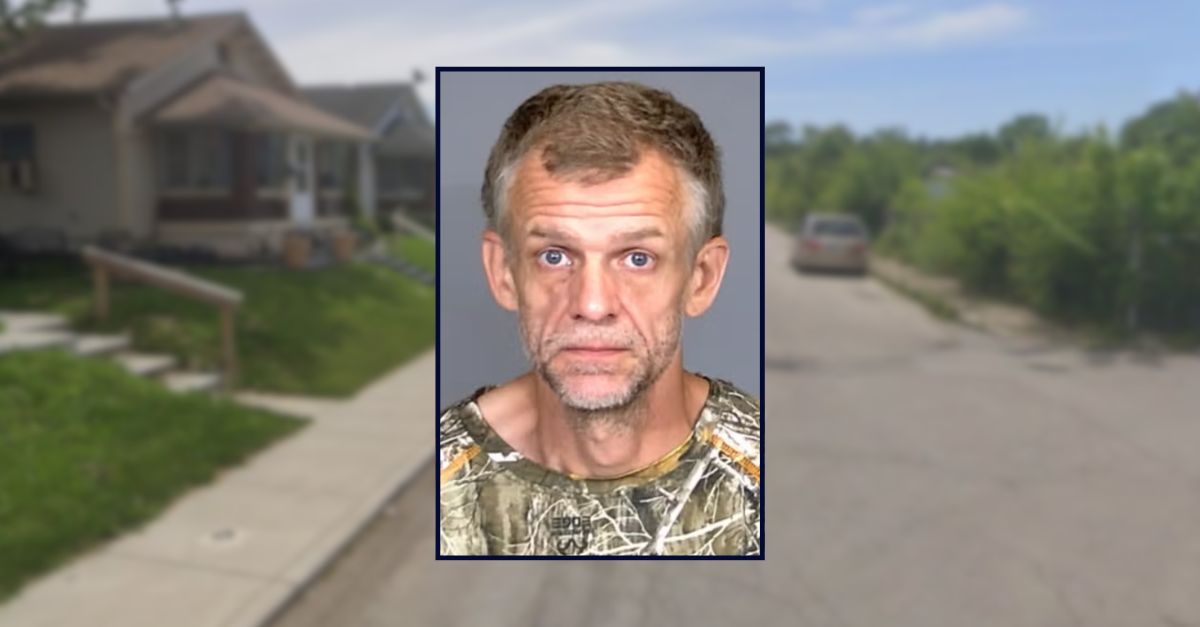
The judicial process moved forward with efficiency. After a three-day trial in Marion County, a jury of Grossnickle’s peers deliberated and ultimately delivered a guilty verdict on the charge of murder. This conviction was followed by a separate conviction for unlawful possession of a firearm by a serious violent felon, highlighting Grossnickle’s criminal history and his ineligibility to possess firearms. The dual convictions paved the way for the substantial prison sentence handed down by Judge Marchal. Prosecutor Mears, at the time of Grossnickle’s conviction, had already underscored the futility of the defendant’s attempts to conceal his actions. "The defendant attempted to hide his crimes and act as if nothing had changed, but he could not escape the truth," Mears said in a press release on social media.
Broader Context: Gun Violence and Accountability in Indianapolis
The murder of Craig Jacobs and James Grossnickle’s subsequent conviction and sentencing shed light on several critical issues facing Indianapolis and urban centers nationwide, particularly regarding violent crime and gun control. Indianapolis, like many major U.S. cities, has contended with fluctuating but often elevated rates of gun violence and homicides in recent years. This case, involving a firearm and a perpetrator with a serious violent felony record, underscores the complex challenges law enforcement and the justice system face in curbing such crimes.
The charge of unlawful possession of a firearm by a serious violent felon is a significant aspect of this case. This statute is designed to prevent individuals with a history of serious violent offenses from possessing firearms, recognizing the inherent danger they pose to public safety. Grossnickle’s conviction on this count reinforces the state’s commitment to enforcing such laws, aiming to reduce the likelihood of repeat offenses by dangerous individuals. It highlights the importance of thorough background checks and strict adherence to firearm possession regulations for those with past criminal records.
Beyond the legal framework, this incident profoundly impacts the community. Violent crimes, especially those involving the concealment of a body, erode public trust and create an atmosphere of fear. The efforts of Jacobs’ friends to find him, their courageous discovery, and their cooperation with police played an indispensable role in bringing Grossnickle to justice. This community involvement underscores the critical partnership between citizens and law enforcement in solving crimes and maintaining public safety.
Implications and the Path Forward
The 62-year sentence imposed on James Grossnickle serves as a stark reminder of the severe consequences awaiting those who commit such heinous acts. It sends a clear message that attempts to evade justice through concealment or deception will not succeed, and that the courts will hold perpetrators accountable to the fullest extent of the law. For the family and friends of Craig Esmon Jacobs, while no sentence can truly alleviate the pain of their loss, the judicial outcome offers a measure of closure and affirmation that justice has been served.
This case also prompts a broader reflection on the effectiveness of current measures to prevent violent crime and support victims. Law enforcement agencies like IMPD continuously work to improve investigative techniques, leveraging forensic science and community intelligence to solve complex cases. Prosecutors are dedicated to building strong cases to ensure convictions for serious offenses. Meanwhile, victim advocacy groups provide crucial support services to those affected by violence, helping them navigate the emotional and practical challenges in the aftermath of such tragedies.
As Indianapolis continues its efforts to foster a safer environment for its residents, cases like that of James Grossnickle serve as a powerful testament to the unwavering commitment of the justice system to pursue truth, deliver justice, and hold accountable those who disrupt the peace and safety of the community. The decades-long sentence ensures that Grossnickle will spend the majority of his remaining life behind bars, a consequence reflective of the irreversible harm he inflicted upon Craig Esmon Jacobs and all who knew him.


 Yuyun Lusiyani
 Joko Widodo
 Jia Lissa
 Pevita Pearce
 admin
admin
