
 admin
admin
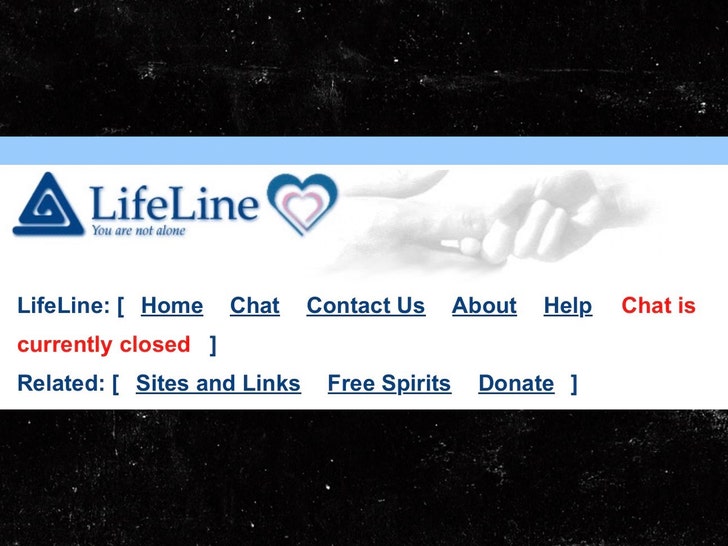
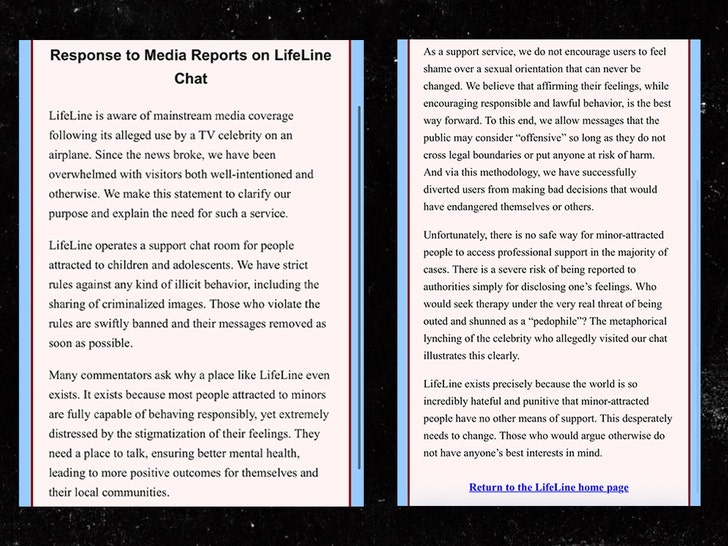
The online chat room, identified as Lifeline.chat, which former "Wheel of Fortune" announcer Jim Thornton was reportedly using during a May flight, has been taken offline, TMZ has confirmed. This development follows a widely publicized incident that led to Thornton’s termination from the iconic game show. The website itself had previously issued a statement defending its existence while denying it housed criminal activity, claiming it served as a support forum for "minor-attracted people" in a "hateful and punitive" world.
The Airline Incident and Immediate Aftermath
The controversy surrounding Jim Thornton ignited after a fellow passenger on a May flight from North Carolina to Los Angeles observed and photographed his laptop screen. The passenger alleged that Thornton was engaged in conversations within an online chat room that appeared to be associated with pedophilia. Promptly, the passenger alerted the flight crew, setting in motion a chain of events that would rapidly unravel Thornton’s public career. Upon the plane’s landing in Los Angeles, law enforcement officials were waiting to question Thornton. While he was interrogated regarding the content observed on his screen, no arrest was made, and no charges were filed against him at that time.
The images, subsequently obtained and published by TMZ, depicted Thornton spending nearly an hour on Lifeline.chat. The visible conversations on his screen were described as being associated with pedophilia, sparking immediate and intense public outcry. The swift dissemination of these images across various media platforms brought the issue to the forefront, placing Thornton and his employer, Sony Pictures Television, under considerable scrutiny. The incident underscored the pervasive nature of digital communication and the often-unforeseen consequences of online activities, especially for public figures.

Jim Thornton’s Career and Public Profile
Jim Thornton had been a familiar voice to millions of Americans as the announcer for "Wheel of Fortune" since 2011. His role involved introducing contestants, announcing prizes, and providing the voice-over for various segments of the show. Succeeding the legendary Charlie O’Donnell, Thornton had become an integral part of the program’s enduring appeal, contributing to its family-friendly image. "Wheel of Fortune," which first aired in 1975, is one of the longest-running syndicated game shows in American television history, enjoying immense popularity across generations. Its wholesome brand identity made the allegations against Thornton particularly shocking to its dedicated viewership and the entertainment industry at large.
Prior to his tenure on "Wheel of Fortune," Thornton had a long and varied career in radio and television. His broadcasting experience included roles as a radio disc jockey and voice-over artist for numerous commercials and programs. His smooth delivery and professional demeanor had made him a respected figure in the industry. The allegations and subsequent public exposure drastically altered his public image, transforming him from a beloved voice of entertainment to the center of a grave controversy.
The Chat Room: Lifeline.chat and Its Content
Lifeline.chat became a central focus of the unfolding scandal. The website’s controversial nature was amplified by the public exposure through Thornton’s alleged use. Following the initial reports, TMZ learned that the specific chat room where Thornton was reportedly active had been removed from the website. This action by the website operators suggests an acknowledgment of the heightened scrutiny and potential legal or ethical implications stemming from the incident.
Prior to the chat room’s removal, Lifeline.chat had issued a statement addressing the burgeoning headlines. In its statement, the website operators explicitly denied that the site housed criminal activity. Instead, they posited that "LifeLine exists precisely because the world is so incredibly hateful and punitive that minor-attracted people have no other means of support." This statement ignited further debate, highlighting the contentious and often misunderstood discourse surrounding "minor-attracted persons" (MAPs). While some argue for the existence of non-offending MAPs who seek support to manage their attractions without acting on them, law enforcement agencies and child protection advocates consistently warn that such forums can often serve as breeding grounds for illicit activity, facilitating contact between offenders and the sharing of child exploitation material. The delicate balance between free speech, online community support, and the paramount need for child safety remains a complex and continuously debated issue in the digital age.

Thornton’s Defense and Legal Standing
In the wake of the allegations, Jim Thornton’s attorney promptly issued a defense. His legal counsel maintained that Thornton was attempting to access a suicide-prevention forum when he was inadvertently directed to Lifeline.chat. The attorney further denied that Thornton had viewed, downloaded, or possessed child pornography. This defense strategy aims to portray Thornton as an accidental visitor to the site, rather than an intentional participant in a pedophile chat room.
The distinction between accessing a site inadvertently and actively engaging in illicit activities is crucial in legal proceedings related to online content. While simply visiting a website, even one with controversial content, may not always constitute a criminal offense, engagement in conversations that promote child exploitation or the viewing/possession of child pornography carries severe legal penalties. The fact that Thornton was questioned but not arrested or charged suggests that law enforcement, at least initially, did not find sufficient evidence to press charges directly related to the incident on the plane. However, internal investigations by employers often operate under different standards of conduct and public perception, which can lead to professional repercussions even in the absence of criminal convictions.
Corporate Response and Termination from "Wheel of Fortune"
The incident prompted an immediate internal investigation by Sony Pictures Television, the production company behind "Wheel of Fortune." Companies with a strong public brand, particularly those associated with family entertainment, typically have strict codes of conduct for their employees, especially those in highly visible roles. Allegations of this nature are taken with extreme seriousness due to the potential for severe reputational damage, public backlash, and adverse effects on advertising revenue and viewership.
Following its internal review, Sony Pictures Television ultimately made the decision to terminate Jim Thornton’s employment. This decision, announced in September 2026, marked the end of his 15-year tenure as the announcer for "Wheel of Fortune." The firing underscores the entertainment industry’s zero-tolerance policy for behaviors that could be perceived as harmful to children or could severely tarnish a show’s image. Even without criminal charges, the mere association with a "pedophile chat room," as reported by media outlets, was sufficient grounds for Sony to sever ties with Thornton, prioritizing the integrity of the "Wheel of Fortune" brand.
The rapid action taken by Sony Pictures Television reflects a broader trend in corporate accountability, where public figures are held to high ethical standards. The prevalence of social media and instant news cycles means that allegations can spread globally in minutes, necessitating swift and decisive action from employers to manage public perception and safeguard their brand’s reputation.
Broader Implications: Online Safety and Content Moderation
The Jim Thornton incident brings into sharp focus the ongoing challenges of online safety, content moderation, and the fight against child exploitation material (CEM) online. The internet provides a vast and often unregulated space where illicit activities can proliferate, making it difficult for law enforcement and child protection agencies to monitor and intervene effectively.
The existence of sites like Lifeline.chat, even if they claim to be for "support" rather than criminal activity, raises complex questions about the responsibilities of internet service providers, website hosts, and platform operators. There is a constant tension between protecting freedom of speech and ensuring that online platforms are not used to facilitate harm, particularly to vulnerable populations like children. International cooperation is often required to track down and dismantle such operations, as servers and users can be located across different jurisdictions. Legal frameworks such as the PROTECT Act in the United States, and similar legislation globally, aim to combat child exploitation by criminalizing the production, distribution, and possession of child pornography.
The incident also serves as a stark reminder for the general public, and particularly for parents, about the importance of digital literacy and online vigilance. Understanding the nature of online communities, the risks associated with certain websites, and the methods used by individuals seeking to exploit children online is crucial for safeguarding oneself and others.
Impact on Public Figures and Media Scrutiny
For public figures like Jim Thornton, the incident highlights the intense scrutiny that comes with celebrity. Their actions, even those performed in seemingly private settings, can become public knowledge and have profound consequences. The advent of smartphone cameras and social media has empowered ordinary citizens to act as citizen journalists, capturing and disseminating information that can rapidly reshape public narratives and careers.
The media’s role in reporting such incidents is also critical. While outlets like TMZ are known for their sensational approach, their reporting often brings to light issues that warrant public attention and can spur investigations or corporate action. However, the balance between reporting facts and avoiding undue speculation or sensationalism remains a perpetual challenge in news media, especially when dealing with sensitive topics.
The Future of "Wheel of Fortune" and its Announcer Role
With Jim Thornton’s departure, "Wheel of Fortune" faced the task of finding a new announcer to continue its long-standing tradition. The show’s producers would undoubtedly seek a voice that aligns with the program’s wholesome image and can maintain the continuity of its beloved format. The process of selecting a new announcer would likely involve a careful consideration of public perception and a thorough vetting process to avoid any future controversies. This change marks a significant transition for a show that prides itself on stability and familiarity.
Conclusion
The incident involving Jim Thornton and the subsequent scrubbing of the Lifeline.chat room underscore the complex interplay between individual conduct, corporate responsibility, and the ongoing battle against online child exploitation. While Jim Thornton’s attorney maintains his innocence, the public perception and corporate response led to his swift termination from "Wheel of Fortune." The removal of the chat room signifies a victory for those advocating for online safety, yet it also highlights the persistent challenge of monitoring and regulating the vast expanse of the internet. This case serves as a powerful reminder of the pervasive reach of digital actions and their far-reaching consequences, particularly for those in the public eye, and the continuous need for vigilance in protecting vulnerable populations online.




 Yuyun Lusiyani
 Joko Widodo
 Jia Lissa
 Pevita Pearce

