
 admin
admin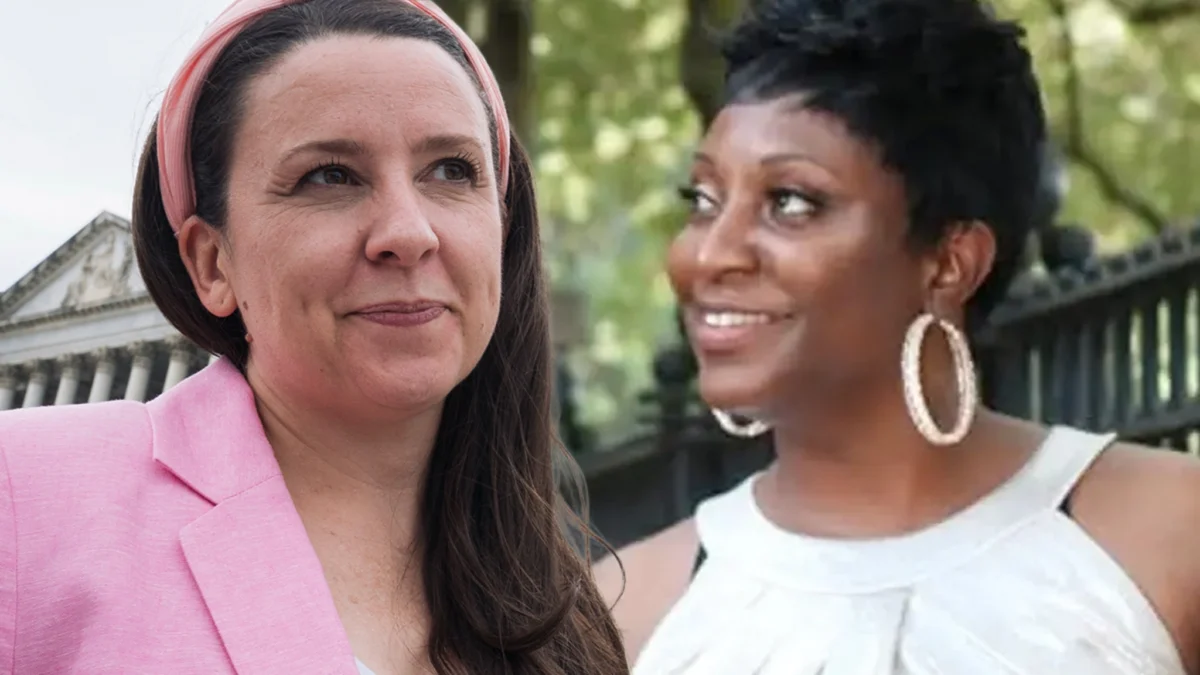
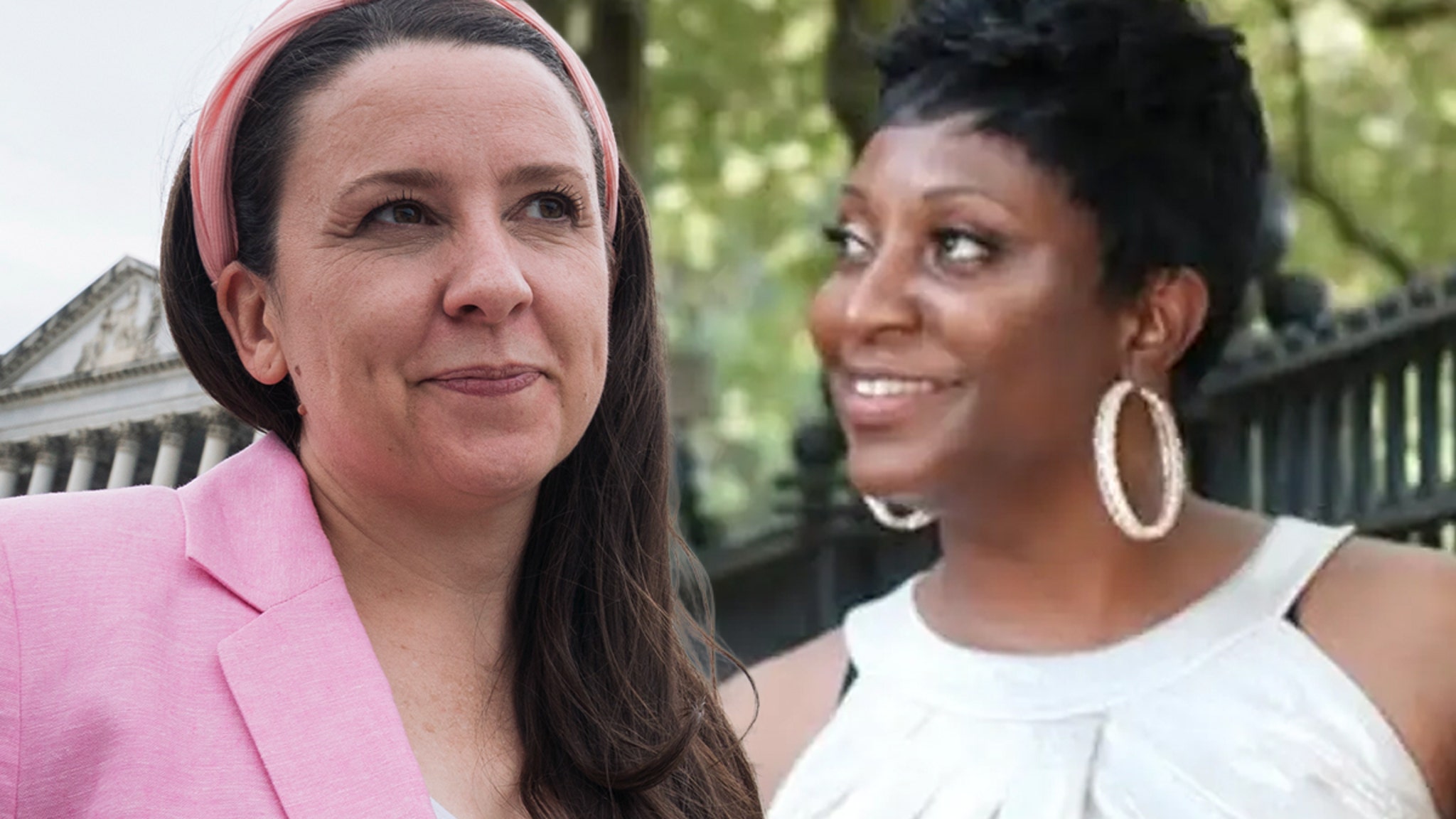
A significant legal battle has commenced within the highly lucrative and rapidly expanding realm of children’s digital content, as Ms. Rachel, the beloved educational YouTube personality whose real name is Rachel Griffin Accurso, through her company Songs For Little LLC, has initiated proceedings to cancel a trademark held by fellow content creator Sherrika Myers. The dispute centers on the intellectual property rights to a popular puppet sidekick named Herbie, a core element of Ms. Rachel’s immensely successful online educational program, "Songs for Littles." The legal action, filed with the U.S. Patent and Trademark Office (USPTO), underscores the escalating complexities of intellectual property protection in the digital age, particularly for creators whose brands are built on recognizable characters and engaging content for young audiences.
The Genesis of the Dispute: Two Herbies, One Trademark Conflict
The conflict came to public light on September 8, 2026, when TMZ reported on documents filed by Songs For Little LLC. At the heart of the matter is Ms. Rachel’s claim that Sherrika Myers’ existing trademark for her character, "Lil Herbie," is acting as an impediment to Ms. Rachel’s ability to secure her own trademark for her distinctive orange puppet character, simply named Herbie. Ms. Rachel’s Herbie is described in the legal filings as "a lovable orange puppet character," an integral part of her educational videos that have garnered a colossal following of over 20 million YouTube subscribers. This massive reach highlights the commercial significance and brand value attached to every element of her content, including her popular sidekick.
Sherrika Myers, a content creator in her own right, asserts that she created the "Lil Herbie" character and has featured him in books and other materials. Her trademark for "Lil Herbie" predates Ms. Rachel’s attempts to trademark her character. The core of Ms. Rachel’s company’s argument for cancellation rests on the assertion that Myers has effectively "abandoned" her "Lil Herbie" trademark by not actively using it for a considerable period. If proven, trademark abandonment can be grounds for cancellation, thereby clearing the path for another party to register a similar mark. However, Myers has vehemently countered these claims, stating that she has not abandoned her trademark and intends to defend her rights to "Lil Herbie."
The Rise of Ms. Rachel and the Value of Brand Identity
Rachel Griffin Accurso, known globally as Ms. Rachel, has become a household name for parents of toddlers and preschoolers since launching her YouTube channel, "Songs for Littles," in 2019. Her unique approach combines classic children’s songs, educational segments, and speech development techniques, all delivered with a warm, engaging demeanor. Her success is not merely measured in subscriber counts but in the profound impact she has had on early childhood education, offering accessible, high-quality content that many parents credit with aiding their children’s language acquisition and cognitive development.
The character of Herbie, her orange puppet sidekick, is more than just a prop; he is a recognizable brand element, a friendly face that children associate with learning and fun. In the competitive landscape of children’s media, distinct characters contribute significantly to brand loyalty and marketability. For a brand as expansive as "Songs for Littles," which has diversified into merchandise, live performances, and potential spin-offs, securing comprehensive intellectual property rights for all its key characters, including Herbie, is paramount for continued growth and protection against infringement. The inability to secure a trademark for Herbie due to a prior registration is therefore perceived as a significant commercial hurdle, potentially limiting merchandising opportunities and brand expansion into new ventures.
Sherrika Myers and the Independent Creator’s Perspective
On the other side of the dispute is Sherrika Myers, an independent content creator who claims to have originated the "Lil Herbie" character. While specific details about the timeline and extent of Myers’ use of "Lil Herbie" are central to the USPTO proceedings, her defense against the abandonment claim highlights the challenges faced by independent creators in maintaining and enforcing their intellectual property rights. Smaller creators often lack the extensive legal and financial resources available to larger entities, making the process of continuous trademark monitoring and enforcement a significant burden.
Myers’ assertion that she has not abandoned her trademark suggests a continued belief in the value and relevance of her character. The legal definition of trademark abandonment typically involves a cessation of use with an intent not to resume use. This is often a difficult standard to meet for the party alleging abandonment, as the trademark holder can present evidence of even minimal or intermittent use, or a genuine intent to resume use, to counter the claim. For Myers, successfully defending her trademark would validate her prior creative efforts and secure her rights against a much larger, more prominent entity.
Navigating Trademark Law: Abandonment and Likelihood of Confusion
This legal conflict hinges on fundamental principles of U.S. trademark law, primarily the concepts of "abandonment" and, implicitly, "likelihood of confusion."
Trademark Abandonment: Under U.S. law, a trademark can be deemed abandoned if its owner discontinues its use with an intent not to resume use. Non-use for three consecutive years creates a prima facie case of abandonment, meaning it is presumed abandoned unless the owner can provide evidence to the contrary. Ms. Rachel’s company is leveraging this aspect of the law, arguing that Myers has not actively utilized the "Lil Herbie" trademark, thus warranting its cancellation. Myers’ counter-argument will focus on demonstrating continuous use, or at least a genuine intent to resume use, to rebut this presumption. The specifics of what constitutes "use" can be broad, encompassing not just direct sales but also advertising, promotional activities, and consistent presence in the marketplace.
Likelihood of Confusion: While not explicitly the primary argument for cancellation (which is abandonment), the underlying concern for Ms. Rachel’s company is the potential for "likelihood of confusion" among consumers. If two similar characters with similar names operate in the same general market (children’s entertainment), consumers might mistakenly believe they originate from the same source or are endorsed by each other. This confusion can dilute brand value, mislead consumers, and create unfair competition. Ms. Rachel’s extensive reach amplifies this concern, as any potential overlap could lead to significant brand damage or misattribution. The USPTO’s role is to prevent such confusion by ensuring trademarks are distinct enough within their respective goods and services categories.
The Chronology of Claims and Filings
The precise timeline of both "Herbie" and "Lil Herbie" creations and trademark registrations will be critical in this dispute.
- Prior to 2019: Sherrika Myers claims to have created "Lil Herbie" and subsequently secured a trademark. The exact date of her trademark registration and the commencement of her use of the character will be key evidence.
- 2019: Ms. Rachel launches "Songs for Littles" on YouTube, featuring her orange puppet sidekick, Herbie. Over the subsequent years, Herbie becomes an increasingly recognizable character as the channel’s popularity skyrockets.
- Early 2020s: Ms. Rachel’s company, Songs For Little LLC, likely begins exploring comprehensive trademark protection for all its brand elements, including Herbie, encountering Myers’ existing "Lil Herbie" trademark.
- September 8, 2026: Songs For Little LLC files a petition with the U.S. Patent and Trademark Office’s Trademark Trial and Appeal Board (TTAB) to cancel Sherrika Myers’ "Lil Herbie" trademark, citing abandonment.
- Post-September 8, 2026: Sherrika Myers files her response, officially disputing the claims of abandonment and asserting her continued rights to the "Lil Herbie" trademark.
These dates will be meticulously examined by the TTAB, which acts as an administrative court within the USPTO, adjudicating disputes concerning trademark applications and registrations.
Broader Implications for Digital Content Creators
This legal skirmish extends beyond the two parties involved, sending ripples through the broader landscape of digital content creation, especially in the children’s entertainment sector.
- Importance of Proactive IP Strategy: The case highlights the critical need for all content creators, regardless of their size, to establish a robust intellectual property strategy from the outset. This includes not only copyrighting original content but also actively pursuing trademark protection for character names, logos, and catchphrases that define their brand. Waiting until a brand achieves massive success can lead to encountering pre-existing marks, as seen here.
- Challenges for Independent Creators: For independent creators like Sherrika Myers, the financial and logistical burden of securing and defending trademarks against larger entities can be overwhelming. This case could serve as a stark reminder of the resources required to protect creative assets in a competitive digital environment.
- The "Wild West" of Online Content: The rapid proliferation of content on platforms like YouTube has created a "Wild West" scenario where ideas and characters can quickly spread and evolve, sometimes leading to unintentional or unavoidable overlaps. Legal frameworks are often playing catch-up to the pace of digital innovation.
- Fan Engagement and Public Perception: Ms. Rachel’s immense popularity means this dispute will likely attract significant attention from her dedicated fanbase. Public perception, while not directly influencing legal outcomes, can exert pressure and shape narratives around such conflicts. How each party navigates public relations will be crucial.
- Precedent Setting: The outcome of this case, particularly regarding the interpretation of trademark abandonment in the context of digital content, could set important precedents for future disputes involving online creators and their character brands.
The Path Forward: A Lengthy Legal Process
Trademark cancellation proceedings before the TTAB are typically complex and can be protracted, often taking months or even years to resolve. The process involves multiple stages, including discovery (where parties exchange information and evidence), motions, and potentially oral arguments. Both sides will present evidence to support their claims: Songs For Little LLC will aim to prove Myers’ non-use and intent to abandon, while Myers will provide evidence of her continued use, marketing, or intent to resume use of "Lil Herbie."
Potential outcomes range from a settlement between the parties, where they might agree on coexistence terms or a buy-out, to a full decision by the TTAB. If the TTAB rules in favor of Ms. Rachel’s company, Myers’ "Lil Herbie" trademark would be canceled, potentially allowing Ms. Rachel to register her "Herbie" trademark. Conversely, if Myers successfully defends her trademark, Ms. Rachel’s company would need to explore alternative strategies, such as modifying her character’s name or seeking a licensing agreement, or continue to operate without a registered trademark for Herbie, which carries its own risks.
The legal clash over Herbie underscores a fundamental tension in the digital creator economy: the desire to innovate and connect with audiences versus the imperative to protect intellectual property in an increasingly crowded and litigious space. As Ms. Rachel and Sherrika Myers prepare for what promises to be a closely watched legal battle, the industry observes, aware that the resolution of this puppet-centric dispute could illuminate the evolving landscape of brand protection for the next generation of digital stars.




 Yuyun Lusiyani
 Joko Widodo
 Jia Lissa
 Pevita Pearce

