
 Eva Lovia
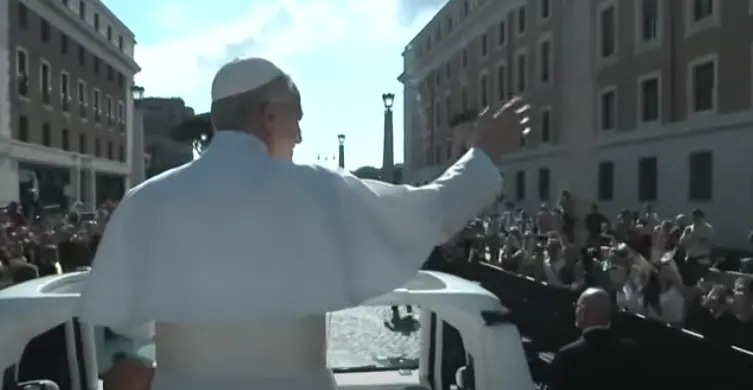
In a significant gesture underscoring the deepening spiritual and diplomatic ties between the British Crown and the Holy See, His Majesty King Charles III has bestowed a major honour upon His Holiness Pope Leo XIV. The conferral, announced on October 23rd, coincides precisely with the one-year anniversary of the historic State Visit undertaken by King Charles and Queen Camilla to the Vatican, an event that itself marked a landmark moment in centuries of Anglo-Vatican relations. Pope Leo XIV has accepted the invitation to become a Papal Confrater of the College of St George at St George’s Chapel, Windsor, a distinguished ecclesiastical role within one of the most revered chapels of the Church of England.
This latest honour signifies a reciprocal gesture following the historic visit of King Charles to Rome. During that seminal State Visit, the British monarch was invested as a Royal Confrater of the Papal Basilica and Abbey of St Paul’s Outside the Walls in Rome. This exchange of honours highlights a deliberate and sustained effort to foster ecumenical fellowship and Christian fraternity between the two prominent religious leaders and their respective institutions. The timing of the announcement, on the anniversary of the King’s own papal investiture, further emphasizes the deliberate and symbolic nature of this ongoing dialogue.
A Year of Unprecedented Royal-Vatican Engagement
The State Visit of King Charles III and Queen Camilla to the Vatican in October of the previous year was an event of profound historical and symbolic significance. It represented the first time since the English Reformation, a period of schism and religious upheaval that began in the 16th century, that a reigning British Monarch had been seen praying publicly with a Pope. This act of shared worship transcended centuries of historical and theological divergence, signalling a new era of interfaith dialogue and mutual respect. The meeting between the King and Pope Francis (at the time of the visit, though the article now refers to Pope Leo XIV) was not merely a ceremonial occasion but a substantive engagement focused on shared global challenges, including climate change, poverty, and the promotion of peace and interreligious understanding.
During that historic visit, King Charles was not only received in private audience by the Pope but also participated in a solemn ceremony where he was invested as a Royal Confrater of the Papal Basilica and Abbey of St Paul’s Outside the Walls. This honour, bestowed by the Archpriest of the Basilica, is traditionally granted to heads of state and other distinguished individuals who have demonstrated exceptional service and devotion to the Church and its mission. The investiture underscored the unique and historic relationship that exists between the British monarchy and the Catholic Church, a relationship that has evolved considerably over the centuries. In recognition of this honour, a specially commissioned chair was presented to King Charles and permanently installed within the Basilica for his use and the use of all future British monarchs visiting the sacred site. This symbolic act ensures a tangible and lasting link between the Crown and this significant Catholic institution.
Reciprocal Honour and the Significance of St George’s Chapel
The conferral of the Papal Confrater status upon Pope Leo XIV by the Dean and Canons of Windsor is a profound acknowledgement of his spiritual leadership and the enduring bonds of Christian fellowship. St George’s Chapel, Windsor, is an institution steeped in royal history and religious significance. It serves as the spiritual home of the Royal Family and is the burial place of numerous monarchs. The College of St George, within which the Papal Confrater role is established, is a collegiate body of clergy responsible for the spiritual welfare and administration of the chapel. To be appointed a Papal Confrater of this esteemed college is to be recognized as a key partner in a shared mission of faith and service.
Just as a dedicated chair was created for King Charles at St Paul’s Outside the Walls, a bespoke chair will now be crafted for Pope Leo XIV to be placed within St. George’s Chapel. This thoughtful detail further emphasizes the parity and mutual respect inherent in these reciprocal honours. It signifies that the Pope will have a designated place of honour within a significant Anglican institution, mirroring the King’s designated place within a major Catholic basilica. The creation of these specially commissioned chairs serves as a powerful visual representation of the shared spiritual journey and the commitment to building bridges between different Christian traditions.
A Visible Sign of Spiritual Fellowship
The official statement accompanying the announcement of Pope Leo XIV’s honour described the appointment as "a visible sign of spiritual fellowship, ecumenical friendship and Christian fraternity." This carefully worded statement encapsulates the broader implications of this diplomatic and religious gesture. In an era often marked by division and geopolitical tension, the strengthening of bonds between major religious institutions offers a beacon of hope and a model for peaceful coexistence.
The concept of ecumenical friendship refers to the efforts by different Christian denominations to promote unity and cooperation. For centuries, the relationship between the Church of England and the Roman Catholic Church has been complex, marked by periods of both conflict and dialogue. However, in recent decades, there has been a concerted effort on both sides to foster understanding and find common ground. This latest honour is a testament to the progress made in this ongoing ecumenical journey.
Furthermore, the emphasis on "Christian fraternity" speaks to a shared commitment to the core tenets of Christianity – love, compassion, and service to humanity. By recognizing and celebrating these shared values, the British monarchy and the Papacy are reinforcing a message of unity and common purpose that can resonate far beyond the confines of religious institutions.
Pope Leo XIV’s Recent Health and Shared Resilience
Adding a layer of personal resonance to this news is the recent health update concerning Pope Leo XIV. It was revealed that the Pontiff has received a clean bill of health following surgery to remove a cancerous nodule from his lung. Doctors confirmed that the operation successfully addressed the issue, and the Pope is now free of cancer. This news has been met with widespread relief and well wishes from across the globe.
Significantly, King Charles himself is currently undergoing treatment for cancer. Upon learning of the Pope’s diagnosis, the King reportedly sent a personal message of support and encouragement. This shared experience of navigating health challenges, particularly cancer, can foster a profound sense of empathy and solidarity. It highlights the common human vulnerability that unites individuals, regardless of their position or status. The fact that both leaders are facing similar health battles adds an intimate dimension to their already significant relationship, potentially deepening their mutual understanding and support.
Historical Context and Broader Implications
The historical context of the relationship between the British Crown and the Papacy is deeply complex, shaped by events such as the English Reformation, the establishment of the Church of England, and periods of religious persecution. For centuries, the relationship was characterized by distance and, at times, antagonism. The decision by Henry VIII in the 16th century to break away from the authority of the Pope and establish the Church of England fundamentally altered the religious landscape of Britain and created a theological and political divide that persisted for centuries.
However, the 20th and 21st centuries have witnessed a significant shift towards reconciliation and dialogue. The establishment of full diplomatic relations between the United Kingdom and the Holy See in 1914 marked a turning point. Subsequent decades have seen increasing engagement, with royal visits to the Vatican and papal visits to the UK becoming important milestones. The State Visit of Queen Elizabeth II to Pope John XXIII in 1961 was a landmark event, and Pope John Paul II’s visit to the UK in 1982 was a profoundly impactful occasion for ecumenical relations.
The current actions of King Charles III, particularly his proactive engagement with the Papacy and his acceptance of honours from the Vatican, can be seen as a continuation and acceleration of this trend. By embracing these reciprocal honours, King Charles is not only strengthening the formal diplomatic ties but also symbolically mending historical rifts and promoting a message of Christian unity to a global audience.
The implications of this strengthened relationship extend beyond the religious sphere. In a world grappling with complex ethical dilemmas and seeking pathways to peace, the collaboration between influential religious leaders can have a significant impact on global discourse. The shared focus on issues such as environmental stewardship, social justice, and interfaith harmony, which were central to the discussions during the King’s State Visit, signals a potential for increased cooperation on these critical global challenges.
The Papal Confrater status bestowed upon Pope Leo XIV at St George’s Chapel, Windsor, and the reciprocal honour granted to King Charles at St Paul’s Outside the Walls in Rome, are more than just ceremonial appointments. They represent a tangible manifestation of a renewed commitment to dialogue, mutual respect, and shared spiritual purpose. As these two influential figures navigate their respective roles and personal health journeys, their continued engagement offers a powerful example of how historic divides can be bridged through dialogue and a shared vision for a more united and compassionate world. The creation of dedicated spaces within each other’s sacred institutions serves as a perpetual reminder of this evolving and increasingly significant relationship.



 Nila Kartika Wati

 Lina Irawan

 Yuyun Lusiyani

 Ana Megawati

 Joko Widodo
