
 Eva Lovia
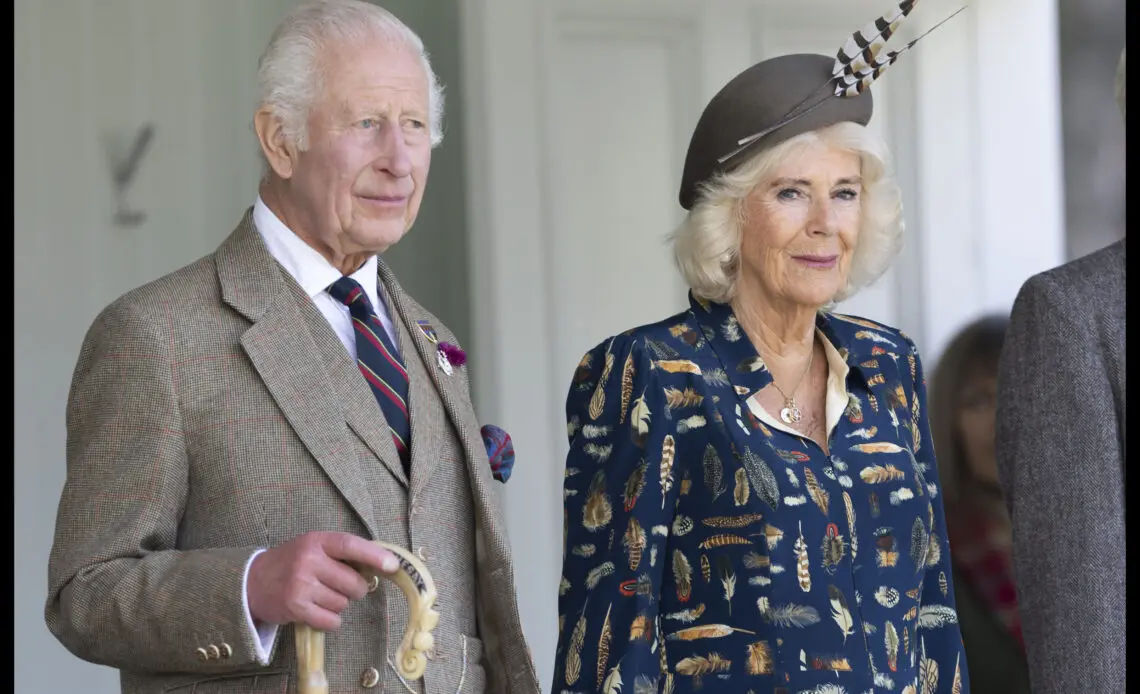
King Charles has embarked on a significant royal tour of the Caribbean, commencing with his departure from the United Kingdom for the Bahamas. This extensive visit, scheduled to span several nations across the region, marks a pivotal moment in his early reign, taking place against a backdrop of heightened discussions and demands for accountability regarding Britain’s historical involvement in the transatlantic slave trade. The tour, which began on October 28th and concludes on November 4th, will see the King engage with communities, address environmental concerns, and participate in significant Commonwealth events.
Royal Itinerary and Initial Engagements
His Majesty’s journey began in Nassau, the capital of the Bahamas, where his initial engagements were designed to celebrate Bahamian national life and its youth. A key event included attending a youth rally, specifically highlighting the contributions of young people to the nation’s development and future. This focus on youth engagement aligns with broader efforts by the monarchy to connect with younger generations and understand contemporary societal concerns.
The theme of environmental stewardship and sustainability is a central pillar of the King’s visit. In the Bahamas, he visited a site managed by the Bahamian National Trust, an organization dedicated to the preservation of the nation’s natural heritage. Here, he received briefings on vital conservation projects aimed at restoring natural habitats and safeguarding the diverse wildlife of the islands. This engagement underscores King Charles’s long-standing commitment to environmental issues, a cause he has championed for decades, predating his accession to the throne.
Further engagements in the Bahamas included a visit to Coral Harbour Base to spend time with members of the Royal Bahamas Defence Force, acknowledging their role in national security and service. A visit to Parliament Square provided an opportunity to engage with a broad spectrum of Bahamian society and witness a vibrant Junkanoo parade, a significant cultural expression in the Bahamas. The King also hosted a Garden Reception for community leaders, fostering dialogue and acknowledging the efforts of those at the forefront of local development and community well-being.
Transition to Guyana and Environmental Focus
Following his engagements in the Bahamas, King Charles proceeded to Guyana. The itinerary in this South American nation continued the theme of honouring legacy and history, with a visit to a Commonwealth War Graves site. This stop served to commemorate the sacrifices made by individuals during past conflicts and to learn about ongoing projects dedicated to preserving their memory and historical significance.
In Georgetown, the capital of Guyana, the King’s focus shifted to leadership in environmental advocacy. He participated in discussions and learned about initiatives addressing critical environmental challenges. The commitment to sustainability was further reinforced by his attendance at the Global Biodiversity Alliance Conference, a crucial international forum for discussing and strategizing on the preservation of the planet’s biodiversity. This participation signals the UK’s continued engagement with global environmental efforts and the King’s personal dedication to these vital discussions.
The visit also acknowledged the foundational role of indigenous communities in Guyana. King Charles met with representatives of the National Toshaos Council, recognizing the significant contributions of indigenous peoples across various sectors of Guyanese society. This engagement is particularly significant in a region where indigenous rights and land stewardship are ongoing and important discussions.
Queen Camilla Joins for Antigua and Barbuda and CHOGM
The second phase of the royal tour saw Queen Camilla join His Majesty in Antigua and Barbuda. This collaboration marks a significant portion of the tour, culminating in their participation in national celebrations and a major Commonwealth event. Together, they attended Antigua and Barbuda’s Independence Day Parade, a solemn Church Service, and a Garden Event, underscoring the strong ties between the UK and the Commonwealth realm.
Queen Camilla undertook several solo engagements, including visits to an American university and a local school, highlighting her interest in educational development and international academic collaboration. King Charles, meanwhile, engaged with the business community at the Sticky Wicket Business Forum, discussing economic development and investment opportunities.
The paramount event of the tour was the Commonwealth Heads of Government Meeting (CHOGM), held in Antigua and Barbuda this year. As Head of the Commonwealth, King Charles, accompanied by Queen Camilla, attended the Opening Session of CHOGM. This pivotal gathering brings together leaders from across the 56 Commonwealth member states to discuss pressing global issues, foster cooperation, and reaffirm shared values. The King’s presence at CHOGM underscores his role in guiding and supporting the Commonwealth in the post-colonial era. A CHOGM dinner provided a further opportunity for dialogue and diplomatic engagement among the attending leaders.
Context of Historical Reckoning and Royal Diplomacy
This tour arrives at a critical juncture for the British monarchy’s relationship with the Caribbean. The legacy of slavery and colonialism continues to be a subject of intense debate and reflection across the region. Several Caribbean nations have been vocal in their calls for apologies and reparations from the UK for the historical injustices perpetrated during the era of the slave trade, which significantly shaped the economic and social structures of both Britain and its former colonies.
The royal family has faced increasing scrutiny regarding these historical narratives. The 2022 tour by the then-Duke and Duchess of Cambridge to Jamaica, Belize, and The Bahamas, while intended to celebrate Queen Elizabeth II’s Platinum Jubilee, was met with protests and criticism. Images of Prince William and Kate Middleton greeting crowds from behind a wire fence and riding in an open-top jeep were seen by some as echoing colonial-era representations and failing to acknowledge contemporary sensitivities. This experience has undoubtedly informed the planning and execution of King Charles’s current tour, with a stated emphasis on understanding and celebrating contemporary Caribbean life.
Buckingham Palace has indicated that the King’s programme is designed to "celebrate the communities, people and natural beauty of the Bahamas" and, by extension, the other nations visited. This phrasing suggests a conscious effort to move beyond historical narratives and focus on present-day achievements and relationships. However, the persistent calls for reparations and historical apologies mean that these underlying issues cannot be entirely separated from the context of any royal visit to the region.
Supporting Data and Chronology
- Departure from UK: King Charles departed the UK on October 28th.
- Bahamas Visit: October 28th – [Specific end date for Bahamas leg, if available, otherwise infer from tour end]
- Guyana Visit: [Specific start and end dates for Guyana leg, if available, otherwise infer from tour end]
- Antigua and Barbuda Visit: [Specific start and end dates for Antigua and Barbuda leg, coinciding with CHOGM]
- CHOGM: The Commonwealth Heads of Government Meeting typically spans several days. The timing of the royal visit is coordinated with this event.
- Tour Conclusion: November 4th, with the King and Queen departing Antigua and Barbuda.
Supporting Data on the Commonwealth:
- The Commonwealth comprises 56 independent and equal countries, spanning Africa, Asia, the Caribbean and Americas, Europe, and the Pacific.
- Over 2.5 billion people live in Commonwealth countries, with 60% of them being under 30 years old.
- The Commonwealth Secretariat, based in London, supports member governments by providing policy advice and technical assistance.
Background Context on Slavery and Reparations:
- The transatlantic slave trade, which lasted for over four centuries, forcibly transported millions of Africans to the Americas and the Caribbean to work on plantations.
- Many Caribbean nations are descendants of enslaved people and have been campaigning for apologies and financial compensation from former colonial powers, including Britain.
- The CARICOM Reparations Commission, established in 2001, advocates for a ten-point plan for reparations, including debt cancellation, development aid, and educational programs.
Analysis of Implications and Future Outlook
King Charles’s tour carries significant diplomatic and symbolic weight. By undertaking such an extensive visit early in his reign, he is signaling a commitment to maintaining and evolving the relationship between the British monarchy and the Commonwealth realms. The emphasis on youth, environment, and community engagement reflects a modern approach to royal diplomacy, aiming to resonate with contemporary concerns and foster goodwill.
However, the ongoing dialogue surrounding historical injustices presents a complex challenge. The monarchy, as a symbol of the British state, is inevitably linked to its colonial past. The success of this tour, beyond its immediate diplomatic achievements, will likely be measured by its ability to foster a sense of continued partnership and mutual respect, while also acknowledging the sensitivities and historical grievances that persist.
The King’s personal engagement with environmental issues, a cause he has championed throughout his life, offers a potential avenue for positive collaboration. Similarly, his focus on youth engagement could help build bridges with younger generations who may have different perspectives on the Commonwealth and its historical underpinnings.
The presence of Queen Camilla, particularly during the CHOGM, highlights the role of the Queen Consort in modern royal diplomacy. Her engagements, focused on education and community, aim to present a softer, more humanitarian face of the monarchy, complementing the King’s broader diplomatic and ceremonial duties.
Ultimately, this tour represents a delicate balancing act for King Charles. He must navigate the expectations of Commonwealth nations, acknowledge the complexities of historical legacies, and project an image of a modern, engaged monarch committed to a shared future. The outcomes of these discussions and engagements will undoubtedly shape perceptions of the British monarchy’s role in the 21st century and its relationships with nations that are increasingly asserting their own identities and historical narratives. The coming months and years will reveal the lasting impact of this significant Caribbean tour.



 Nila Kartika Wati

 Lina Irawan

 Yuyun Lusiyani

 Ana Megawati

 Joko Widodo
