
 Eva Lovia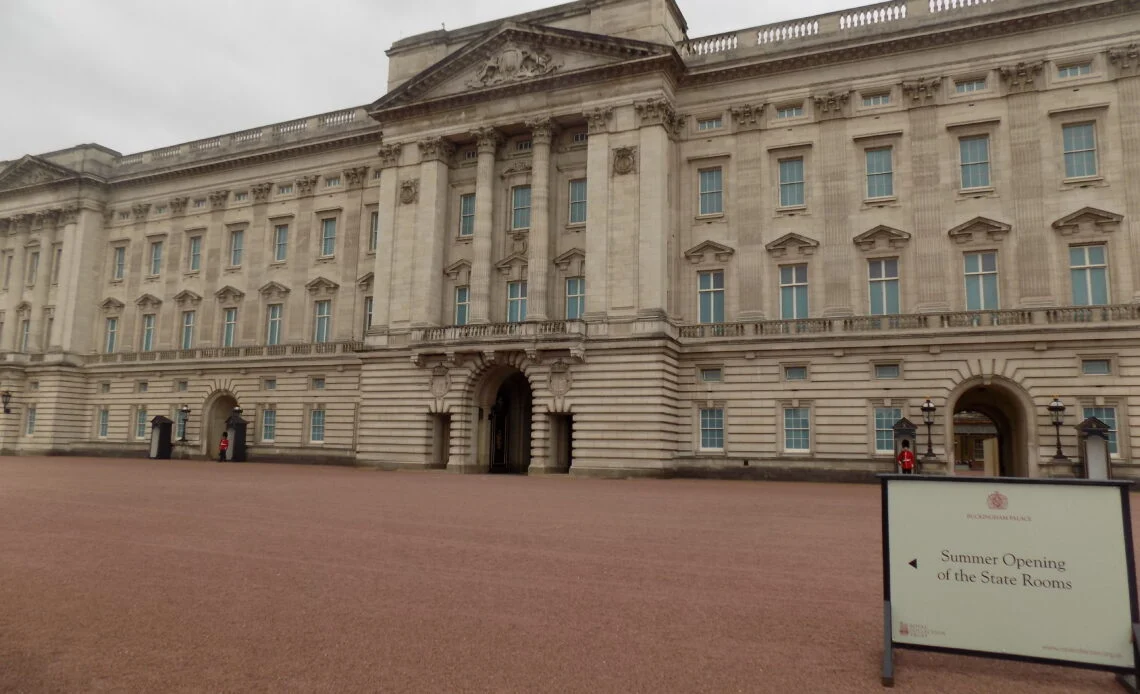
King Charles III has arrived at Buckingham Palace, marking a pivotal moment in the United Kingdom’s constitutional landscape as the nation prepares for the formal appointment of its next Prime Minister. This morning, His Majesty undertook one of the Sovereign’s most significant and symbolic duties, overseeing the peaceful and established transfer of political power. The meticulously orchestrated events at the Palace underscore the enduring role of the monarchy in the British system of government, even as the country navigates a new political era.
The Crown’s Role in Government Formation
The Sovereign’s constitutional responsibilities in forming a government are a cornerstone of British democracy, a tradition steeped in centuries of history. While the day-to-day governance of the United Kingdom rests with elected officials, the Monarch serves as the ultimate guarantor of constitutional continuity. This morning’s proceedings exemplify this crucial, albeit often behind-the-scenes, function.
King Charles’s presence at Buckingham Palace signifies the formal commencement of the transition process. His Majesty’s journey from his Gloucestershire residence, Highgrove House, to the heart of London underscores the personal commitment required of the Sovereign in fulfilling these constitutional obligations. The palace, a symbol of the nation and the Crown, becomes the stage for this critical juncture in the country’s political life.
A Carefully Choreographed Transfer of Power
The day’s events are set to unfold according to a long-established sequence of constitutional conventions, designed to ensure a seamless and orderly transition. The formal audience with the outgoing Prime Minister and the subsequent invitation to the incoming leader are critical steps in this process.
The first key engagement of the day is scheduled to be an audience with Sir Keir Starmer. During this private meeting, Sir Keir will formally tender his resignation as Prime Minister to His Majesty. This act signifies the conclusion of his tenure and the relinquishing of the mandate to govern. The precise timing of this audience is subject to the political realities and any ongoing discussions, but its significance as the formal end of one administration is paramount.
Following Sir Keir Starmer’s departure from Buckingham Palace, the focus will shift to the incoming leader. Sources indicate that Mr. Andy Burnham, the newly elected leader of the Labour Party, is expected to arrive at the Palace shortly thereafter. His audience with King Charles will be equally significant. During this meeting, His Majesty will formally invite Mr. Burnham to form a government. This invitation is the constitutional act that bestows upon the leader the authority to assume the office of Prime Minister and begin the process of government formation.
A New Chapter Under King Charles III
This constitutional moment marks a significant milestone for King Charles III’s reign. Mr. Burnham will become the fourth Prime Minister to be appointed by His Majesty since his accession to the throne in September 2022. The previous Prime Ministers appointed during his reign were Liz Truss, Rishi Sunak, and Sir Keir Starmer himself, reflecting a period of significant political flux and several changes in leadership. Each appointment, while adhering to the same constitutional framework, has occurred under unique political circumstances, underscoring the dynamic nature of modern British politics.
The tradition of the Sovereign appointing a Prime Minister, while ceremonial in its modern form, is rooted in historical practices where the Monarch held more direct executive power. Today, the Monarch acts on the advice of ministers and in accordance with established constitutional norms. The invitation to form a government is extended to the individual who commands, or is most likely to command, the confidence of the House of Commons. In this instance, the recent general election results have clearly indicated the path for a Labour government.
The Incoming Prime Minister’s Next Steps
Upon accepting His Majesty’s invitation, Mr. Andy Burnham will formally become the Prime Minister-designate. The immediate next step in this carefully planned transition involves Mr. Burnham travelling to 10 Downing Street, the official residence and office of the Prime Minister. It is at this historic address that he is expected to deliver his first address to the nation as the incoming Prime Minister. This speech will undoubtedly set the tone for his administration, outlining his priorities and vision for the country.
Following his address, Mr. Burnham will commence the critical task of appointing his Cabinet. This involves selecting individuals from his party to head government departments, forming the executive leadership that will implement his policy agenda. The composition of this Cabinet will be closely scrutinised by the public, the media, and political observers, as it will offer the first concrete insights into the direction and priorities of the new government.
Background and Broader Context
The events unfolding today are a direct consequence of the recent general election. The electorate has delivered a clear mandate, and the constitutional machinery is now in motion to translate that mandate into a functioning government. The speed and efficiency with which this transition occurs are testaments to the robustness of the United Kingdom’s democratic institutions.
The role of the monarch in this process has evolved significantly over centuries. From monarchs who directly wielded executive power, the Sovereign has transitioned to a constitutional head of state, whose influence is primarily symbolic and advisory, yet critically important for the legitimacy and continuity of government. The King acts as a unifying figure, above the partisan fray, embodying the state and its enduring institutions.
The continuity provided by the Crown during periods of political change is invaluable. It ensures that even as governments change and political landscapes shift, the fundamental structures of governance remain stable. This is particularly important in a nation with a long and complex history, where tradition and modern governance are intricately interwoven.
Potential Implications and Public Reaction
The appointment of a new Prime Minister invariably brings with it a period of anticipation and, often, significant public interest. The specific policy directions and the leadership style of Mr. Burnham’s government will be key factors in shaping public opinion and the political discourse in the coming months and years.
Political analysts will be closely observing the initial appointments to Cabinet, looking for indications of the new government’s ideological leanings and its approach to key policy challenges such as the economy, healthcare, and international relations. The transition itself, while constitutional, also represents a fresh start and an opportunity for the nation to engage with new ideas and leadership.
While the immediate focus is on the formal transition at Buckingham Palace and 10 Downing Street, the broader implications of a new government will resonate across all sectors of society. Businesses, public services, and citizens will all be looking to understand how the new administration’s policies will affect their lives.
A Timeless Process in a Modern World
The scene at Buckingham Palace today is one of formal tradition and constitutional significance. It is a reminder that beneath the often-turbulent surface of political debate, the United Kingdom possesses a bedrock of established procedures that ensure stability and democratic accountability. The Sovereign’s role, while largely ceremonial, remains indispensable in authorising the formation of a new government, thereby lending an aura of continuity and legitimacy to the incoming administration.
The carefully orchestrated sequence of events, from the outgoing Prime Minister’s resignation to the incoming leader’s acceptance of the invitation to govern, is a well-rehearsed performance of democratic responsibility. It is a process that has been refined over generations, ensuring that the transfer of power is peaceful, legitimate, and in accordance with the will of the people as expressed through the electoral process. As King Charles III presides over this significant constitutional moment, he upholds a tradition that has served the United Kingdom for centuries, ensuring the enduring strength and stability of its democratic foundations. The nation now looks forward to the policies and leadership that will emerge from this pivotal day.



 Yuyun Lusiyani
 Joko Widodo
 Pevita Pearce
 admin
admin
 Lina Irawan