
 Eva Lovia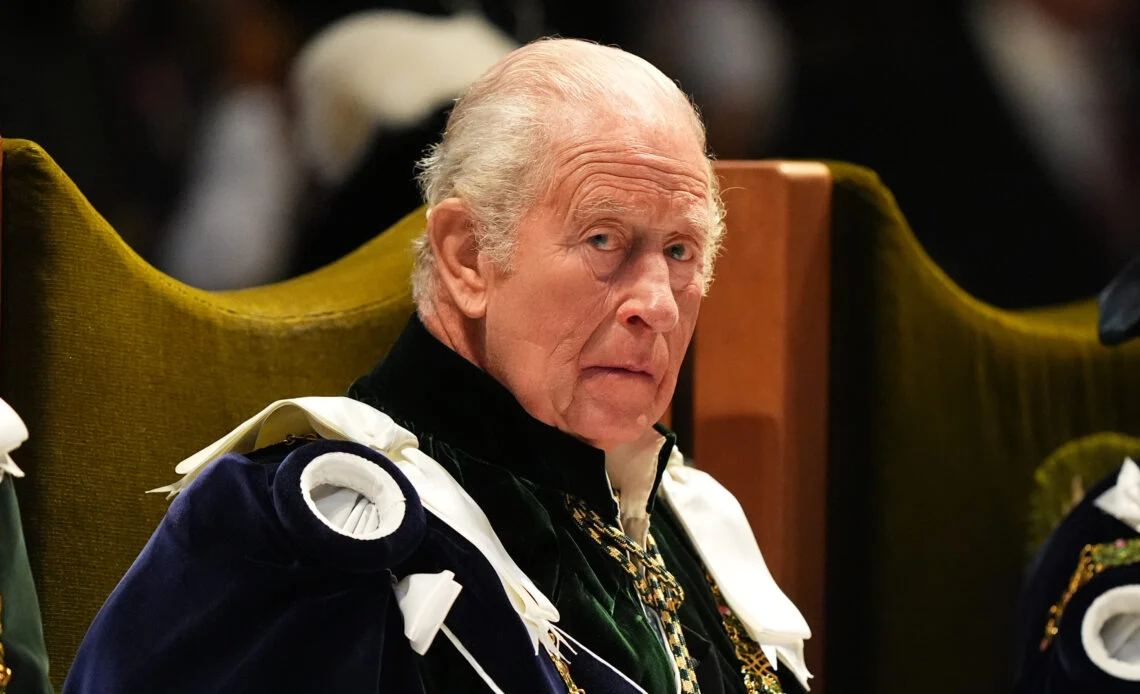
The King of Australia has garnered significant public backing following a decisive ruling by the Court of Appeal in Victoria, which dismissed an attempt to initiate a private prosecution against him. The legal challenge, spearheaded by Indigenous activist and elder Robbie Thorpe, sought to bring charges against the monarch concerning alleged responsibility for genocide through systemic disadvantages faced by Indigenous Australians. This latest judicial setback marks Mr. Thorpe’s third unsuccessful effort to advance his case through the Australian legal system since its inception in 2023.
Background of the Legal Challenge
Robbie Thorpe, an elder of the Krautatungalung people, has been persistently pursuing legal avenues to hold King Charles III accountable for what he describes as systemic injustices against Indigenous Australians. The core of his allegations posits that the King, in his capacity as Australia’s head of state, along with various Australian governmental institutions, bears responsibility for genocide through policies and systems that have historically and presently disadvantaged Indigenous communities. These allegations stem from deeply rooted historical grievances and ongoing concerns regarding land rights, self-determination, and the lasting impacts of colonization.
The legal strategy employed by Mr. Thorpe has focused on establishing a basis for criminal proceedings against the monarch. However, the legal framework surrounding the head of state in Australia, as in many Commonwealth realms, presents significant jurisdictional and immunity challenges. The King’s position as Australia’s sovereign means he is constitutionally entrenched, and the concept of prosecuting him for actions related to his role as head of state is a complex legal and political matter.
Chronology of Legal Efforts
Mr. Thorpe’s attempts to prosecute King Charles III have unfolded over a period, encountering successive legal hurdles:
- 2023: The initial attempts to bring legal proceedings against the King in Melbourne commence. These early efforts likely involved preliminary filings and attempts to secure judicial sanction for a prosecution.
- Subsequent Proceedings: Following the initial filings, Mr. Thorpe has faced multiple court hearings and appeals. The precise details of the first two legal defeats are not elaborated in the initial report, but they indicate a consistent pattern of the legal system finding no grounds for the prosecution to proceed.
- Current Ruling (July 2026): The Court of Appeal in Victoria definitively dismisses an application brought by Mr. Thorpe. This ruling, delivered by three judges, represents the most recent and significant legal defeat in his pursuit of a private prosecution.
Despite this latest rejection, Mr. Thorpe has publicly stated his intention to continue his campaign. He has indicated a potential desire to seek leave to appeal to Australia’s High Court, the nation’s highest judicial body. The High Court, however, is known for its stringent criteria for granting such leave, accepting only a small fraction of applications.
Public and Expert Reactions
The outcome of the Victorian Court of Appeal’s decision has generated considerable online discussion, with a notable wave of public support for the King. Social media platforms, particularly X (formerly Twitter), have seen numerous users express their views on the case.
Public Sentiment:
- Many commentators have questioned the very premise of the legal action, with one user on X remarking, "The King of Australia literally can’t be prosecuted in Australia, I’m not sure how this even got to a court at all." This sentiment reflects a common understanding of sovereign immunity and the unique constitutional position of the monarch.
- Other users have echoed this sentiment, deeming the situation "absurd and outrageous" and questioning the legal basis for allowing such a case to proceed.
- A recurring theme in the online discourse is the perceived lack of direct involvement of the King in the specific alleged crimes. One comment articulated this by stating, "You can’t prosecute someone who had no involvement in that crime." This highlights a fundamental principle of criminal justice, requiring direct culpability.
Legal Expert Analysis:
The legal complexities of the case have also been illuminated by experts. Constitutional lawyer Anne Twomey from the University of Sydney commented on the extensive legal protections afforded to the British monarch. As Australia’s head of state, the King inherits a significant degree of immunity, mirroring that which exists in the United Kingdom.
"The British monarch enjoys extensive immunity from criminal and civil liability in the UK," stated legal experts quoted by ABC News and the Associated Press. This immunity is a long-standing feature of the constitutional monarchy, designed to ensure the stability and impartiality of the head of state. Professor Twomey noted that this protection is "likely to have been inherited by Australia," though she also acknowledged that this specific question had not previously been extensively tested in an Australian court. This suggests that while the principle of immunity is widely accepted, its application in such a direct prosecution attempt is uncharted territory.
International Legal Avenues and Expert Commentary
Undeterred by the Australian court’s ruling, Mr. Thorpe has indicated his intention to pursue the matter on an international stage, specifically mentioning the International Criminal Court (ICC). He expressed a belief that the ICC could "expose Australia" over his allegations.
However, international law expert Don Rothwell from the Australian National University provided crucial context regarding the ICC’s procedures. Mr. Rothwell explained that individual citizens cannot directly initiate a prosecution before the ICC. Instead, individuals can submit evidence to the ICC’s prosecutors for their consideration.
"If they’ve exhausted all of their options under Australian law, the best that they can do is seek to provide evidence that they believe constitutes the crime of genocide," Professor Rothwell advised. This would then place the onus on the ICC to determine if there is a sufficient basis to pursue a prosecution.
While the ICC does not recognize immunity for heads of state, this does not equate to an individual’s unfettered ability to commence proceedings against them. The process is governed by specific protocols, requiring a formal referral or investigation by the court’s own prosecutorial office, often triggered by state parties or the UN Security Council, or based on evidence submitted by individuals that meets a high threshold.
Broader Implications and Analysis
The repeated legal challenges and the public reaction underscore several important aspects of Australia’s constitutional framework and its relationship with the monarchy, as well as the ongoing discourse surrounding Indigenous rights.
Constitutional Sovereignty and Immunity: The case highlights the entrenched constitutional position of the King as Australia’s head of state. The principle of sovereign immunity, while perhaps not explicitly tested in such a direct prosecution context in Australia, is a well-established doctrine that significantly shields the monarch from direct legal action within the domestic judicial system. The ruling reinforces the understanding that such challenges would face substantial legal barriers.
Indigenous Rights Discourse: Mr. Thorpe’s persistent efforts, despite repeated legal defeats, represent a continuing advocacy for Indigenous rights and a demand for accountability for historical and ongoing injustices. His intention to pursue international avenues, even if the path is arduous, signifies a deep-seated commitment to bringing his grievances to a global forum. This aligns with broader movements seeking international recognition and redress for colonial legacies.
Public Opinion and Royal Perception: The widespread public support for the King, as evidenced by online commentary, suggests a general acceptance of the constitutional order and a perception that the legal challenge was either misconceived or fundamentally flawed. This sentiment may also reflect a broader public sentiment regarding the role of the monarchy in contemporary Australia.
Future Legal Pathways: For Mr. Thorpe, the immediate legal pathway in Australia remains limited. The option of seeking leave to appeal to the High Court presents a slim possibility, given the court’s selective approach to hearing cases. His stated intention to pursue the matter internationally, particularly through the ICC, indicates a shift in strategy, though the practicalities and likelihood of success remain significant challenges. The ICC’s mandate is to prosecute individuals for the most serious international crimes – genocide, crimes against humanity, war crimes, and the crime of aggression – when national courts are unable or unwilling to do so. Whether Mr. Thorpe’s submissions would meet the stringent evidentiary and jurisdictional requirements of the ICC is a critical question for any future international efforts.
The legal journey undertaken by Robbie Thorpe, while ultimately unsuccessful in the Australian courts thus far, brings into sharp focus the complex interplay of constitutional law, Indigenous advocacy, and international legal mechanisms. The outcome of this particular legal battle, while a clear victory for the current legal and constitutional order in Australia, does not diminish the ongoing dialogue and advocacy surrounding Indigenous sovereignty and historical accountability.



 Jia Lissa
 Yuyun Lusiyani
 Joko Widodo

 Pevita Pearce