
 Eva Lovia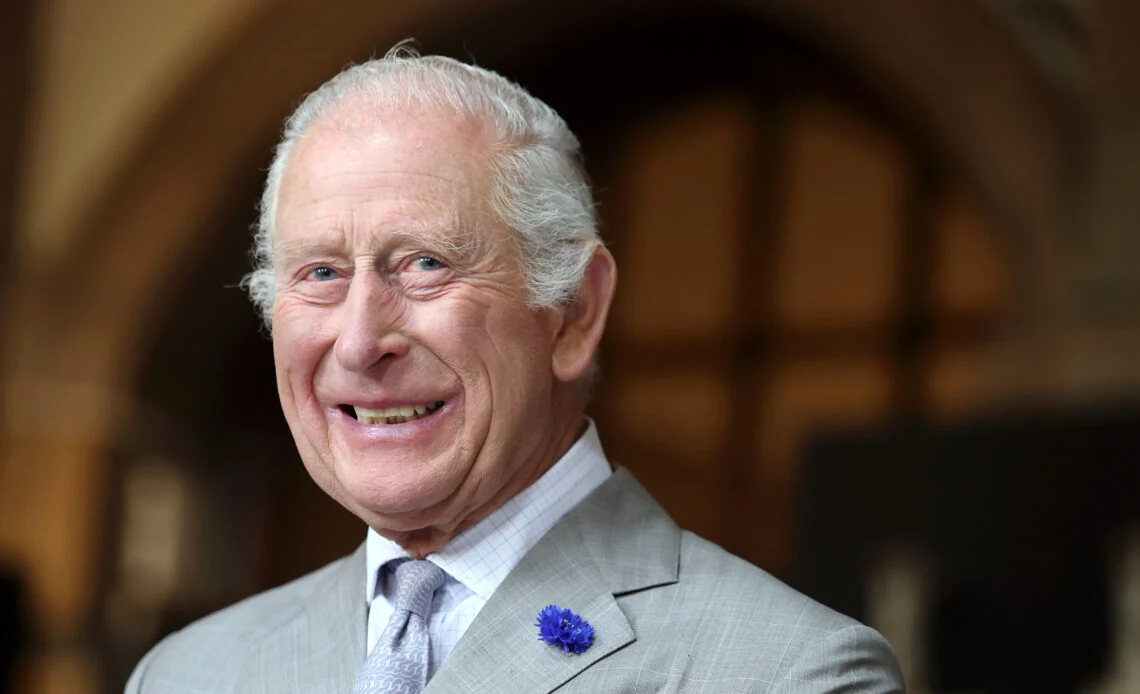
King Charles III has returned to London from his summer retreat at Balmoral Castle in Scotland, signaling the end of his annual break and the commencement of a rigorously scheduled autumn of official duties. The monarch’s arrival back in the capital on Wednesday afternoon, following a flight from Aberdeen, marks the transition from a period of relative repose to a demanding itinerary encompassing both domestic and international commitments. This shift underscores the King’s dedication to his constitutional role and the ongoing responsibilities of the Crown.
The traditional summer sojourn at Balmoral, a private royal residence nestled in Aberdeenshire, offers a period of respite for the King and Queen, allowing them to step away from the constant demands of Buckingham Palace and Windsor Castle. However, this interlude is always finite, and the monarch’s return to London heralds the resumption of his public-facing duties. This year’s return is particularly significant as it precedes an exceptionally busy autumn for the Royal Family, with several high-profile international tours and a substantial number of domestic engagements planned.
One of the King’s immediate engagements upon his return highlights his continued engagement with national and international sporting communities. He is scheduled to welcome the Pakistan National Cricket Team to Clarence House. This reception is strategically timed to occur during the break between the second and third Test matches of England’s current series against Pakistan, demonstrating the King’s interest in fostering international relations through the unifying power of sport. Such events serve not only as a diplomatic gesture but also as a symbolic representation of the United Kingdom’s global connections and its support for international sporting endeavors. The engagement itself is an early indicator that the King’s professional calendar is quickly returning to its full operational tempo after the quieter summer months.
A Busy Autumn Unfolds: Royal Tours and Diplomatic Engagements
The King’s autumn program is set to be exceptionally demanding, with a significant overseas travel agenda that underscores the United Kingdom’s commitment to international diplomacy and Commonwealth relations. In October, Their Majesties are slated to undertake a series of crucial visits. The itinerary begins with a trip to Guyana, a nation with historical ties to the Commonwealth and a growing economic presence. Following this, the King and Queen will travel to the Bahamas, a Caribbean nation that plays a vital role within the Commonwealth. The culmination of this international leg will be their attendance at the Commonwealth Heads of Government Meeting (CHOGM) in Antigua and Barbuda.
The Commonwealth Heads of Government Meeting is a pivotal event, occurring biennially and bringing together leaders from all 56 member states. It serves as a forum for discussing shared challenges and opportunities, from climate change and economic development to global security and human rights. The King’s presence and his planned address at this summit will lend considerable weight and prestige to the proceedings. His participation signifies the enduring importance of the Commonwealth to the British monarchy and the United Kingdom’s foreign policy objectives. The King is expected to articulate a vision for the future of the Commonwealth, emphasizing cooperation, shared values, and mutual respect among member nations. This high-profile diplomatic role is a testament to his position as Head of the Commonwealth, a title he inherited upon his accession.
Domestic Responsibilities and the Public Eye
Beyond his international commitments, King Charles III will also maintain a robust schedule of engagements within the United Kingdom. This will involve a wide array of activities, including state visits, ceremonial duties, and engagements with charities and organizations that he patronizes. These domestic duties are fundamental to the monarch’s role, allowing him to connect with the British public, acknowledge achievements, and provide a sense of continuity and stability. The transition from the pastoral setting of Balmoral to the bustling capital signifies a return to the demanding rhythm of royal life, where public visibility and active participation in national life are paramount.
The logistical planning for such a demanding schedule is considerable. It involves coordination between various government departments, royal household staff, and international diplomatic missions. The King’s personal staff will be responsible for ensuring that his travel, accommodation, and daily agendas are meticulously managed. Security arrangements for both domestic and international engagements will also be a significant consideration, particularly for high-profile events and overseas visits. The success of these engagements relies on the seamless execution of complex logistical operations, ensuring that the King can focus on his diplomatic and ceremonial responsibilities.
Background and Historical Context
The tradition of the monarch spending a portion of the summer at Balmoral dates back to Queen Victoria, who purchased the estate in 1852. Balmoral has since become a cherished private retreat for the Royal Family, offering a more relaxed and informal environment away from the public glare. It is a place where they can engage in family activities and attend to personal matters. However, the historical significance of Balmoral extends beyond its role as a holiday home. It has been the setting for numerous important family moments and, at times, has played a role in historical events. The King’s return from this personal sanctuary to the official duties of the monarchy is a recurring narrative in the life of a reigning sovereign.
The current period of intense activity follows a year of significant transition for the monarchy. Following the passing of Queen Elizabeth II in September 2022, King Charles III ascended to the throne, undertaking a period of mourning and then beginning the process of adapting to his new role. His coronation in May 2023 marked a formal culmination of this transition, ushering in a new era for the British monarchy. The King has consistently emphasized his commitment to continuing the legacy of his mother while also forging his own path, focusing on issues such as environmental sustainability, community engagement, and interfaith dialogue.
Data and Supporting Evidence
The intensity of the King’s autumn schedule can be contextualized by examining the number of engagements undertaken by previous monarchs during similar periods. While precise comparative data can fluctuate year by year, official royal calendars consistently show a significant uptick in public appearances and travel during the autumn months. For instance, a review of the official Royal Diary from previous years reveals that October and November are typically among the busiest months for state visits, diplomatic receptions, and ceremonial events. The King’s itinerary this year appears to align with, and potentially exceed, these historical norms, reflecting a proactive approach to his reign.
Furthermore, the economic impact of royal tours, while often difficult to quantify precisely, can be substantial. International visits by the monarch and other senior royals often lead to increased trade, tourism, and diplomatic partnerships. These engagements can foster goodwill, strengthen bilateral relations, and open up new opportunities for British businesses abroad. The investment in royal diplomacy, therefore, often yields tangible economic and political returns for the United Kingdom.
Analysis of Implications
The King’s return and his packed schedule carry several implications. Firstly, it reinforces the image of a monarch actively engaged in his duties, demonstrating resilience and dedication. This is crucial for maintaining public confidence and support for the institution of the monarchy. Secondly, the extensive overseas travel underscores the United Kingdom’s continued commitment to its international alliances and its role on the global stage. The Commonwealth, in particular, remains a key pillar of British foreign policy, and the King’s active involvement is vital to its continued relevance.
The upcoming engagements also present an opportunity for the King to shape public perception of the monarchy in the 21st century. By focusing on issues such as climate change, which he has long championed, and by engaging with diverse communities, he can project an image of a modern, forward-thinking monarch. The success of these engagements will depend not only on the meticulous planning of his itinerary but also on his ability to connect with people from all walks of life and to articulate a compelling vision for the future. The coming months will be a significant period for King Charles III as he solidifies his reign and navigates the complex landscape of domestic and international responsibilities. The transition from the tranquil Scottish Highlands to the demanding realities of royal duty signals the commencement of a new chapter, one that promises to be both challenging and impactful.


 Joko Widodo
 admin
admin
 Lina Irawan
 Jia Lissa
 Yuyun Lusiyani
 Pevita Pearce