
 Eva Lovia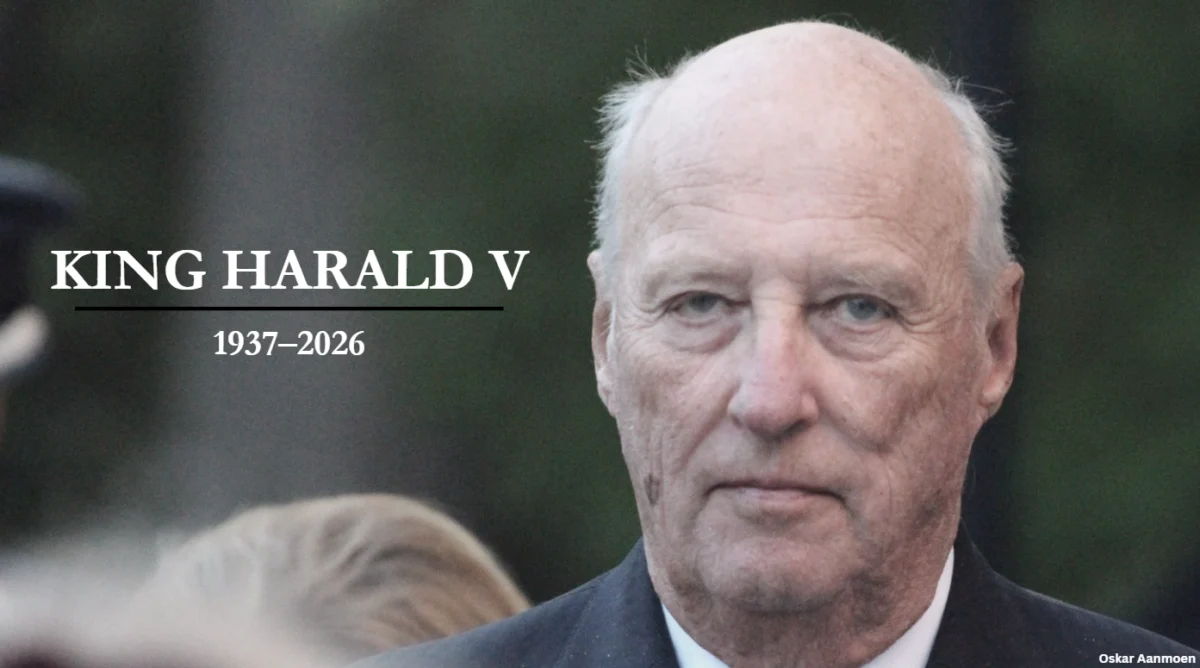
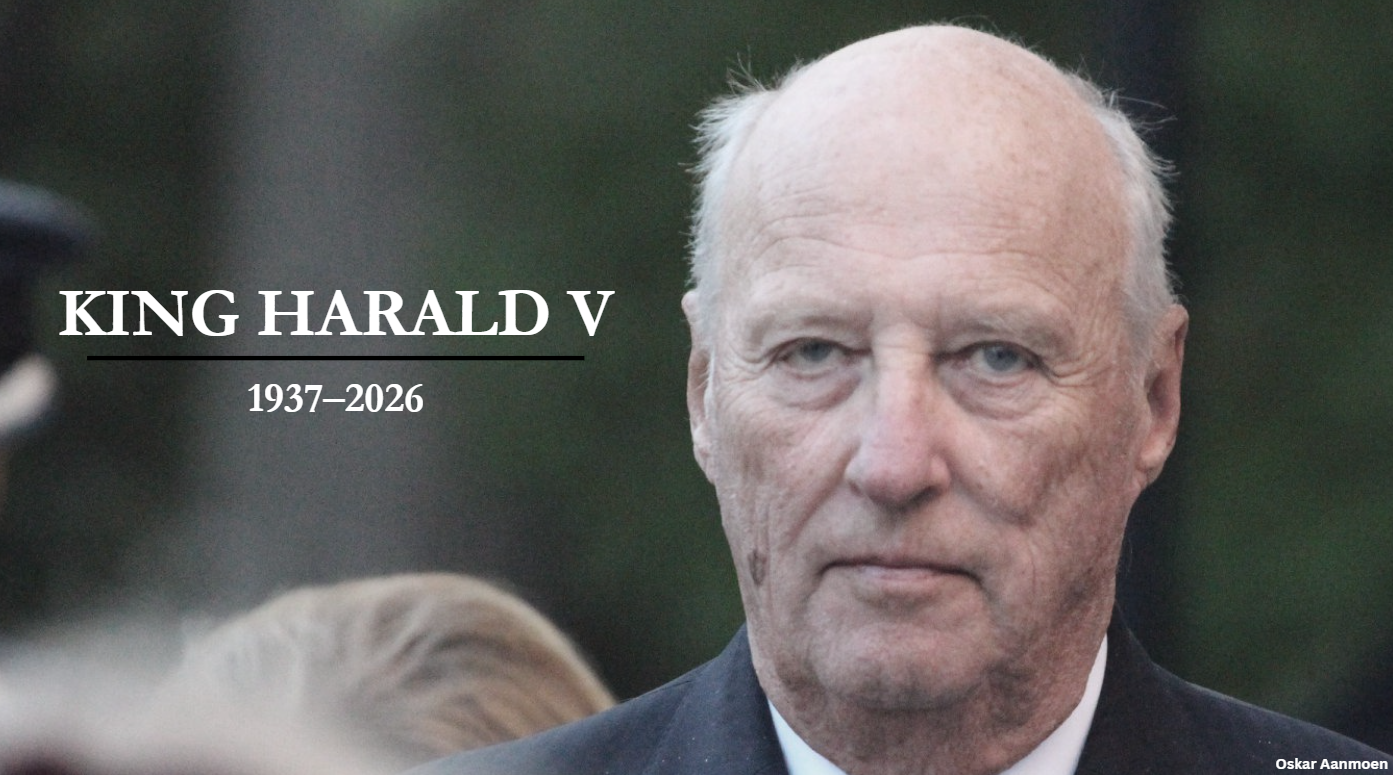
Norway’s Royal Family will remain in official mourning for more than a month following the death of King Harald V, with the Court confirming that almost all official engagements will be cancelled during the period. The Royal House announced on September 2 that court mourning will continue until October 9, one month after King Harald’s funeral. During this extended period of reflection, the Royal Family and members of the Royal Court staff will observe solemn protocols, including wearing dark clothing or uniforms adorned with mourning bands. Public access to royal properties will also be temporarily suspended, underscoring the gravity of the nation’s collective grief and the transition of royal leadership.
This significant period of national and royal mourning follows the peaceful passing of King Harald V at Rikshospitalet in Oslo on August 28, at the age of 89. His death marked the end of a distinguished 35-year reign, a tenure that witnessed Norway’s remarkable transformation into a modern, prosperous, and globally engaged nation. The King’s declining health, exacerbated by a prolonged hospital stay, ultimately led to his peaceful departure, leaving a profound void in the heart of Norway.
A Nation in Mourning: The Chronology of a Royal Transition
The passing of King Harald V on August 28, 2026, at 6:35 AM, triggered an immediate cascade of national sentiment and official procedures. The Norwegian Government, acknowledging the immense loss, declared a period of national mourning commencing on the day of his death and extending beyond his funeral. This collective period of national grief is a testament to King Harald’s enduring popularity and his deep connection with the Norwegian people, whom he served with unwavering dedication for over three decades.
The Royal House, in its official announcement on September 2, delineated the specific parameters of its court mourning. This period, distinct from national mourning, is a more formal and internal observance within the Royal Family and its immediate staff. The decision to extend court mourning until October 9, a full month after the state funeral, signifies a deliberate approach to allow for a period of profound reflection and the gradual resumption of royal duties under new leadership.
The state funeral for King Harald V was scheduled to take place at Oslo Cathedral on September 9, with the solemn service commencing at 1:00 PM. This significant event, attended by dignitaries from Norway and around the world, served as a formal farewell to a beloved monarch and a public acknowledgment of his invaluable contributions to the nation. The confirmation from the Royal House that its own period of court mourning would continue for a further month after this ceremony highlights the meticulous planning and respect accorded to the transition.
The New Reign: King Haakon VIII Takes the Helm
With the passing of King Harald V, his only son, Haakon VIII, immediately ascended to the throne. The succession was seamless, as per constitutional norms, and King Haakon VIII has already begun undertaking the crucial constitutional duties of the Norwegian Crown. These duties, which are essential for the functioning of the state, have continued uninterrupted. They include the vital meetings of the Council of State, the formal opening of the Storting (Parliament), and selected audiences with government officials and foreign representatives.
However, the public-facing aspect of the Royal House’s activities will remain significantly curtailed during the court mourning period. This strategic suspension of almost all official programmes reflects a deep respect for the period of grief and allows the new King and the Royal Family to navigate this significant transition with solemnity and focus. While the King’s constitutional responsibilities are paramount, the broader public engagement, which forms a vital part of the monarchy’s connection with its people, will be carefully managed and rebuilt.
Princess Ingrid Alexandra, King Harald’s eldest grandchild, has now become first in line to the throne, marking another significant shift in the line of succession. Her future role as a future Queen of Norway will be shaped by this period of transition and the legacy of her grandfather, whose reign set a high standard of service and dedication.
Protocols of Grief: Observing Court Mourning
The implementation of court mourning involves specific protocols designed to honour the deceased monarch and acknowledge the period of sorrow. For the duration of the court mourning, which extends until October 9, members of the Royal Family and the Royal Court staff will adhere to a dress code of dark clothing or uniforms, often embellished with mourning bands. These visual cues serve as a public declaration of the institution’s grief and a reminder of the solemnity of the occasion.
Furthermore, public activities at the various royal properties will be temporarily suspended. This includes the closure of museums, historical sites, and any other public-facing attractions housed within royal estates. This measure ensures that the focus remains on the mourning process and allows for the necessary operational adjustments within the Royal Court as it adapts to its new leadership.
Resumption of Duties: A Gradual Return to Royal Engagements
Following the conclusion of the court mourning period on October 9, official royal duties will gradually resume. However, the Royal House has made it clear that this resumption will be a carefully managed process. Visits and activities, both within Norway and overseas, that had been planned during King Harald’s reign have, in many instances, been cancelled rather than simply postponed. This decision reflects the profound shift in the royal calendar and the need to re-evaluate and reschedule engagements in accordance with the priorities and vision of the new reign.
The official programme of the Royal House will, therefore, undergo a significant reconstruction. New engagements will be planned and confirmed as the new reign takes shape, ensuring that the monarchy continues to fulfill its role effectively and connect with the Norwegian people in meaningful ways. This period of rebuilding the royal calendar is an integral part of the transition, allowing the Royal Family to establish its new rhythm and public presence.
King Harald V: A Legacy of Service and Modernity
King Harald V ascended to the throne in 1991, succeeding his father, King Olav V. His reign was characterized by a deep commitment to constitutional monarchy, a profound understanding of the Norwegian spirit, and a dedication to representing Norway on the international stage. He was a popular and respected figure, known for his down-to-earth demeanor, his keen interest in sports, and his unwavering support for Norwegian culture and industry.
During his 35-year reign, King Harald witnessed Norway’s remarkable economic growth, its evolution into a leading player in environmental sustainability, and its steadfast commitment to international peace and diplomacy. He was a constant presence, a symbol of continuity and stability for a nation that embraced modernity while cherishing its traditions. His advocacy for inclusivity and his embrace of a diverse Norway further endeared him to his subjects.
His passion for sailing, a sport deeply ingrained in Norwegian culture, often saw him representing Norway in international competitions, including multiple Olympic Games. This personal pursuit underscored his dedication to excellence and his ability to connect with people from all walks of life. His public engagements were always marked by a genuine warmth and an attentive ear, making him a truly accessible monarch.
The Royal Family: A Pillar of Support and Continuity
The Norwegian Royal Family has historically served as a unifying force for the nation, embodying its values and traditions. The transition from King Harald V to King Haakon VIII represents a significant moment, but the continuity of the monarchy provides a sense of stability during this period of change. The Queen, Sonja, who has been a steadfast partner to King Harald throughout his reign, will undoubtedly continue to play a crucial role alongside the new King.
Princess Ingrid Alexandra’s position as the heir presumptive is also noteworthy. As a young woman who has been prepared for a future role in public service, her trajectory will be closely watched by the nation. The Royal House’s commitment to training and preparing future generations for their constitutional roles ensures the enduring strength of the Norwegian monarchy.
Broader Implications: The Future of Monarchy in a Modern World
The extended period of court mourning and the subsequent rebuilding of the Royal House’s public programme offer a moment for reflection on the role of monarchy in the 21st century. In an era of rapid societal change and evolving public expectations, monarchies must continuously adapt to remain relevant and connect with their citizens.
Norway’s constitutional monarchy, with its emphasis on service and representation, has navigated these challenges with considerable success. King Harald’s reign exemplified a modern approach, balancing tradition with a forward-looking perspective. The manner in which King Haakon VIII assumes his duties and shapes his own reign will be crucial in ensuring the continued vitality and public support for the Norwegian Crown.
The cancellation of pre-planned overseas visits, for instance, signifies a potential shift in the Royal House’s international engagement strategy. This may lead to a more focused and perhaps less frequent, but more impactful, approach to diplomatic relations and international representation. The emphasis on rebuilding the domestic programme suggests a renewed focus on connecting with communities across Norway.
The enduring appeal of monarchy often lies in its ability to embody national identity and provide a sense of continuity. The passing of King Harald V and the subsequent period of mourning and transition will undoubtedly shape the narrative of the Norwegian monarchy for years to come. The careful and respectful manner in which the Royal House is managing this delicate period underscores its understanding of the importance of tradition, public sentiment, and the enduring strength of its institution. As Norway moves forward under the reign of King Haakon VIII, the legacy of King Harald V will serve as a guiding light, a testament to a life devoted to service and a reign that left an indelible mark on the nation.


 Joko Widodo
 admin
admin
 Lina Irawan
 Jia Lissa
 Yuyun Lusiyani
 Pevita Pearce