
 Eva Lovia
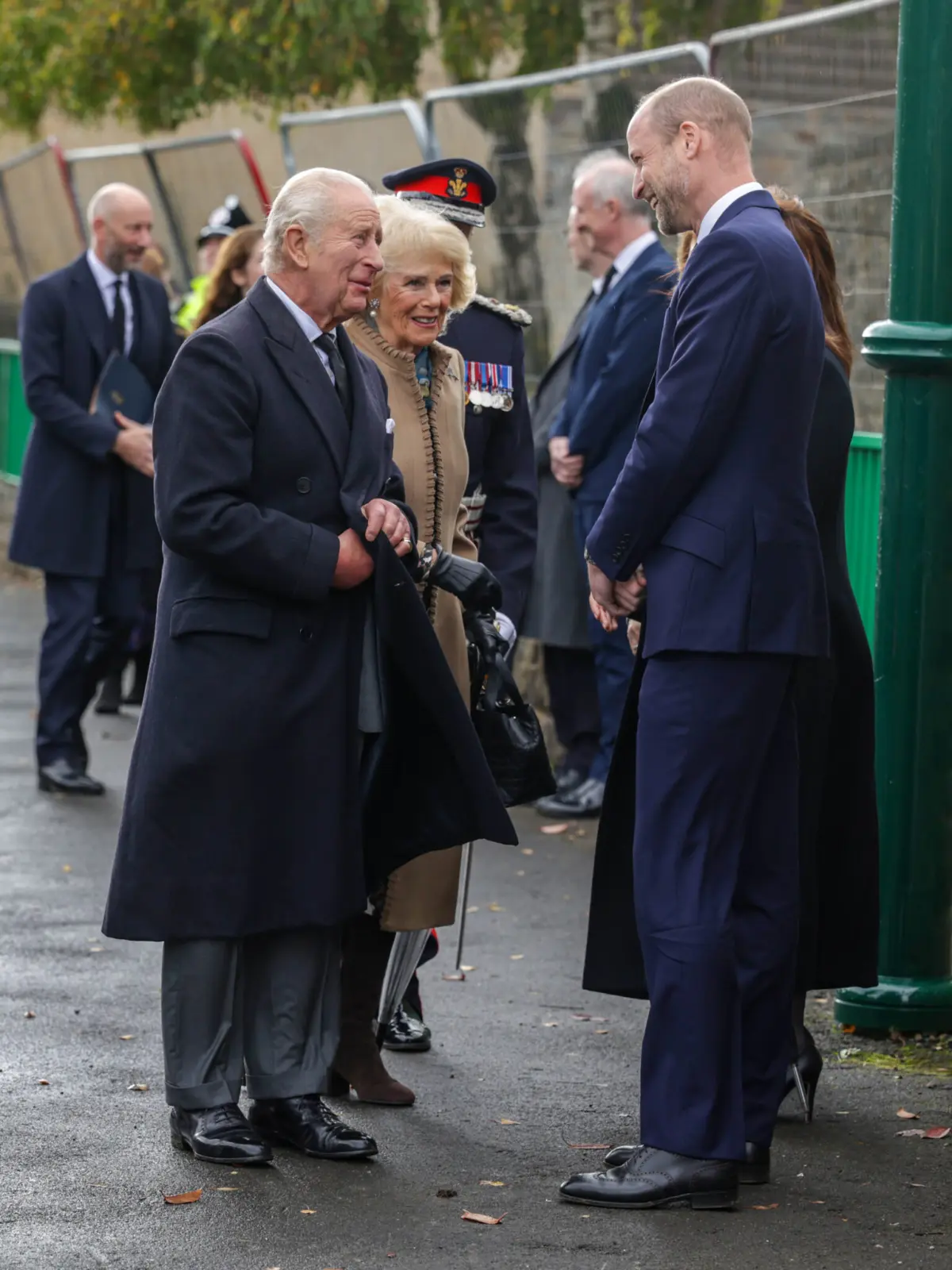
His Majesty King Charles III, accompanied by Her Majesty Queen Camilla and His Royal Highness Prince William, Prince of Wales, has led the nation in marking the poignant 60th anniversary of the Aberfan disaster. The royal party attended a series of commemorative events in Aberfan, South Wales, honouring the 144 lives tragically lost on October 21, 1966, when a colossal slurry of coal waste from the Merthyr Vale Colliery cascaded down onto the village, engulfing Pantglas Primary School and several homes. The King delivered a deeply moving tribute, reflecting the enduring sorrow and collective memory of the nation.
A Nation’s Shared Grief: King Charles’s Tribute
Speaking at a reception attended by survivors, rescuers, and members of the Aberfan community, King Charles conveyed the profound empathy felt across the United Kingdom and beyond. "Today, in our nation and across the world, thoughts will turn to you in Aberfan," His Majesty stated, his voice resonating with solemnity. "Hearts, far from this valley, will ache with yours. Tears, from those who remember and those who at the time were not yet born, will be shed with yours." The King’s words underscored the indelible mark the Aberfan tragedy has left on the national consciousness, transcending generational divides and geographical boundaries.
The invitation for the King to speak came from Jeff Edwards, a survivor of the disaster. Mr. Edwards, who was just eight years old at the time, recounted the harrowing experience of being caught in the devastating landslide. The disaster saw the Pantglas Primary School, where 109 children and five teachers perished, along with twenty houses and a farm, buried under millions of tons of coal slurry. King Charles, then Prince of Wales, was deeply affected by the events of 1966, and his presence today signifies a continued connection and commitment to remembering those lost.
Echoes of the Past: Royal Visits to Memorials and Community Centres
Earlier in the day, the royal delegation commenced their visit at the Aberfan Memorial Garden. There, King Charles and Prince William participated in a solemn wreath-laying ceremony. Prince William’s tribute was accompanied by a card signed by both himself and the Princess of Wales, bearing the heartfelt inscription, "In loving memory and in our hearts – forever." This gesture highlighted the ongoing support and remembrance from the entire Royal Family.
Queen Camilla then proceeded to place a posy of green and white flowers at the memorial, a symbolic act of honour for the 144 victims. The vast majority of those lost were young schoolchildren, many of whom were in their final lessons before their half-term break. The sheer scale of the loss among children remains one of the most devastating aspects of the tragedy.
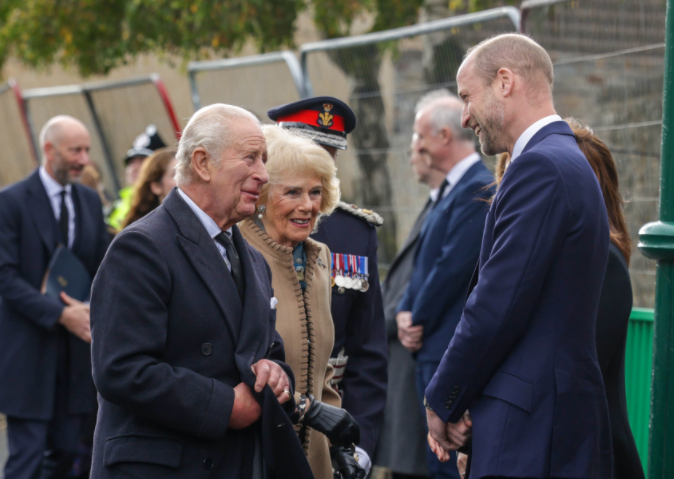
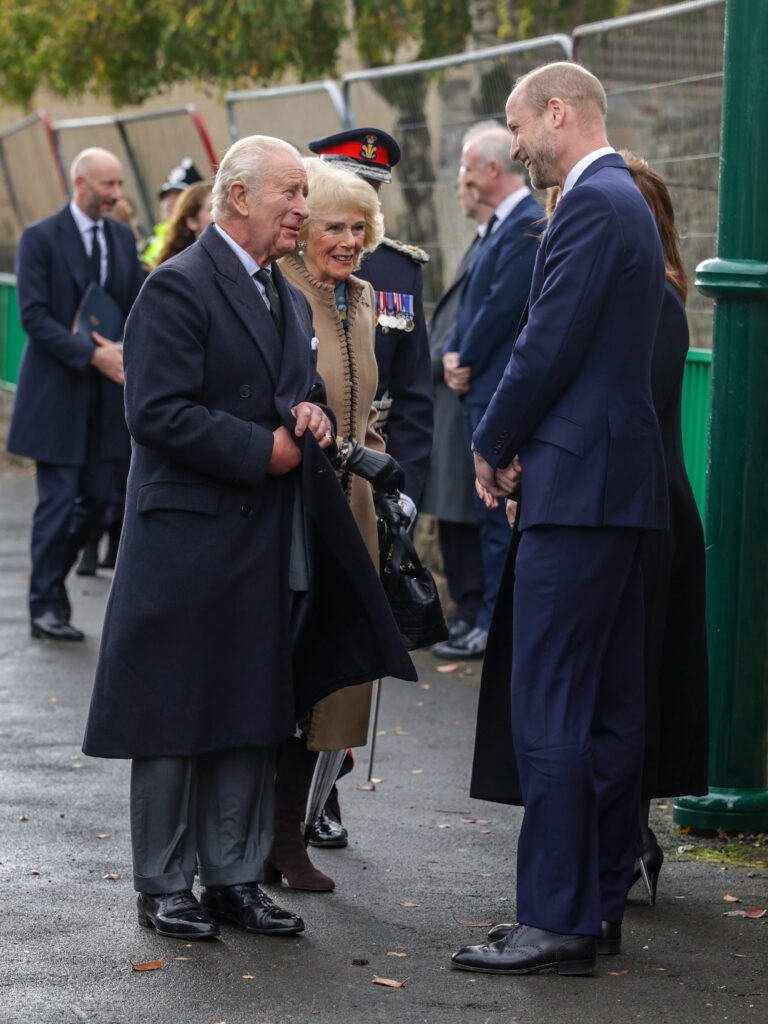
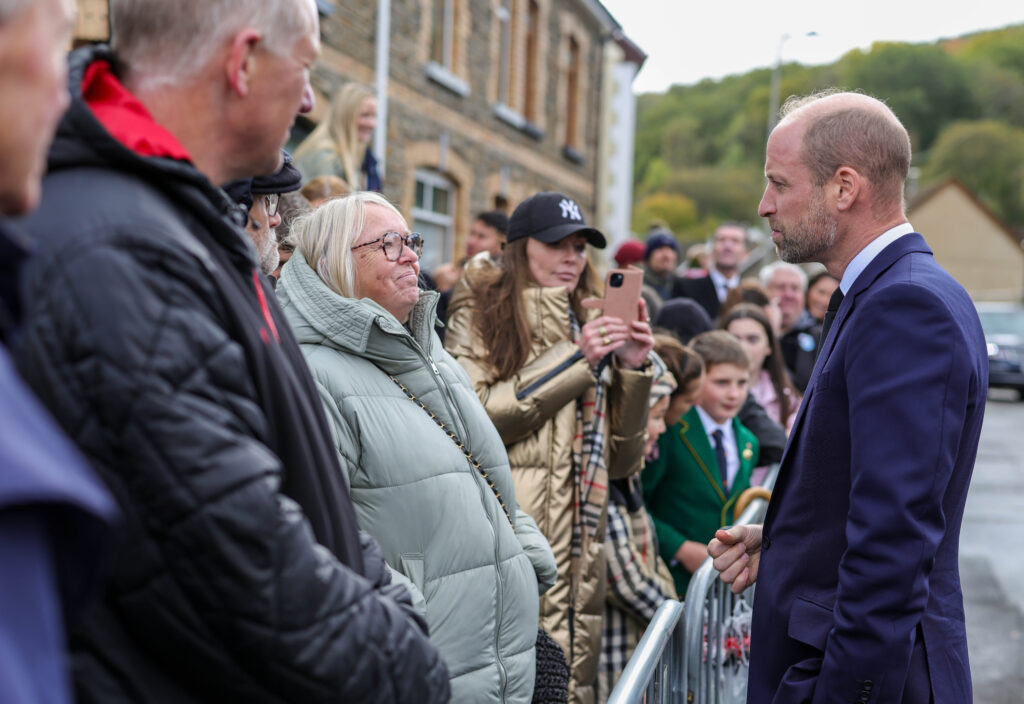
Following the memorial, the royals moved to the Aberfan and Merthyr Vale Community Centre for a reception. Here, they engaged with survivors and bereaved family members, listening to their personal reflections and experiences. Among those present were members of the Aberfan Wives group, an organisation formed in the aftermath to provide support to mothers who had lost their children in the disaster. This engagement provided a vital opportunity for the community to share their stories and for the royal family to offer comfort and acknowledgement.
Prince William’s interactions also brought him face-to-face with poignant reminders of the tragedy. He was shown a photograph of nine-year-old twins, Diane and Daphne Fudge, who were both present during the landslide. Tragically, Diane did not survive the disaster. These personal encounters underscore the profound and lasting impact of Aberfan on individual families.
A Legacy for Future Generations: The Aberfan Memorial Tree
In a forward-looking initiative, Prince William later visited Ynysowen Community Primary School. Here, he witnessed firsthand how a new generation is being educated about the Aberfan disaster and its lessons. The Prince unveiled the Aberfan Memorial Tree, an initiative developed in collaboration with the schoolchildren. This living tribute serves as a lasting symbol of remembrance, designed to educate and ensure that the events of October 21, 1966, are never forgotten. The involvement of the children in its creation signifies a commitment to passing on the memory and the importance of remembrance to future generations.
Historical Context and Chronology of the Aberfan Disaster
The Aberfan disaster was a catastrophic event that unfolded on Saturday, October 21, 1966. For years leading up to the tragedy, waste material from the Merthyr Vale Colliery had been systematically dumped on the mountainside above the village. The colliery, a vital source of employment for the local community, operated under the National Coal Board (NCB).
Key Timeline of Events:
- Prior to 1966: Decades of coal spoil heaps accumulated on the Aberfan mountainside, a common practice in the mining industry at the time. The specific heap above the village had been active since 1958.
- October 1966: Heavy rainfall in the preceding weeks had saturated the ground, creating instability within the spoil heap. There were reports of residents experiencing minor landslips and concerns about the safety of the heap, but these were not acted upon with sufficient urgency.
- Morning of October 21, 1966: A large section of the spoil heap, estimated to be approximately 150,000 cubic meters, liquefied and slid down the mountainside.
- 9:15 AM: The slurry struck Pantglas Primary School, destroying it and much of the surrounding area. The wave of mud and debris was reportedly 30 feet high and moved at an alarming speed.
- Immediate Aftermath: A massive rescue operation was launched by villagers, miners, and emergency services. However, the sheer volume of debris and the nature of the disaster made rescue efforts incredibly difficult and heartbreaking. The efforts to dig through the thick, heavy slurry continued for days.
- October 22 onwards: The grim reality of the loss became apparent as the scale of the tragedy was fully grasped. The community was plunged into mourning, and national attention turned to Aberfan.
- Inquiries and Investigations: An official inquiry, led by Lord Justice Edmund Davies, was established to investigate the causes of the disaster. The inquiry famously concluded that the NCB was solely responsible for the tragedy, citing the "sheer wickedness of the NCB’s obstinacy" in refusing to accept responsibility and their "deplorable" conduct.
- Aftermath and Legacy: The disaster led to significant changes in regulations regarding the tipping of mining waste. The community of Aberfan has since worked tirelessly to commemorate the victims and rebuild their lives, though the scars of the tragedy remain deep.
Data and Implications: The Enduring Impact of Aberfan
The Aberfan disaster stands as one of the United Kingdom’s worst industrial accidents and a profound national trauma. The loss of 109 children, along with their teachers and neighbours, in a single catastrophic event had devastating and long-lasting effects on the close-knit community.
- Loss of Life: The 144 fatalities represent a significant portion of the village’s population at the time. The concentration of child deaths had a particularly profound impact on the community’s future demographic and emotional landscape.
- Emotional and Psychological Trauma: Survivors, bereaved families, and the wider community have lived with the profound psychological impact of the disaster for six decades. The shared grief and the struggle for justice and accountability have been central to the village’s experience.
- Inquiry and Accountability: The Lord Justice Davies Tribunal was a landmark event, unequivocally placing blame on the National Coal Board. This inquiry highlighted systemic failures in safety procedures and corporate responsibility. Despite the tribunal’s findings, the NCB initially refused to pay compensation for the removal of the remaining spoil heaps, a decision that caused further anguish. Eventually, a public inquiry was held, and compensation was paid, but not without considerable struggle.
- Regulatory Changes: The Aberfan disaster was a catalyst for significant improvements in the regulation of mining waste disposal and industrial safety standards across the UK. The disaster underscored the critical need for robust oversight and accountability in industries with inherent risks.
- Community Resilience: The Aberfan community has demonstrated remarkable resilience in the face of unimaginable loss. Their efforts in establishing memorials, supporting one another, and advocating for lessons to be learned have been an inspiration. The ongoing commemorations are a testament to their enduring spirit and their commitment to remembering.
Broader Impact and Analysis
The 60th anniversary of the Aberfan disaster serves as a crucial moment for national reflection. It prompts a consideration of industrial safety, corporate responsibility, and the enduring power of community in the face of tragedy. The presence of the King and the Prince of Wales underscores the continued significance of Aberfan in the national memory and the monarchy’s role in acknowledging and supporting communities through periods of profound loss.
The disaster also highlights the complex relationship between industrial development, community well-being, and environmental safety. The legacy of Aberfan serves as a constant reminder of the potential human cost of unchecked industrial practices and the paramount importance of vigilance and ethical conduct from corporations and regulatory bodies alike. The enduring sorrow, as articulated by King Charles, is a testament to the fact that while time may pass, the memory of those lost, and the lessons learned from such a devastating event, remain deeply ingrained in the fabric of the nation. The continued engagement of the Royal Family with the Aberfan community signifies a commitment to ensuring that this memory is honoured and that the lessons of the past continue to inform the present and future.




 Nila Kartika Wati

 Lina Irawan

 Yuyun Lusiyani

 Ana Megawati

 Joko Widodo
