
 Eva Lovia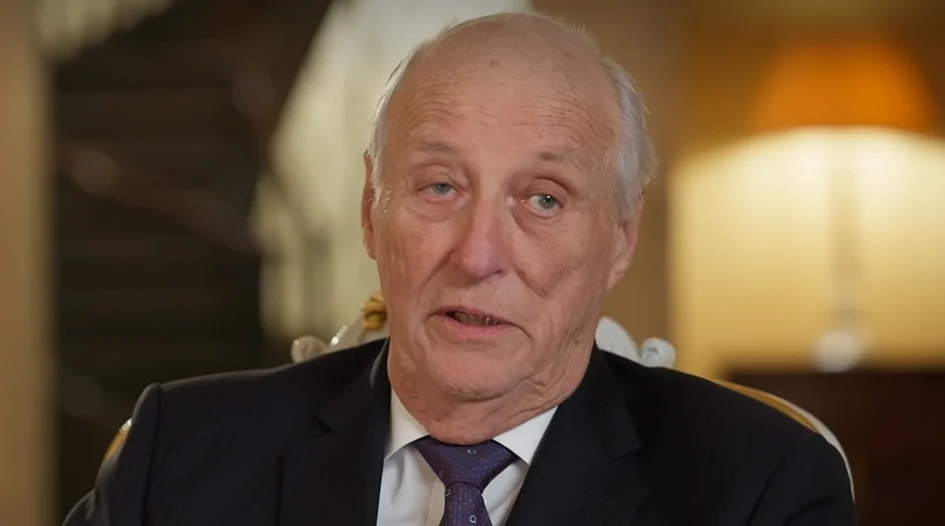
The health of His Majesty King Harald V of Norway has taken a concerning turn over the weekend, with royal physicians announcing a deterioration in his condition. The 89-year-old monarch is currently undergoing treatment for a bacterial blood infection, a development that has led to his extended hospitalization at the Rikshospitalet in Oslo. This latest health challenge comes just days after his initial admission to the hospital, prompting renewed concern for the beloved sovereign.
Deterioration and Extended Hospitalization
Late Sunday night, King Harald’s medical team released an update confirming that his health had worsened since his admission. The initial hospitalization was prompted by concerns over side effects from a treatment for a form of anemia. The King had been administered cortisone to address this underlying health issue, but experienced significant fluid retention, necessitating immediate medical intervention and admission to the Rikshospitalet.
While early reports suggested a swift recovery and a prompt return to royal duties, the latest prognosis paints a different picture. Doctors have now indicated that the King requires further intensive antibiotic treatment, a course of action that will prevent him from undertaking official engagements for an unspecified period. This means that the day-to-day responsibilities of the Norwegian monarchy will continue to be shouldered by his son and heir.
Crown Prince Haakon Assumes Regency
In light of King Harald’s ongoing health struggles, his son and heir, Crown Prince Haakon, has once again assumed the role of Regent of Norway. Crown Prince Haakon has a history of stepping in to perform royal duties when his father is indisposed, a testament to his readiness and commitment to the nation. However, this current regency is of an undefined duration, underscoring the seriousness of the King’s condition and the uncertainty surrounding his recovery timeline. The Crown Prince’s steadfast presence in his father’s stead provides a sense of continuity and reassurance to the Norwegian public during this period of concern.
A Tumultuous Period for the Norwegian Royal Family
The King’s current health crisis unfolds against a backdrop of a notably challenging summer for the Norwegian Royal Family. Earlier this year, Crown Princess Mette-Marit underwent a life-altering lung transplant due to the worsening of her chronic pulmonary fibrosis. This significant medical event had already placed a considerable strain on the family and required a period of recovery and adjustment.
Adding to these familial concerns, Crown Princess Mette-Marit’s elder son from a previous relationship, Marius Borg Høiby, was convicted of several offenses, including rape, during the summer months. This legal development cast a shadow over the family and brought further public scrutiny.
In a testament to the close familial bonds, Princess Ingrid Alexandra, second in line to the throne, has made a significant personal decision to relocate her studies. After commencing her university education in Australia, she has chosen to study in Oslo this autumn. This decision is reportedly motivated by a desire to be closer to her mother, Crown Princess Mette-Marit, during her recovery, and now, to be nearer to her grandfather, King Harald, as he navigates his current health battle. This move signifies a shift in priorities for the young princess, emphasizing family support during times of need.
King Harald: A Popular Monarch Facing Challenges
King Harald V has long been a popular and respected monarch in Norway, presiding over a period where the nation’s royals have largely prospered and enjoyed public favor. His reign, which began in 1991, has been characterized by a dedication to duty, a connection with the people, and a steady hand at the helm of the constitutional monarchy. His personal popularity is a significant asset to the institution, and his current illness is met with widespread sympathy and concern from across the nation.
However, the recent years have presented a series of significant challenges for the Norwegian Royal Family, testing their resilience and public image. From serious health issues within the immediate family to legal troubles affecting extended members, these events have brought a level of adversity not often associated with the traditionally stable Scandinavian monarchies.
Background on King Harald’s Health and Treatments
King Harald V, born in 1937, has a history of various health concerns, though he has consistently demonstrated remarkable resilience and a commitment to his official duties. Prior to his current hospitalization, he has undergone several medical procedures and treatments. In 2003, he was treated for bladder cancer, a successful procedure that allowed him to resume his duties. He has also experienced issues related to his heart, including undergoing a heart valve replacement in 2020. His mobility has also been a subject of public discussion, with the King occasionally using a cane or wheelchair for support.
The current treatment for anemia involved cortisone, a corticosteroid medication often used to reduce inflammation and suppress the immune system. While effective for certain conditions, cortisone can have side effects, including fluid retention, which appears to be the immediate cause of his hospitalization. The subsequent diagnosis of a bacterial blood infection (sepsis) is a serious concern, as it requires prompt and aggressive antibiotic treatment to prevent widespread infection and potential organ damage. Bacterial blood infections can be life-threatening if not managed effectively.
The Role of the Monarchy in Norway
As a constitutional monarchy, the King of Norway serves as the head of state, a largely ceremonial role that embodies national unity and continuity. While the political power rests with the elected government, the King’s presence provides a symbolic anchor for the nation. His duties include opening Parliament, signing legislation, and representing Norway on the international stage. When the monarch is unable to perform these duties, the Crown Prince, as the heir apparent, acts as Regent, ensuring the smooth functioning of the state. This established constitutional framework allows for a seamless transition of responsibilities during times of royal indisposition.
Analysis of Implications
The extended absence of King Harald from public life, coupled with the ongoing health concerns of other senior royals, raises questions about the capacity of the monarchy to maintain its full public profile. While Crown Prince Haakon is well-prepared and respected, the cumulative effect of these challenges could impact public perception and engagement with the royal institution. The resilience and adaptability of the Norwegian Royal Family will be tested in the coming months as they navigate these personal and public demands.
The situation also highlights the increasing age of the current generation of European monarchs and the anticipated transitions of power. As King Harald’s reign continues into its fourth decade, the focus increasingly shifts towards Crown Prince Haakon and his readiness to assume the throne. His performance as Regent during this critical period will undoubtedly be closely observed, serving as a preview of his future leadership.
Furthermore, the public’s awareness of the personal struggles of the royal family can foster a sense of empathy and connection, potentially humanizing the institution. However, it also places a greater burden on the younger generation of royals, such as Princess Ingrid Alexandra, to step into more prominent roles sooner than perhaps anticipated.
The coming weeks will be crucial in assessing King Harald’s recovery and the long-term implications for the Norwegian monarchy. The nation will undoubtedly rally behind its King and Royal Family, offering their support and best wishes for a full and speedy recovery. The steadfastness of the Crown Prince in his regency role will be a source of strength and stability for Norway during this period of uncertainty.



 Yuyun Lusiyani
 Joko Widodo
 Jia Lissa
 Pevita Pearce
 admin
admin
