
 admin
admin
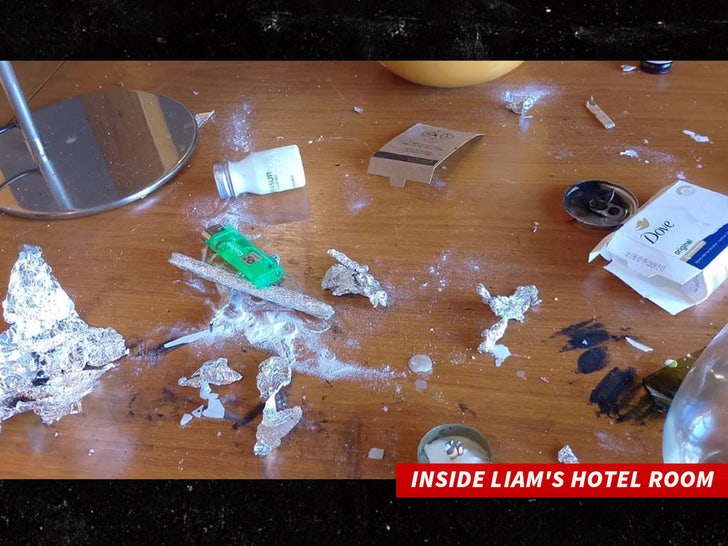
New, previously unreleased photographs and thousands of police documents are offering an unprecedented, grim insight into the final hours of former One Direction star Liam Payne, revealing a disturbing trajectory of heavy drinking and drug use inside his Buenos Aires hotel room before his tragic fatal fall in October 2024. These extensive new materials, comprising over 3,000 documents and images from the official police investigation, have been obtained and published by the Daily Mail, painting a clearer, albeit darker, picture of the events preceding the 31-year-old singer’s death.
The newly surfaced evidence corroborates and expands upon earlier reports, detailing a period of profound intoxication and erratic behavior at the CasaSur Palermo Hotel. The comprehensive police file chronicles Payne’s movements, interactions, and consumption patterns, shedding critical light on the severe state of distress and impairment he was in during his last days.
Unveiling the Investigation’s Depth: A Cache of Evidence
The sheer volume of the investigative material — more than 3,000 documents and photographs — underscores the meticulous nature of the Argentine police inquiry into Payne’s death. This extensive dossier provides a granular timeline, capturing moments from the singer’s stay that suggest a rapid decline in his well-being. The Daily Mail‘s acquisition of these files marks a significant development in understanding the full context of the tragedy, moving beyond initial reports to provide a forensic examination of the circumstances.
These documents are not merely supplementary; they are central to understanding the sequence of events. They include not only photographic evidence but also witness statements, internal hotel communications, and detailed logs of Payne’s activities within the premises. The level of detail allows for a reconstruction of his final days, offering a sobering narrative that extends far beyond initial public knowledge.
A Chronology of Decline: Inside the CasaSur Palermo Hotel
The newly revealed photographs and documents trace a disturbing chronology of Liam Payne’s time at the CasaSur Palermo Hotel. The narrative begins the night before his death, depicting an already concerning state of affairs.
The Night Before the Tragedy: One particularly striking photograph reportedly captures Payne engaged in what appears to be highly reckless behavior: swinging around a pole within his hotel suite. This image, taken just hours before the fatal incident, suggests a profound state of disinhibition and possibly a disregard for personal safety, indicative of severe intoxication. Such an action, seemingly carefree yet fraught with peril, foreshadows the escalating risks he would take. The presence of such a photograph within the police file indicates that authorities had meticulously documented every aspect of his hotel stay, piecing together the events that culminated in his death. This early snapshot of his behavior provides a vital starting point for understanding the subsequent escalation.

The Day of the Incident: Escalating Interactions: The following day, the situation reportedly intensified. Images show hotel staff making multiple deliveries of alcoholic beverages to Payne’s room, confirming a sustained period of heavy drinking. This consistent supply of alcohol points to a guest who was actively and continuously consuming intoxicating substances, potentially isolating himself while doing so. The frequency and quantity of these deliveries would have been noted by hotel staff, raising questions about internal protocols for guest welfare.
Later that day, Payne was reportedly seen meeting two women in the hotel lobby. These individuals, later identified by investigators as sex workers, subsequently accompanied him back to his suite. Their presence and subsequent interactions form a crucial part of the police narrative. According to their alleged statements to investigators, Payne engaged with them, even singing for them. More alarmingly, they claimed he inquired about obtaining cocaine and, further still, expressed a desire for assistance in preparing crack cocaine. These allegations, if substantiated, indicate a deeply troubling progression into severe substance abuse, involving highly addictive and dangerous drugs. The specificity of the drug requests suggests a pattern of behavior and an urgent need for illicit substances.
Prior Reports Corroborated: These new details align with and expand upon earlier reports from TMZ, which previously disclosed that Payne spent his final day engaging in heavy drinking, hiring two prostitutes, and consuming cocaine. TMZ‘s reporting also detailed that hotel employees were compelled to carry him back to his room from the lobby due to his incapacitated state. The convergence of these reports, now bolstered by photographic and documentary evidence, paints a consistent picture of a celebrity in the throes of a severe personal crisis, spiraling into acute intoxication and drug use. The act of hotel staff physically transporting him underscores the visible extent of his impairment, raising critical questions about intervention and guest safety protocols.
The Desperate Attempt and Fatal Fall
As the hours progressed, Payne’s condition reportedly deteriorated further, culminating in a desperate and ultimately fatal attempt to exit his hotel room. Prior to the fall, a hotel employee had placed a 911 call, expressing grave concerns for Payne’s safety. The employee explicitly stated their worry that Payne "could hurt himself because his room had a balcony," indicating that his erratic behavior and state of mind were already alarming to staff members. This proactive call for emergency assistance highlights the severity of the situation and the perceived immediate danger.
Despite the call for help, the tragic outcome could not be averted. Investigators concluded that Payne appeared to be attempting to "escape" the hotel when he fell from his third-floor balcony. This action, interpreted as an escape attempt, suggests a profound state of paranoia, disorientation, or extreme mental distress, possibly exacerbated by the cocktail of substances in his system. The height of the fall, combined with his physical and mental state, rendered the outcome inevitably fatal. The sequence of events – the employee’s concern, the attempted escape, and the fall – forms a tragic crescendo, illustrating the rapid and severe deterioration of his condition.
Forensic Confirmation: The Toxicology Report
Official toxicology reports later provided definitive scientific evidence confirming the presence of multiple illicit substances and alcohol in Liam Payne’s system at the time of his death. The tests revealed a potent and dangerous combination of cocaine, crack cocaine, ketamine, and alcohol. This polysubstance intoxication is medically recognized as extremely perilous, significantly impairing judgment, motor skills, and cognitive function. The presence of crack cocaine, a highly addictive stimulant, and ketamine, a dissociative anesthetic, alongside alcohol and cocaine, indicates a severe level of substance abuse that would have rendered him profoundly vulnerable and disoriented.

The findings from the toxicology report are crucial in establishing the physiological context of his final moments. Such a combination of substances can induce extreme paranoia, hallucinations, severe confusion, and a complete loss of spatial awareness and inhibitions, explaining the erratic and self-endangering behaviors observed and documented. This scientific confirmation provides a stark, factual basis for understanding the tragic accident, removing any lingering ambiguities about the role of substance abuse in his demise.
The Broader Context: A Star’s Hidden Struggles
Liam Payne’s death in October 2024 sent shockwaves through the global music community and among the millions of fans who adored him as a member of the iconic boy band One Direction. His journey, from a global pop sensation to a solo artist, was one publicly marked by immense pressure and, at times, candid admissions of personal struggles.
The Pressures of Global Stardom: As a member of One Direction, Payne experienced a level of fame few ever achieve. The band’s meteoric rise brought unprecedented scrutiny, relentless touring, and a constant demand for perfection. This intense environment, while outwardly glamorous, often comes with significant psychological burdens, including anxiety, depression, and a sense of isolation. Many celebrities have spoken about the difficulties of maintaining mental well-being under such conditions. Payne himself had, at various points in his career, hinted at the challenges he faced, though the full extent of his struggles with substance abuse remained largely out of the public eye until his tragic death.
The Silent Battle with Addiction: The details emerging from the police investigation underscore the insidious nature of addiction, which can affect individuals regardless of their public persona or success. The combination of alcohol and multiple hard drugs found in his system suggests a long-standing or rapidly escalating problem that he was battling in private. The alleged requests for cocaine and crack cocaine from sex workers indicate a profound dependence and a desperate search for further intoxication. This aspect of his story adds a tragic dimension to his public image, highlighting the often-hidden struggles that can plague even the most celebrated figures.
Responsibility and Hotel Protocols: The reports of hotel staff bringing alcohol to his room and eventually having to carry him, coupled with the employee’s 911 call expressing concern about his balcony access, raise important questions about the responsibility of hospitality establishments when guests exhibit clear signs of severe distress or intoxication. While hotels must respect guest privacy, there is also an ethical and potentially legal obligation to ensure guest safety, particularly when a person appears to be a danger to themselves. The tragic outcome of Payne’s stay may prompt further examination of existing protocols within the hotel industry for handling such sensitive situations.
Legal and Public Repercussions
The comprehensive nature of the police investigation and the subsequent release of these documents have significant implications. For the Argentine authorities, the detailed file provides a robust basis for their conclusion regarding the circumstances of Payne’s death, classifying it as an accident stemming from extreme intoxication. Early in the investigation, there were considerations of charging his friend Roger Nores with abandonment, but these charges were later dropped as toxicology reports clarified the cause of death. The new evidence firmly supports the narrative of a self-inflicted accidental fall under the influence of multiple substances.
For the public and particularly for Payne’s millions of fans, the new details are undoubtedly difficult to process. While providing clarity, they also present a stark and unflinching portrait of a beloved artist grappling with severe personal demons. The revelations will inevitably fuel further discussions about mental health, addiction, and the pressures faced by individuals in the entertainment industry. It serves as a painful reminder of the human cost that can be exacted by the relentless demands of fame and the isolating grip of substance abuse.
The media’s role in reporting these highly sensitive details also comes under scrutiny. Outlets like the Daily Mail and TMZ operate within the public interest framework, arguing that such information is crucial for a complete understanding of a public figure’s death. However, the graphic nature of the content also reignites debates about privacy, dignity, and the potential for posthumous sensationalism. The challenge for journalistic entities lies in presenting these facts responsibly, objectively, and without undue speculation, focusing on the factual narrative provided by the official investigation.
A Tragic Legacy
Liam Payne’s death remains a profound tragedy. The newly revealed photographs and documents from the Argentine police investigation offer a definitive, albeit harrowing, account of his final moments. They confirm a period of intense personal struggle, marked by heavy drinking and extensive drug use, culminating in a fatal fall from a hotel balcony.
His passing leaves behind a complex legacy: that of a talented musician who brought joy to millions, but also a poignant reminder of the hidden battles fought by many, even those who seem to have it all. The release of these details, nearly two years after his death, brings a definitive closure to the official inquiry, providing a comprehensive, albeit deeply unsettling, narrative that underscores the devastating impact of addiction and the critical importance of mental health support, particularly for those living under the intense glare of the public spotlight. The world will remember Liam Payne not just for his music, but also for the tragic circumstances of his departure, which now serve as a stark warning and a call for greater awareness and compassion.



 Yuyun Lusiyani
 Joko Widodo
 Eva Lovia
 Pevita Pearce

 Lina Irawan