
 admin
admin
Patrick Clancy, the former husband of Lindsay Clancy, whose high-profile murder trial recently ended in a mistrial, is set to break his silence in a major television interview with "60 Minutes" this Sunday. The announcement, made via a teaser released by the popular CBS program on Wednesday, September 16, 2026, signals a significant development in a case that has gripped the nation and sparked intense public debate, including pervasive online conspiracy theories. Clancy’s decision to speak out comes at a critical juncture, as his ex-wife awaits a determination from prosecutors on whether new charges will be brought against her following the inconclusive first trial.
The "60 Minutes" teaser offered a brief, evocative glimpse into the impending interview, showing members of the production team meticulously micing up Patrick Clancy before he takes his seat. He appeared visibly nervous, a subtle yet poignant detail that underscores the immense emotional weight of the situation. The short clip, which quickly cut to black, was captioned simply, "Patrick Clancy. This Sunday. Only on 60 Minutes," immediately generating widespread anticipation across traditional and social media platforms. His testimony during Lindsay Clancy’s initial trial was widely considered a pivotal moment, with at least one juror publicly acknowledging its positive impact on the defense’s arguments. Now, the public will hear directly from him, potentially offering an unprecedented perspective on the tragedy and its aftermath.
The Tragic Genesis of the Clancy Case
The events leading to Lindsay Clancy’s trial, and subsequently Patrick Clancy’s public interview, began with unimaginable horror on January 24, 2023, in Duxbury, Massachusetts. On that fateful evening, Lindsay Clancy, a then-32-year-old labor and delivery nurse, allegedly strangled her three young children: 5-year-old Cora, 3-year-old Dawson, and 8-month-old Callan. Patrick Clancy returned home from picking up dinner to discover his wife had jumped from an upstairs window, surviving with severe injuries. He then found their children unresponsive in the basement. Despite frantic efforts by first responders, Cora and Dawson were pronounced dead at the scene, and Callan succumbed to his injuries days later at Boston Children’s Hospital.
Lindsay Clancy was subsequently charged with three counts of murder and three counts of strangulation. The case quickly drew national attention, not only for the profound tragedy but also for the complex legal and medical dimensions it presented, particularly concerning postpartum mental health. Her defense team, led by prominent attorney Kevin Reddington, mounted an insanity defense, arguing that Clancy was in the throes of a severe postpartum psychosis at the time of the killings, rendering her incapable of criminal intent. This defense posited that her actions were the result of a mental illness that profoundly distorted her perception of reality, rather than a malicious act.
A Tumultuous Legal Journey and the Mistrial
The legal proceedings have been fraught with emotional testimony and intricate medical evidence. Prosecutors, while acknowledging Lindsay Clancy’s struggles with mental health, argued that her actions demonstrated premeditation and extreme cruelty. They presented evidence suggesting she had researched ways to harm her children and herself, and that her mental state, while compromised, did not absolve her of responsibility for the deaths.

Central to the defense’s case was the argument that Lindsay Clancy had been prescribed an increasingly complex regimen of psychiatric medications to treat severe postpartum depression and anxiety following the birth of her third child. Expert witnesses testified about the potential for these medications, particularly in combination, to induce a psychotic break, leading to delusions and a profound disconnect from reality. They described postpartum psychosis as a rare but devastating condition that can cause mothers to experience hallucinations, paranoia, and suicidal or infanticidal ideation, often believing their actions are for the greater good or to protect their children from a perceived harm.
Patrick Clancy’s testimony during the trial proved to be a critical component of the defense’s narrative. He recounted his wife’s escalating mental health struggles, detailing her increasing anxiety, depressive episodes, and the significant changes in her personality and behavior leading up to the tragedy. He described her as a loving mother who adored their children, making her alleged actions seemingly irreconcilable with her character. His emotional account painted a picture of a family desperately trying to navigate a severe mental health crisis, seeking help from medical professionals, only to be overwhelmed by the illness’s progression. He shared details of his attempts to support her, her hospitalizations, and the numerous medication adjustments, ultimately conveying the sense of helplessness and desperation that characterized their lives in the months before the incident. His willingness to testify on behalf of his ex-wife, despite the unimaginable loss he endured, resonated deeply with many, including members of the jury.
The first trial ultimately concluded in a mistrial in early September 2026. While the specific reasons for the mistrial have not been fully disclosed, it is widely understood to have stemmed from a deadlocked jury, unable to reach a unanimous verdict on the murder charges. This outcome left both the prosecution and defense in a state of limbo, with the Commonwealth now facing the decision of whether to pursue a second trial, offer a plea agreement, or potentially dismiss some or all charges. The mistrial underscored the profound difficulty juries face when confronted with cases where severe mental illness is a central mitigating factor, especially when the actions are so profoundly devastating.
The Weight of Online Speculation and Conspiracy Theories
Amidst the legal complexities and the raw grief of the Clancy family, the case has been heavily influenced by the unforgiving landscape of online discourse. From the early stages of the investigation, social media platforms became fertile ground for rampant speculation and conspiracy theories. A particularly disturbing narrative gained traction, alleging that Patrick Clancy was responsible for the murders of his children and had orchestrated a scheme to frame Lindsay. These theories, devoid of credible evidence and often fueled by misinformation, have added an immense burden to Patrick Clancy’s already unimaginable suffering.
The propagation of such theories highlights a troubling trend in high-profile criminal cases, where the public’s desire for clear answers or a simpler explanation can lead to the creation and rapid spread of unfounded accusations. Despite Lindsay Clancy’s admissions to the slayings and her legal team’s consistent focus on her mental state, these online narratives persisted. They often pointed to various circumstantial elements or misinterpretations of facts to construct an alternate reality, placing Patrick Clancy at the center of a malevolent plot.
The impact on Patrick Clancy has been profound. Not only has he endured the loss of his three children and the subsequent legal battle involving his ex-wife, but he has also been subjected to relentless public scrutiny and false accusations. His attorney has taken a strong stance against these defamatory claims, publicly threatening legal action against individuals and platforms perpetuating the baseless theories. In a rare display of alignment between opposing legal camps, Kevin Reddington, Lindsay Clancy’s lawyer, also publicly urged people to "lay off" Patrick, emphasizing that the focus should remain on Lindsay’s mental health struggles and the true circumstances of the tragedy. This unified plea from both sides underscores the egregious nature of the online attacks and their potential to derail the pursuit of justice and inflict further harm on innocent parties.
Anticipating the "60 Minutes" Revelation
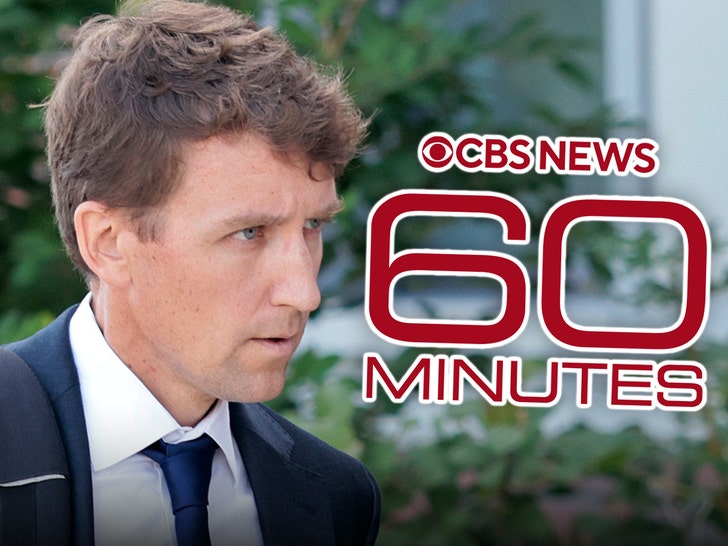
Patrick Clancy’s decision to sit down with "60 Minutes" is a monumental step, especially given his relative silence throughout much of the legal proceedings, save for his emotional testimony. The choice of "60 Minutes," renowned for its in-depth investigative journalism and serious approach to complex issues, suggests that Clancy intends to address the narrative surrounding him comprehensively and with gravity. The interview is widely expected to serve multiple purposes:
- To Clarify His Story: Provide his personal account of the events leading up to the tragedy, the night of the murders, and the aftermath, offering a direct rebuttal to the pervasive online accusations.
- To Humanize His Experience: Share his journey of grief, loss, and the immense personal toll of being falsely accused, allowing the public to see him not as a villain but as a victim of unimaginable circumstances.
- To Advocate for Mental Health Awareness: Contribute to the broader conversation about postpartum depression and psychosis, potentially shedding light on the challenges families face in recognizing and treating these conditions. His experience could serve as a powerful cautionary tale and a call for greater societal support and understanding.
- To Address the Mistrial: Offer his perspective on the trial’s outcome and the ongoing legal uncertainty surrounding Lindsay Clancy’s future.
- To Seek Closure or Understanding: While true closure may be elusive, the interview could be a step for Patrick Clancy to process his trauma publicly and to seek some measure of understanding from the wider audience.
His remarriage and subsequent relocation from Massachusetts to New York, as noted in recent reports, indicate a desire to rebuild his life away from the immediate shadow of the tragedy. However, the "60 Minutes" interview demonstrates his willingness to confront the past and present his truth on a national stage. The nervous demeanor captured in the teaser image speaks volumes about the courage required to revisit such painful memories and face public scrutiny once more.
Broader Implications and the Path Forward
The Lindsay Clancy case, and now Patrick Clancy’s "60 Minutes" interview, will undoubtedly continue to have far-reaching implications across several domains.
Postpartum Mental Health Advocacy: The case has already intensified discussions around postpartum mental illnesses, pushing for greater awareness, earlier screening, and more robust support systems for new mothers. According to the National Institute of Mental Health, postpartum depression affects up to 15% of new mothers, while postpartum psychosis, though much rarer (affecting 1 to 2 per 1,000 births), is a severe psychiatric emergency. Patrick Clancy’s public statements could further galvanize efforts to destigmatize these conditions and ensure that women receive timely and appropriate care, potentially preventing future tragedies.
Challenges in the Justice System: The mistrial highlights the inherent difficulties in prosecuting cases involving severe mental illness. Juries often grapple with the intersection of criminal culpability and diminished capacity, forcing a re-evaluation of how the legal system handles such complex medical-legal dilemmas. The outcome of Lindsay Clancy’s case, whether through a new trial or a plea agreement, will likely set precedents or at least inform future discussions on how mental illness is weighed in criminal proceedings.
The Role of Media and Social Media: The case serves as a stark reminder of the double-edged sword of modern communication. While media attention can bring important issues to the forefront and aid in public understanding, the unchecked spread of misinformation and conspiracy theories on social media can inflict profound damage on individuals and undermine the integrity of legal processes. This case underscores the ethical responsibility of both traditional media and social media platforms in shaping public narratives.
As Lindsay Clancy awaits the prosecution’s decision regarding new charges, the legal battle remains unresolved. The potential for a second trial, or for plea negotiations, looms large. Patrick Clancy’s testimony during the first trial, which was seen as beneficial to the defense, showcased a remarkable act of compassion amidst his personal devastation. His forthcoming interview on "60 Minutes" offers a rare opportunity for the public to gain deeper insight into a tragedy that has resonated across the country, while also providing Patrick Clancy a platform to finally articulate his full story. The nation will be watching and listening intently to what he has to say.




 Yuyun Lusiyani
 Joko Widodo
 Eva Lovia
 Pevita Pearce

 Lina Irawan