
 Lina Irawan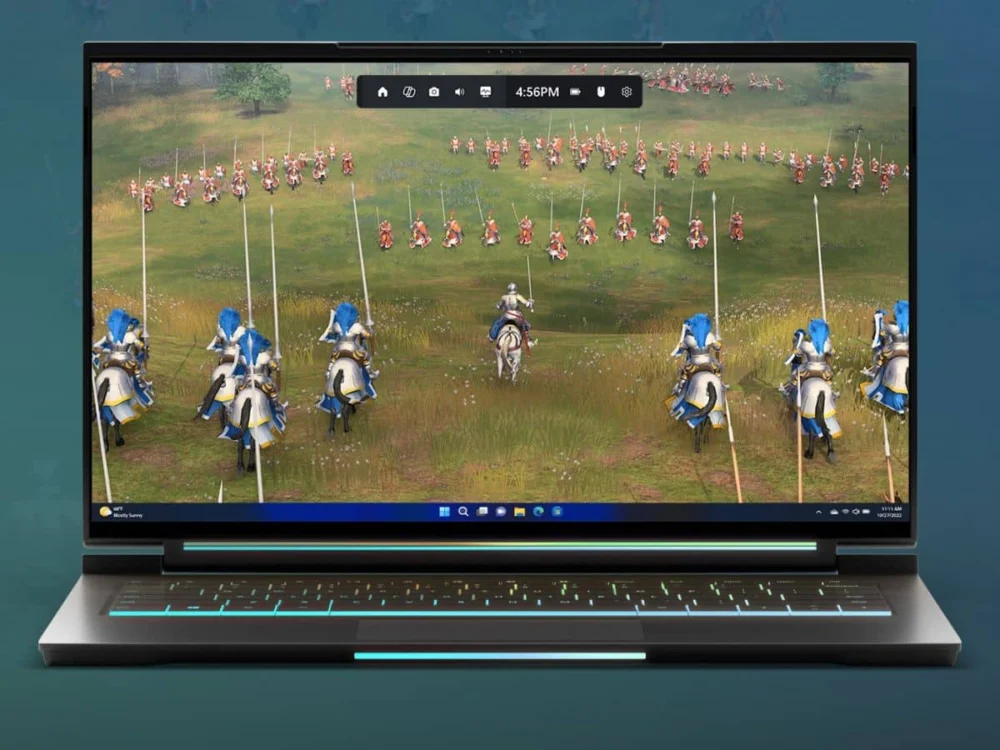
The landscape of interactive entertainment is undergoing a fundamental shift as Microsoft integrates advanced artificial intelligence directly into the gaming ecosystem through its new Gaming Copilot. For decades, the experience of becoming "stuck" in a video game—unable to defeat a complex boss or solve a cryptic puzzle—has forced players to exit their immersive environments to seek external assistance. Traditionally, this meant consulting printed strategy guides, browsing text-based walkthroughs on websites like GameFAQs, or more recently, searching for video demonstrations on YouTube and Twitch. Microsoft’s Gaming Copilot aims to eliminate this friction by embedding a multimodal AI assistant directly into the gameplay interface, providing real-time, context-aware support across Xbox consoles, Windows PCs, and handheld devices.
The Evolution of Gaming Assistance: From Tip Lines to Neural Networks
To understand the significance of the Gaming Copilot, one must examine the historical trajectory of player support systems. In the 1980s and early 1990s, gaming difficulty was often used as a mechanism to extend the longevity of relatively short titles. During this era, players relied on monthly periodicals such as Nintendo Power or expensive 1-900 "tip lines" where human operators provided verbal instructions. The advent of the consumer internet in the late 1990s democratized this information through community-driven repositories of text walkthroughs.
The mid-2000s saw the rise of video-sharing platforms, which transformed game assistance from static text to visual demonstration. However, all these methods required a "second screen" experience, forcing the player to divide their attention between the game and the guide. Microsoft’s introduction of the Gaming Copilot represents the fourth generation of this evolution: an integrated, generative system that understands the player’s specific state within a digital world. This transition marks a move from generalized advice to personalized, data-driven mentorship.
Technical Architecture and the "Help Session" Patent
At the core of the Gaming Copilot is a sophisticated integration of large language models (LLMs) and computer vision. Unlike traditional "hints" programmed by game developers, the Copilot analyzes the player’s current screen, achievement history, and inventory status to provide bespoke advice. If a player asks, "How do I beat this boss?" the AI does not simply recite a wiki page; it evaluates the player’s current health, equipped weapons, and previous failed attempts to suggest a specific tactical adjustment.
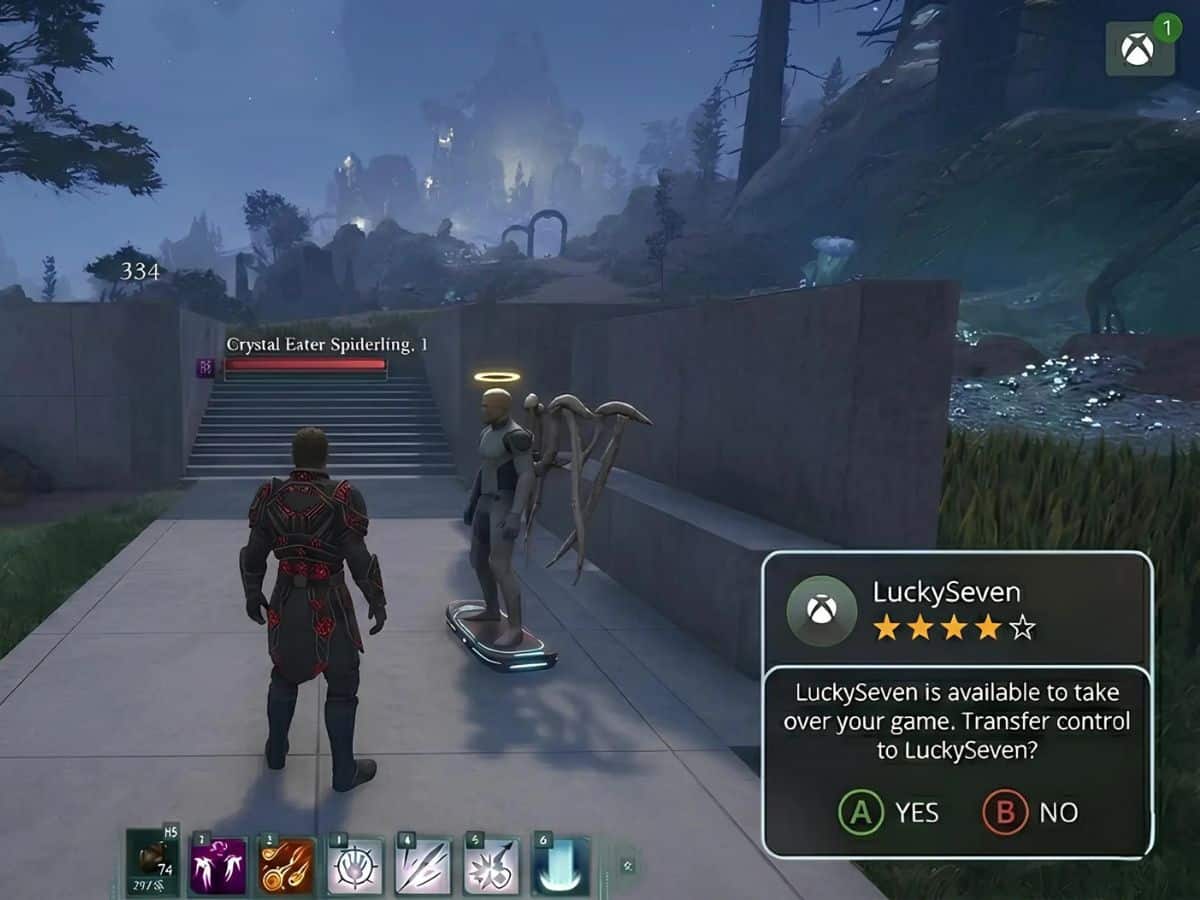
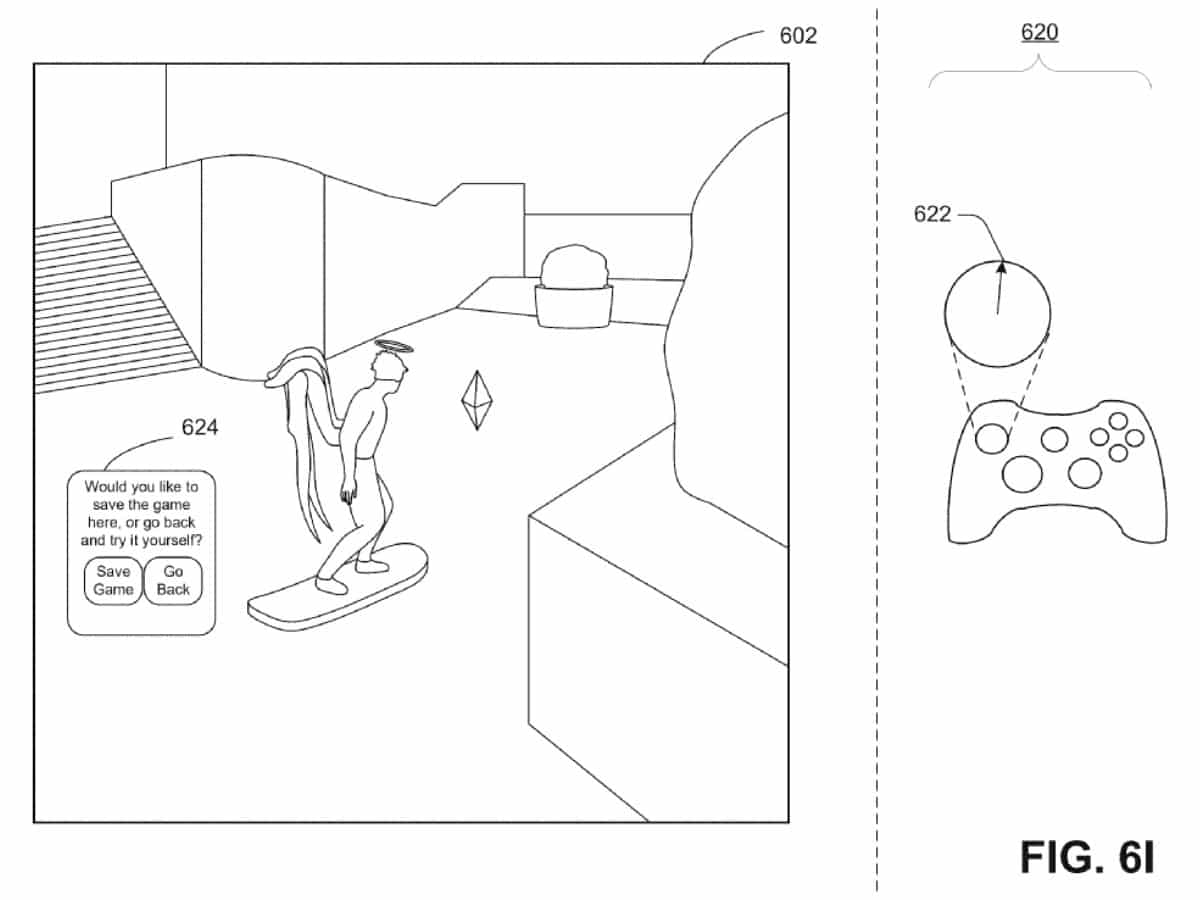
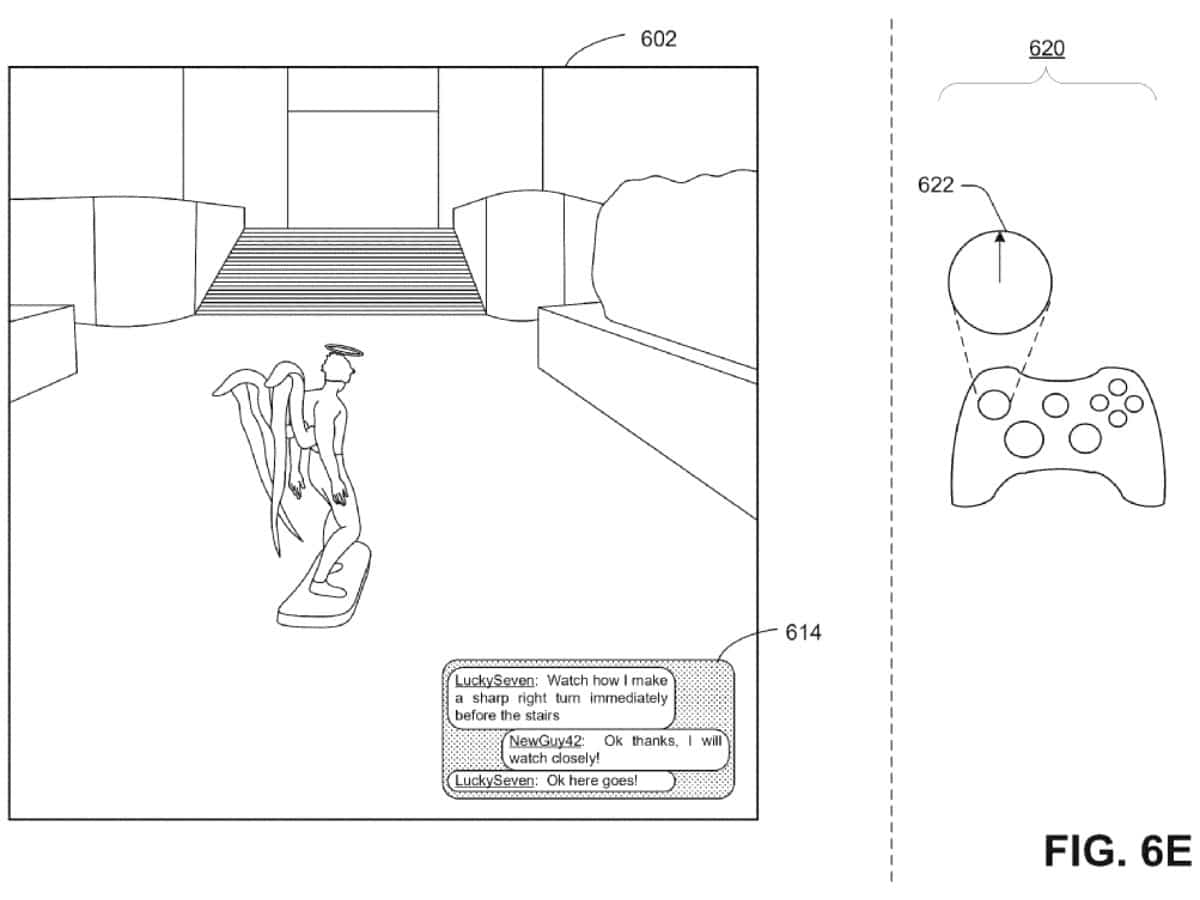
A pivotal component of this strategy was revealed in a recently published Microsoft patent titled "Help Sessions in Gaming." This document describes a system where the AI—or a remote human friend—can temporarily take control of the player’s character. This "demonstration mode" allows the AI to execute a complex series of movements or combat maneuvers while the player watches in real-time. Once the specific obstacle is cleared, control is seamlessly returned to the player. The patent suggests that this feature is intended to prevent "player churn"—the industry term for when a player quits a game permanently due to frustration.

Integration Across the Microsoft Ecosystem
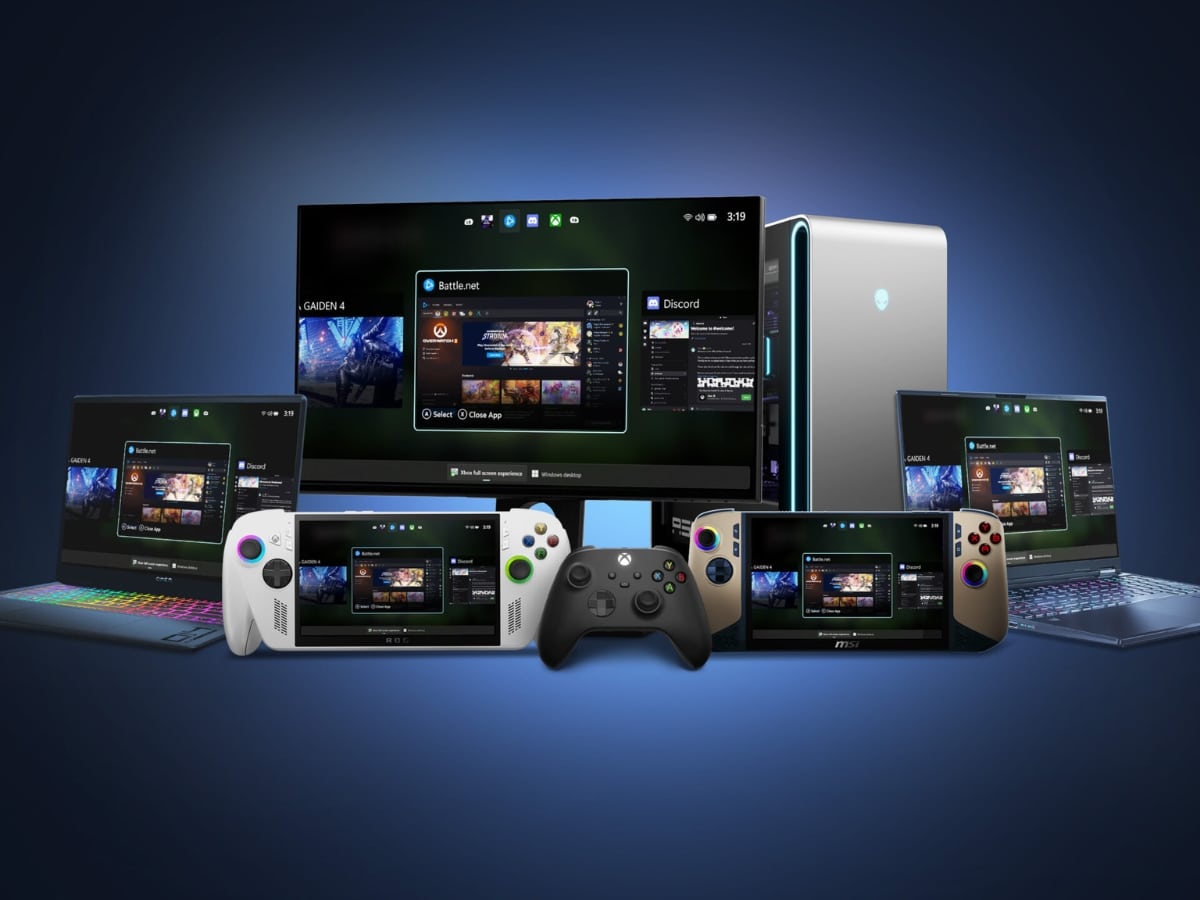
Microsoft has designed the Gaming Copilot to be platform-agnostic within its "Everywhere" gaming strategy. The service is currently being deployed across several key touchpoints:
- Windows 11 Game Bar: PC gamers can access the assistant via a dedicated overlay, allowing for natural language queries without minimizing the game window.
- Xbox Mobile App: Serving as a companion screen, the mobile integration allows players to use voice commands to ask for crafting recipes or map locations while keeping the main display clear of UI clutter.
- Handheld Devices: The system has been optimized for portable units such as the ASUS ROG Ally and Lenovo Legion Go, where screen real estate is limited and traditional multitasking is cumbersome.
- Xbox Consoles: On the Series X and Series S, the Copilot is expected to leverage cloud processing to handle the heavy computational requirements of real-time gameplay analysis.
Supporting Data: The Impact of "Stuckness" on Player Retention
Market research within the gaming industry highlights a significant demand for integrated assistance. Internal studies from various publishers indicate that approximately 30% to 40% of players who encounter a "hard gate"—a point of extreme difficulty—will stop playing the game for at least a week. Of those, a significant portion never returns to finish the title. By reducing the "time to solution," Microsoft aims to increase total playtime and subscription retention for services like Xbox Game Pass.
Furthermore, data from search engines shows that "walkthrough" and "how to beat" queries for major AAA titles often peak within the first 72 hours of a game’s release, sometimes reaching millions of searches per hour. By capturing this intent within the Xbox ecosystem, Microsoft not only improves the user experience but also retains valuable engagement data that would otherwise go to third-party platforms like Google or Amazon-owned Twitch.
Accessibility and the Democratization of Play
Beyond mere convenience, the Gaming Copilot carries significant implications for gaming accessibility. For players with motor impairments or cognitive disabilities, certain "twitch-based" mechanics or complex spatial puzzles can represent insurmountable barriers. The ability for an AI to assist with specific inputs or provide simplified visual cues can make high-budget gaming more inclusive.
Advocates for accessible gaming have noted that the 21st Century Communications and Video Accessibility Act (CVAA) and similar global standards are pushing developers toward more robust support systems. The Gaming Copilot aligns with these goals by providing a dynamic "difficulty adjustment" that is controlled by the player rather than a static menu setting. This allows gamers to customize their level of challenge on the fly, ensuring that the "flow state" of play is maintained.
Industry Reactions and the Cultural Debate
The announcement of the Gaming Copilot has sparked a vigorous debate within the gaming community regarding the nature of achievement and skill. Critics argue that allowing an AI to "play the game for you" devalues the sense of accomplishment associated with overcoming difficult challenges. This "Souls-like" philosophy—named after the notoriously difficult Dark Souls series—posits that struggle is an essential component of the artistic experience.
Conversely, industry analysts suggest that the Gaming Copilot is merely a high-tech version of a long-standing tradition. "We have been handing the controller to our older brothers or looking up cheat codes since the 1980s," notes one industry consultant. "The AI doesn’t remove the challenge; it removes the frustration of the unknown. If a player chooses to use a tool to progress, that is a valid way to consume media."
From a technical standpoint, experts have raised concerns about the reliability of AI in chaotic gaming environments. While an AI can easily play a game with fixed rules like Chess or Go, modern open-world games involve unpredictable physics and "edge cases" where the AI might "hallucinate" a solution that results in the character’s death. Microsoft has addressed this by positioning the system as a "Copilot" rather than an "Autopilot," emphasizing that the player remains the primary agent in the experience.
Broader Implications for the Future of Interactive Media
The launch of the Gaming Copilot is likely the precursor to a broader shift in how games are developed. If an AI can understand the context of a game in real-time, developers may eventually use this technology to create "living" non-player characters (NPCs) that can hold unscripted conversations with players or adapt their behavior based on the player’s skill level.
Furthermore, this technology reinforces Microsoft’s position in the ongoing "AI Arms Race." By applying its multi-billion dollar investment in OpenAI and proprietary Copilot technologies to its $80 billion gaming division (bolstered by the acquisition of Activision Blizzard), Microsoft is creating a vertical integration that competitors like Sony and Nintendo may find difficult to replicate without similar cloud infrastructure.
Conclusion and Availability
As the Gaming Copilot moves through its beta testing phase, Microsoft continues to refine the system based on player feedback. The feature is currently available to select members of the Xbox Insider program and is expected to see a wider rollout as the underlying models become more efficient.
The success of the Gaming Copilot will ultimately be measured not by how many boss fights it wins, but by how effectively it keeps players engaged with their consoles and PCs. By transforming the "search for help" into an "on-demand mentor," Microsoft is betting that the future of gaming is not just about the games themselves, but about the intelligent layer that sits between the player and the screen. Whether this leads to a new era of accessibility or a fundamental change in gaming culture remains to be seen, but the era of the external walkthrough is clearly drawing to a close.



 Yuyun Lusiyani
 Joko Widodo
 Eva Lovia
 Pevita Pearce
 admin
admin