
 Lina Irawan
The landscape of Australian transportation is undergoing a fundamental transformation as traditional vehicle ownership yields to more flexible, service-oriented models. According to recent data from the Bureau of Infrastructure and Transport Research Economics (BITRE), the economic pressures of a sustained cost-of-living crisis have significantly altered consumer behavior within the automotive sector. For the first time in decades, the average age of registered motor vehicles in Australia has seen a sharp uptick, rising from 11.40 years in 2024 to an estimated 11.54 years by 2025. This aging fleet indicates a growing reluctance among consumers to commit to the high upfront costs and long-term debt associated with new car purchases, despite an influx of competitively priced vehicles from China becoming the nation’s primary source of new imports.
Market statistics from February 2026 further underscore this shift. New vehicle sales recorded 90,712 units during the month, representing a decline of 4.5 percent—or 4,281 vehicles—compared to the same period in the previous year. In stark contrast, consumer interest in alternative mobility has surged. Google Trends data reveals that searches for “car subscription services” spiked by 300 percent over the course of 2025. This suggests that while Australians are buying fewer cars, their need for personal mobility remains constant, leading them toward a “usership” rather than “ownership” mentality.

The Economic Context of the Subscription Surge
The rise of car subscriptions is not an isolated phenomenon but a direct response to the escalating costs of vehicle maintenance, registration, and comprehensive insurance. As inflation impacts every facet of the automotive supply chain, the "all-inclusive" nature of a subscription—covering everything but fuel and tolls—has become an attractive hedge against financial unpredictability.
Industry analysts suggest that the psychological barrier to subscription services has been lowered by the ubiquity of digital streaming platforms. Just as consumers transitioned from owning physical media to subscribing to services like Netflix, the automotive market is seeing a similar migration. This trend is particularly prevalent among younger demographics and urban dwellers who prioritize flexibility over the long-term equity of a depreciating asset.
A Chronology of the Australian Car Subscription Market
The trajectory of the car subscription model in Australia can be traced through several distinct phases:

- 2018–2021: The Emergence of Specialists. Early players like Carbar and HelloCars entered the market, focusing on used fleet vehicles and providing an alternative to traditional leasing for those with non-standard credit profiles or short-term needs.
- 2022–2024: Supply Chain Volatility. Global semiconductor shortages and shipping delays led to multi-year wait times for new cars. Subscriptions became a "bridge" for consumers waiting for factory orders, allowing them to drive late-model vehicles without a long-term commitment.
- 2025: The Cost-of-Living Pivot. As interest rates remained elevated, the traditional car loan became prohibitively expensive for many households. The market saw a 300 percent increase in search volume as consumers sought ways to avoid large down payments and the risk of negative equity.
- 2026: Institutional Integration. Major manufacturers, led by Toyota’s KINTO Flex, have fully integrated subscription models into their retail ecosystems, signaling that the model is no longer a niche alternative but a mainstream pillar of the industry.
Leading Car Subscription Providers in 2026
The current market is defined by a diverse array of providers, each catering to specific consumer needs ranging from budget-conscious commuters to those seeking the latest technology.
1. Carbar: The Market Pioneer
Carbar remains the most prominent service in the Australian landscape, primarily due to its massive inventory and comprehensive approval process. Starting at approximately $136 per week, the service includes registration, insurance, servicing, and 24/7 roadside assistance.
- Operational Model: Carbar utilizes a fortnightly billing cycle and requires a two-week notice period for cancellations.
- Strategic Advantage: The provider does not conduct "hard" credit checks, instead reviewing 90 days of bank statements, making it accessible to international drivers and those on P2 licenses.
- The "Catch": The primary hurdle for Carbar users is the non-refundable upfront establishment fee, which can range from $1,000 to $7,000 depending on the vehicle’s value. Furthermore, the service does not permit test drives prior to the commencement of the subscription.
2. Carly: Maximum Flexibility
For consumers seeking a zero-deposit entry point, Carly has positioned itself as the most flexible short-term option. With rates starting from $168 per week, Carly differentiates itself by removing the burden of membership or application fees.

- Operational Model: Users can switch vehicles every 30 days, providing a level of variety that traditional ownership cannot match.
- Strategic Advantage: The tiered system (Entry, Medium, Large) allows users to select a kilometer allowance that fits their specific lifestyle, with the "Large" tier offering up to 2,800 free kilometers per month.
- The "Catch": To compensate for the lack of upfront fees, the weekly subscription rates are often slightly higher than those of competitors who require an initial deposit.
3. KINTO Flex: The Manufacturer-Backed Solution
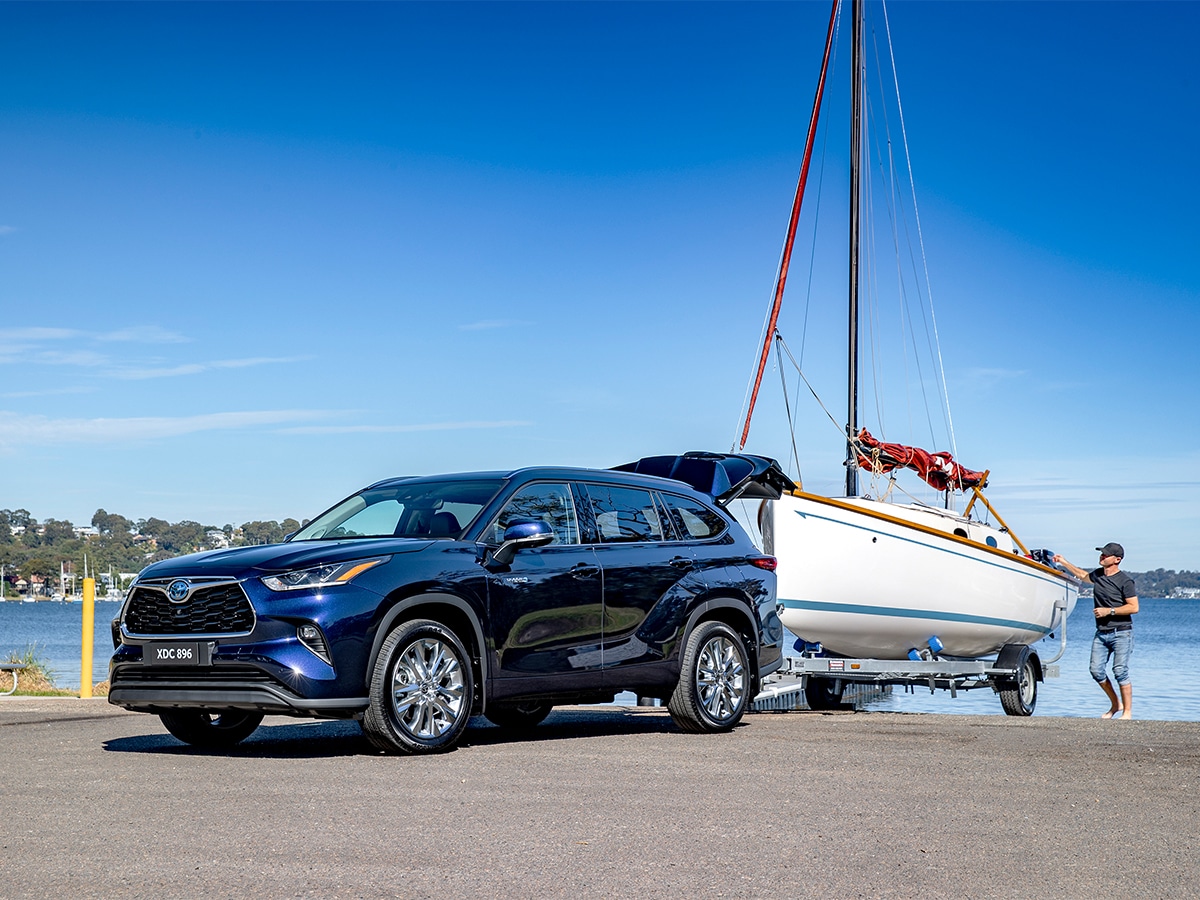
Backed directly by Toyota Australia, KINTO Flex represents the entry of traditional automotive giants into the subscription space. Starting at approximately $280 per week (plus a per-kilometer fee), it provides access to the latest Toyota hybrids and SUVs.
- Operational Model: The service is managed entirely through a smartphone app, which acts as the vehicle’s digital key.
- Strategic Advantage: It offers an incredibly short seven-day cancellation notice period and requires no security deposit or bond. This makes it a preferred choice for corporate fleets and expats.
- The "Catch": Unlike other providers, KINTO Flex does not bundle kilometers into the base price. Users pay a duration fee plus a flat rate per kilometer (ranging from $0.17 to $0.30), which can make long-distance commuting expensive.
4. HelloCars: The Value Proposition
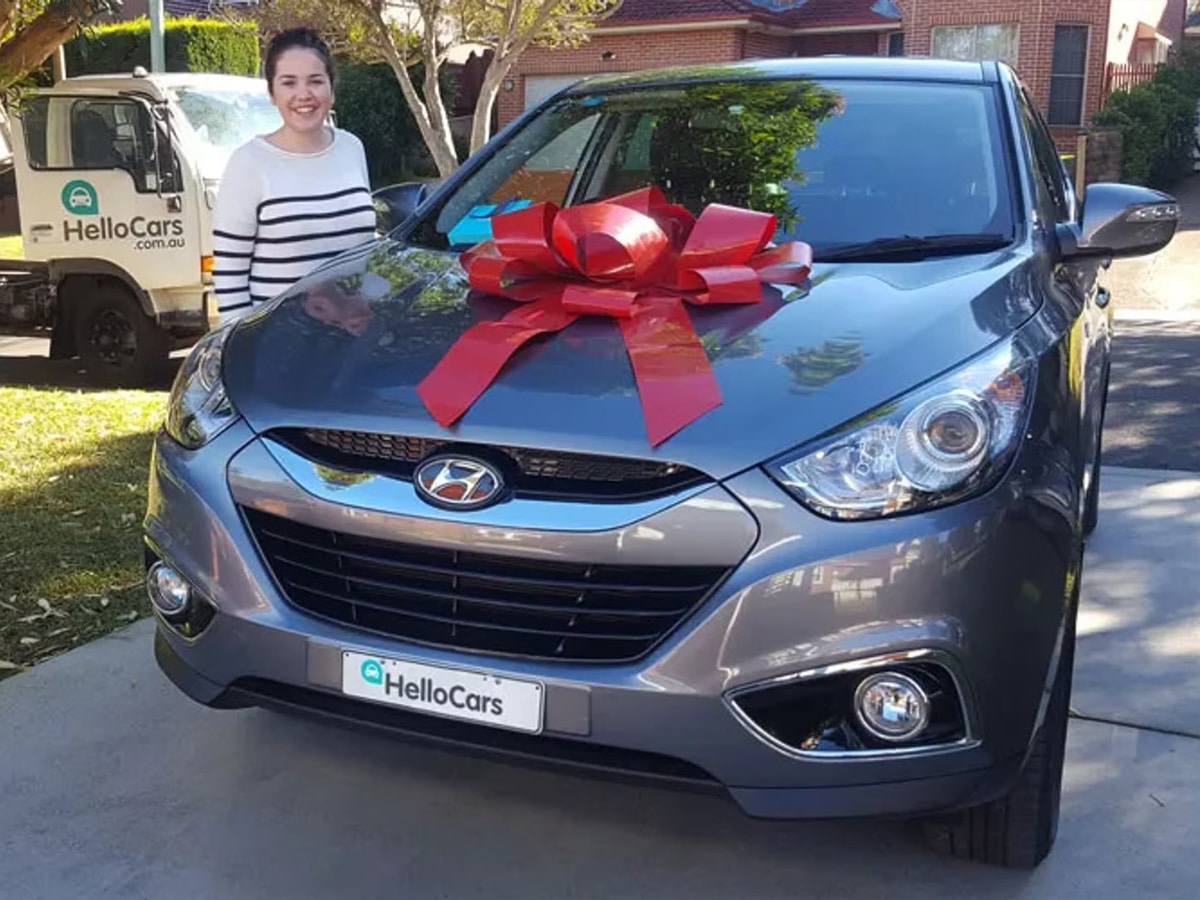
HelloCars focuses on the "value" segment of the market, utilizing used fleet vehicles to keep weekly costs as low as $185.
- Operational Model: As a licensed dealership, HelloCars can often facilitate vehicle delivery within 48 hours of approval.
- Strategic Advantage: Every subscription includes a bumper-to-bumper warranty, providing peace of mind for those driving older or high-mileage fleet cars.
- The "Catch": The lowest prices are tied to "Economy" plans which have strict 120-day minimum terms and limited weekly mileage (190km). Early termination can result in significant penalties.
5. Karmo: The "New Car" Specialist
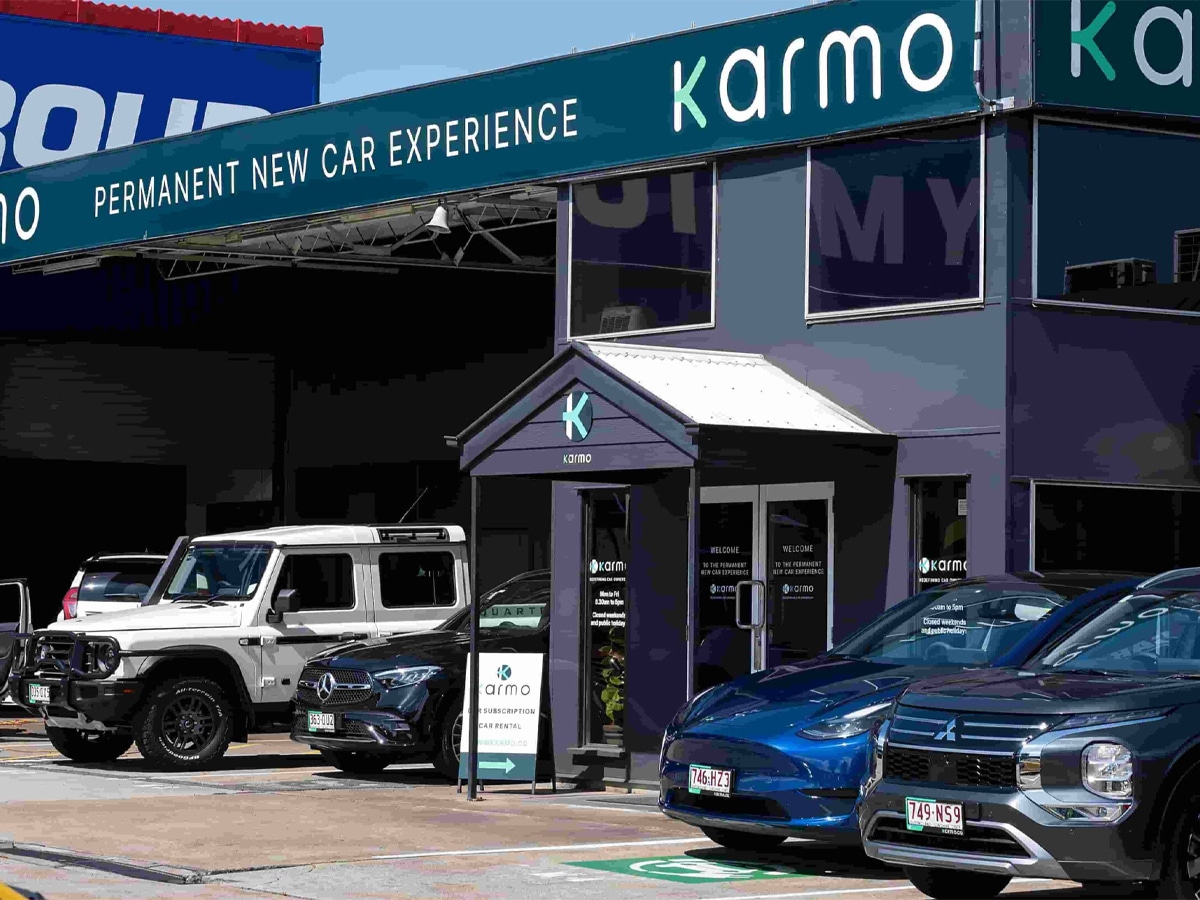
Karmo has carved out a niche by guaranteeing that subscribers will only ever drive brand-new vehicles. With access to over 200 models across 35 brands, it targets consumers who want the latest safety and technology features without the debt.
- Operational Model: Karmo requires a minimum 120-day commitment for most models and excludes drivers under the age of 25.
- Strategic Advantage: Like Carbar, Karmo avoids hard credit checks and welcomes temporary residents and international students.
- The "Catch": Users must pay a refundable bond (up to $1,500) and two weeks of subscription in advance. The strict cleaning and refueling policies upon return can also lead to unexpected fees.
Supporting Data and Financial Analysis
The decision to subscribe versus buy often comes down to a "Total Cost of Usership" analysis. While a $200 per week subscription totals $10,400 annually, proponents argue this is competitive when compared to the hidden costs of ownership.
A standard mid-sized SUV in Australia typically incurs the following annual costs:
- Depreciation: $4,000–$6,000 (especially high in the first three years).
- Insurance: $1,200–$2,000.
- Registration and CTP: $800–$1,100.
- Scheduled Servicing: $500–$900.
- Finance Interest: $2,000–$3,500 (based on current 2026 rates).
When these factors are aggregated, the "hidden" cost of owning a new vehicle can exceed $12,000 per year before a single liter of fuel is purchased. Subscription services effectively flatten this cost into a predictable weekly or monthly fee, removing the "bill shock" of annual registration or major repairs.
Official Responses and Regulatory Implications
The rapid growth of this sector has caught the attention of both regulators and industry bodies. The Australian Competition and Consumer Commission (ACCC) has begun monitoring subscription contracts to ensure "transparency in fee structures," particularly regarding excess kilometer charges and cleaning fees.
Consumer advocacy groups have expressed cautious optimism. "Car subscriptions provide a vital safety net for households that cannot afford the capital outlay of a car but require a reliable vehicle for work," a spokesperson for a leading consumer rights group stated in a recent industry forum. "However, consumers must be vigilant about ‘perpetual’ fees. Unlike a car loan, a subscription never ends in ownership; you are paying for the service, not the asset."
From a manufacturing standpoint, the shift toward subscriptions is seen as a way to manage the transition to Electric Vehicles (EVs). With technology evolving rapidly, many consumers are hesitant to buy an EV for fear of battery degradation or obsolescence. Subscriptions allow them to "test" the EV lifestyle for six to twelve months without the long-term risk.
Broader Impact and Future Outlook
As the Australian automotive market moves deeper into 2026, the traditional dealership model is likely to continue its evolution. Dealerships are increasingly acting as fulfillment centers for subscription providers, pivoting from sales-based commissions to service-based revenue streams.
The social implications are also significant. The accessibility of subscriptions for international visa holders and P-plate drivers provides mobility to demographics that were previously marginalized by rigid traditional lending criteria. However, the long-term impact on household wealth—given that vehicles have historically been a significant, albeit depreciating, asset—remains a point of debate among economists.
Ultimately, the 300 percent increase in search volume for car subscriptions serves as a clear indicator of the Australian public’s priorities. In an era of economic volatility, the value of flexibility and predictable budgeting appears to have finally overtaken the cultural prestige of car ownership. Whether this is a permanent shift or a temporary reaction to the current climate will depend on the stabilization of interest rates and the continued innovation of subscription providers in the years to come.




 Yuyun Lusiyani
 Joko Widodo
 Eva Lovia
 Pevita Pearce
 admin
admin