
 admin
admin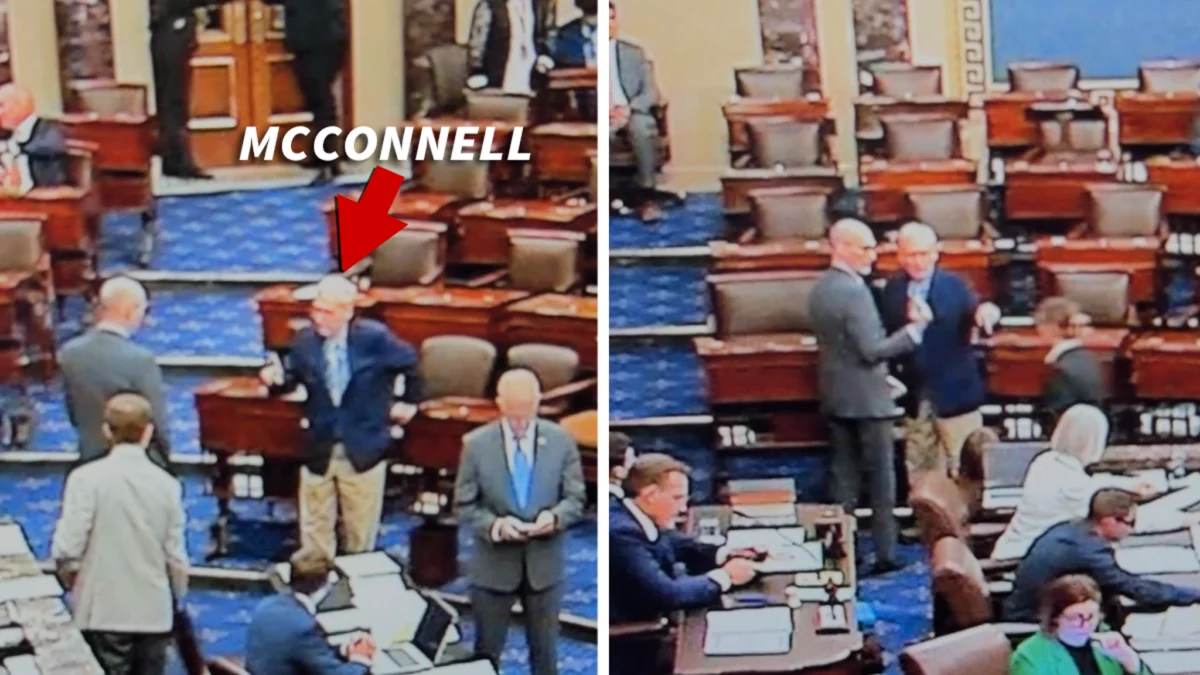
The political landscape in Washington D.C. has been rocked by the recent surfacing of a series of unsettling videos depicting Senate Minority Leader Mitch McConnell exhibiting clear signs of disorientation and confusion on the Senate floor, just weeks before his abrupt disappearance from public view. These deeply concerning images, brought to light on August 19, 2026, by investigative reporter Charlie, paint a stark picture of a veteran lawmaker struggling during a critical "vote-a-rama" session held on June 4, 2026. The revelation has ignited a fervent debate about the health and fitness for office of one of the nation’s most powerful political figures, whose condition has remained undisclosed since his last public appearance on June 14, 2026.
A Disturbing Revelation from the Senate Floor
The footage, captured during an arduous 18-hour "vote-a-rama" session, a legislative marathon notorious for its intensity and demand for sustained focus, shows Senator McConnell engaging in behavior highly uncharacteristic of his decades-long career as a shrewd and meticulous legislative strategist. The videos, now widely circulated, depict multiple instances where the 84-year-old Senator from Kentucky appeared unable to ascertain his correct vote, requiring overt assistance from both his staff and even Senate personnel. This public display of confusion, occurring just ten days before what is now widely speculated to be a period of hospitalization, has thrust the question of leadership capacity and transparency into the national spotlight with unprecedented urgency. The incident underscores the immense physical and cognitive demands placed upon members of Congress, particularly those in leadership positions, and raises critical questions about the mechanisms in place to ensure their continued ability to perform their duties.
The June 4th "Vote-a-Rama": A Day of Unprecedented Concern
The "vote-a-rama" on June 4, 2026, was no ordinary session. It was a crucible of legislative activity, a marathon of roll-call votes on dozens of amendments to a crucial appropriations package. Such sessions are designed to exhaust opponents and push through legislation, demanding unwavering attention to detail, quick decision-making, and an intricate understanding of complex legislative maneuvers. For a leader like McConnell, who has mastered these procedural intricacies over decades, this environment should have been familiar territory.
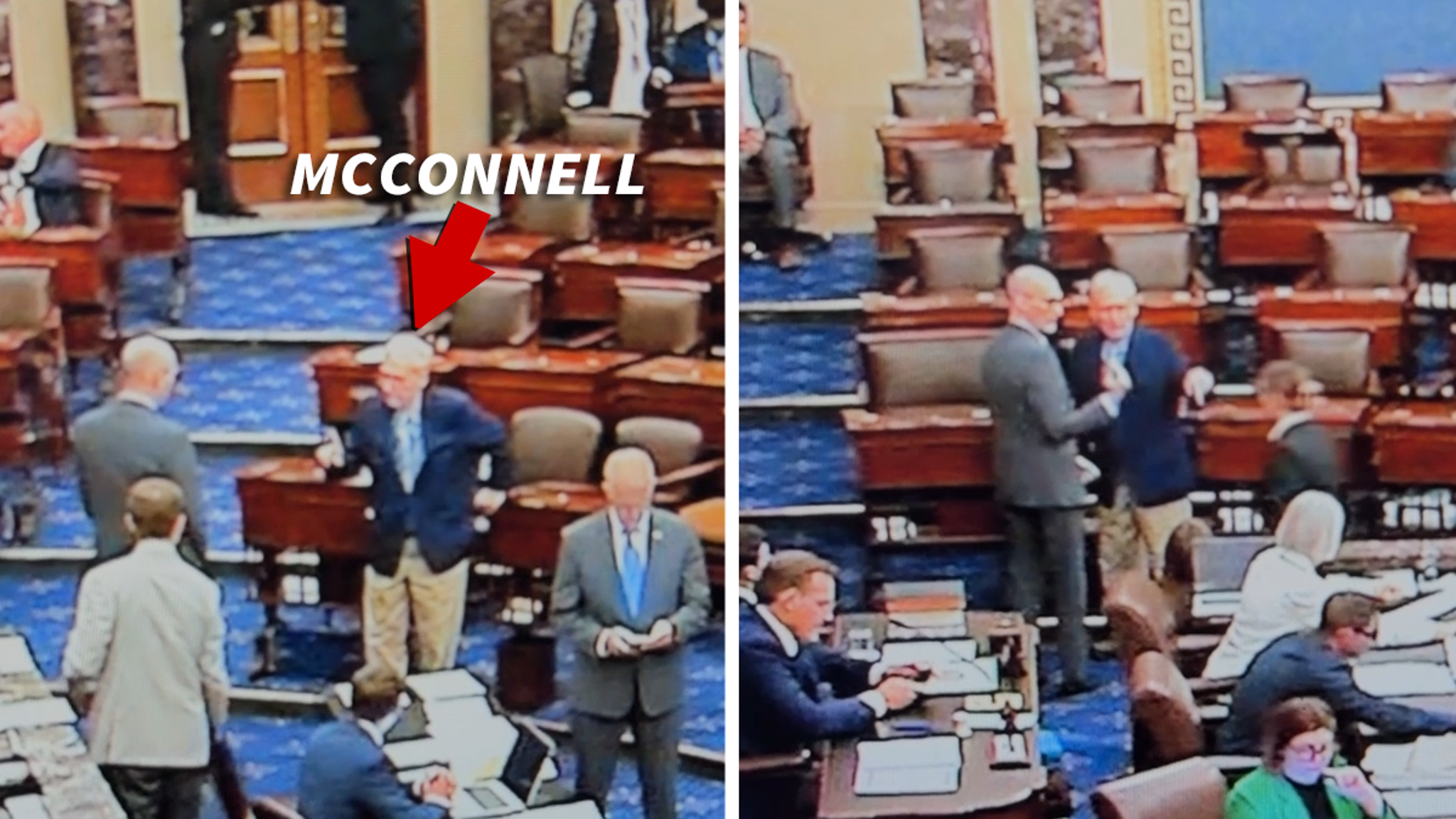
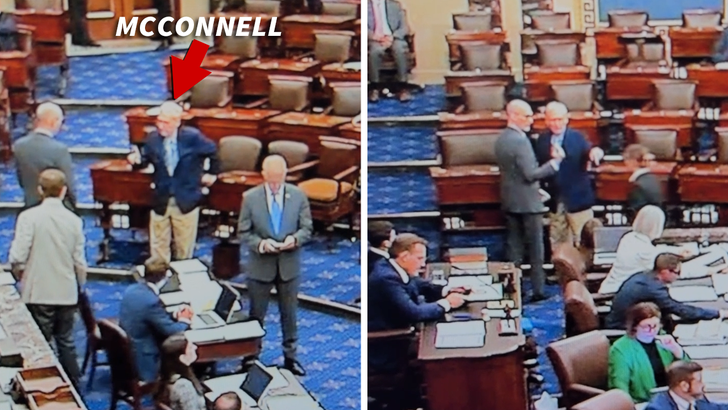
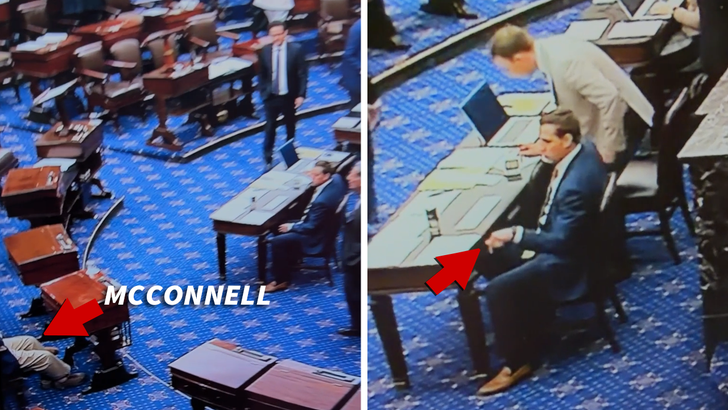
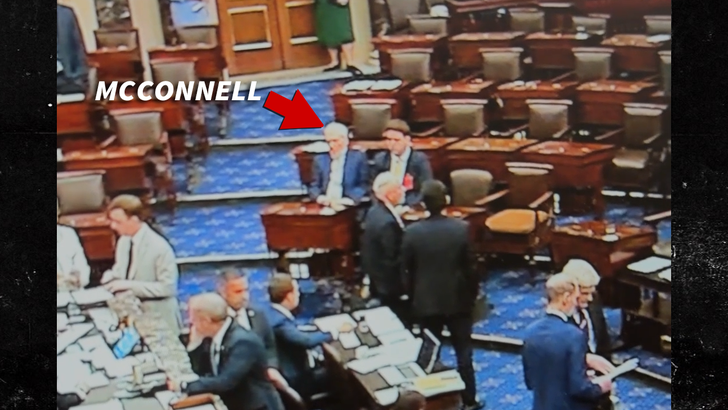
The first video captured during this session shows Senator McConnell casting an initial "yea" vote on an amendment. However, almost immediately, a concerned Senate Clerk can be seen approaching McConnell’s Chief of Staff. Their brief, hushed conversation, though inaudible, was visibly urgent. Following this intervention, the Chief of Staff engaged in a swift huddle with the Senator, after which McConnell visibly changed his vote to "nay." This incident, caught on camera, is highly unusual. Senate leaders, particularly those with McConnell’s extensive experience, are expected to be intimately familiar with the legislative agenda and their party’s stance on each vote. The need for a clerk to flag an incorrect vote and for a Chief of Staff to intervene so directly suggests a significant lapse in the Senator’s immediate comprehension or recall. Such a public correction, especially for a leader, is rare and indicative of a deeper issue.
Assistance from Colleagues and Clerks: Unprecedented Intervention
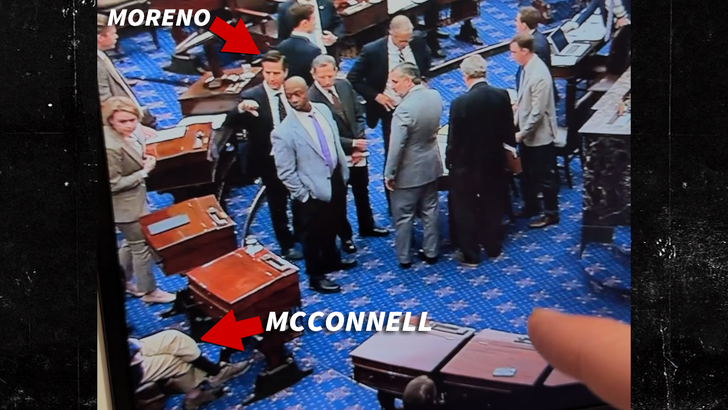
The subsequent videos present an even more striking depiction of McConnell’s apparent struggles. In one segment, fellow Republican Senator Bernie Moreno is seen overtly coaching McConnell on how to vote. Moreno, positioned near McConnell, conspicuously gives a clear "thumb’s down" gesture. Senator McConnell then parrots this gesture, subsequently casting a "nay" vote. While informal communication and guidance between senators can occur, a senior leader of McConnell’s stature typically operates with a degree of independence and decisiveness that makes such direct, gestural coaching highly irregular and conspicuous. This interaction suggests that McConnell was not merely momentarily distracted, but rather struggling to follow the proceedings and ascertain his voting preference.
Perhaps the most alarming footage shows a Senate Clerk, whose role is strictly procedural and non-partisan, signaling to Senator McConnell how to vote. The clerk is seen with his hand subtly positioned under a table, giving a clear "thumb’s down" signal. McConnell, again, follows suit, casting a "nay" vote. This type of intervention crosses a significant boundary. Senate Clerks are responsible for recording votes, maintaining order, and providing procedural information, not for directing senators on how to vote. For a clerk to overtly signal a vote to a senator, let alone the Minority Leader, indicates a perceived necessity to guide him through the basic mechanics of his duties, raising profound questions about his capacity to function autonomously. The fact that such a gesture was deemed necessary and performed by a non-partisan staff member underscores the gravity of the situation.
Prolonged Inactivity: Six Hours of Silence
The final video montage released by Charlie offers a different, yet equally concerning, insight into Senator McConnell’s state during the June 4th session. It comprises snippets showing McConnell sitting stationary for approximately six hours, largely unresponsive and disengaged as the Senate conducted its critical business around him. While long legislative sessions can be physically taxing, and senators do often remain seated, the footage suggests an unusual level of stillness and lack of active participation for a leader who typically orchestrates strategy, confers with colleagues, and directs his caucus. This prolonged period of apparent inactivity, especially during a high-stakes "vote-a-rama," contrasted sharply with the typical dynamic engagement expected of the Minority Leader, whose role involves constant vigilance and strategic input. Observers noted that his posture and lack of interaction seemed to convey a profound detachment from the intense legislative activity unfolding in the chamber.
A Timeline of Events: From Floor to Unseen
The timeline surrounding these events adds to the gravity and mystery of the situation.
- June 4, 2026: The "vote-a-rama" session takes place, during which the disturbing incidents of confusion and requiring assistance are recorded.
- June 14, 2026: Senator McConnell makes his last known public appearance. Following this date, he vanishes from the public eye, his office offering no specific details regarding his whereabouts or health.
- Mid-June 2026 (Inferred): The phrase "10 days before he was hospitalized" in the original report, when contextualized with the June 4th videos and June 14th disappearance, strongly suggests that McConnell was hospitalized sometime around June 14th-24th, following the observed incidents and leading to his prolonged absence.
- August 19, 2026: Investigative reporter Charlie publicly releases the videos detailing McConnell’s struggles on the Senate floor.
- August 20, 2026: News outlets globally begin to report on the videos, intensifying calls for transparency regarding Senator McConnell’s health.
This chronology suggests that the signs of confusion observed on June 4th were precursors to a more serious health event that led to his hospitalization and subsequent retreat from public life. The belated release of these videos, months after the events and his disappearance, amplifies concerns about the transparency surrounding the health of high-ranking officials.
Reactions and Official Silence: A Growing Chorus of Concern
The release of these videos has predictably triggered a wave of reactions across the political spectrum, alongside a conspicuous silence from Senator McConnell’s office regarding his specific condition.
From McConnell’s Office (Inferred Response): In the absence of direct official statements regarding the videos, it is plausible that Senator McConnell’s office would issue a general statement, perhaps acknowledging the intensity of the "vote-a-rama" session. A hypothetical statement might read: "Senator McConnell, like all members, endures incredibly demanding legislative sessions. The June 4th ‘vote-a-rama’ was an exceptionally long and complex event, and instances of fatigue can occur. Senator McConnell is a dedicated public servant, and we appreciate the concern shown for his well-being. We continue to respect his privacy regarding personal health matters." This type of response would aim to downplay the severity of the incidents while maintaining a shield of privacy around his health.
Republican Colleagues: Many Republican senators have publicly expressed their support and concern for their leader, while also calling for privacy. Senator John Thune, the Republican Whip, might state: "Mitch McConnell has served this nation with unparalleled dedication for decades. Our thoughts are with him, and we respect his right to privacy during this time. We are confident in the continuity of Senate operations." Others, like Senator Marco Rubio, might add: "These videos are concerning, but we must remember the immense pressure of the Senate. We all wish Senator McConnell a swift recovery and look forward to his return." There may also be quiet conversations about succession planning within the caucus, though such discussions would likely remain private for as long as possible.
Democratic Colleagues: While generally respectful, Democratic senators might cautiously express concern about the stability of Senate leadership. Senate Majority Leader Chuck Schumer might release a statement saying: "Our thoughts are with Senator McConnell and his family. The Senate functions best when all members are fully engaged, and we wish him well. The continuity of our legislative work is paramount." Other Democrats, like Senator Elizabeth Warren, might gently push for more transparency: "The American people deserve to know the health status of their leaders, especially those in critical positions. We wish Senator McConnell peace and recovery, but transparency is vital for public trust."
Medical and Political Analysts: Medical experts, speaking generally and without diagnosing McConnell, would likely point to the signs observed in the videos—disorientation, need for prompting, prolonged stillness—as potential indicators of cognitive impairment or a transient ischemic attack (TIA), often referred to as a "mini-stroke," or other neurological events. Political analysts would highlight the unprecedented nature of a Senate leader requiring such overt assistance, discussing the potential ramifications for his leadership, the Republican Party, and the broader functioning of the Senate. Dr. Emily Chen, a neurologist, might comment: "While it’s impossible to diagnose without direct examination, the behaviors described and depicted are consistent with acute confusion, which warrants immediate medical evaluation, particularly in an individual of that age."
The overarching theme is a noticeable lack of concrete information from official sources regarding McConnell’s health, fueling intense speculation and a growing public demand for greater transparency.
The Weight of Leadership: Precedents and Demands
Senator Mitch McConnell has been a dominant force in American politics for over four decades, serving as Senate Minority Leader since 2007 and previously as Majority Leader. His role demands not only a deep understanding of legislative policy and parliamentary procedure but also exceptional strategic acumen, constant communication with his caucus, and the stamina to navigate grueling legislative schedules. The Senate Minority Leader is responsible for coordinating opposition strategy, influencing judicial appointments, and often serving as the public face of his party’s agenda. The visible struggles of such a central figure on the Senate floor are therefore deeply unsettling, raising questions about his ability to continue fulfilling these multifaceted and demanding responsibilities.
Historically, there have been instances of health concerns among high-ranking officials. However, the current situation with Senator McConnell appears unique in the level of public visual evidence of cognitive disarray combined with an extended period of unexplained absence. The delicate balance between a public official’s right to privacy and the public’s right to know about the health of their leaders, particularly when it impacts their capacity to govern, is a perpetual tension in democratic societies. This incident reignites that debate, with many arguing that the unique responsibilities of Senate leadership necessitate a higher degree of transparency regarding health. The demands of modern politics, with relentless media scrutiny and a 24/7 news cycle, only intensify these calls.
Implications for the Senate and the Republican Party
The ongoing uncertainty surrounding Senator McConnell’s health carries profound implications for both the United States Senate and the Republican Party.
Legislative Agenda: As Minority Leader, McConnell wields significant power to shape the legislative agenda, orchestrate filibusters, and negotiate critical bills. His absence, or diminished capacity, could create a leadership vacuum that impacts the Republican Party’s ability to effectively oppose or influence legislation, particularly during a crucial appropriations cycle or other major legislative battles. Key votes and strategic maneuvers could be compromised without his guiding hand, potentially leading to a less cohesive and effective Republican presence in the Senate.
Succession Planning: The rules for replacing a Senate party leader in the event of incapacitation or resignation are largely internal to the caucus. Typically, an election would be held among Republican senators. Potential successors like Senators John Thune, John Cornyn, or Rick Scott, who have previously sought or are expected to seek leadership positions, would likely emerge as frontrunners. However, an abrupt and unclear transition could expose divisions within the Republican caucus, potentially leading to an internal power struggle at a time when party unity is often paramount. This could distract from legislative priorities and weaken the party’s overall standing.
Republican Party Dynamics: McConnell has been a unifying, albeit sometimes controversial, figure for the Republican Party in the Senate for many years. His absence at a critical juncture could exacerbate existing ideological divides within the party, particularly between its more traditional conservative wing and the populist faction. This internal strife could spill over into public discourse, affecting the party’s messaging and strategy heading into upcoming election cycles. The perception of instability at the top could also erode voter confidence.
Broader Debate on Age and Fitness for Office: The incidents involving Senator McConnell will undoubtedly intensify the national conversation about the age and physical/cognitive fitness of elected officials, particularly in a country with an aging political leadership. This discussion could lead to renewed calls for mandatory cognitive tests for senior politicians or more robust mechanisms for assessing the capacity of officeholders. While fraught with ethical and practical challenges, the public’s perception of leadership competence is paramount, and events like these inevitably fuel such debates.
The Path Forward: Calls for Transparency and Stability
The unfolding situation surrounding Senator Mitch McConnell’s health and his visible struggles on the Senate floor represents a significant moment for American politics. The videos from June 4th serve as a stark reminder of the human element in governance and the immense pressures faced by those in power. While privacy is a fundamental right, the unique responsibilities of a leader in a democratic institution necessitate a degree of transparency that often conflicts with personal desires.
As calls for clarity grow louder, the Senate and the Republican Party face a critical juncture. The need for stable, effective leadership is paramount, especially in a period of complex national and international challenges. The events surrounding Senator McConnell will undoubtedly shape not only the immediate future of the Senate’s legislative agenda but also the broader discourse on leadership, health, and transparency in American public life for years to come. The public, the media, and his colleagues await definitive answers, hoping for both the Senator’s well-being and a clear path forward for the institution he has served for so long.


 Yuyun Lusiyani
 Joko Widodo
 Eva Lovia
 Pevita Pearce

 Lina Irawan