
 Ana Megawati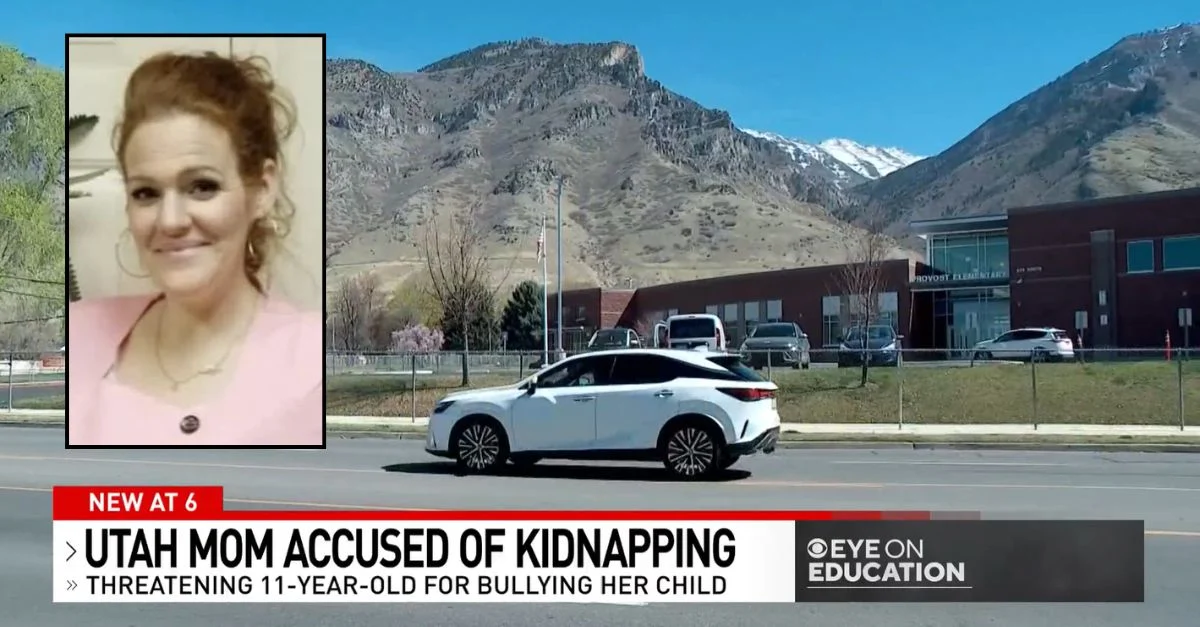
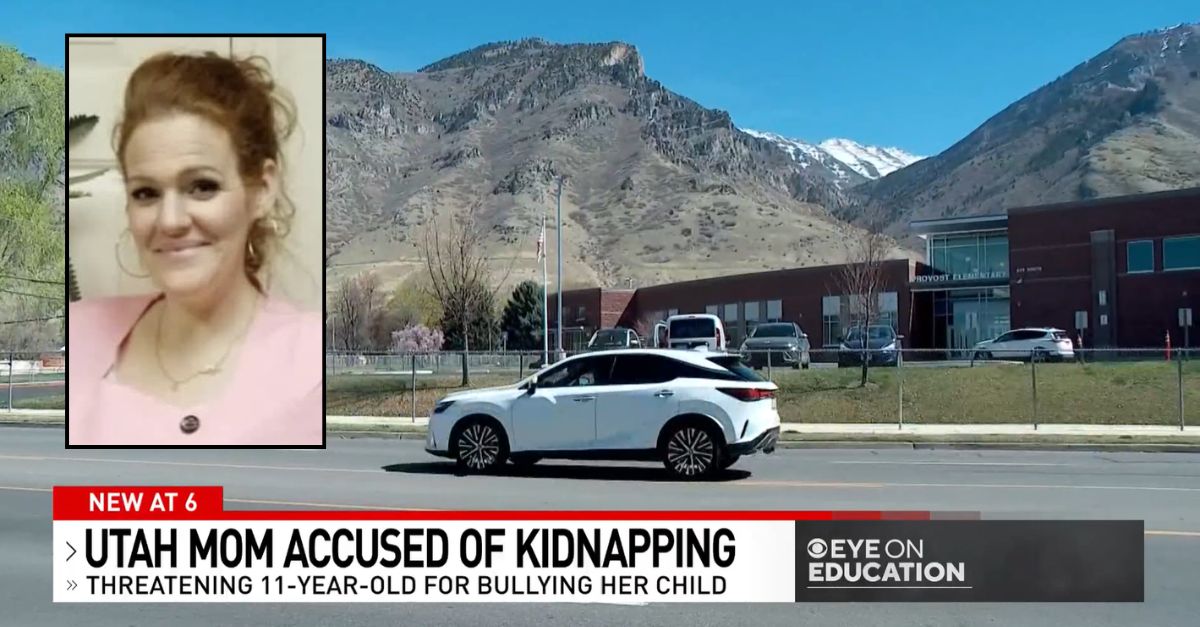
PROVO, Utah — A Utah mother has been arrested and charged with serious felonies after allegedly kidnapping an 11-year-old boy whom she believed was bullying her daughter. The incident, which unfolded in September 2025, has brought to light the intense emotional landscape surrounding childhood bullying, the challenges parents face in advocating for their children, and the critical importance of adhering to legal boundaries when addressing perceived injustices. Shannon Tufuga, 40, now faces charges of child kidnapping and aggravated child abuse, casting a harsh spotlight on the extreme measures a parent allegedly took in an attempt to resolve a dispute between elementary school-aged children.
The allegations against Tufuga detail a disturbing sequence of events in which she purportedly sought out the boy, identified in court documents as K.B., and forcibly took him to her home with the intention of compelling an apology to her daughter. This case, unfolding in the typically serene community of Provo, has resonated deeply, raising questions about parental responsibility, school accountability, and the severe legal repercussions of vigilante actions.
The Alleged Incident: A Detailed Chronology
The roots of the alleged confrontation, according to statements from K.B.’s mother, Amberlee Collazo, stretch back over two years, painting a picture of escalating tensions between the children. Collazo informed local NBC affiliate KSL that Tufuga’s daughter had developed a persistent crush on K.B., an attention that K.B. found increasingly overwhelming. The dynamic reportedly reached a breaking point when, fed up with the perceived harassment, K.B. responded to Tufuga’s daughter with a "negative comment." This interaction, according to Collazo, allegedly spurred Tufuga to begin "targeting" K.B.
Conversely, Tufuga, through her attorney and statements to KUTV, has asserted that her children, some of whom have special needs, had been subjected to bullying by K.B. in the past. She claimed that these alleged bullying incidents were brought to the attention of their elementary school administration, but no effective action was taken to resolve the issues. This perceived inaction from school authorities, Tufuga’s defense suggests, forms a crucial part of the background leading up to the September 2025 incident.
September 17, 2025: The Day of the Alleged Kidnapping
According to an affidavit obtained by Cowboy State Daily and KUTV, the alleged kidnapping occurred on September 17, 2025. On that day, Shannon Tufuga reportedly drove through a Provo neighborhood, actively searching for 11-year-old K.B. The affidavit states that Tufuga eventually located K.B. riding his bicycle. In a move described by police as coercive, Tufuga allegedly positioned her vehicle directly in the boy’s path, forcing him to stop. She then reportedly made K.B. get into her vehicle, against his will and without his parents’ knowledge or permission.
Tufuga then allegedly drove K.B. back to her family’s home. The primary objective, as stated in court documents, was to force K.B. to apologize to her daughter for the alleged bullying. KUTV reported that K.B. did, in fact, eventually apologize to Tufuga’s daughter. However, the confrontation at Tufuga’s home allegedly did not end there.
Allegations of Threats and Coercion
The affidavit further details additional alarming allegations made by K.B. following the apology. Tufuga allegedly threatened the boy, telling him she would "have her husband beat up K.B." and that he was "lucky she did not run over [his] bike." Amberlee Collazo, K.B.’s mother, provided further details to KSL, recounting her son’s experience at the Tufuga residence. Collazo stated that her son described Tufuga’s husband as being present in the same room, allegedly with a "gun on his hip" during the confrontation. This detail, if proven, could significantly elevate the perceived level of intimidation and threat K.B. experienced.
There are conflicting accounts regarding how K.B. ultimately left the Tufuga home. Collazo told KSL that Tufuga allegedly told her son to "get the eff out, and he ran all the way home." However, both KUTV and Cowboy State Daily reported, citing court documents, that Tufuga herself brought the boy home. Regardless of the precise method of his departure, the core allegation remains that K.B. was unlawfully confined and subjected to threats.
Upon returning home, K.B. immediately recounted the harrowing experience to his mother, leading to police involvement and a subsequent investigation that culminated in Tufuga’s arrest and charges.
Legal Definitions and Ramifications
Shannon Tufuga was formally charged on Monday, March 24, 2026, with one count of child kidnapping and one count of aggravated child abuse. These are grave charges under Utah law, carrying substantial potential penalties.
Child Kidnapping in Utah
Under Utah Code Ann. § 76-5-301, child kidnapping is generally defined as intentionally or knowingly, without authority of law, and without the consent of the parent or guardian, taking or enticing a child away from the parent, guardian, or other person having lawful custody, or detaining a child. The severity of the charge can vary based on the intent and circumstances, but it is typically a second-degree felony, punishable by a prison sentence of one to 15 years and significant fines. In cases involving force or threat, the charges can be further elevated. The prosecution will likely argue that Tufuga’s actions of pulling her vehicle in front of K.B.’s bike and making him get inside, coupled with the lack of parental consent, directly meet the elements of child kidnapping.
Aggravated Child Abuse
Aggravated child abuse, as defined in Utah Code Ann. § 76-5-109.1, pertains to situations where an individual causes or permits a child to suffer abuse or neglect, and the abuse involves certain aggravating factors, such as serious physical injury, torture, or severe emotional distress. The charge Tufuga faces implies that the alleged actions caused K.B. "serious emotional distress" and "high anxiety," as noted in the affidavit. K.B.’s mother confirmed this impact, stating that the incident caused her son to "alter his daily routines significantly." Aggravated child abuse is typically a second-degree felony, carrying similar penalties to child kidnapping. The alleged threats made by Tufuga and the presence of a firearm, if corroborated, could be presented as evidence of the "aggravated" nature of the abuse.
It is crucial to remember that Tufuga is presumed innocent until proven guilty, and her attorney has stated a clear intent to contest the allegations. The legal process will involve presenting evidence, witness testimonies, and legal arguments from both the prosecution and the defense. Tufuga’s next court appearance is scheduled for April 30, 2026.
Official Responses and Defense Strategy
Following the charges, various parties have issued statements or maintained official positions.
Tufuga’s Attorney: Denying Allegations, Citing Bullying
Pona Sitake, Tufuga’s attorney, provided a written statement to KUTV, vehemently denying the allegations. "We respectfully deny the allegations made in the charging document filed this week," Sitake stated. The defense intends to argue that the allegations "stem from a troubled child and are not accurate." Furthermore, Sitake indicated that the defense would "look forward to presenting evidence to the State regarding repeat challenges our client’s children have faced at school, including the elementary school administration’s ongoing efforts to address bullying and maintain a safe environment." This suggests a defense strategy that will not only challenge the veracity of K.B.’s account but also attempt to shift focus to the alleged bullying Tufuga’s children experienced and the perceived inadequacy of the school’s response.
K.B.’s Mother: Shock and Emotional Toll
Amberlee Collazo, K.B.’s mother, expressed profound distress over the incident. She highlighted the emotional impact on her son, who now suffers from "serious emotional distress" and "high anxiety," leading to significant changes in his daily life. Collazo also emphasized that Tufuga never attempted to contact her directly about any issues between their children, an action that might have prevented the alleged escalation. "She never contacted me," Collazo told KSL, underscoring a perceived breakdown in communication that could have potentially de-escalated the situation.
Provo City School District: No Comment
The Provo City School District, where both children are presumably enrolled, declined to comment on the ongoing investigation. This is a standard procedure for school districts when legal proceedings or active police investigations are underway, primarily to avoid compromising the investigation or incurring legal liability. However, the district’s silence leaves open questions about its anti-bullying policies, how complaints are handled, and what preventative measures are in place to mediate conflicts between students and their families.
Employment Consequences
In the immediate aftermath of the allegations, Shannon Tufuga lost her employment as a crossing guard for Provo City. This swift action by the city underscores the serious nature of the charges and the potential impact on public trust when an individual holding a position of responsibility, especially one involving children’s safety, faces such accusations.
The Broader Context: Bullying, Parental Advocacy, and Vigilante Justice
This case serves as a stark illustration of the intense emotions and complex challenges surrounding childhood bullying, and the perilous consequences when parents choose to act outside established legal and institutional frameworks.
The Pervasive Issue of Bullying
Bullying remains a widespread problem in schools across the United States. According to the National Center for Education Statistics (NCES), about 20% of students aged 12-18 reported being bullied at school during the school year. The impact of bullying can be profound, leading to significant emotional distress, anxiety, depression, academic difficulties, and, in severe cases, even thoughts of self-harm. For children with special needs, like Tufuga’s daughters, the vulnerability to bullying can be even greater, and the effects more pronounced. Parents of children with special needs often face unique challenges in advocating for their children’s safety and well-being in school environments.
The Parental Dilemma and Desire for Intervention
Parents often feel an overwhelming urge to protect their children from harm, especially from bullying. When conventional methods—like reporting incidents to school administration—are perceived as ineffective, parents can experience immense frustration, helplessness, and a strong desire to intervene directly. Many parents might explore various avenues, from requesting mediation with other parents, seeking school interventions, or, in more severe cases, involving law enforcement. The core issue in such scenarios is often a breakdown in communication and a perceived lack of adequate response from institutions entrusted with child safety.
The Dangers of Vigilante Justice
However, the Tufuga case underscores the critical distinction between parental advocacy and vigilante justice. While the impulse to protect one’s child is understandable, taking the law into one’s own hands, particularly through actions like kidnapping and making threats, crosses a fundamental legal and ethical boundary. Such actions not only carry severe legal consequences for the perpetrator but also inflict further trauma on the victim and can escalate conflicts exponentially, creating a more dangerous environment for all involved children. Legal experts consistently advise against direct confrontation or taking matters into one’s own hands, instead advocating for utilizing established channels such as school authorities, parent-teacher conferences, formal complaints, and if necessary, law enforcement or legal counsel to secure restraining orders or protective measures.
School Responsibility and Prevention
The case also implicitly highlights the crucial role of schools in creating safe environments and effectively addressing bullying. Robust anti-bullying policies, clear reporting mechanisms, consistent enforcement, and proactive mediation strategies are essential. When parents perceive that schools are not taking their concerns seriously, it can erode trust and potentially push frustrated parents towards desperate measures. While the Provo City School District has not commented directly on this case, the broader implications emphasize the need for transparency, responsiveness, and effective conflict resolution mechanisms within educational institutions.
Community Impact and Future Implications
The alleged actions of Shannon Tufuga and the subsequent charges have undoubtedly sent ripples through the Provo community, particularly among parents. Concerns about child safety, the effectiveness of school anti-bullying measures, and the appropriate boundaries of parental intervention are likely topics of discussion. Such incidents can heighten anxieties, making parents more vigilant and perhaps more cautious about their children’s interactions.
As the legal proceedings against Shannon Tufuga move forward, the case will continue to draw attention. The trial, scheduled to begin in the coming months, will meticulously examine the evidence, the conflicting narratives, and the legal arguments from both sides. The outcome will not only determine Tufuga’s fate but may also contribute to a broader conversation about how communities, schools, and parents can more effectively address the persistent challenge of bullying while upholding the rule of law and ensuring the safety and well-being of all children. The delicate balance between a parent’s right to protect their child and the legal and ethical imperative to avoid illegal actions remains at the heart of this compelling and tragic incident.

 Yuyun Lusiyani
 Joko Widodo
 Jia Lissa
 Pevita Pearce
 admin
admin
