
 Lina Irawan
The appearance of veteran actor Jim Carrey at the 51st César Awards in Paris has transitioned from a standard celebratory milestone into a case study on the volatility of digital perception and the erosion of public trust in the age of hyper-realistic media. While the event was intended to honor Carrey’s decades-long contribution to international cinema, the subsequent online discourse shifted focus away from his professional achievements and toward a pervasive, albeit baseless, conspiracy theory suggesting that the man on stage was not the actor himself, but a sophisticated body double or a prosthetic-clad imposter.
The Event: A Night of Recognition in the French Capital
On the evening of the ceremony, Jim Carrey arrived at the L’Olympia theater in Paris to receive an honorary César, an accolade often described as the French equivalent of the Academy Award. Accompanied by family members and appearing in high spirits, Carrey’s presence was initially marked by the typical hallmarks of a high-profile red carpet event. He engaged with photographers, interacted with fellow luminaries of the film industry, and eventually took to the stage to deliver a lengthy acceptance speech.
Notably, Carrey delivered his remarks in French, a gesture that was met with a standing ovation from the Parisian audience. Observers at the event noted his characteristic expressive energy, though tempered by the gravity of the lifetime achievement honor. To those in the room, the evening was a straightforward celebration of a Hollywood icon’s enduring legacy. However, as high-resolution images and video clips began to circulate across social media platforms in the hours following the broadcast, a different narrative began to take root within digital communities.
Chronology of a Viral Conspiracy
The transition from red-carpet coverage to conspiracy theory occurred with remarkable speed. Within six hours of the ceremony’s conclusion, "Jim Carrey" began trending on X (formerly Twitter) and TikTok, not for his speech, but for side-by-side comparisons of his facial structure.
The timeline of the misinformation campaign can be traced through several key phases:
- The Initial Skepticism (0–12 Hours): Users began posting zoomed-in screenshots of Carrey’s jawline and earlobes, claiming that the anatomical features did not align with "historical data" from his films in the early 2000s. The hashtag #NotJimCarrey began to gain traction.
- The Decoy Narrative (12–24 Hours): A 1990s clip of Carrey appearing on Late Night with David Letterman resurfaced. In the video, Carrey joked about employing lookalikes to distract paparazzi. This decades-old anecdote was stripped of its comedic context and presented as "proof of concept" for the actor’s current use of body doubles.
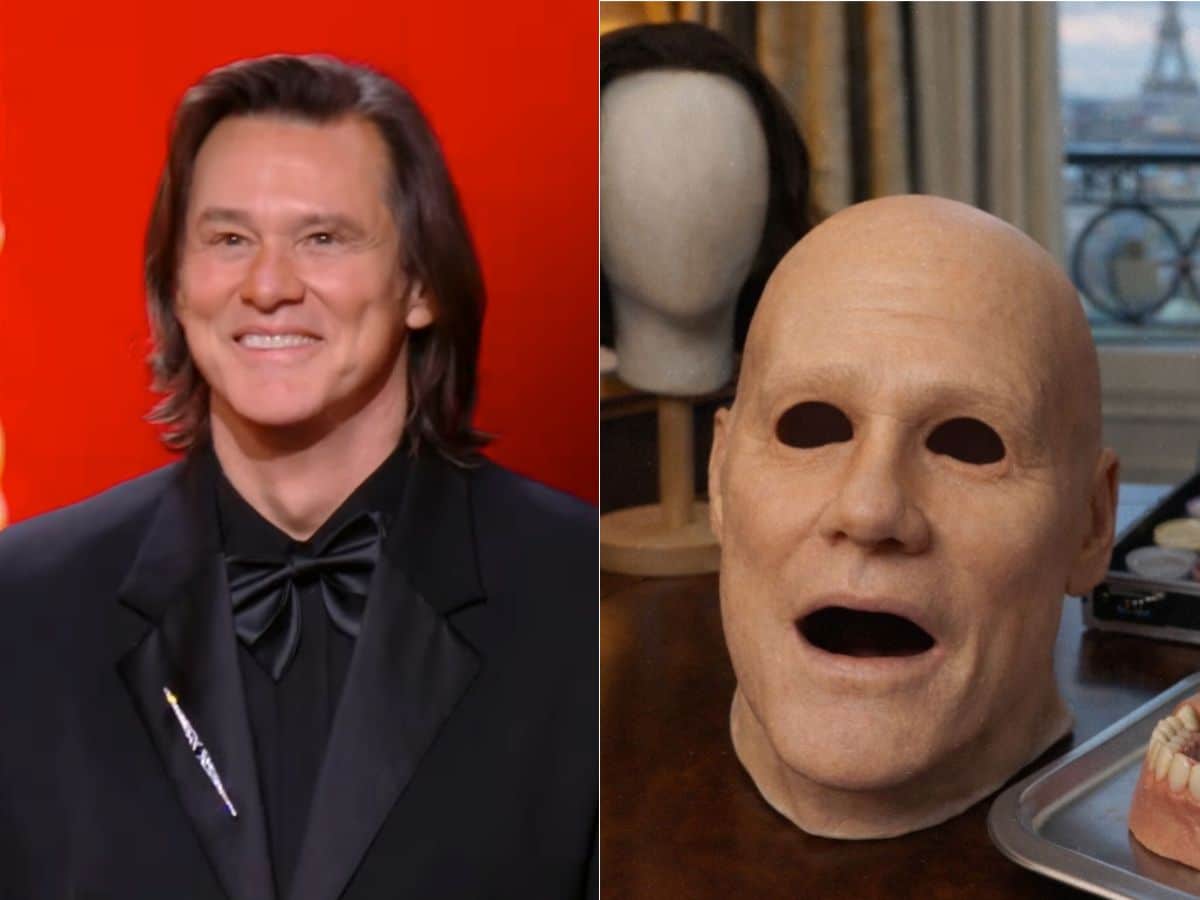
- The Alexis Stone Intervention (24–48 Hours): The theory reached a fever pitch when Alexis Stone, a renowned transformation artist famous for using hyper-realistic prosthetics to impersonate celebrities like Tilda Swinton and Mrs. Doubtfire, posted a cryptic image to Instagram. The post featured a silicone mask, a wig, and dental veneers alongside a photo of Carrey in Paris. Stone’s history of "crashing" events as a celebrity lookalike provided the "how" to the internet’s "who."
- Mainstream Saturation (48 Hours+): By the third day, the story had moved from niche conspiracy circles to mainstream news aggregators, forcing official representatives to address the claims.
The Psychology of Visual Disconnect
To understand why a significant portion of the internet was susceptible to the "clone" theory, researchers point to the psychological phenomenon of facial recognition and the "peak exposure" effect. Humans do not typically perceive the gradual aging of celebrities in real-time. Instead, public memory often "freezes" an individual at the height of their cultural saturation.
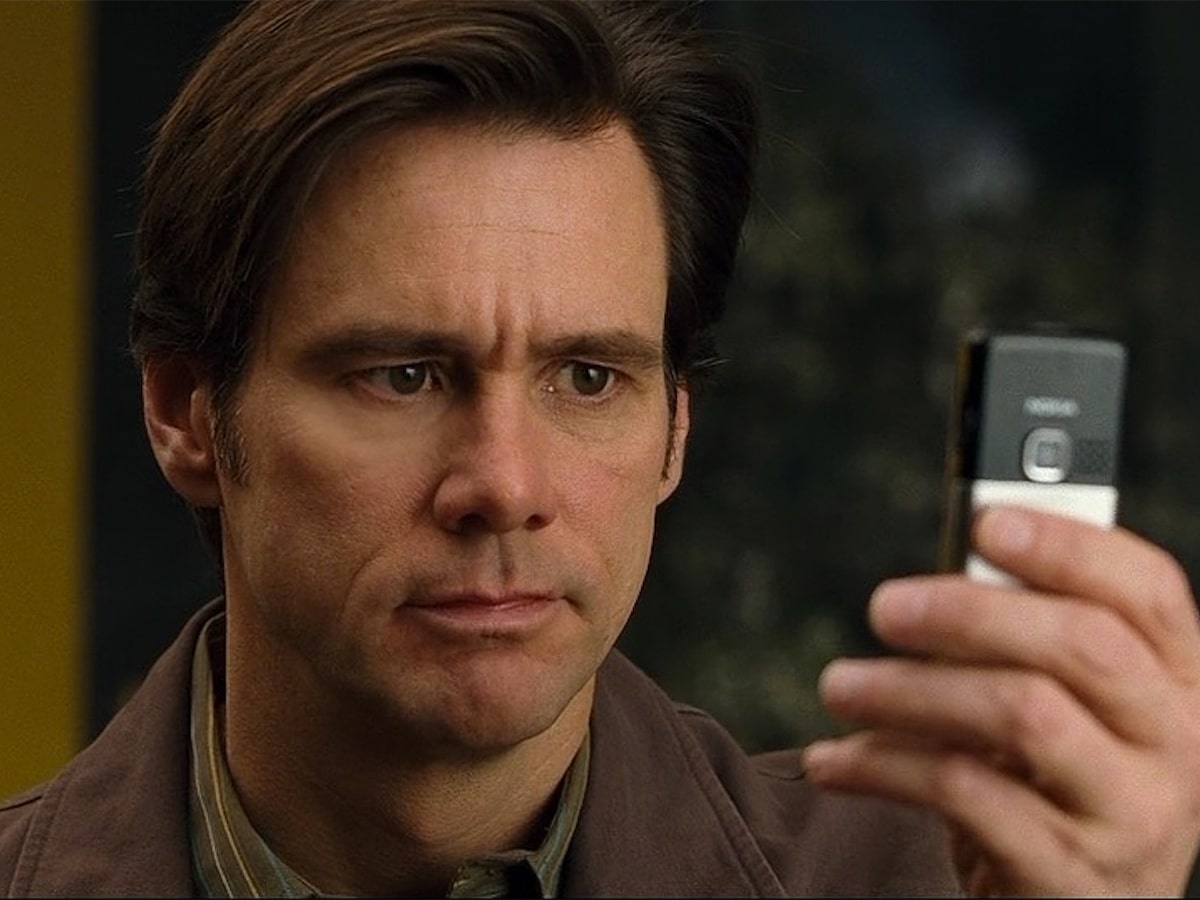
For many, the mental image of Jim Carrey is anchored to the "rubber-faced" elasticity of The Mask (1994) or the frantic energy of Ace Ventura. When a 64-year-old Carrey appears with the natural structural changes associated with aging—such as a thinning of the facial fat pads or a shift in skin elasticity—the brain registers a "mismatch" between the stored memory and the current visual input.

Furthermore, the "Uncanny Valley" effect plays a significant role in modern skepticism. In an era where deepfake technology and AI-generated imagery are becoming indistinguishable from reality, the public has developed a hyper-vigilant "suspicion reflex." When a face looks "almost" like the person we remember but differs in subtle ways, the modern mind is increasingly conditioned to suspect technological intervention rather than biological reality.
The Role of Confirmation Bias and Digital Artifacts
The proliferation of the theory was further aided by the technical limitations of digital photography. High-intensity camera flashes, wide-angle lenses used on red carpets, and the aggressive post-processing of social media algorithms can distort facial features. A shadow cast by a specific lighting rig can make a jawline appear different; a high-speed shutter can catch a mid-sentence expression that looks like a "glitch" in a prosthetic.
Once the "body double" hypothesis was established, confirmation bias took over. Social media users began scanning thousands of photos from the event specifically looking for "clues" that supported the theory while ignoring the vast majority of evidence—such as the actor’s unique vocal cadence, his specific mannerisms, and the presence of his immediate family—that confirmed his identity.
Official Responses and Fact-Checking
The Académie des Arts et Techniques du Cinéma, which organizes the César Awards, issued a brief statement confirming that the actor in attendance was indeed Jim Carrey. They noted that the appearance had been the result of months of logistical planning and that Carrey had spent considerable time backstage interacting with staff and fellow actors without a mask or disguise.
Carrey’s longtime publicist also addressed the rumors, dismissing them as "absurd" and confirming that the actor had traveled to Paris specifically for the honor. Despite these official denials, the Alexis Stone post remained a point of contention. Stone, who often uses her art to critique the nature of celebrity and the fragility of truth, did not immediately release a follow-up video, leaving the ambiguity to serve as a commentary on how easily the public can be swayed by a single suggestive image.
Broader Implications for the Information Age
The Jim Carrey incident in Paris is symptomatic of a broader cultural shift toward "verified skepticism." While questioning the authenticity of information is a vital skill in the digital age, the "clone" theory demonstrates how that skepticism can be weaponized against objective reality.
This event highlights several emerging challenges:
- The Death of the "Eye Witness": Even with hundreds of people in the room and dozens of cameras capturing the event from every angle, a significant portion of the public chose to believe a digital narrative over physical evidence.
- The Aging Crisis in Hollywood: The incident underscores the immense pressure on public figures to remain visually static. When celebrities age naturally, they are increasingly accused of being "imposters" or having undergone failed plastic surgery, further incentivizing the use of digital de-aging or heavy cosmetic intervention.
- The Burden of Proof: In the current media landscape, the burden of proof has shifted. It is no longer enough to simply "be" present; public figures must now provide a constant stream of "behind-the-scenes" content to prove their own existence.
Conclusion: The Persistent Shadow of the Double
As of late 2026, the furor surrounding Jim Carrey’s César Awards appearance has largely subsided, replaced by the next cycle of viral speculation. However, the event remains a definitive example of the "Post-Truth" era of celebrity culture. The reality—that an aging actor attended a prestigious ceremony to receive an award for his life’s work—was, for a brief moment, less compelling than a science-fiction narrative of clones and masks.
The "Paris Incident" serves as a reminder that in a world of deepfakes and digital manipulation, the truth is no longer self-evident. It requires active defense. For Jim Carrey, a man who built a career on the malleability of his own face, the irony of being accused of wearing a mask of himself is perhaps the ultimate "Carrey-esque" performance—one that he didn’t even have to script. The actor has since returned to his quiet life, leaving the internet to grapple with the realization that sometimes, what you see is actually what you get, even if it doesn’t match the version you’ve kept in your head.



 Yuyun Lusiyani
 Joko Widodo
 Jia Lissa
 Pevita Pearce
 admin
admin
