
 admin
admin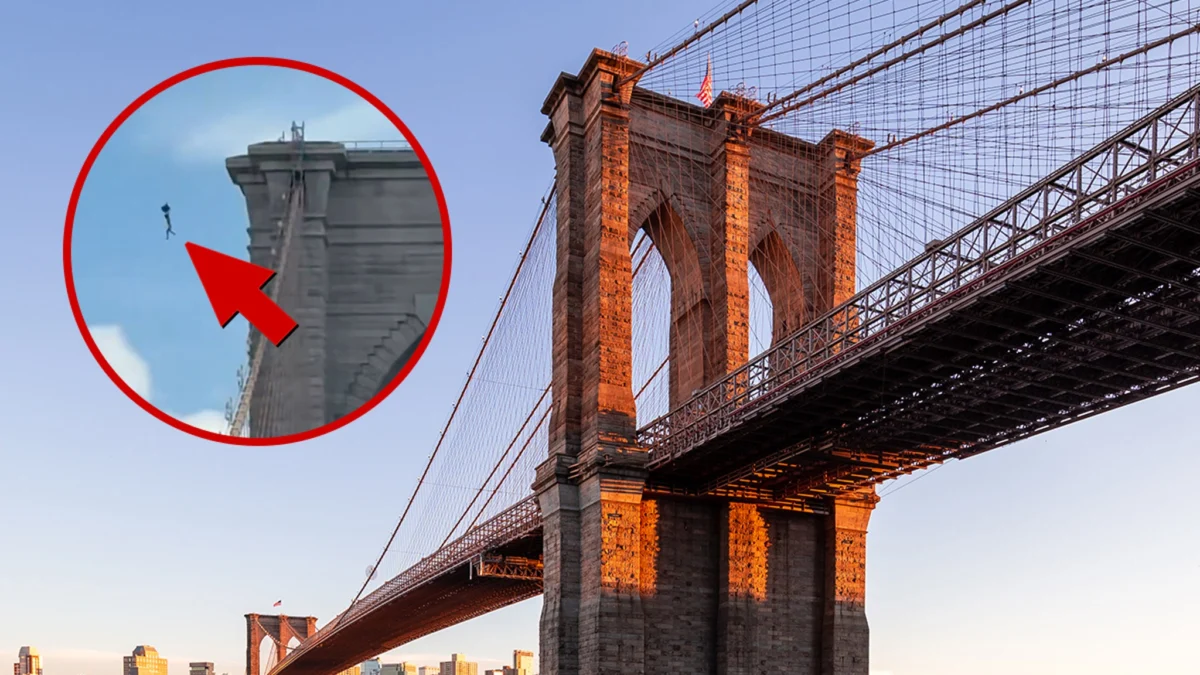
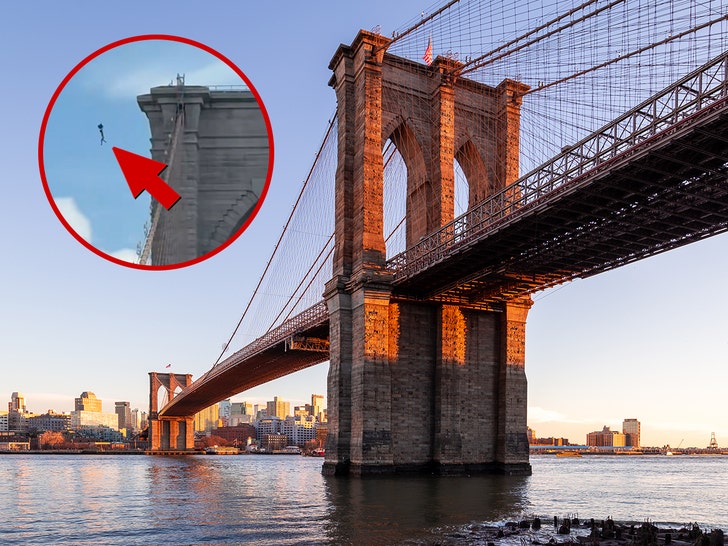
New York City witnessed a breathtaking and highly unusual incident on Sunday, August 2, 2026, when a 44-year-old man, completely nude, scaled the iconic Brooklyn Bridge, affixed a Kazakhstan flag to its north tower, and then plunged into the turbulent East River below. Miraculously, despite the extreme height of his jump and the inherent dangers of the river, the individual survived the harrowing fall and was successfully rescued by emergency services, subsequently transported to a local hospital for psychiatric evaluation. The entire dramatic sequence of events was captured on video by stunned onlookers, quickly going viral across social media platforms.
A Sunday Morning Spectacle Turns Crisis
The day began like any other summer Sunday in New York, with tourists and locals enjoying the city’s landmarks. However, the tranquil morning was shattered around 1:00 AM PDT (which would be 4:00 AM EDT in NYC, suggesting the original article’s time reference is likely PDT for publication, not the event itself, or a very early morning event), when reports began to filter in about a man seen climbing the structural cables of the Brooklyn Bridge’s north tower. Eyewitnesses described a scene of growing alarm as the individual steadily ascended the intricate lattice of the bridge, a structure not designed for human traversal beyond its designated pedestrian walkways.
As the man reached a significant height on the north tower, estimated to be well over 200 feet above the water, he reportedly removed all of his clothing. In a bizarre twist, he then proceeded to attach a flag, identified by law enforcement sources as belonging to Kazakhstan, to the bridge’s superstructure. This act immediately sparked questions about the man’s motives, ranging from a protest to a publicity stunt, or a severe mental health crisis. The presence of the flag added a layer of international intrigue to an already perplexing situation.
Emergency calls flooded 911 dispatch centers, prompting a rapid and comprehensive response from the New York City Police Department (NYPD). Units from the Emergency Service Unit (ESU), renowned for their specialized training in high-angle rescue and crisis negotiation, were swiftly dispatched to the scene. Officers began the arduous climb up the tower, navigating the perilous pathways to reach the man and attempt to de-escalate the situation. Their primary objective was to talk him down safely, preventing any self-harm or further public disruption.
The Perilous Plunge and Miraculous Survival
For a tense period, negotiators from the ESU engaged with the individual, attempting to establish rapport and convince him to descend. The discussions, however, proved unsuccessful. Despite the officers’ efforts, the man, after what authorities described as a brief interaction, abruptly leaped from the tower. The fall, from a height of approximately 276 feet (84 meters) above the East River, is notoriously dangerous. The impact with water from such an elevation can be akin to hitting concrete, often resulting in severe internal injuries or instant death due to hydro-static shock.
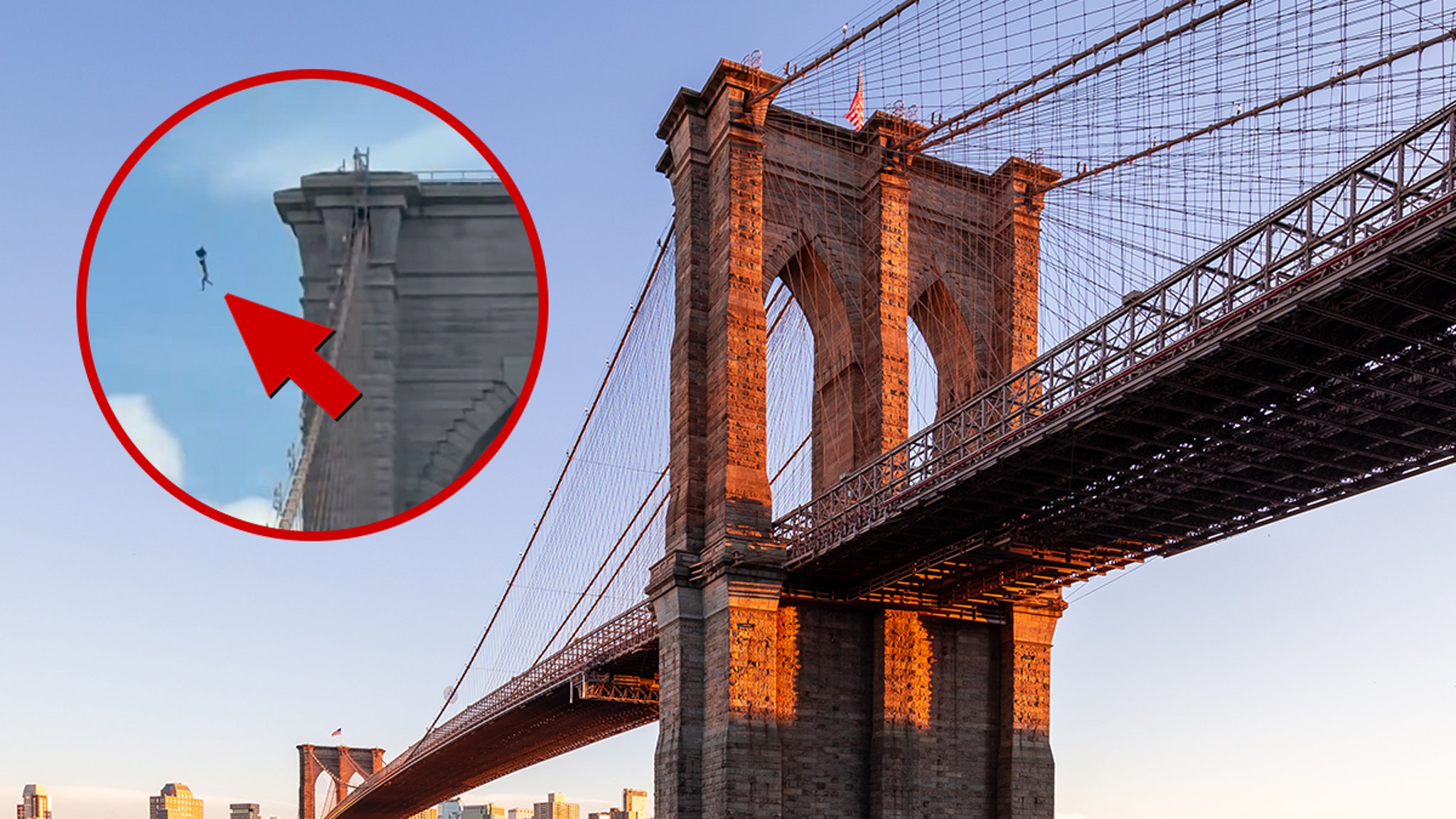
The East River itself presents a myriad of hazards. While technically a tidal strait rather than a true river, its currents are notoriously strong and unpredictable, particularly during tide changes. The water in early August, while warmer than in winter months, is still a significant thermal shock to the human body, potentially leading to hypothermia and disorientation. Furthermore, the riverbed and water contain various debris, posing additional risks to anyone entering it unexpectedly. The fact that the man survived the impact and remained conscious enough to be rescued is considered nothing short of miraculous by first responders and medical professionals.
A Coordinated Emergency Response
As the man plunged, the NYPD’s Harbor Unit, which had already been positioned in the East River as a precautionary measure, sprang into immediate action. Their vessels, designed for rapid water rescue, swiftly navigated to the point of impact. Within minutes of hitting the water, the man was located and pulled from the river by the highly trained officers of the Harbor Unit.
Upon retrieval, initial assessments indicated that the man had not sustained any immediately apparent physical injuries, a testament to sheer luck and perhaps the way he entered the water. However, the psychological trauma of the event, coupled with the highly erratic behavior displayed, necessitated immediate medical attention. He was transported by ambulance to a nearby hospital, where he was admitted for a comprehensive psychiatric evaluation. This crucial step aims to assess his mental state, determine the underlying causes of his actions, and ensure he receives appropriate care and support.
The Brooklyn Bridge: An Icon Under Scrutiny
The Brooklyn Bridge, an engineering marvel completed in 1883, stands as one of New York City’s most recognizable landmarks. Connecting Manhattan and Brooklyn, it carries millions of commuters, pedestrians, and cyclists annually. Its open design and accessible pedestrian walkways, while contributing to its charm, also present ongoing security challenges.
Incidents involving individuals attempting to climb or jump from the bridge are not uncommon, though successful suicides or deliberate leaps of this nature are less frequent, often due to the swift intervention of authorities. Historically, the bridge has been a site for both genuine cries for help and dangerous stunts. Each incident, regardless of outcome, reignites discussions about bridge security, the balance between accessibility and safety, and the broader issue of mental health crises playing out in public spaces. Authorities continuously review and update security protocols, deploying patrols, surveillance cameras, and various deterrents to prevent such occurrences. However, completely sealing off such a vast and open structure without impeding public access remains a complex logistical challenge.
Legal Ramifications and Public Order
The actions of the 44-year-old man are now under review by the NYPD to determine if criminal charges will be filed. Several potential offenses could be considered. Trespassing on a restricted public structure like the Brooklyn Bridge is a clear violation, carrying fines and potential jail time. Public lewdness, due to his complete nudity in a public space, is another likely charge. Additionally, reckless endangerment, given the immense risk his actions posed to himself and potentially to emergency responders, could also be considered. The act of affixing a foreign flag to a national landmark could also raise questions, though it is less likely to be a primary criminal charge unless it involved property damage or was part of a broader malicious intent.
The incident also highlights the broader issue of public order and the challenges faced by law enforcement in managing spontaneous, high-risk events. The rapid deployment of multiple specialized units, the coordination between land and water-based operations, and the priority placed on preserving life underscore the professionalism of New York City’s emergency services.
The Role of Social Media and Public Witness
The immediate dissemination of video footage across platforms like Twitter and Instagram played a significant role in how the public perceived and reacted to this event. Stunned onlookers, many equipped with smartphones, documented the entire ordeal from various vantage points. While these videos provided critical visual evidence for authorities and brought the gravity of the situation to a wider audience, they also raise ethical questions about the role of citizen journalism in documenting crisis situations. The rapid virality of such content can sometimes overshadow the serious underlying issues, such as mental health, and turn a genuine cry for help into a spectacle.
Broader Implications: Mental Health and Public Safety
Beyond the immediate drama and the individual’s legal fate, this incident serves as a stark reminder of the pervasive challenges related to mental health crises. The man’s erratic behavior, the self-endangerment, and the public nature of his actions are often indicators of severe distress. Mental health experts consistently emphasize the importance of early intervention, accessible support systems, and destigmatizing conversations around mental illness. Incidents like these underscore the need for robust crisis intervention programs and greater public awareness of resources available to individuals experiencing severe psychological distress.
City officials, while commending the swift and successful rescue operation, are likely to re-evaluate existing protocols for dealing with similar incidents on major infrastructure. The potential for copycat incidents, the strain on emergency resources, and the psychological impact on witnesses are all considerations that weigh on public safety and urban management strategies.
In conclusion, the extraordinary event on the Brooklyn Bridge, culminating in a miraculous rescue, encapsulates a confluence of factors: the vulnerability of iconic landmarks, the bravery and coordination of emergency services, the power of social media, and the ever-present, critical need for mental health support. As the police investigation continues and the individual receives care, the city will undoubtedly reflect on the lessons learned from this dramatic Sunday morning spectacle.




 Yuyun Lusiyani
 Joko Widodo
 Eva Lovia
 Pevita Pearce

 Lina Irawan