
 Jia Lissa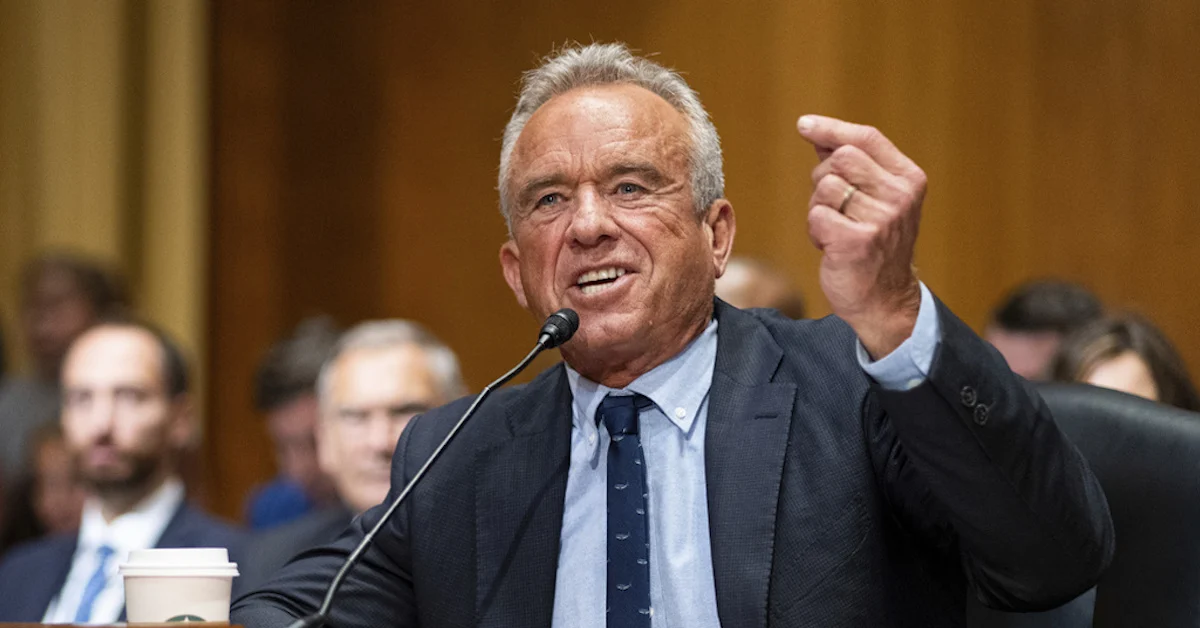
Robert F. Kennedy, the Secretary of Health and Human Services (HHS), is facing renewed public and media scrutiny following the emergence of another anecdote involving his unconventional interactions with dead animals. The latest revelation, documented in a new biography titled RFK Jr.: The Fall and Rise by veteran journalist Isabel Vincent, adds to a growing compendium of stories that have come to define the public persona of the nation’s top health official. This series of incidents, spanning several decades, has raised questions regarding the Secretary’s judgment and the potential public health implications of his lifelong hobby of collecting roadkill and animal specimens.
The most recent account involves an incident on Interstate 684, where Kennedy describes stopping his vehicle to perform a rudimentary dissection on a deceased raccoon. According to the biography, Kennedy recalled the moment as he reflected on his family dynamics, specifically his relationships with his brother, Douglas Kennedy, and his cousin, Bobby Shriver. "I was standing in front of my parked car on I-684 cutting the penis out of a road killed raccoon, thinking about how weird some of my family members have turned out to be," Kennedy is quoted as saying in the book. He further explained that his children "waited patiently in the car" while he harvested the organ to "study them later."
A Pattern of Unconventional Animal Interactions
The raccoon anecdote is the latest in a string of revelations that have surfaced over the past year, many of which Kennedy has addressed personally. These stories have shifted from being peripheral campaign curiosities to matters of public record for a high-ranking Cabinet official.
In August 2024, Kennedy pre-empted a profile in The New Yorker by releasing a video on social media admitting to a decade-old mystery in New York City. In 2014, a dead bear cub was found in Central Park, staged with an old bicycle, leading to a minor media frenzy and a police investigation. Kennedy admitted that he had found the bear cub after it was struck by a motorist in upstate New York. He initially intended to skin the bear for its meat but, after a late dinner in the city, realized he could not take the carcass to the airport. He and his companions subsequently decided to leave the bear in Central Park as a prank.
Beyond the bear and raccoon incidents, Kennedy has previously faced federal scrutiny for his interaction with marine life. In 1994, he reportedly used a chainsaw to decapitate a dead whale that had washed ashore near the Kennedy family compound in Hyannis Port, Massachusetts. His daughter, Kick Kennedy, recounted the event in a 2012 interview, describing how her father strapped the whale’s head to the roof of their minivan for a five-hour drive to New York. This incident prompted an investigation by the National Oceanic and Atmospheric Administration (NOAA) for potential violations of the Marine Mammal Protection Act, though the probe was eventually closed without charges in late 2024.
Chronology of Documented Animal Incidents
The timeline of Kennedy’s interactions with animal remains suggests a lifelong practice rather than isolated events.
- 1994: Kennedy allegedly removes the head of a dead whale in Massachusetts, leading to a long-delayed federal inquiry into the transport of protected marine species.
- 2014: Kennedy retrieves a dead bear cub in the Hudson Valley, transports it to Manhattan, and eventually stages a "bicycle accident" scene in Central Park.
- Undated (I-684 Incident): Kennedy stops on a New York highway to collect a raccoon specimen while traveling with his children.
- August 2024: During his presidential campaign, Kennedy publicly admits to the Central Park bear incident to mitigate the impact of an upcoming investigative report.
- September 2024: Kennedy confirms to reporters that he maintains a "freezer full" of roadkill, asserting that he has been collecting deceased animals for study and consumption throughout his life.
- 2025-2026: As HHS Secretary, Kennedy’s past behaviors are re-examined through the lens of Isabel Vincent’s biography and official vetting processes.
Scientific Context and Public Health Considerations
While Kennedy has framed these actions as a form of scientific curiosity or "citizen science," public health experts have noted the risks associated with the handling of wildlife carcasses. The Department of Health and Human Services, which Kennedy now leads, oversees the Centers for Disease Control and Prevention (CDC), an agency that frequently issues warnings about zoonotic diseases—illnesses that can spread from animals to humans.
Raccoons, in particular, are known carriers of rabies, Baylisascaris procyonis (raccoon roundworm), and leptospirosis. The CDC explicitly advises against the handling of roadkill due to the risk of infection through contact with saliva, blood, or nervous system tissue. Furthermore, the staging of a bear cub in a public park and the transport of a whale head across state lines involve significant biohazard risks, as decomposing tissue can harbor a variety of pathogens.

Kennedy’s admission that he keeps a "freezer full" of roadkill also raises questions about food safety and domestic hygiene. While "salvage laws" in various states allow for the collection of roadkill for consumption or taxidermy, these laws typically require permits and strict adherence to safety protocols to prevent the spread of disease.
Political and Institutional Implications
The recurring nature of these stories has created a unique challenge for the administration. Kennedy’s role as HHS Secretary places him at the helm of the nation’s health policy, including pandemic preparedness and food safety regulations. Critics argue that his history of handling wildlife carcasses without professional oversight or protective equipment undermines the credibility of the health guidelines issued by his department.
"The Secretary of Health and Human Services is the primary voice for public health in the United States," said a former official from the Food and Drug Administration (FDA) who requested anonymity. "When that individual has a documented history of engaging in behaviors that the CDC specifically warns the public against, it creates a messaging vacuum that can be difficult to fill."
However, supporters of the Secretary view these anecdotes as evidence of his authenticity and his rejection of conventional political polish. They argue that his interest in the natural world, however eccentric, does not detract from his stated mission to "Make America Healthy Again" by addressing chronic disease and industrial food additives. Kennedy himself has often dismissed the criticism, characterizing his detractors as being disconnected from the realities of the natural world and the traditions of outdoorsmen.
Official Responses and Legal Frameworks
The Department of Health and Human Services has not issued a formal statement regarding the specific claims made in Isabel Vincent’s book. Kennedy’s representatives have previously maintained that his actions were either youthful indiscretions or the result of a deep-seated interest in biology and taxidermy.
From a legal standpoint, the incidents touch upon several federal and state statutes:
- The Marine Mammal Protection Act (MMPA): This federal law prohibits the "taking" or possession of any part of a marine mammal without a permit. While the investigation into the whale incident was dropped, it highlighted the legal complexities of Kennedy’s hobby.
- State Wildlife Salvage Laws: In New York, where many of these incidents occurred, the Department of Environmental Conservation (DEC) requires individuals to report the collection of certain roadkill species to ensure they were not taken through illegal hunting.
- Public Nuisance and Health Codes: The staging of the bear cub in Central Park potentially violated local ordinances regarding the disposal of animal remains in public spaces.
Broader Impact on the HHS Mandate
As Kennedy continues his tenure as HHS Secretary, the focus remains on how his personal history will intersect with his professional responsibilities. The department is currently navigating several high-stakes initiatives, including the re-evaluation of nutritional guidelines and the streamlining of the drug approval process.
The narrative of the "roadkill collector" has become an inextricable part of Kennedy’s political identity. For his critics, it serves as a metaphor for what they perceive as a lack of scientific rigor. For his proponents, it is a sign of a man who is unafraid to get his hands dirty in the pursuit of his interests. Regardless of the interpretation, the continued emergence of such stories ensures that Kennedy’s personal life will remain a focal point of his public service, potentially overshadowing the policy objectives of the Department of Health and Human Services.
The release of RFK Jr.: The Fall and Rise ensures that these discussions will continue as the public and the medical community weigh the Secretary’s unconventional past against his current role as the steward of American public health. In a political landscape increasingly defined by personality and non-traditional backgrounds, Robert F. Kennedy’s history with the natural world remains one of the most distinctive and debated chapters of his career.


 Yuyun Lusiyani
 Joko Widodo
 Eva Lovia
 Pevita Pearce
 admin
admin
 Lina Irawan