
 admin
admin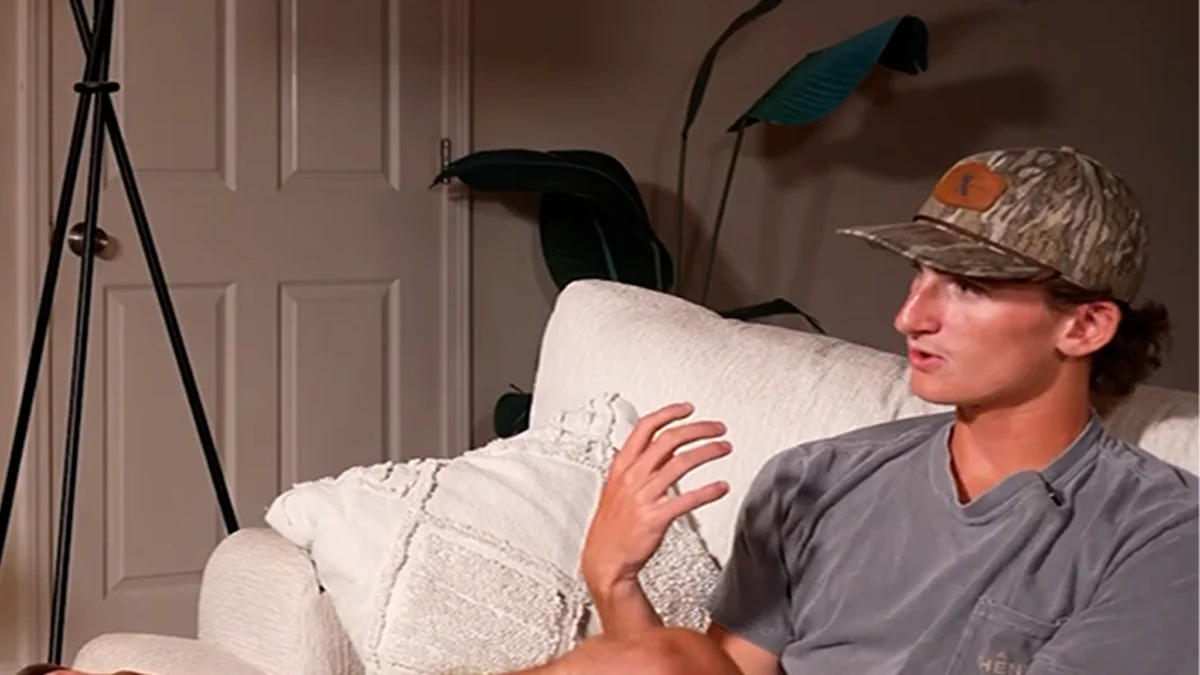
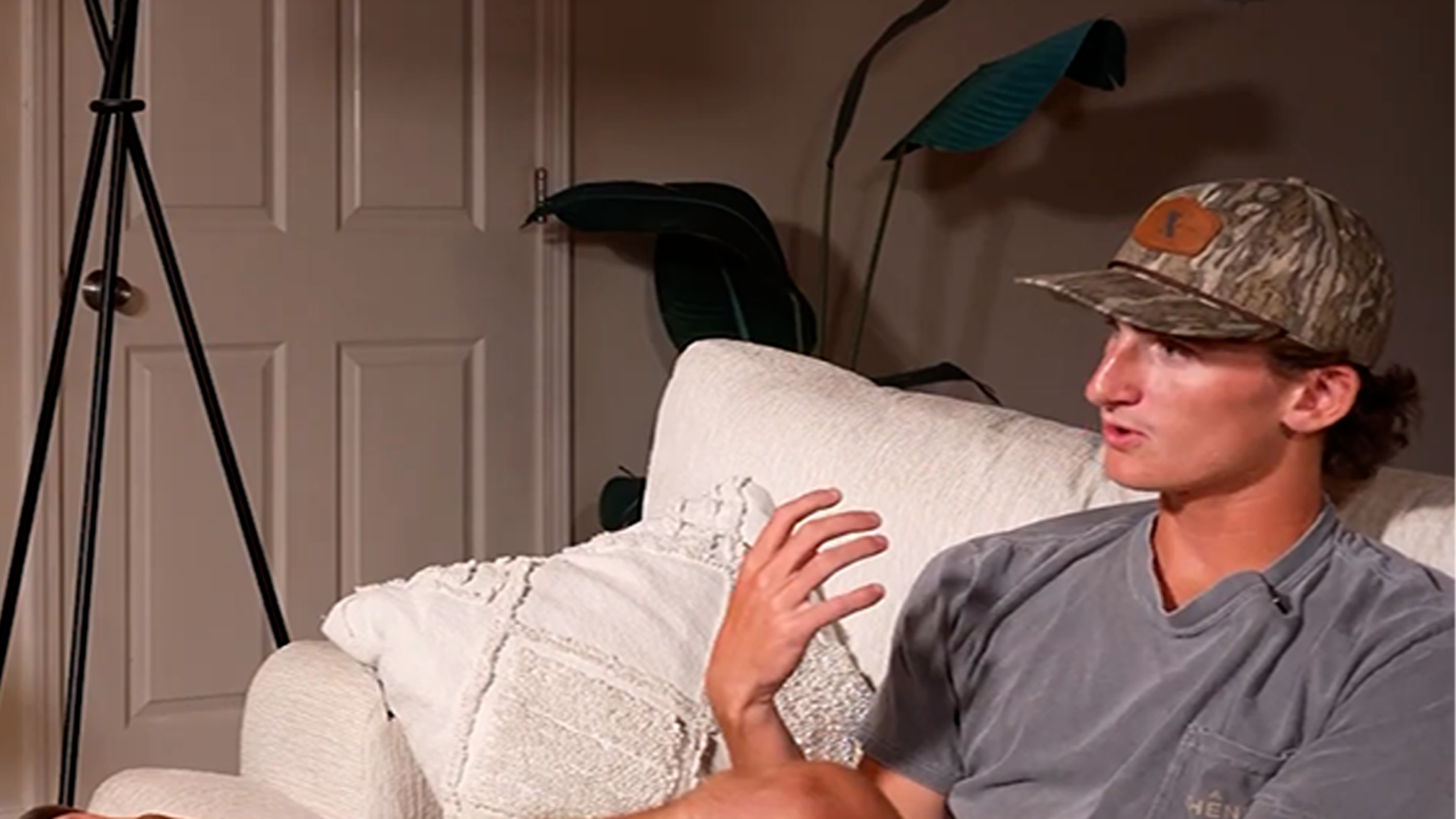
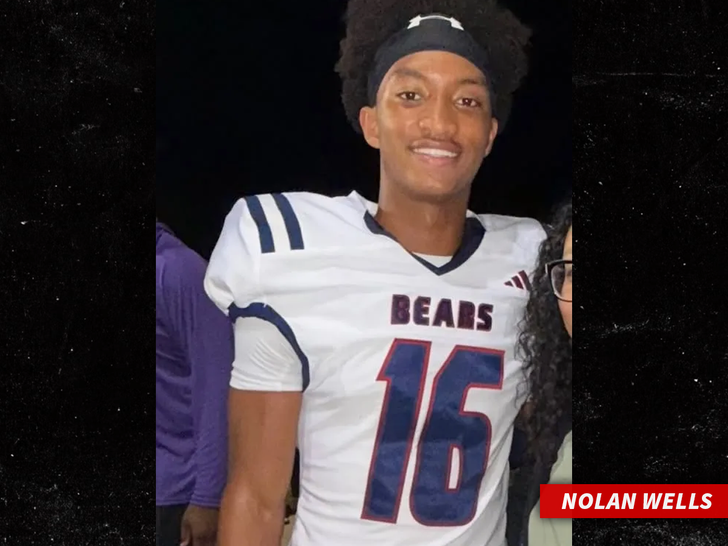
In a candid and revealing interview, Warren Hudson, the best friend of the late Nolan Wells, has shed new light on the critical hours following Wells’ disappearance, disclosing that he initially believed Wells had simply succumbed to intoxication and passed out on a friend’s couch. This seemingly innocuous assumption, shared by others in their circle, offers a poignant glimpse into the early moments of a tragedy that has since spiraled into a complex and highly scrutinized case, marked by official findings challenged by Wells’ family and their prominent legal counsel.
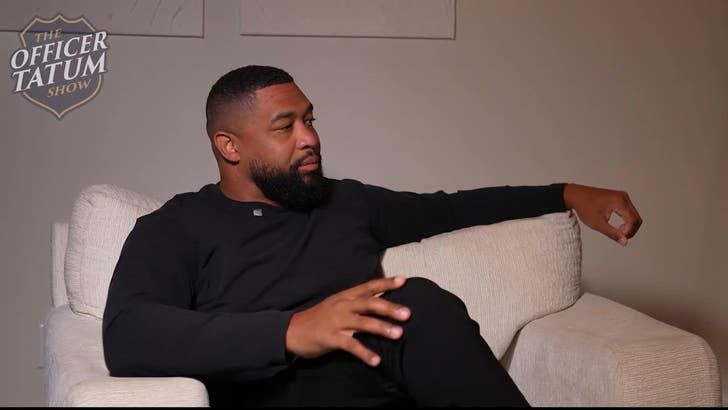
The interview, conducted on "The Officer Tatum Show," provided a detailed chronology of events from Hudson’s perspective, painting a picture of a group of friends grappling with uncertainty that quickly escalated into widespread panic. Hudson’s account serves as a stark reminder of how quickly a casual assumption can be shattered by a devastating reality, particularly in cases involving missing persons under ambiguous circumstances.
Initial Dismissal Amidst Growing Panic
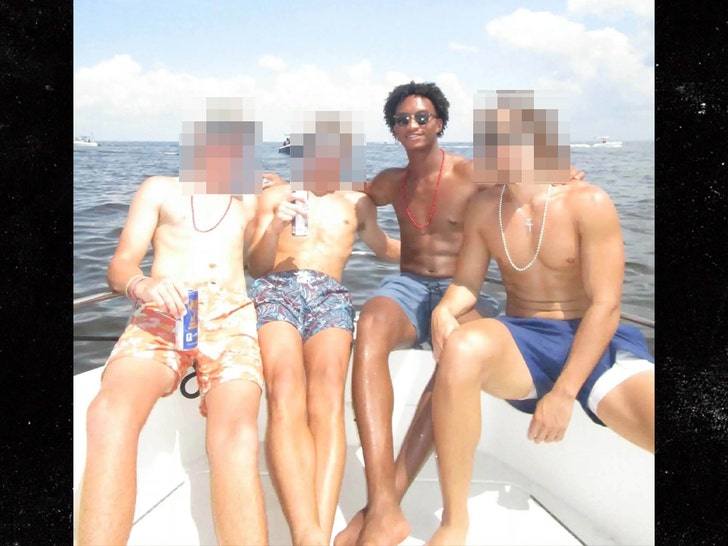
The timeline of Nolan Wells’ disappearance began on July 4, 2026, after a group of friends, including Hudson, had returned from Horn Island, a popular recreational spot known for its natural beauty and opportunities for camping and leisure. Wells, however, reportedly chose to remain on the island, having become intoxicated. This detail, according to Hudson, was central to his initial calm amidst the burgeoning concern of others.
The first hint of trouble, as recalled by Hudson, came around 12:30 AM on July 5. A mutual friend, who had also returned from Horn Island, received an "agitated" phone call. The specifics of this call were not fully detailed by Hudson, but its nature was clearly alarming enough to trigger a chain reaction among Wells’ wider acquaintance network.
Just 30 minutes later, around 1:00 AM, the gravity of the situation became undeniably apparent when a group of approximately ten people burst into the house where Hudson and others were staying. Their frantic demeanor and evident distress made it clear that Wells’ absence was causing significant alarm. Hudson described the group as "clearly freaking out" after their inability to reach or locate Nolan.
Amidst this rising tension, Hudson recounted stepping outside with a high school acquaintance who was part of the agitated group. It was during this conversation that the comforting, yet ultimately false, theory took root. According to Hudson, this individual suggested that Nolan had "probably just crashed on someone’s couch," a sentiment with which Hudson readily agreed. His reasoning was simple and common: given Nolan’s level of intoxication, it seemed plausible he was merely sleeping it off somewhere, perhaps at another friend’s residence or a temporary lodging on the island. This shared assumption, while understandable in the context of young adults socializing, highlights a critical juncture where initial concern might have been tempered, potentially delaying a more urgent search.
A Fateful Trip to Horn Island: Background Context
To fully grasp the implications of Hudson’s initial reaction, it’s essential to understand the context of Nolan Wells’ final known hours. Horn Island, part of the Gulf Islands National Seashore off the coast of Mississippi, is a remote barrier island accessible primarily by private boat or ferry. It’s a popular destination for campers, fishermen, and day-trippers seeking a rustic outdoor experience. The island lacks permanent residents or extensive infrastructure, meaning that anyone remaining there overnight would typically be camping or staying on a private vessel. The isolated nature of the island significantly complicates search and rescue operations, especially during the nighttime hours.
Nolan Wells, a young man whose life was tragically cut short, was reportedly enjoying time with friends on this island. The detail that his friends "begged Nolan to leave Horn Island with them" but he refused, as revealed by Hudson in the same interview, adds another layer of tragic foreboding to the narrative. This refusal, coupled with his reported intoxication, placed Wells in a vulnerable position in an already isolated environment. The decision to stay behind, perhaps driven by the carefree spirit of youth or the effects of alcohol, set the stage for the subsequent desperate search.
The typical challenges of searching a remote, natural environment like Horn Island involve dense vegetation, variable terrain, and the vastness of the surrounding waters. Any delay in initiating a full-scale search, even by a few hours, could have significant consequences, especially if an individual is disoriented, injured, or exposed to the elements.
The Disappearance and the Desperate Search
Despite the initial dismissals by Hudson and his acquaintance, the broader group’s concern continued to mount. Hudson noted that one member of the group, described as a "mom," specifically asked for Nolan’s phone, an indication that they were attempting to track his whereabouts or make direct contact. This request underscores the growing anxiety and the shift from casual speculation to active efforts to locate Wells. In today’s interconnected world, a mobile phone is often the first and most critical tool in locating a missing person, offering potential GPS data, call logs, and a direct line of communication.
As the hours turned into days, the casual assumption of a "passed out" individual gave way to grim reality. Nolan Wells’ body was discovered two days after he went missing, on July 6, 2026. The news sent shockwaves through his community and beyond, transforming a missing person’s case into a death investigation. The initial official pronouncement by authorities was that Wells had drowned. This finding, while offering a preliminary explanation, did little to quell the mounting questions and suspicions surrounding the circumstances of his death.
Official Findings Versus Family’s Fight for Truth
The official determination of drowning quickly became a point of contention. Nolan Wells’ family, represented by renowned civil rights attorney Ben Crump, vehemently disagreed with the official narrative. Crump, known for his work on high-profile cases involving suspicious deaths and police accountability, announced that an independent autopsy had been conducted. This move signaled a profound distrust in the initial findings and a determined effort by the family to uncover what they believe to be the true circumstances of Nolan’s death.
Ben Crump’s involvement immediately elevated the case’s profile, drawing national attention and placing increased scrutiny on the local authorities’ investigation. The discrepancy between the official drowning verdict and the family’s insistence on an alternative explanation, potentially foul play, has created a deeply divided narrative. The family’s legal team has reportedly highlighted various inconsistencies or unanswered questions from the initial investigation, pushing for a more thorough and transparent process. This often involves scrutinizing evidence collection, witness statements, and the methodologies employed in the initial autopsy.
The implications of such a dispute are far-reaching. For the family, it means prolonged grief and a relentless pursuit of justice, often against significant institutional hurdles. For law enforcement, it necessitates a careful re-examination of procedures and findings, especially when challenged by high-profile legal representation. Public opinion, often swayed by compelling narratives and calls for justice, also plays a role, exerting pressure on authorities to provide definitive and satisfactory answers.
Warren Hudson’s Continued Revelations
Warren Hudson’s interview with Brandon Tatum was not limited to his initial assumptions about Nolan’s disappearance. It also delved into other significant aspects of the aftermath, painting a picture of a friend deeply affected by the tragedy and the subsequent public scrutiny.
Perhaps one of the most striking revelations was Hudson’s admission that he did not attend Nolan’s funeral due to receiving death threats. This detail underscores the intense emotional and potentially dangerous climate surrounding the case. In an era dominated by social media, individuals associated with high-profile tragedies can become targets of public anger, speculation, and even malicious threats, regardless of their actual involvement. Hudson’s decision to forgo the funeral, a deeply personal act of mourning, speaks volumes about the level of intimidation and fear he experienced. Such threats can severely impede the ability of witnesses or close associates to come forward with information or participate openly in investigations, fearing for their own safety.
Furthermore, Hudson reiterated the heartbreaking detail that he and his friends had "begged Nolan to leave Horn Island" with them. This statement adds a layer of "what if" to the tragedy, highlighting the friends’ concern for Nolan’s well-being and their unsuccessful attempts to persuade him to return to safety. It also places a heavy emotional burden on Hudson and the others who were present, grappling with the knowledge that their pleas went unheeded. This type of survivor’s guilt is a common psychological response in tragic events, where individuals are left to ponder alternative outcomes.
The Lingering Questions and Broader Implications
The Nolan Wells case, through Warren Hudson’s recent interview, continues to unravel as a complex tapestry of personal grief, official investigation, and public demand for transparency. The initial, understandable human tendency to assume a benign explanation for a friend’s absence – that he was merely "passed out on someone’s couch" – serves as a powerful testament to the unpredictability of tragedy. This seemingly minor detail at the outset contrasts sharply with the eventual grim discovery and the subsequent legal battle waged by Wells’ family.
The case brings to the forefront several broader implications for society and the justice system:
- Missing Persons Protocol: The initial hours following a disappearance are often the most crucial for successful search and rescue. Early assumptions, however well-intentioned, can inadvertently delay critical response efforts. This case may prompt further discussions on public awareness campaigns regarding the seriousness of missing persons reports, even when alcohol or seemingly minor circumstances are involved.
- The Impact of Social Media: The death threats against Warren Hudson highlight the darker side of public engagement in high-profile cases. The speed and anonymity of social media can fuel speculation, misinformation, and targeted harassment, complicating investigations and inflicting further trauma on those connected to the tragedy.
- Trust in Official Narratives: The Wells family’s vigorous challenge to the official drowning verdict, amplified by Ben Crump’s involvement, reflects a broader societal trend of questioning institutional findings, particularly in cases involving marginalized communities or ambiguous circumstances. This pursuit of independent verification underscores a desire for accountability and thoroughness that extends beyond initial reports.
- The Emotional Toll: Beyond the legal and investigative complexities, the human cost of such a tragedy is immense. Friends like Warren Hudson are left to grapple with guilt, fear, and the enduring pain of loss, compounded by public scrutiny and threats. The Wells family endures the profound grief of losing a loved one, while simultaneously fighting for what they believe is truth and justice.
As the independent autopsy results are further scrutinized and the legal processes unfold, the Nolan Wells case remains an open wound, a symbol of unanswered questions and the relentless pursuit of clarity in the face of tragedy. Warren Hudson’s testimony offers a crucial, albeit painful, piece of the puzzle, emphasizing the initial human reactions that often precede the full, devastating realization of loss. The world watches, waiting for definitive answers that might bring a measure of peace to a family and a community still reeling from an inexplicable death.


 Yuyun Lusiyani
 Joko Widodo
 Eva Lovia
 Pevita Pearce

 Lina Irawan