
 admin
admin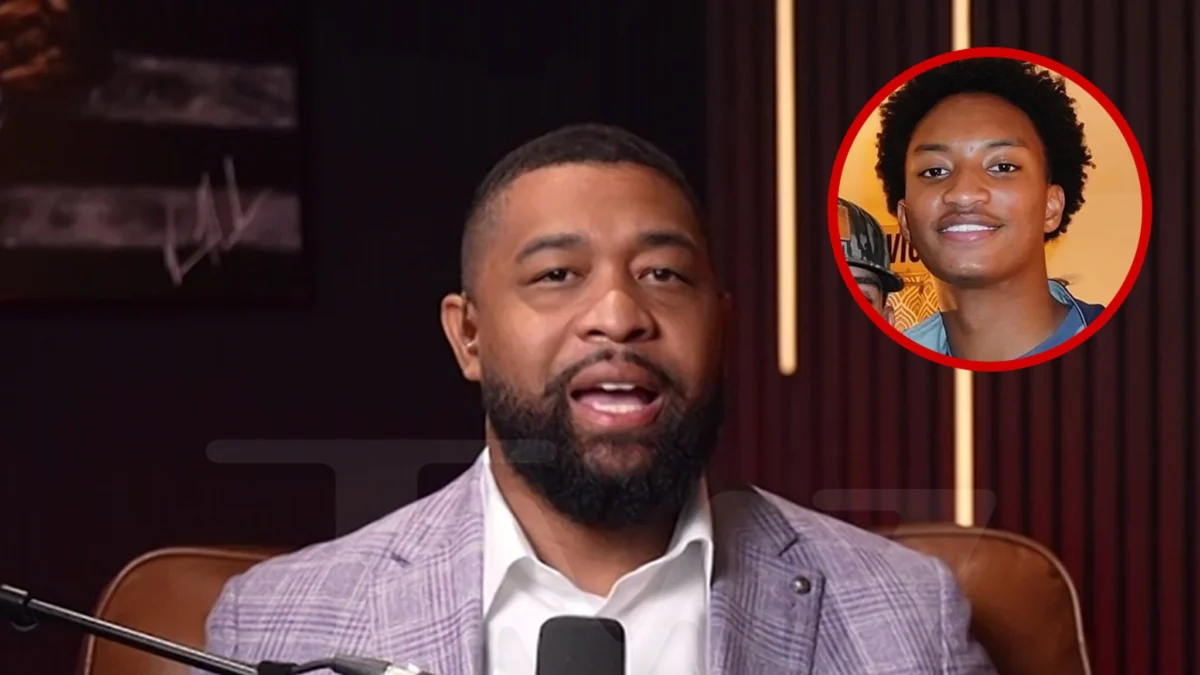
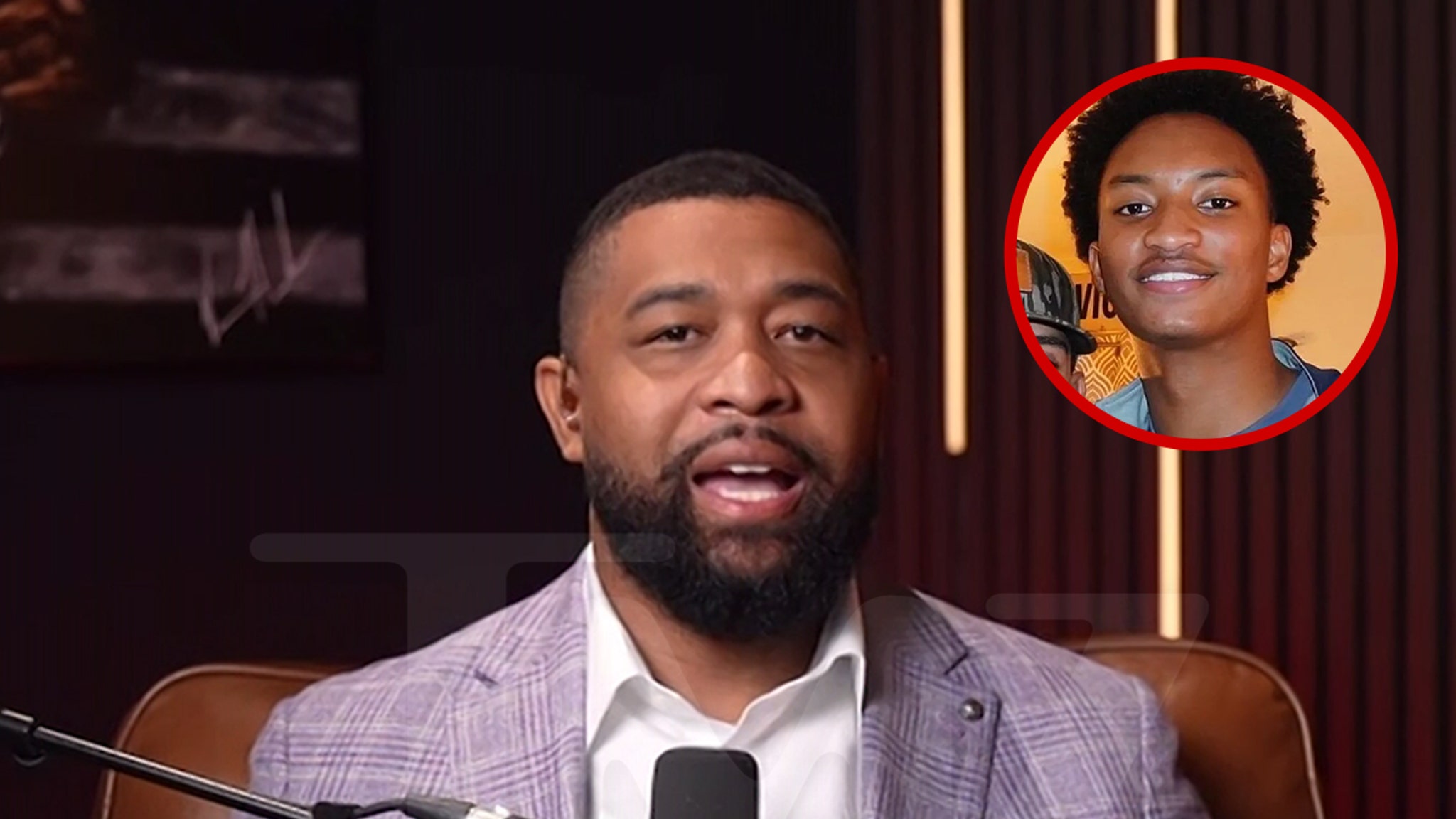
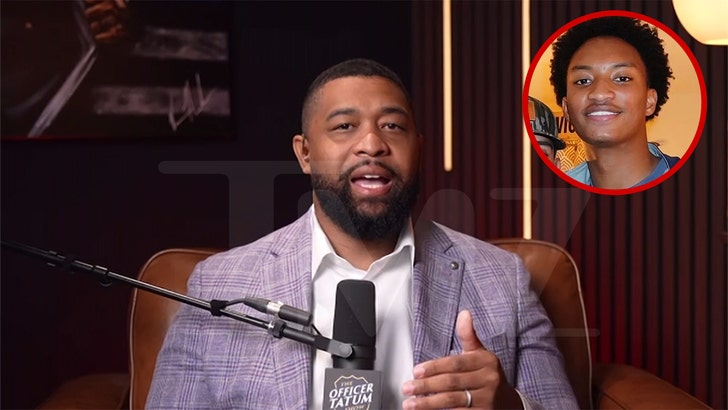
Journalist and commentator Brandon Tatum recently addressed a swirl of controversy surrounding his interview with Warren Hudson, a key figure in the investigation into the tragic death of Nolan Wells. Tatum firmly stated he had no prior relationship with Mississippi Chancery Court Judge Ashlee Cole or the Hudson family before they approached him, directly challenging claims that he was selected due to existing connections or a perceived political alignment favorable to Warren Hudson. The interview, conducted for "TMZ In the Know," aimed to provide Warren Hudson’s perspective on the events leading to Wells’ death, a case that has gripped public attention and sparked intense scrutiny.
The Interview and Allegations of Bias
Published on July 29, 2026, the segment featured Brandon Tatum, known for hosting "The Officer Tatum Show" and his conservative commentary, discussing the perplexing circumstances surrounding Nolan Wells’ demise. Central to the ensuing debate were allegations that Judge Ashlee Cole, Warren Hudson’s mother, deliberately sought out Tatum due to his conservative political leanings, presuming he would offer a "friendly platform" for her son’s narrative. Such accusations often arise in high-profile cases, where media selection can be interpreted as an attempt to control the narrative or secure favorable coverage.
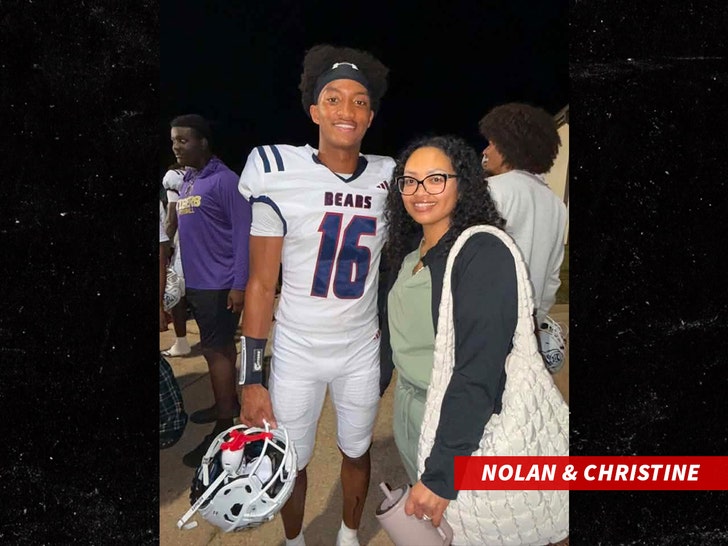
Tatum, however, vehemently denied these insinuations, asserting that his initial contact with Judge Cole marked their first interaction. He underscored that it is a natural human inclination for individuals facing public scrutiny, especially parents attempting to clarify a loved one’s story, to seek out platforms and personalities they believe will present their account fairly and accurately. To illustrate his point, Tatum drew a parallel to the actions of Nolan Wells’ mother, Christine Wonsley, who enlisted the prominent civil rights attorney Ben Crump to advocate for her family following her son’s untimely death. This comparison highlights the universal desire for trusted representation, whether legal or journalistic, during times of crisis.
The Tragic Timeline of Nolan Wells’ Death
The death of Nolan Wells has unfolded as a deeply distressing event, drawing significant public and media interest. The young man’s disappearance and the subsequent discovery of his body have left many questions unanswered, fueling speculation and calls for transparency.
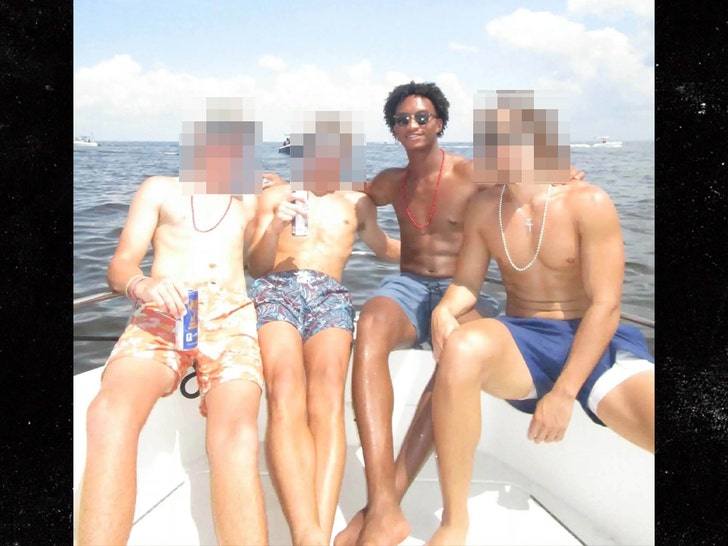
- Initial Disappearance: Reports first emerged of Nolan Wells’ disappearance after a trip to Horn Island. The exact date of his initial disappearance has been a point of focus for investigators, as it sets the stage for the timeline of subsequent events. Horn Island, a barrier island off the coast of Mississippi, is a popular spot for recreation but can also pose challenges, especially in unforeseen circumstances.
- Search Efforts: Following Wells’ disappearance, extensive search efforts were reportedly launched, involving local law enforcement, volunteer groups, and potentially federal agencies depending on the scope and jurisdiction. These efforts would have included aerial searches, marine patrols, and ground searches of the island’s terrain. The emotional toll on the family and community during this period of uncertainty would have been immense, characteristic of missing persons cases where every moment counts.
- Discovery of Body: Tragically, Nolan Wells’ body was later discovered. While the exact location and condition of the discovery have been closely guarded by investigators, this development shifted the case from a missing person inquiry to a death investigation, elevating its seriousness and complexity. The discovery naturally intensified public demand for answers regarding the cause and circumstances of his death.
- Autopsy and Initial Findings: An autopsy would have been conducted to determine the cause and manner of death. Initial findings, while often not immediately public, would guide the direction of the criminal investigation. Details such as the presence of injuries, signs of struggle, or environmental factors are critical in piecing together the narrative.
- Criminal Investigation: Local authorities, likely the sheriff’s department and state investigators, would have commenced a comprehensive criminal investigation. This would involve interviewing all individuals who were with Wells prior to his death, collecting forensic evidence, analyzing digital data (such as phone records), and meticulously reconstructing the events. The case’s sensitivity is heightened by the involvement of a judge’s family member.
The detailed timeline of these events is crucial for understanding the context in which Warren Hudson’s interview with Brandon Tatum took place, and why the public and media have such a keen interest in every aspect of the case.
Warren Hudson’s Account and Denials
Warren Hudson, identified as a close friend of Nolan Wells, became a focal point of public scrutiny and speculation following Wells’ death. In his interview with Brandon Tatum, Hudson provided his version of events, vehemently denying any involvement in Nolan’s death or any alleged tampering with the teen’s phone. These denials are significant as they directly address some of the most serious accusations circulating in public discourse and on social media platforms.
Hudson reportedly claimed that Nolan Wells had repeatedly refused pleas to leave Horn Island with his group before his disappearance. This detail is critical to Hudson’s narrative, suggesting that Wells’ decision to remain on the island was his own, potentially absolving Hudson and others in his group of direct responsibility for Wells being left behind. The dynamics of group outings, particularly involving young people, often involve spontaneous decisions and varying levels of risk assessment, which can become tragically consequential in retrospect.
Furthermore, allegations of phone tampering suggest a deliberate attempt to conceal or alter evidence, which would constitute a serious obstruction of justice. Hudson’s strong denial of these claims aims to clear his name amidst intense public pressure. The interview served as Hudson’s chosen avenue to directly confront these accusations, offering his perspective in a public forum facilitated by a media personality known for engaging with controversial topics.
The Role of Judge Ashlee Cole and Judicial Authority
Another contentious point addressed by Brandon Tatum was the perceived conflict of interest stemming from Judge Ashlee Cole’s position as a Mississippi Chancery Court Judge. Critics suggested that her judicial status might unduly influence the ongoing investigation or lend an unfair advantage to her son, Warren Hudson.
Tatum robustly pushed back against these claims, offering a crucial distinction regarding judicial authority. He argued that Judge Cole presides over family court matters, which typically involve divorces, child custody, guardianships, and mental health commitments. Her jurisdiction, Tatum clarified, does not extend to criminal investigations or proceedings. Therefore, according to Tatum, her role as a Chancery Court Judge would not grant her any direct authority or influence over a criminal probe into Nolan Wells’ death. This explanation is vital in demystifying the perceived conflict, emphasizing the separation of judicial powers within the legal system.
Moreover, Tatum suggested that if Judge Cole indeed possessed the kind of widespread influence critics implied, Warren Hudson would not find himself publicly accused of such a grave act, nor would he need to resort to a social media platform or interview to present his side of the story. The very act of seeking public vindication, Tatum argued, underscores the lack of direct judicial intervention or protection that some critics presumed. This analysis positions the family’s decision to engage with media as a response to perceived injustice or public vilification, rather than an exercise of undue influence.
Parallel Advocacy: The Wonsley-Crump Connection
In defending the Hudson family’s choice of media platform, Brandon Tatum drew a compelling parallel to Nolan Wells’ mother, Christine Wonsley, and her decision to retain attorney Ben Crump. This comparison is not merely rhetorical but serves to highlight a universal aspect of advocacy in high-stakes situations.
Ben Crump is a nationally recognized civil rights attorney, renowned for representing families in high-profile cases involving police brutality, civil rights violations, and wrongful deaths, particularly those impacting minority communities. His involvement often signals a family’s determination to ensure a thorough investigation, seek justice, and bring about systemic change. By choosing Crump, Wonsley demonstrated her desire for a powerful advocate who could navigate complex legal landscapes, challenge official narratives, and bring national attention to her son’s case.
Tatum’s argument implies that just as Wonsley sought a trusted and effective legal voice in Crump to champion her family’s cause, the Hudson family sought a trusted and effective media voice in Tatum to present their narrative. This perspective reframes the choice of media outlet or advocate not as an attempt to manipulate, but as a strategic decision made by individuals under du immense pressure, seeking the most effective means to be heard and understood in the court of public opinion. Both families, in their respective ways, are employing recognized figures in their fields to ensure their stories and perspectives are given due consideration.
Public Scrutiny and Media Ethics in High-Profile Cases
The Nolan Wells case, amplified by the involvement of a judge’s family and the tragic death of a young man, underscores the complexities of public scrutiny and media ethics. In an era dominated by social media, information—and misinformation—can spread rapidly, shaping public perception long before official facts are established.
The immediate aftermath of a tragedy often sees a rush to judgment, fueled by incomplete information, emotional responses, and existing biases. This environment places immense pressure on media outlets to report accurately, responsibly, and without bias. When a figure like Brandon Tatum, who has a well-known political stance, interviews a party involved in a sensitive investigation, questions of impartiality naturally arise. These questions are not necessarily accusations of malice but reflect a legitimate concern for journalistic integrity and the public’s right to unbiased information.
Tatum’s defense highlights the challenge for media personalities: how to cover a story where one party is known to them (even if not personally, then ideologically) without appearing to favor that party. His argument—that seeking a fair platform is a universal desire—speaks to the public’s own responsibility to critically evaluate information sources. The comparison to Ben Crump also subtly touches upon the idea that "advocacy journalism" or presenting a specific perspective is not inherently unethical, provided it is transparent and balanced by other viewpoints within the broader media landscape.
The implications for ongoing investigations are also significant. Public statements, especially from involved parties, can influence public opinion, potentially creating challenges for investigators, prosecutors, and future jury pools. While individuals have a right to speak their truth, the timing and platform for such revelations are always subject to debate, particularly when official investigations are still underway. The balance between public transparency, due process, and the integrity of an investigation remains a constant tension in high-profile cases.
Ongoing Investigation and Future Steps
As of the latest reports, the investigation into Nolan Wells’ death remains active and ongoing. Law enforcement officials have consistently emphasized their commitment to a thorough and impartial inquiry, urging the public to refrain from speculation and allow the investigative process to run its course. The focus remains on gathering all available evidence, interviewing witnesses, and following every lead to determine the precise circumstances and cause of Wells’ death.
The statements made by Warren Hudson in his interview with Brandon Tatum, while offering his side of the story, will undoubtedly be reviewed by investigators as part of their comprehensive examination. Similarly, the public discourse surrounding Judge Ashlee Cole’s involvement and Brandon Tatum’s role will continue to be a part of the broader narrative surrounding the case.
The Wells family, through their advocate Ben Crump, is expected to continue pressing for answers and accountability, ensuring that all aspects of Nolan’s death are rigorously examined. The resolution of this case will depend on the meticulous work of law enforcement, the findings of forensic experts, and ultimately, the legal process. Until then, the community and the nation await clarity on the tragic circumstances that led to Nolan Wells’ untimely demise, hoping for justice and closure for all involved. The intersection of personal tragedy, public scrutiny, and media involvement will continue to define this complex and sensitive case.


 Yuyun Lusiyani
 Joko Widodo
 Eva Lovia
 Pevita Pearce
 Lina Irawan