
 Eva Lovia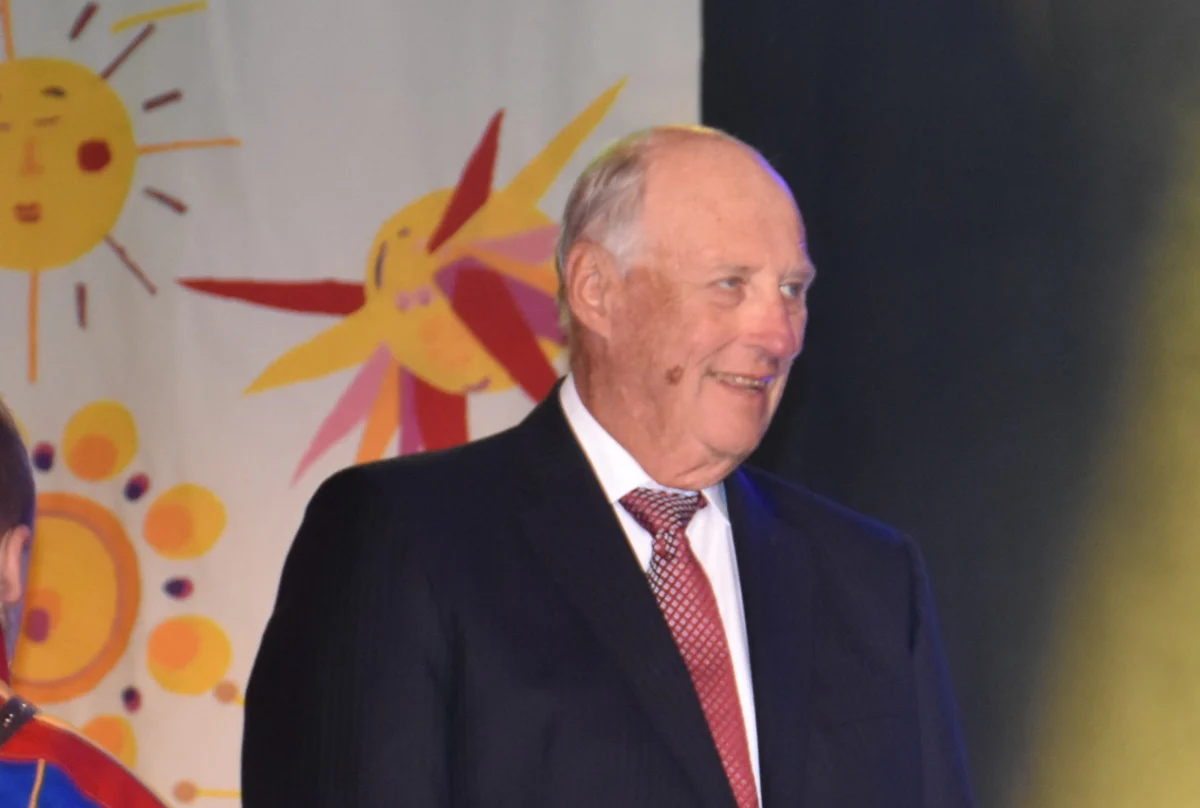
Norway is bracing for the gravest of scenarios as a significant deterioration in the health of its 89-year-old monarch, King Harald V, has plunged the nation into a state of heightened concern. A stark assessment from Norwegian public broadcaster NRK, with a reporter stating, "We must prepare for the worst," underscores the gravity of the situation, following an official announcement from the Norwegian Royal Court that the King’s condition has worsened considerably. This somber update marks a dramatic shift from earlier, more reassuring pronouncements regarding the King’s well-being.
The latest bulletin from the Palace declared unequivocally, "His Majesty the King’s state of health is very serious," a statement that has sent ripples of apprehension across the Scandinavian nation. This declaration represents a stark departure from the more stable updates that had been provided earlier in the week, creating an atmosphere of uncertainty and national introspection.
A Chronology of Concern: From Admission to Crisis
King Harald V was admitted to the National Hospital in Oslo on August 17th. His hospitalization was prompted by medical professionals’ concerns over complications arising from his ongoing treatment for haemolytic anaemia. The King had been undergoing cortisone therapy for this condition, but subsequently developed fluid retention, necessitating immediate hospital care.
During his stay, the King contracted a bacterial infection in his bloodstream, which required the administration of antibiotics. Initially, the Royal Court communicated that the King was responding positively to treatment and that his condition had stabilized. This was followed by a statement on Monday indicating no significant changes in his health, with his condition remaining stable. However, this period of relative calm has now been shattered by the Palace’s latest, deeply concerning update.
The Royal Family and Government Respond
The profound shift in the King’s health has triggered an urgent and visible response from the Royal Family. Crown Prince Haakon, Crown Princess Mette-Marit, and Prince Sverre Magnus have reportedly travelled to the National Hospital to be by the King’s side. Concurrently, Queen Sonja has cancelled all her scheduled engagements, underscoring the seriousness of the situation within the royal household.
As per constitutional protocol, Crown Prince Haakon is currently serving as Regent, assuming the King’s constitutional duties during his father’s incapacitation. This interim leadership role highlights the immediate impact of the King’s health crisis on the functioning of the Norwegian state.
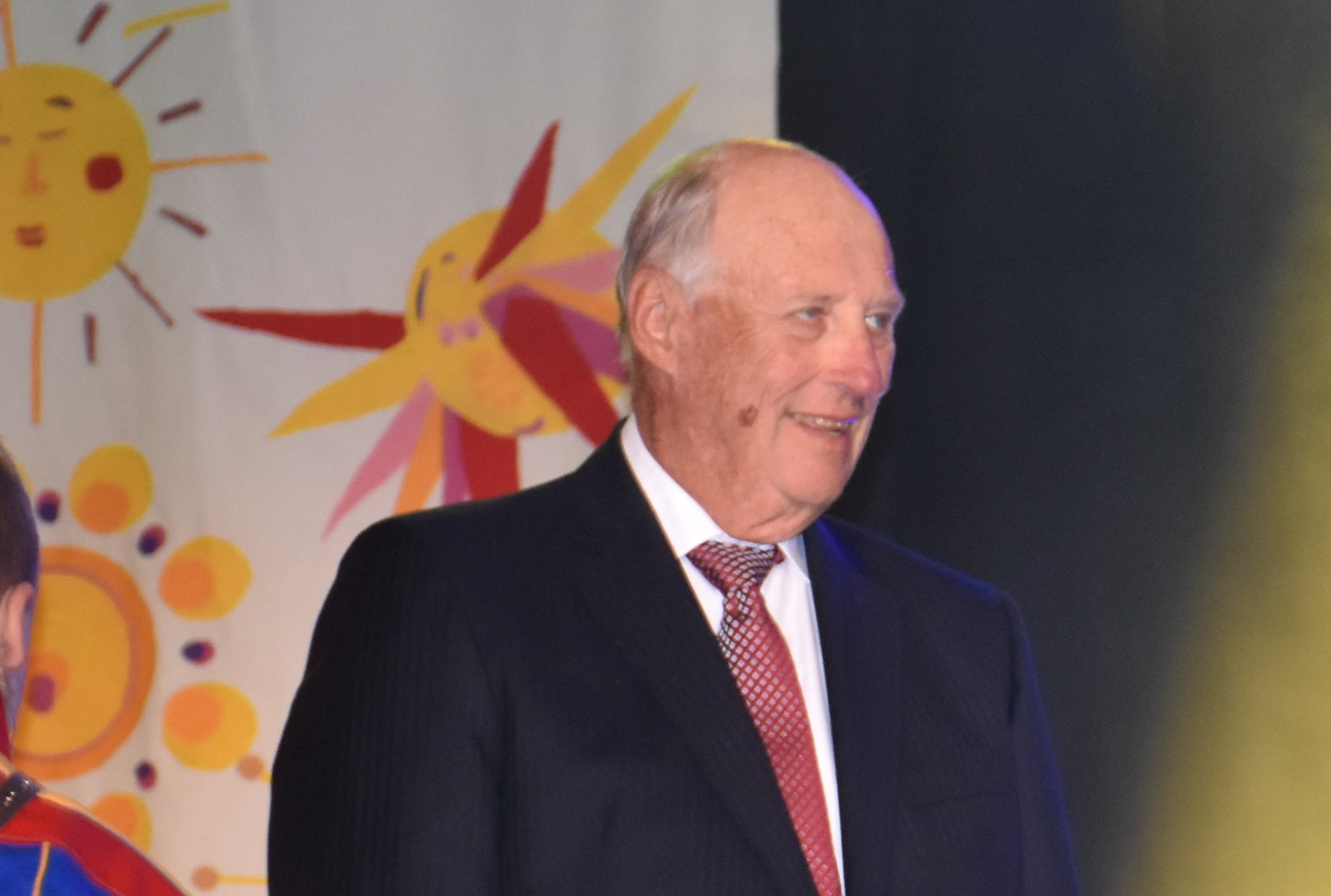
Prime Minister Jonas Gahr Støre has also voiced his deep concern and solidarity. "I join the condolences of the entire country, as we send our most sincere thoughts to the King and the rest of the royal family," the Prime Minister stated. He further expressed confidence in the care being provided, adding, "I trust that the King is receiving the best care and kind and attentive treatment at the National Hospital." His words reflect a national sentiment of concern and a collective hope for the King’s recovery.
Broader National Implications and Historical Context
The gravity of the situation has been further emphasized by the Norwegian broadcaster NRK’s pointed warning, urging the nation to "prepare for the worst." This sentiment, coming from a national media outlet, amplifies the collective anxiety and signals the potential for profound national impact should the King’s condition not improve.
King Harald V has been a figure of immense popularity and a constant presence in Norwegian public life since ascending to the throne in 1991. His reign has spanned decades of significant social and political change, and he has consistently been seen as a unifying symbol for the nation. His current health crisis is not an isolated event, but rather the latest in a series of increasingly frequent medical challenges he has faced in recent years. These have included recurrent infections, cardiac surgery, and the implantation of a permanent pacemaker, indicating a pre-existing vulnerability that has now taken a more critical turn.
The Norwegian Royal Family has also navigated personal health challenges in the past year. Crown Princess Mette-Marit, for instance, underwent a lung transplant due to a worsening of her pulmonary fibrosis, a significant health event that underscored the fragility of even the closest of royal families.
Unanswered Questions and Future Uncertainty
As of the latest reports, the Royal Court has not provided specific details regarding the precise cause of King Harald’s latest deterioration. The focus remains on providing the King with the highest level of medical care at the National Hospital, with his family offering support and comfort during this critical period. Crown Prince Haakon continues to fulfill his duties as Regent, ensuring the continuity of governance.
The unfolding situation in Norway raises broader questions about succession planning and the long-term stability of the monarchy. While Crown Prince Haakon is well-prepared and respected, any prolonged absence or eventual incapacitation of the monarch naturally prompts discussions about the future. The strength and resilience of the Norwegian monarchy have been tested before, and its ability to navigate this current crisis will undoubtedly be a significant chapter in its history. The coming days and weeks will be crucial in determining the trajectory of King Harald’s health and the nation’s collective response to this unprecedented period of uncertainty. The deep affection and respect the Norwegian people hold for their King mean that his health crisis is felt not just as a personal tragedy for the Royal Family, but as a moment of national significance and shared concern.



 Yuyun Lusiyani
 Joko Widodo
 Pevita Pearce
 admin
admin
 Lina Irawan