
 admin
admin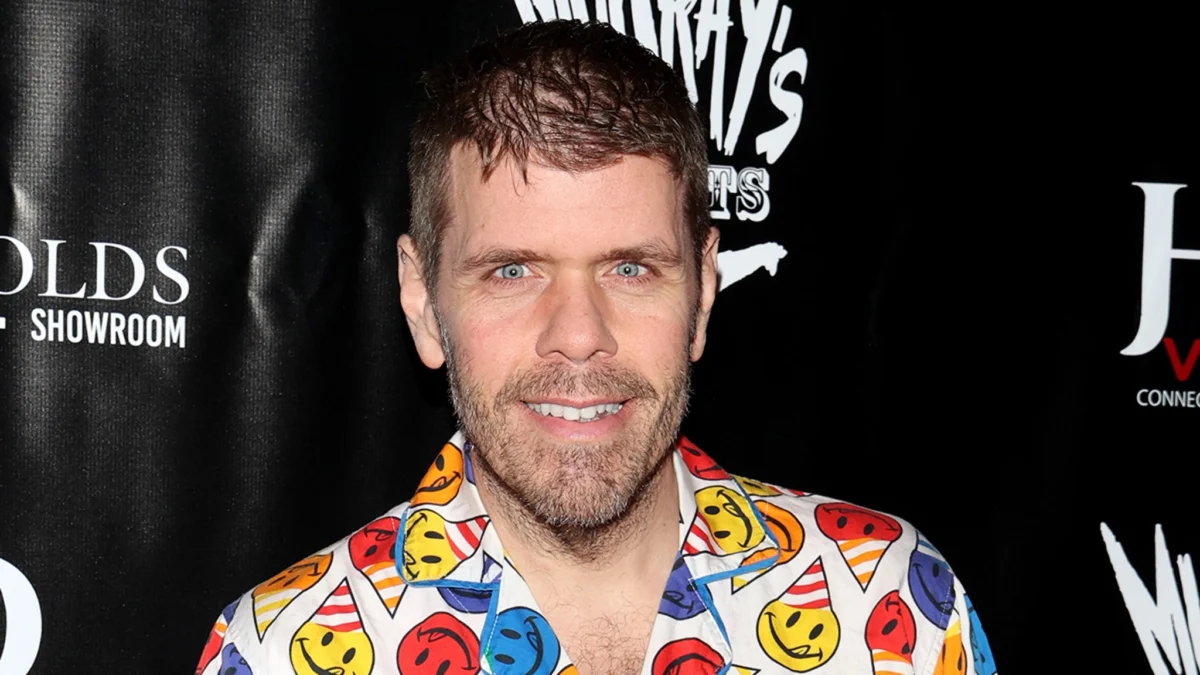
The entertainment world and a concerned public are closely monitoring the condition of celebrity blogger Perez Hilton, whose family has released an encouraging update following a deeply distressing incident that unfolded during a live stream earlier this week. In a statement issued Wednesday, the family confirmed that Hilton, whose real name is Mario Armando Lavandeira Jr., is now able to communicate, a development they describe as having "given our family hope" during an "incredibly difficult and emotional" time. This update comes after Hilton was reportedly rushed to a hospital for psychiatric evaluation on Tuesday night, following an incident where he appeared to self-harm with a knife during a public broadcast. The news has sparked a widespread conversation about mental health, the pressures faced by public figures, and the unique challenges posed by live streaming platforms.
A Disturbing Incident Unfolds on Live Stream
The harrowing event that led to Perez Hilton’s hospitalization occurred on Tuesday, August 4, 2026, sending shockwaves through his online community and beyond. Sources close to law enforcement, as well as numerous reports from horrified viewers, indicate that Hilton began exhibiting signs of severe distress during a live stream. What started as a seemingly routine interaction with his audience quickly escalated into a grave situation when, at an unspecified point during the broadcast, Hilton allegedly used a knife to inflict harm upon himself. The specific platform on which the incident took place has not been definitively confirmed by his family, though various reports suggest it may have been a popular social media site known for its live content capabilities, such as TikTok or Instagram Live, where unscripted and often unfiltered moments are common.
Viewers who witnessed the event immediately reacted, with many expressing profound alarm and attempting to alert authorities or other individuals who could intervene. The swift response from the online community underscores the dual nature of live streaming – while it can provide an immediate connection, it also presents unique challenges for intervention in real-time crises. The incident prompted a rapid deployment of emergency services. Law enforcement and paramedics were reportedly dispatched to Hilton’s residence, where they provided immediate assistance before transporting him to a medical facility. The primary assessment upon his arrival at the hospital was reportedly focused on psychiatric evaluation, indicating the severe nature of the mental health crisis he was experiencing. The immediate aftermath saw a torrent of concern and speculation across social media, with many expressing prayers for his well-being and urging for greater awareness regarding mental health support.
Family’s Statement and Outpouring of Support
On Wednesday, August 5, 2026, as the world grappled with the news, Perez Hilton’s family released a poignant statement to People.com, offering the first official update on his condition and expressing their profound gratitude. "We can confirm that Perez is able to communicate, which has given our family hope," the statement read, providing a much-needed beacon of optimism amidst the distressing circumstances. The family extended their heartfelt thanks to everyone who had reached out, acknowledging the "prayers, kind messages, and support for Perez." They emphasized the immense comfort derived from this collective empathy: "Your compassionate humanity during this profoundly heartbreaking time has meant more than words can express."
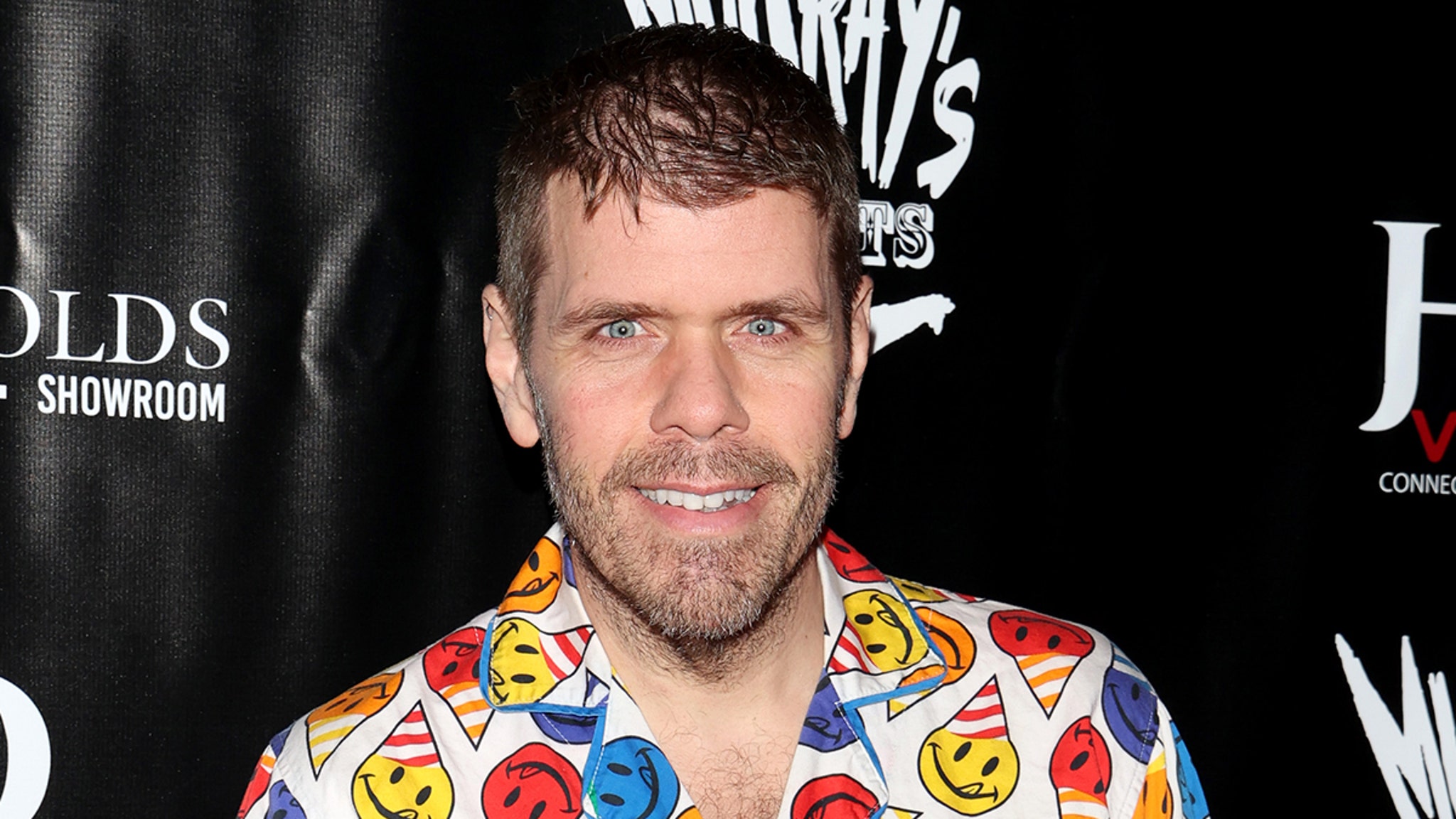
The statement further conveyed the emotional toll the situation has taken on those closest to him. "This has been an incredibly difficult and emotional time for our family, but we remain hopeful about Perez’s condition," they shared, highlighting the ongoing challenges while maintaining a resilient outlook. The family concluded their message by appealing to the public for continued support, stating, "We ask the public to keep praying for Perez’s recovery, and we will provide updates as we receive more information." This unified front from his family, focusing on hope, gratitude, and a plea for privacy and continued well wishes, has been met with widespread understanding and respect. The outpouring of support from fans, celebrity colleagues, and mental health advocates has been significant, transforming what began as a moment of public crisis into a catalyst for collective compassion and dialogue. Many public figures and organizations took to their own platforms to share messages of solidarity and emphasize the importance of mental health awareness, further amplifying the conversation surrounding Hilton’s ordeal.
Perez Hilton: A Controversial Figure’s Journey
To fully understand the context of this event, it is crucial to revisit the career and public persona of Perez Hilton. Born Mario Armando Lavandeira Jr., Hilton rose to prominence in the early 2000s as a pioneering, albeit highly controversial, celebrity blogger. His website, Perezhilton.com, launched in 2004, quickly became a go-to destination for celebrity gossip, known for its unfiltered commentary, often critical takes, and distinctive practice of defacing paparazzi photos with doodles. His rise coincided with the explosion of internet culture and the burgeoning tabloid industry, positioning him as a significant, and often polarizing, voice in the entertainment landscape.
Hilton’s brand was built on provocative headlines and acerbic wit, which garnered him both immense popularity and fierce criticism. He was frequently embroiled in legal battles and public feuds with celebrities he targeted, earning him a reputation as an industry provocateur. Over the years, however, his public persona began to evolve. As the digital media landscape shifted and public sensibilities changed, Hilton increasingly sought to redefine his image. He became a father, which he often cited as a transformative experience, and openly discussed his efforts to adopt a more positive and less caustic approach to his content. He also ventured into other media, including television appearances, radio shows, and podcasts, attempting to diversify his career beyond the initial blog format.
In recent years, Hilton has also been more vocal about his own struggles and has engaged in discussions surrounding mental health. While he has not always been a direct mental health advocate in the traditional sense, his openness about personal challenges, including his journey with weight loss and fatherhood, offered glimpses into a more vulnerable side of the personality once known for relentless criticism. This background provides a crucial lens through which to view the recent incident, highlighting the complex intersection of public life, personal struggles, and the unforgiving nature of the digital spotlight. The immense pressure of maintaining a public profile, navigating a constantly evolving media landscape, and dealing with personal challenges can be overwhelming, even for the most seasoned public figures.
The Perilous Intersection of Mental Health and Live Streaming
Perez Hilton’s incident casts a stark light on a growing concern: the intersection of mental health crises and live streaming platforms. In an era where individuals, particularly public figures, are increasingly encouraged to share their lives in real-time, the boundaries between private struggle and public spectacle have become dangerously blurred. Live streaming offers an unparalleled sense of intimacy and immediacy, allowing direct interaction with audiences, but it also strips away the editorial filters and safety nets often present in traditional media. This lack of a buffer means that moments of extreme vulnerability, distress, or crisis can unfold without immediate intervention, reaching potentially millions of viewers instantly.
The phenomenon of public figures experiencing mental health breakdowns or engaging in self-harm during live broadcasts is not entirely new, but it appears to be on the rise. Several high-profile incidents involving streamers, influencers, and celebrities have prompted calls for social media companies to re-evaluate their policies and implement more robust safeguards. These platforms, while providing powerful tools for connection and self-expression, also bear a significant responsibility in protecting their users, especially when faced with signs of acute distress. The challenges are multifaceted: detecting nuanced signs of crisis in real-time, distinguishing genuine calls for help from performance or hoaxes, and having effective, rapid intervention protocols in place.
Mental health statistics underscore the pervasive nature of these struggles. According to the World Health Organization, depression is a leading cause of disability worldwide, and suicide is the fourth leading cause of death among 15-29-year-olds. Many individuals, including those in the public eye, grapple with conditions such as depression, anxiety, bipolar disorder, and other mental health challenges, often in silence or without adequate support. The pressure of public scrutiny, constant criticism, and the expectation to maintain a curated image can exacerbate these underlying conditions. When these struggles culminate in a public act of self-harm, it serves as a painful reminder of the urgent need for comprehensive mental health support, destigmatization, and proactive measures from both individuals and the platforms they use.
Addressing the Broader Implications: Platform Responsibility and Public Awareness
The incident involving Perez Hilton is likely to reignite discussions about the ethical responsibilities of social media platforms and the broader implications for public mental health. While platforms like TikTok, Instagram, and YouTube have community guidelines and reporting mechanisms for harmful content, the instantaneous nature of live streaming presents unique difficulties. The lag between a disturbing event occurring, a user reporting it, and the platform’s content moderators taking action can be critical, potentially allowing harmful content to remain visible for too long or to be widely disseminated before removal.
There is an increasing demand for platforms to invest more heavily in AI-driven content moderation that can detect visual or audio cues of distress in real-time, as well as to increase the number of human moderators available around the clock. Furthermore, calls for more proactive measures include prominent placement of mental health resources and helpline information directly within live stream interfaces, especially when an algorithm or human moderator flags potentially distressing content. Partnerships with mental health organizations to develop best practices for intervention and support are also vital.
Beyond platform responsibility, this incident serves as a crucial moment for public awareness and education. It highlights the importance of recognizing the signs of mental health distress, not just in public figures but in friends, family, and colleagues. It underscores the message that mental health struggles are not a sign of weakness and that seeking help is a sign of strength. Resources such as national suicide prevention lifelines, mental health hotlines, and crisis text lines are available 24/7 and provide confidential support for individuals in distress. The collective empathy shown towards Perez Hilton following this incident is a positive indicator that public attitudes towards mental health are evolving, moving towards greater understanding and less judgment.
The Road to Recovery and Future Outlook
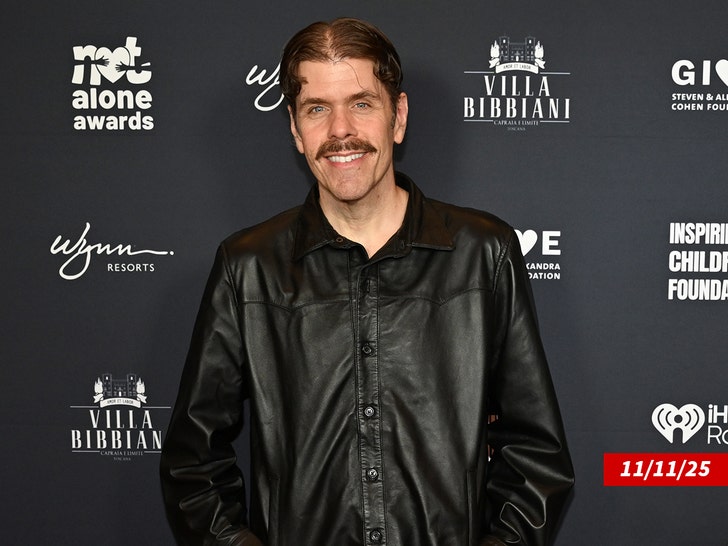
For Perez Hilton, the journey ahead is undoubtedly one of recovery and healing. His family’s statement, confirming his ability to communicate, is a vital first step, signifying a return to engagement and a potential pathway towards therapeutic intervention. Recovery from a mental health crisis, especially one that involves self-harm, is a complex and often lengthy process that requires comprehensive support, including medical care, psychotherapy, and a strong support system. The public’s continued prayers and respectful space for him to heal will be paramount.
This incident may also mark a significant turning point in Hilton’s public life. It could lead to a deeper commitment to mental health advocacy, using his platform to share his experiences and encourage others to seek help. Alternatively, he might choose a more private existence, stepping back from the intense scrutiny that has characterized much of his career. Whatever path he chooses, the immediate priority remains his full physical and psychological recovery.
The broader implications extend to how society perceives and supports individuals in the public eye. The pressure cooker environment of celebrity culture, amplified by the relentless gaze of social media, can create immense psychological strain. This event serves as a powerful reminder that behind every public persona is a human being, susceptible to the same vulnerabilities and struggles as anyone else. As the world awaits further updates from his family, the hope remains that Perez Hilton’s difficult experience will ultimately contribute to a more compassionate and understanding dialogue surrounding mental health, both online and offline. The incident serves as a sober reminder for everyone to prioritize their mental well-being and to offer support to those who may be silently struggling. The conversation initiated by this event must continue, fostering a culture where seeking help is not just accepted, but actively encouraged.


 Yuyun Lusiyani
 Joko Widodo
 Eva Lovia
 Pevita Pearce

 Lina Irawan