Pevita Pearce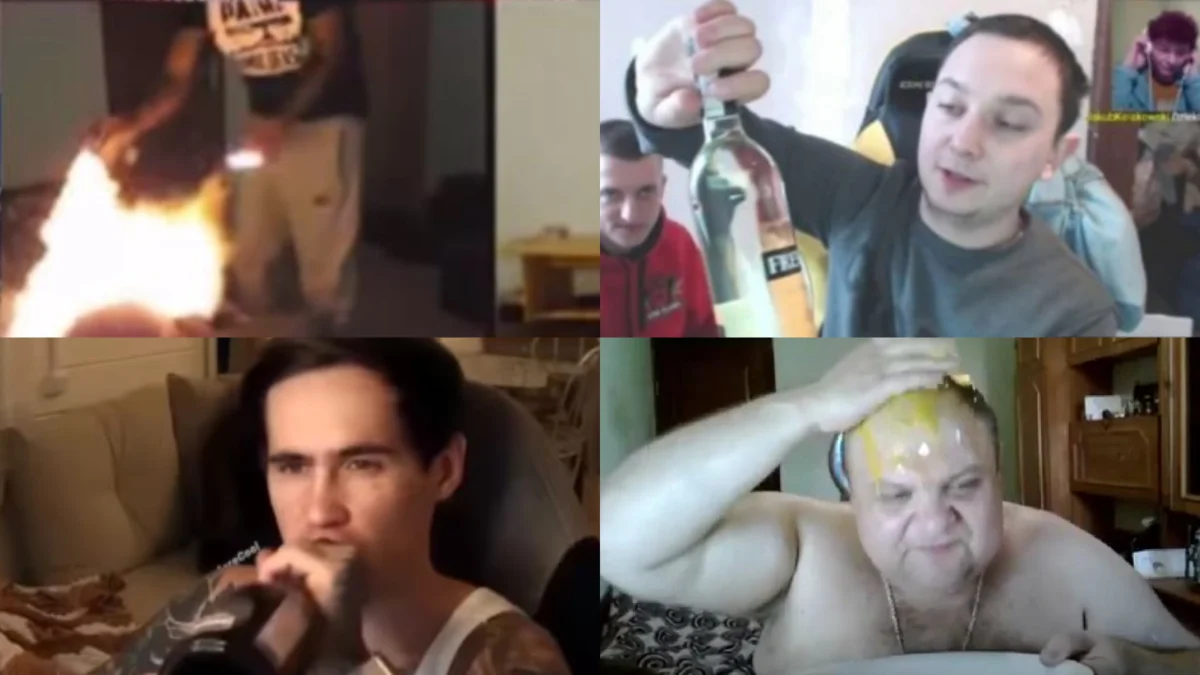
Poland has officially criminalized the digital phenomenon known as "trash streaming," implementing a rigorous legal framework designed to curb the broadcast of violence, abuse, and the systematic humiliation of individuals for financial gain or social media notoriety. Under the new legislation, content creators found guilty of producing or distributing such material face significant prison sentences, marking one of the most aggressive legislative stances against harmful digital content in the European Union.
The legislation, which was signed into law on July 17, targets a specific subculture of the internet economy that has proliferated on platforms like YouTube, Twitch, and Kick. By introducing penalties of up to five years behind bars for the most egregious offenses, the Polish government aims to dismantle the financial incentives that have fueled the rise of "patostreaming"—a term derived from the Polish words for "pathological" and "streaming."
The Legal Framework and Penalties
The newly enacted law establishes a clear distinction between various levels of digital offenses. At its core, the legislation makes it a criminal act to publicly distribute online content for financial or personal gain that depicts serious crimes, animal cruelty, or the degrading treatment of another person.
A critical component of this law is its stance on consent. Legislators have specified that the law applies even in instances where the individual being subjected to abuse or humiliation has ostensibly consented to the treatment. This provision is designed to prevent streamers from exploiting vulnerable individuals—often those struggling with homelessness, addiction, or mental health issues—who may agree to participate in degrading acts in exchange for small sums of money or basic necessities.
The sentencing guidelines are structured based on the severity and nature of the content:
- Standard Offenses: Creators involved in the distribution of content featuring the humiliation or degrading treatment of others face sentences of up to three years in prison.
- Aggravated Offenses: In cases where the streams depict or stage more serious crimes, or involve extreme levels of violence, the penalty increases to a maximum of five years.
- Staged Content: The law explicitly covers creators who stage or falsely portray criminal acts. This prevents streamers from utilizing the defense that the violence was "scripted" or "fake" to avoid prosecution, acknowledging that the public broadcast of such acts still contributes to social harm and the normalization of violence.
Understanding the Rise of Patostreaming
The term "patostreaming" has become a household name in Poland, describing a dark corner of the creator economy where influencers broadcast live sessions of heavy drinking, domestic brawls, and the verbal and physical abuse of guests. These broadcasts are often highly interactive, with viewers sending "donations" (often called "donates") that trigger text-to-speech messages or specific abusive actions from the streamer.
Polish law enforcement and social observers have noted that these streams operate on a feedback loop of escalating extremity. To maintain viewership and increase revenue, streamers are often pressured by their audience to perform increasingly dangerous or illegal acts. Previous police reports have detailed incidents where viewers paid streamers to intoxicate guests to the point of unconsciousness, start physical altercations in public spaces, or subject animals to cruelty on camera.
The monetization of these acts has turned pathological behavior into a viable, albeit illicit, business model. By criminalizing the profit motive behind these streams, the Polish government is attempting to cut off the oxygen to this industry.
Political Landscape and Legislative Chronology
The journey toward this legislation was marked by intense public pressure following several high-profile incidents that shocked the Polish public. The governing coalition, led by Prime Minister Donald Tusk, found common ground with the opposition Law and Justice (PiS) party on this issue, reflecting a rare moment of bipartisan consensus in a deeply polarized political climate.
Konrad Ciesiołkiewicz, the deputy head of Poland’s State Commission for Counteracting Child Sexual Abuse, has been a vocal proponent of the law. Following the signing, he stated that the legislation marks "the end of accepting the building of popularity by humiliating others." His commission has long argued that such content serves as a gateway to more severe forms of exploitation and has a devastating impact on the psychological development of the younger audiences who frequently consume these streams.
However, the law did not pass without resistance. Right-wing lawmakers and certain civil liberties advocates expressed concerns regarding the potential for overreach. Opponents argued that the broad definitions of "degrading treatment" could eventually be weaponized to censor political speech or artistic expression. These critics warned that while the intent to stop violence is noble, the implementation could lead to a "chilling effect" on the broader streaming community and digital freedom of speech.
Supporting Data and the Social Impact of Harmful Content
The push for regulation is backed by alarming data regarding the reach of patostreaming. According to studies conducted by the Polish Ombudsman’s office and various NGOs, a significant percentage of Polish teenagers have been exposed to patostreams. Some reports suggest that nearly 40% of internet users aged 13–15 have watched such content, often viewing it as a form of "extreme entertainment" without fully grasping the ethical or legal implications.

The psychological impact on viewers is a primary concern for social scientists. Research indicates that frequent exposure to "trash streaming" can lead to:
- Desensitization: Viewers may become less empathetic toward victims of real-world violence.
- Normalization of Abuse: The depiction of domestic violence as "entertainment" can distort a young person’s understanding of healthy relationships.
- Copycat Behavior: The desire for digital fame can lead viewers to emulate the dangerous stunts performed by their favorite streamers.
The data suggests that the "attention economy" has created a market where the most shocking content generates the highest engagement, regardless of its moral or legal standing. Poland’s new law is a direct intervention into this market dynamic.
International Context: A Growing Global Crisis
Poland’s legislative move comes at a time when authorities across Europe and the globe are grappling with the lethal consequences of unregulated livestreams. The "patostreaming" phenomenon is not unique to Poland; it is a global trend often categorized under "extreme challenges" or "dark streaming."
In Spain, the death of streamer Sergio Jimenez has become a focal point for investigators. Jimenez died during a paid challenge where he consumed lethal quantities of alcohol and cocaine while live on camera. Spanish police are currently investigating whether the viewers who funded the challenge or the organizers of the platform could be held legally responsible for encouraging the fatal behavior.
Similarly, in France, prosecutors have taken a hard line against Owen "Naruto" Cenazandotti and Safine Hamadi. The duo is accused of orchestrating violent and humiliating streams featuring Jean Pormanove, a vulnerable individual who died in his sleep shortly after appearing in their broadcasts. French authorities have requested prison sentences and permanent social media bans, signaling a shift toward treating digital abuse with the same gravity as physical assault.
These international cases highlight a fundamental shift in legal thought: the "digital space" is no longer viewed as a separate realm where traditional laws do not apply. Instead, it is being integrated into the broader judicial framework of public safety and human rights.
Implications for Platforms and the Creator Economy
The enactment of this law places significant pressure on global streaming platforms to improve their moderation and reporting systems. While the law primarily targets the creators, the "financial gain" aspect of the legislation implicates the payment processors and platform ad-revenue systems that facilitate these transactions.
Platforms like Kick and Twitch have faced criticism for their perceived "hands-off" approach to moderation in the pursuit of growth. With Poland now setting a legal precedent for criminal liability, these platforms may be forced to implement more robust geofencing or proactive AI-driven content detection to avoid being caught in the crosshairs of national investigations.
Furthermore, the law challenges the "consent" defense that has long been a shield for controversial creators. By establishing that a person cannot legally consent to being publicly humiliated for someone else’s profit, the Polish government is setting a new ethical standard for digital interactions.
Future Outlook and Implementation Challenges
As the law takes effect, the primary challenge for the Polish justice system will be enforcement. The borderless nature of the internet means that streamers can easily relocate to other jurisdictions while still broadcasting to a Polish audience. Additionally, the use of cryptocurrencies and offshore payment gateways can make it difficult for authorities to track the "financial gain" required for a conviction.
However, the symbolic and deterrent value of the law cannot be understated. By labeling "trash streaming" as a serious criminal offense punishable by five years in prison, Poland has sent a clear message to the digital generation: the exploitation of others is not a legitimate path to fame or fortune.
The coming months will likely see the first test cases brought before the Polish courts. These trials will be closely watched by legal experts across Europe as they may provide a blueprint for how other nations handle the rising tide of pathological digital content. For now, Poland stands at the forefront of a movement to reclaim the internet from a culture of monetized cruelty, prioritizing human dignity over digital engagement metrics.




 Jia Lissa
 Yuyun Lusiyani
 Joko Widodo
 Eva Lovia