
 Pevita Pearce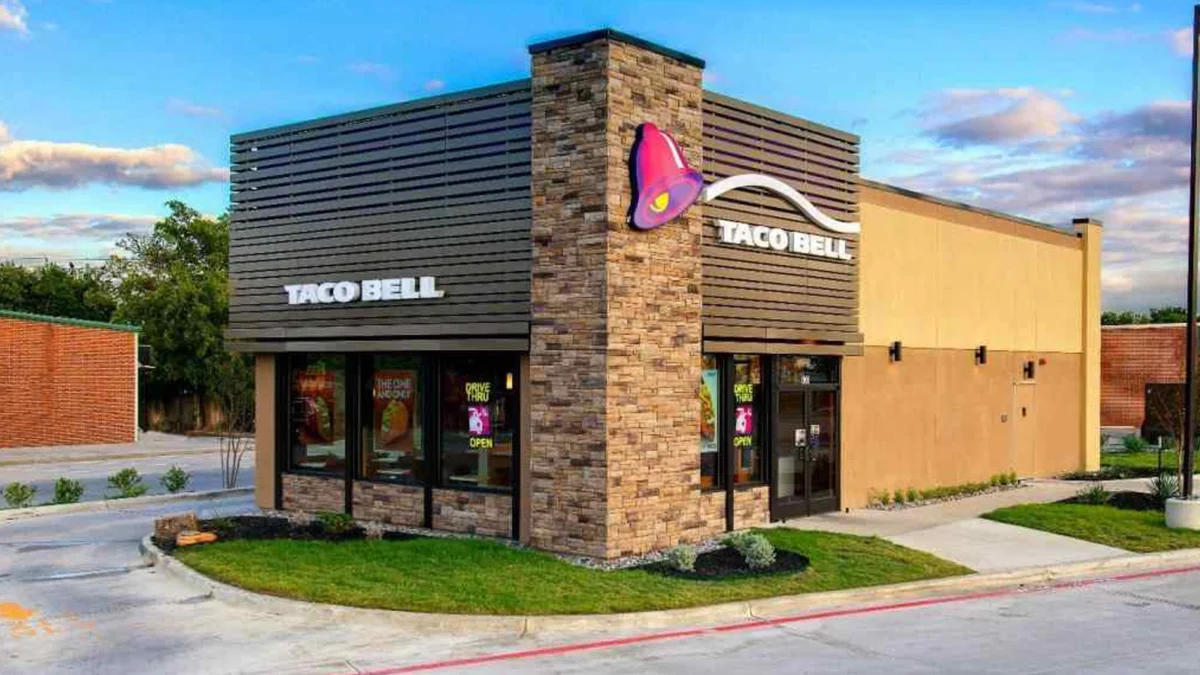
Taco Bell has issued a comprehensive public response following a significant lawsuit filed by a 27-year United States Army veteran who was hospitalized after contracting a Cyclospora infection. The fast-food giant and its primary produce supplier, Taylor Farms, are currently navigating a massive food safety crisis that has resulted in a multistate outbreak of Cyclosporiasis. The outbreak, which has primarily affected the Midwestern United States, has prompted the U.S. Food and Drug Administration (FDA) and the Centers for Disease Control and Prevention (CDC) to launch a high-priority investigation into the supply chain of shredded iceberg lettuce sourced from Mexico.
The legal proceedings began after David Ott, a retired veteran, fell critically ill following two separate meals at a Taco Bell location in Youngstown, Ohio, during June 2026. According to the complaint, Ott’s condition deteriorated to the point of requiring a two-day hospitalization, during which medical professionals confirmed the presence of Cyclospora cayetanensis, a microscopic parasite that infects the small intestine. This lawsuit is the first of what legal analysts expect to be a series of filings as more victims of the outbreak come forward.
The Scope and Scale of the Cyclospora Outbreak
The current outbreak has reached alarming proportions, with the CDC confirming at least 1,644 laboratory-verified cases across several states. Furthermore, public health officials are currently investigating an additional 5,100 suspected cases that exhibit symptoms consistent with the infection. While no fatalities have been reported to date, the severity of the illness is underscored by the high rate of hospitalizations. Michigan has emerged as the epicenter of the crisis, reporting 102 hospitalizations, the highest among all affected states.
The geographical reach of the contaminated product was initially localized to five states: Indiana, Michigan, Kentucky, Ohio, and West Virginia. However, as the investigation progressed, the FDA expanded its warning, leading to a broader scrutiny of Taco Bell’s distribution networks. The parasite, Cyclospora, is known for being difficult to detect and even more difficult to wash off produce, as it often adheres tightly to the surface of leafy greens or becomes embedded in the folds of shredded lettuce.
Corporate and Regulatory Responses
In the wake of the FDA’s formal warning on July 17, 2026, Taco Bell utilized its social media platforms, specifically X (formerly Twitter), to communicate directly with its customer base. The company aimed to reassure the public that it had taken swift action to mitigate the risk. "We take your health and safety seriously," the company stated in a public post. "We have removed all affected Taylor Farms lettuce from Taco Bell stores. So go ahead and enjoy your Taco Bell today. You always got us. We always got you. See you in the drive-thru."
Simultaneously, Taylor Farms, the California-based produce titan that supplies many of the nation’s largest fast-food chains, initiated a voluntary recall of all iceberg lettuce sourced from its operations in central Mexico. The company clarified that the FDA’s traceback investigation had pointed to a single, independent farm. According to Taylor Farms, this specific farm represents less than 1% of the total iceberg lettuce supply for the United States. Despite the small footprint of the source, the company made the decision to suspend all lettuce imports from that region indefinitely.
In an official statement, Taylor Farms expressed its regret over the situation: "We are deeply concerned for those who became ill, their families, and the many Americans whose trust in the safety of their fresh produce has been shaken."
Understanding Cyclospora Cayetanensis
To understand the gravity of the current situation, it is necessary to examine the nature of the pathogen involved. Cyclospora cayetanensis is a parasite composed of a single cell. It is transmitted when people ingest food or water contaminated with infected feces. In the United States, outbreaks are almost exclusively linked to imported fresh produce, such as raspberries, basil, snow peas, and leafy greens.
The incubation period for Cyclosporiasis is typically about one week, though it can range from two days to two weeks or more. This delay between consumption and the onset of symptoms often complicates the "traceback" process for health officials, as consumers may not accurately remember what they ate fourteen days prior. Symptoms include watery diarrhea, loss of appetite, weight loss, stomach cramps, bloating, increased gas, nausea, and fatigue. If left untreated, the illness can persist for weeks or even months, often occurring in cycles where the patient feels better before symptoms return.
For an Army veteran like David Ott, the infection was severe enough to require intravenous fluids and intensive monitoring. Legal experts note that in cases of foodborne illness, the standard of "strict liability" often applies, meaning a company can be held responsible for serving contaminated food regardless of whether they were aware of the contamination at the time of service.
Timeline of the Crisis
The chronology of the outbreak highlights the challenges faced by public health surveillance systems in identifying and containing foodborne pathogens.
- June 2026: David Ott and several other early victims consume contaminated lettuce at Taco Bell locations in the Midwest. Initial reports of gastrointestinal distress begin to surface in local health departments.
- Late June to Early July 2026: Hospitalization rates begin to climb, particularly in Michigan and Ohio. The CDC begins to notice a statistical anomaly in Cyclospora cases, which are usually more sporadic.
- July 10-15, 2026: The FDA conducts a "traceback" investigation, following the paper trail of invoices and shipping manifests from the affected Taco Bell locations back to the processors and, eventually, the growers in Mexico.
- July 17, 2026: The FDA issues a formal public health advisory, specifically naming shredded iceberg lettuce from Mexico served at Taco Bell as the likely vehicle for the parasite.
- July 18, 2026: Taco Bell and Taylor Farms issue their respective statements regarding the removal of products and the voluntary recall.
- Late July 2026: The first major lawsuit is filed in Ohio, seeking damages for medical expenses, pain and suffering, and lost wages.
Supply Chain Vulnerabilities and Industry Implications
This incident has once again brought the complexities of the global food supply chain into sharp focus. The United States relies heavily on Mexican agriculture, particularly during seasons when domestic production in California and Arizona is lower. However, the regulatory oversight of foreign farms can vary, and the process of "shredding" lettuce—as is done for Taco Bell’s tacos and burritos—increases the surface area available for contamination and allows a small amount of contaminated produce to be mixed into a much larger batch.
Industry analysts suggest that this outbreak could lead to stricter requirements under the Food Safety Modernization Act (FSMA), particularly regarding the "Foreign Supplier Verification Programs." Companies like Taco Bell may face increased pressure to implement more rigorous testing protocols at the point of processing rather than relying solely on the certifications provided by third-party farms.
Furthermore, the economic impact on Taco Bell could be significant. While the company’s "See you in the drive-thru" messaging attempted to project confidence, food safety experts warn that brand loyalty is often fragile in the face of health scares. Previous outbreaks at other major chains, such as Chipotle and Jack in the Box, resulted in years of sluggish sales and massive expenditures on rebranding and safety overhauls.
Fact-Based Analysis of the Legal Path Forward
The lawsuit filed by David Ott is likely to focus on the concept of "adulterated food." Under the Federal Food, Drug, and Cosmetic Act, food is considered adulterated if it contains any poisonous or deleterious substance which may render it injurious to health. Because Cyclospora is a known pathogen, the presence of the parasite in the lettuce constitutes a breach of the implied warranty of fitness for human consumption.
For Taylor Farms, the legal challenge involves demonstrating that they followed all "Good Agricultural Practices" (GAPs) and that the contamination occurred despite industry-standard safeguards. However, in the eyes of the law, the primary focus is often on the fact that the consumer was harmed by a product the company placed into the stream of commerce.
As the CDC continues to investigate the 5,100 suspected cases, the potential liability for both Taco Bell and Taylor Farms could reach into the tens of millions of dollars. The investigation is also looking into whether other products—such as tomatoes or cilantro—sourced from the same region in Mexico might also be contaminated, which would further complicate the recovery process for the brands involved.
Public Health Guidance and Consumer Safety
The FDA continues to advise consumers who have recently eaten at Taco Bell in the affected states and are experiencing symptoms of Cyclosporiasis to contact their healthcare providers immediately. Diagnosis requires a specific stool test that is not part of a standard routine screening, so patients must explicitly mention their potential exposure to Cyclospora.
Health officials also remind the public that while the contaminated lettuce has been removed from Taco Bell locations, the investigation into the broader supply chain is ongoing. Consumers are encouraged to remain vigilant about food safety alerts and to practice thorough washing of all fresh produce at home, although they should be aware that washing cannot guarantee the removal of Cyclospora from leafy greens.
As the situation evolves, the focus remains on the recovery of the thousands affected and the implementation of more robust systems to prevent such a widespread failure of food safety protocols in the future. The outcome of the Ott lawsuit and the final findings of the FDA investigation will likely serve as a landmark case for the fast-food industry’s management of imported produce.




 Yuyun Lusiyani
 Joko Widodo
 Eva Lovia
 admin
admin
 Lina Irawan