
 Eva Lovia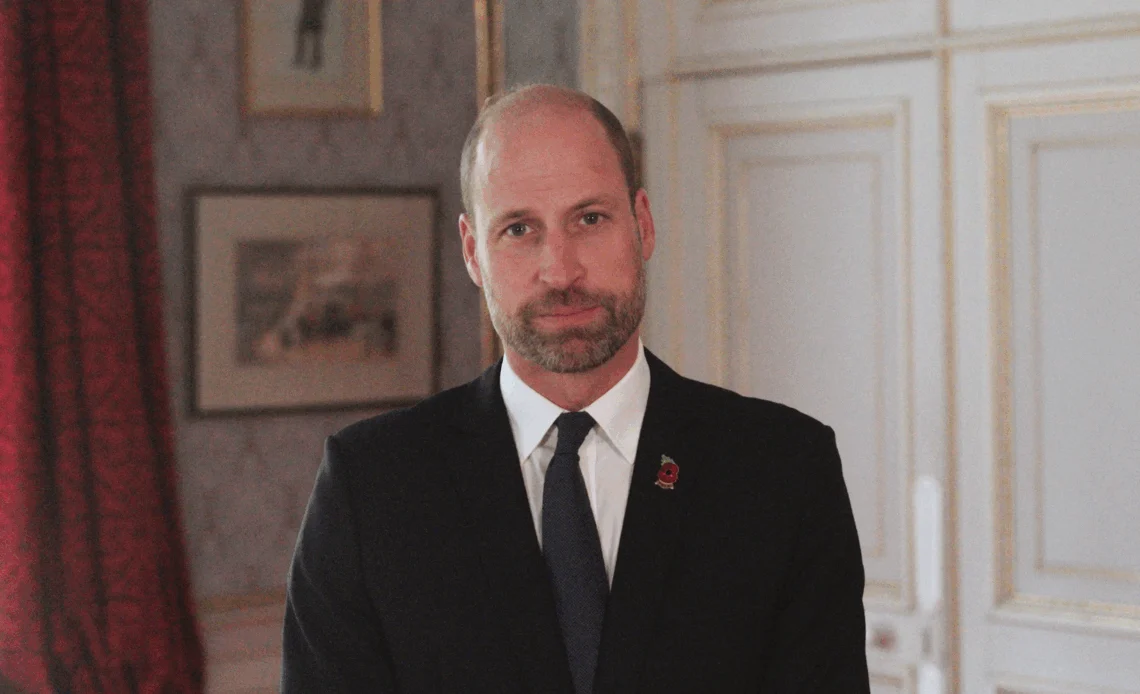
The Prince of Wales has expressed profound sorrow following the tragic death of celebrated mountaineer and former Royal Marine, Nirmal Purja, who perished in an avalanche while leading an expedition on Broad Peak in Pakistan. The devastating incident also claimed the lives of two of Purja’s climbing partners, Pur Bahadur Gurung and Nima Sherpa. The news, confirmed by Elite Exped, the expedition company co-founded by Purja, has sent shockwaves through the mountaineering world and beyond.
A Legacy Forged in Extremes: Prince William’s Tribute to Nirmal Purja
In a deeply personal message shared on social media, Prince William, known to many as “W,” conveyed his “heartfelt tribute” to the Nepalese-born adventurer. He described himself as “truly saddened” by the loss, extending his condolences not only to the families of Purja and his companions but to all those affected by the tragedy on one of the world’s most formidable mountains.
Prince William specifically lauded Purja’s distinguished service in the British Armed Forces before his meteoric rise in the world of high-altitude mountaineering. “Nims served with distinction in the British Armed Forces before becoming one of the world’s greatest mountaineers, putting Nepalese climbers on the map,” the Prince stated. He further highlighted Purja’s unique qualities: “His relentless pursuit of what seemed impossible, combined with his humility and selflessness, made him truly unique.” This acknowledgement underscores the profound respect the Prince of Wales held for Purja’s character and achievements, bridging his military past with his extraordinary mountaineering career.
The Tragic Circumstances of the Broad Peak Disaster
The avalanche that claimed the lives of Nirmal Purja, Pur Bahadur Gurung, and Nima Sherpa struck while they were engaged in an expedition on Broad Peak, the twelfth-highest mountain on Earth, standing at an imposing 8,051 meters (26,414 feet) above sea level. Broad Peak is situated in the Karakoram mountain range, on the border of Pakistan and China, and is notoriously challenging due to its extreme altitude, unpredictable weather, and technical climbing routes.
The exact timeline of the avalanche remains under investigation, but it is understood to have occurred during the ascent or descent phase of the expedition. Elite Exped confirmed the fatalities after an extensive search operation, underscoring the perilous nature of the environment and the difficulty in recovering victims from such high-altitude zones. The company, which Purja co-founded, has been instrumental in facilitating expeditions for climbers worldwide, often drawing on Purja’s unparalleled experience.
Nirmal Purja: A Journey from Gurkha Soldier to Mountaineering Legend
Nirmal Purja, universally known as “Nims,” was far more than just a mountaineer; he was a testament to human resilience, ambition, and unwavering determination. His journey began with a distinguished 16-year career in the British military. He served with the Gurkhas, renowned for their bravery and fortitude, and later joined the elite Special Boat Service (SBS), the naval special forces unit of the United Kingdom. During his military service, Purja achieved a significant milestone by becoming the first serving Gurkha in the British Armed Forces to reach the summit of Mount Everest, the world’s highest peak.
Following his military career, Purja embarked on a mountaineering path that would redefine the limits of human achievement. In 2019, he captured global attention with his audacious “Project Possible,” a mission to climb all 14 of the world’s mountains exceeding 8,000 meters in a record-breaking 189 days. This monumental feat shattered the previous record, which stood at over seven years, and cemented his status as one of the greatest high-altitude climbers in history. His incredible story and the challenges he overcame were subsequently immortalized in the critically acclaimed Netflix documentary, 14 Peaks: Nothing Is Impossible, inspiring millions worldwide.
In recognition of his extraordinary contributions to mountaineering and his inspirational journey, Nirmal Purja was awarded an MBE (Member of the Order of the British Empire) by the late Queen Elizabeth II in 2022. This honour acknowledged not only his sporting achievements but also his role in elevating the profile of Nepalese climbers and promoting mountaineering as a discipline.
Wider Reactions and Tributes
The news of Nirmal Purja’s death has elicited widespread mourning and heartfelt tributes from the global mountaineering community, adventurers, and public figures. Renowned adventurer Bear Grylls remembered Purja’s “unstoppable spirit,” a sentiment echoed by many who were touched by his drive and positive outlook. Broadcaster Spencer Matthews, whose brother Michael tragically disappeared on Mount Everest, also paid homage to Purja, acknowledging his efforts in the search for his sibling. These tributes highlight the profound impact Purja had on individuals and the broader adventure landscape.
The Nepalese climbing community, in particular, is in mourning. Purja was a champion for Sherpa climbers, advocating for better working conditions and greater recognition for their crucial role in Himalayan expeditions. His success was seen as a triumph for the entire nation, and his loss will be deeply felt by his countrymen and fellow mountaineers.
Analysis of Implications and the Future of High-Altitude Climbing
The death of Nirmal Purja on Broad Peak serves as a stark reminder of the inherent dangers associated with high-altitude mountaineering. Despite advancements in technology, safety protocols, and weather forecasting, the mountains above 8,000 meters remain unforgiving environments where extreme conditions can rapidly turn perilous. Avalanches, extreme cold, altitude sickness, and treacherous terrain continue to pose significant risks to even the most experienced climbers.
Purja’s passing raises questions about the future of extreme mountaineering expeditions. While his achievements pushed the boundaries of what was thought possible, they also highlighted the immense risks involved. The focus on speed and record-breaking in some expeditions, while inspiring, can sometimes necessitate taking calculated risks. However, Purja’s own philosophy often emphasized meticulous planning and preparation, alongside his audacious goals.
The tragedy on Broad Peak will undoubtedly prompt renewed discussions within the climbing community and among expedition operators regarding safety measures, risk assessment, and the ethical considerations of pushing human limits in extreme environments. The legacy of Nirmal Purja, however, will continue to inspire generations of climbers, reminding them of the power of human spirit, perseverance, and the profound beauty and danger of the world’s highest peaks. His dedication to his craft, his service to his country, and his humble demeanor have left an indelible mark on the world.




 Yuyun Lusiyani
 Joko Widodo
 Pevita Pearce
 admin
admin
 Lina Irawan